Money is the backbone of any business. Every idea, opportunity, or expansion plan relies on available funds. Yet many people find themselves stuck, because they don’t spend smartly. Most businesses, especially startups, end up draining their savings on buying heavy machinery, vehicles, medical equipment, or technology, which can disrupt their whole budget.
This is where equipment leasing becomes relevant. Rather than purchasing, smart business owners lease the equipment they need without spending a fortune. It is a common practice across industries, especially where spending smartly matters more than owning assets.
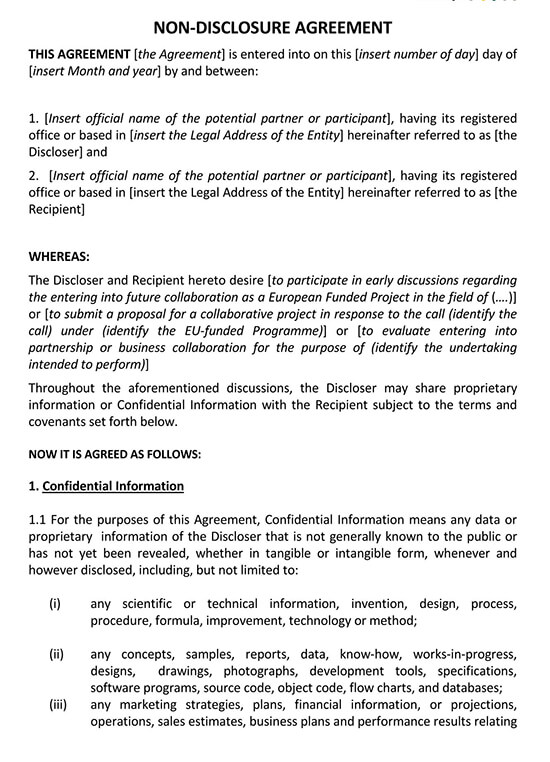
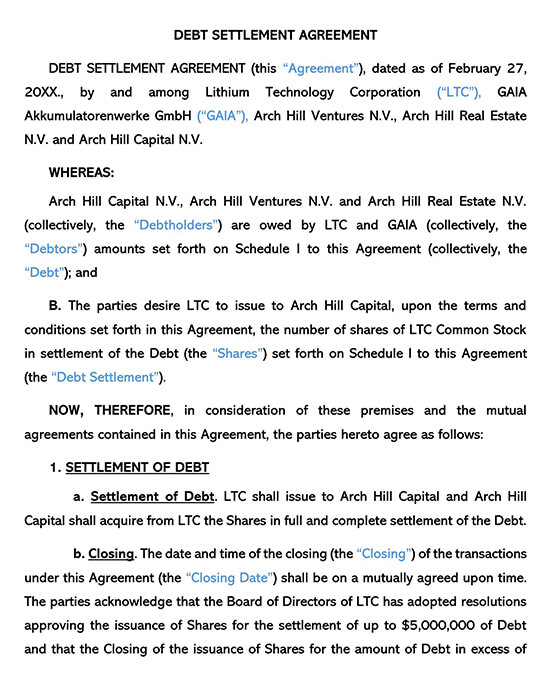
So, if you’re also finding ways to control your business expenses, you’re in the right place. In this blog, we will look at what an equipment lease is and who takes one. It will also explain how it plays out in everyday business, when it makes more sense than buying outright. It will also help you understand what makes a lease template practical and easy to use. It also includes some ready-made template options you can check out on Word Templates Online.
What is an Equipment Lease?
One might wonder whether equipment leasing is just renting with a fancy name, but it isn’t. It is more formal than renting. A lease has defined terms and obligations which a simple rental agreement doesn’t.
So, an equipment lease is basically a contractual agreement in which a lessee gets the required equipment from a lessor for a specific duration in exchange for regular payments. However, throughout the rental period, the ownership of the equipment stays with the lessor.
The contract clearly explains the equipment specifications, payment method, period of usage, and whether the equipment will be maintained, insured, or damaged.
Who Uses Equipment Lease Agreements, and How Do They Work?
Businesses use equipment lease agreements when buying high-cost machinery isn’t practical. But it is important to note that it isn’t related to the size of the company. Anyone, or any business, small or large, can lease equipment.
Let’s say Monica and Lucas, owners of a newly opened cafe in LA called “LA Vibes,” are on a tight budget like any startup. They need to manage everything from kitchen equipment and refrigeration systems to waiter hiring. At the same time, they also have to focus on inventory and advertising to attract customers and boost sales.
Suppose they choose to buy the equipment and have no budget for inventory and advertising. It will directly influence sales. The second, better option for them is to lease kitchen equipment for the short term and spend smartly on advertising. It will also allow them to focus more on operational needs critical for growth.
Moreover, freelancers also lease equipment to handle short-term projects. For example, a freelance photographer can lease cinematic cameras for a new project and return them after project completion.
In many industries, such as the medical sector, logistics, manufacturing, etc, leasing is treated as a norm. Even big companies rely on leasing for expansion or a seasonal project.
How does equipment leasing work?
The entire process of equipment leasing is quite simple and straightforward. The first thing businesses need to identify is the type of equipment required to operate.
After identifying the required equipment, it’s recommended to conduct good research and find a leasing company that owns the needed machinery to apply for a lease.
Once the lease is approved, the lessor will hand over the equipment to the lessee. It is important that the lessee follow the terms of the lease and make regular payments throughout the leasing period.
After the lease period, the lessee can return the equipment, or renew the lease, or upgrade, or even buy it, depending on the agreement.
Types of Equipment Lease Agreements
You can’t expect all businesses to follow the same pattern; each has its own framework. Some might need equipment for a short period, while others might need it for extended periods. That’s why there are types and sub-types of equipment lease agreements.
Operating lease
Operating Lease is the closest to renting. It is a type of leasing in which you get access to equipment for a short term relative to the equipment’s life. The ownership resides with the lessor till the end of the term. However, after the rental period ends, the lessee can return the equipment or rent it again for further use.
This one usually works best for situations where you want flexibility, frequent upgrades, but also don’t want to worry about resale or losing money. Operating leases are often written as FMV (fair market value) leases, where you return, renew, or buy at market value.
Example:
A marketing startup, BlueWave, needs laptops and design systems in bulk. Buying them sounds fine, but the owner, Jackson Snoop, is concerned that software updates will slow them down in 2 years. The best option for Jackson is to sign an operating lease agreement to lease laptops and design systems. This way, his team can easily use the systems, return them, and move to newer models without worrying about resale or loss in value.
Operating leases are best for businesses that want flexibility with equipment that ages quickly.
Finance (capital) lease
Capital lease, also known as finance lease under ASC 842, is a long-term leasing agreement.
In this, the lessee is responsible for the risks and benefits of owning the equipment without legally owning it. This works best when you need machinery for its entire life. For example, if you wanna lease an X-ray machine for 7 years, but it has a life of 8 years.
In these types of agreements, you, as a lessee, typically pay most of the equipment value over the leasing term. These agreements also contain a purchase option at the end. Common finance-lease sub-types include a $1 buyout or a fixed-price purchase option at the end of the lease.
Example:
Let’s say a diagnostic lab, Alverno Laboratories, leases medical imaging equipment. These equipment will be used every day for years and doesn’t lose relevance quickly. In this case, a finance lease allows them to spread payments while still moving toward ownership.
Businesses usually choose this route when the equipment is expected to stay useful for most of its life.
Leasing Vs Buying (How to decide?)
Buying heavy machinery is no joke. It takes up a lot of time, effort, and money, so you should make that decision rationally. The best way to decide is to evaluate how long you need the equipment and how long it will last.
Leasing is preferred when:
- You need flexibility, which may require equipment upgrades. Or when you might stop using the equipment after project completion.
- You want controlled budgeting and a lower upfront cost.
- The equipment you need loses market value quickly.
Buying is a better option for you if:
- You plan to use the machine for years.
- You want full ownership of the equipment.
- You have a hefty budget.
- You are ready to handle repairs and downtime.
For example, if a manufacturing unit uses the same machinery every day for ten years, it may benefit from ownership. But for a startup or growing business, spending heavily can limit future moves, so leasing is a better option.
Businesses don’t need to choose leasing or buying forever. You can switch based on timing, growth, and circumstances.
What a good Equipment Lease Template Contain?
An equipment leasing template is more than just paperwork. It sets terms, expectations, and limits to ensure a smooth leasing process. A reliable standard template usually covers these core areas;
Clear identification of parties and equipment
A good equipment lease template usually starts by clearly stating what is being leased, who owns it, and who will use it.
Some templates even include detailed equipment descriptions, such as serial numbers, model details, and specs, to avoid any confusion later.
Defined lease term and termination rules
A formal template must state lease terms and termination rules. It includes the lease start date, duration, and end date.
Some templates also explain situations like what will happen if the lease ends early. In most cases, lessee can be held responsible for remaining payments even with an early termination notice. Others convert into month-to-month arrangements. This section sets expectations around commitment and financial planning.
Payment structure
The third most important aspect of a well-drafted equipment lease template is the payment structure. It is added to clearly list the payment amount, payment frequency, due dates, and late payment consequences to avoid confusion.
Some detailed templates also add interest rates on overdue or late fees. It helps prevent delays in payments.
A good template doesn’t have vague phrases like “reasonable time” or “as agreed later.” Everything related to money should be written plainly.
Ownership and use rights
Another important section of an equipment lease is ownership and use rights. Lessor can use this section to clearly state that ownership lies with the lessor: the lessee gains only usage rights. It also clear that no ownership or partnership is built over time unless stated otherwise.
This part puts limits on how the equipment can be used. Lessor can prohibit unauthorized users from using leased equipment.
Maintenance, repairs, responsibilities
A template should state who will handle routine maintenance, who will pay for repairs, and what daily responsibilities will be.
Who will handle maintenance responsibility mainly depends on the leasing companies. Some rest it on the lessor, some shift it to the lessee. But it’s better to write it down as it prevents the chances of arguments later.
Insurance and risk coverage
Insurance is one of the most important sections of any deal. Your agreement must specify whether insurance is required, the person responsible for it, and what will happen if the equipment is damaged, lost, or destroyed. It protects both parties from unexpected financial burden.
Legal protections
Make sure your agreement includes a few legal protections, such as an ownership clause, warranties and disclaimers, a default and remedies clause, indemnity and liability clauses, governing law and dispute resolution, and a notices clause.
Return conditions at lease end
A good template gives a clear overview of when the equipment will be returned, where it should be returned, in what condition, and who will pay return costs.
Some templates also include late return penalties. This prevents equipment from being held longer than agreed and protects its resale or reuse value.
Reviewing Equipment Lease Templates
Equipment Lease Agreement Template 01
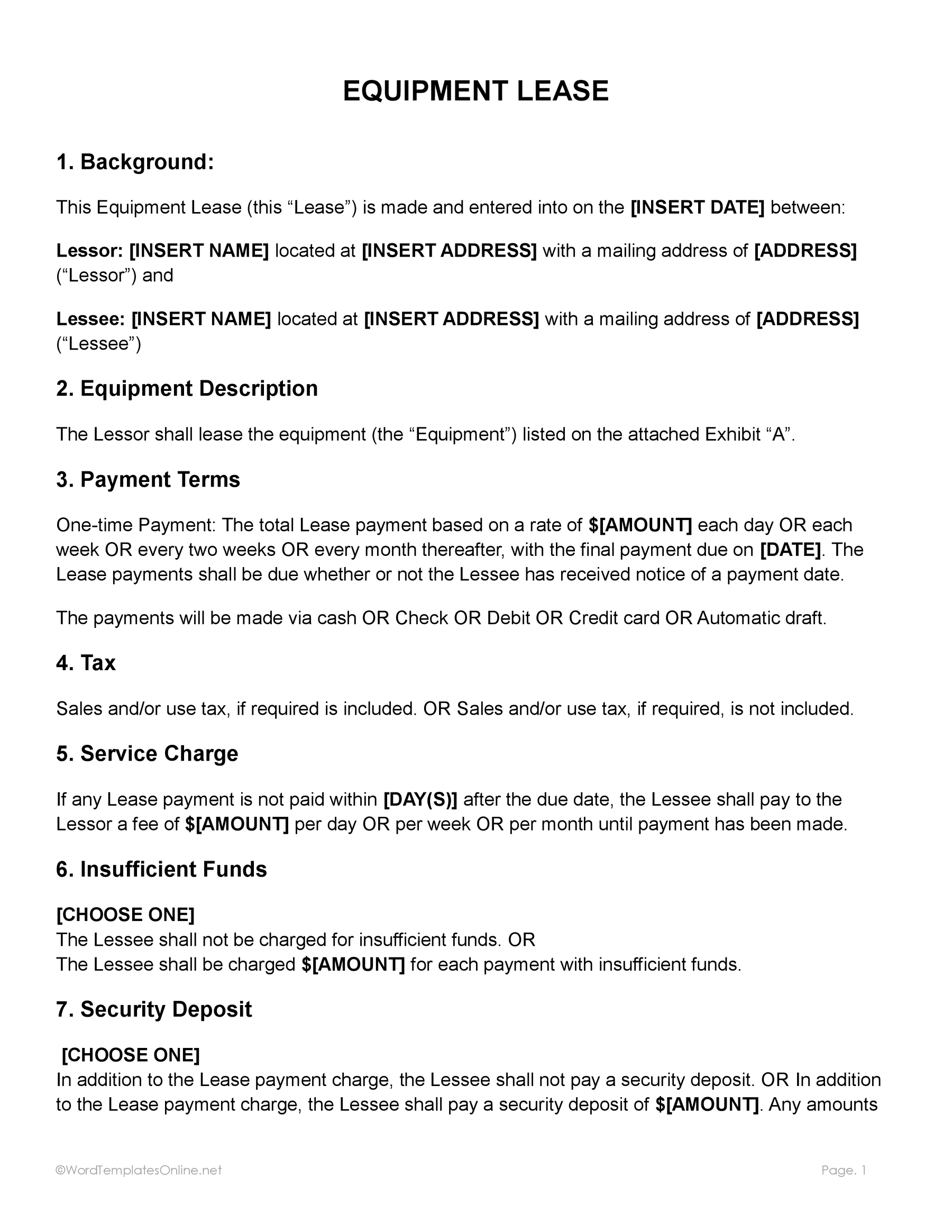
This template is a flexible, general-purpose equipment lease template best suited for everyday equipment deals (small-business or individual) equipment rentals. It covers payments, use rules, insurance, default, and end-of-term options.
What makes this template stand out is its options for payment frequency, method, taxes, deposit, and fixed-term vs notice-based terms. It also mentions dispute resolution options, such as mediation and arbitration.


Equipment Lease Agreement Template 02
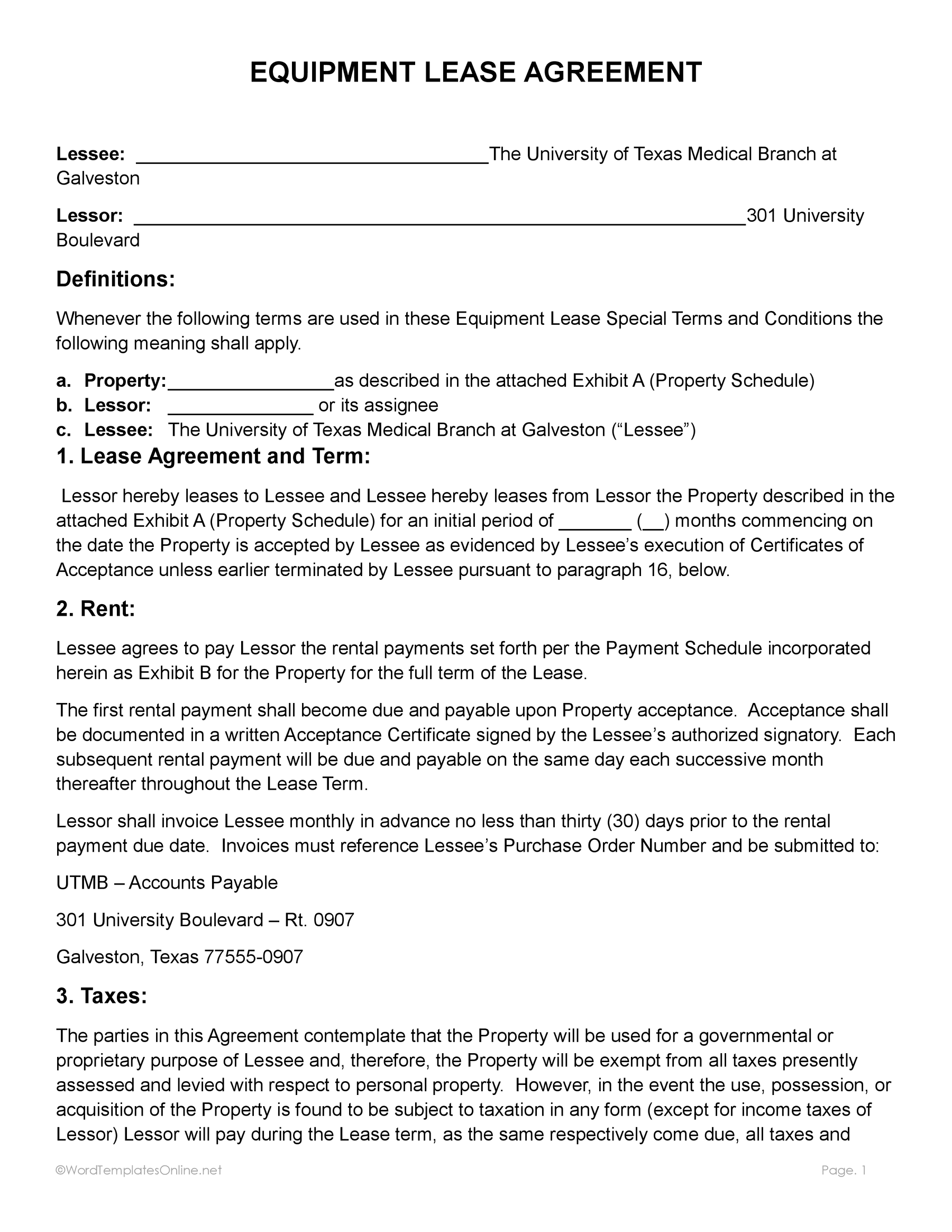
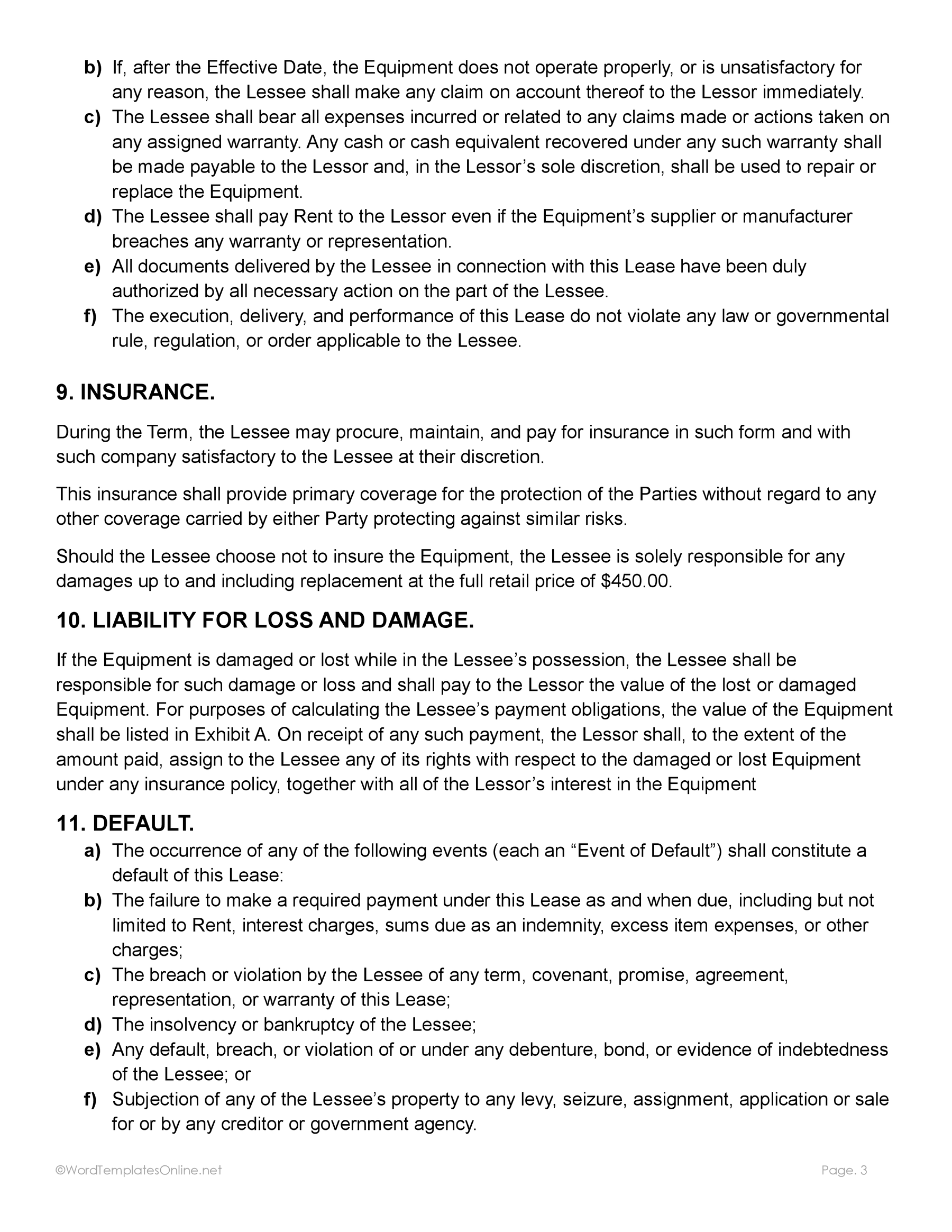
This template is for the University of Texas Medical Branch leasing. It is tailored for formal procurement, with the lease term starting after formal acceptance via an acceptance certificate.
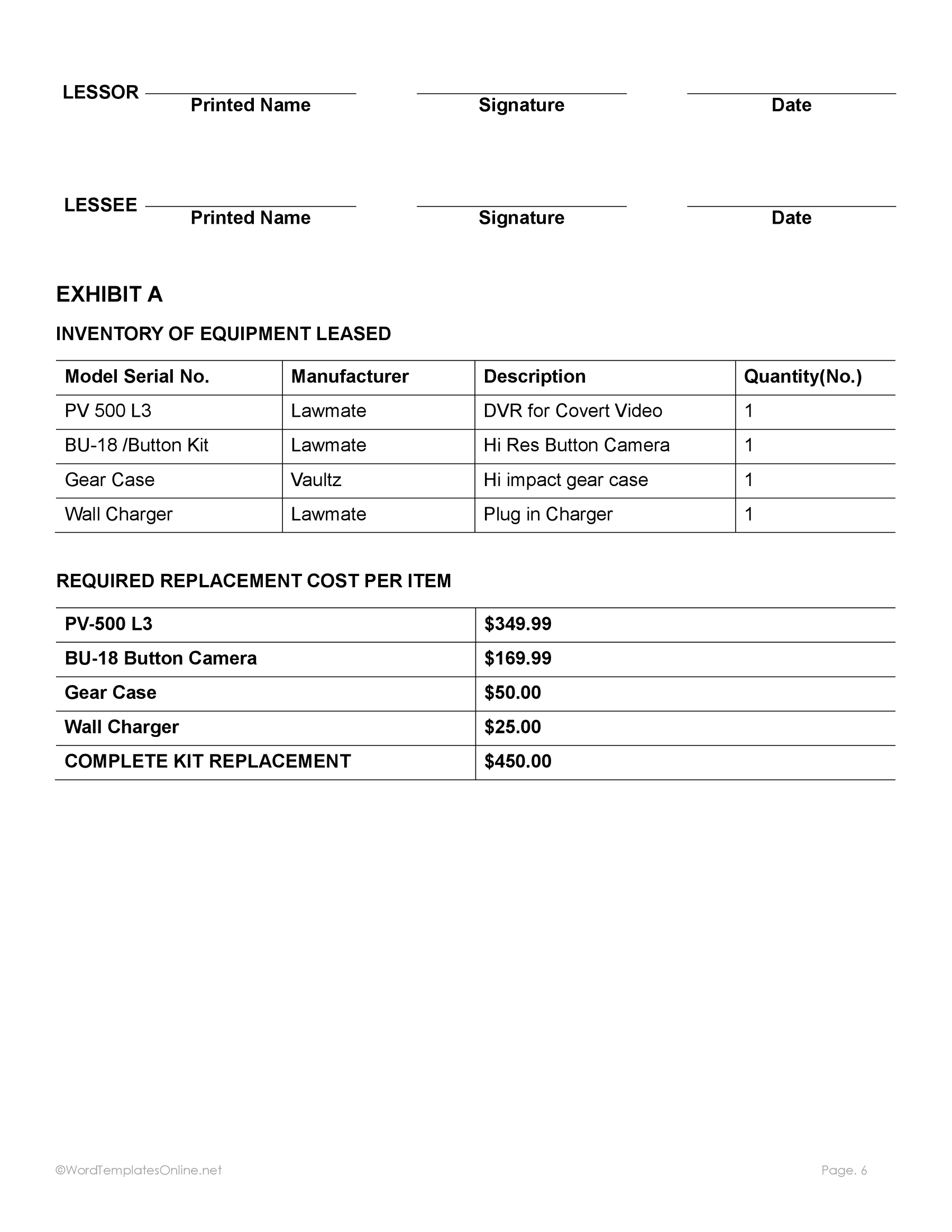
It establishes a clear insurance standard, with 100% replacement value tied to Exhibit A. This means that in case of damage to the leased equipment, the lessee’s insurance coverage must equal the full cost to replace the equipment.
As these templates are customizable, you can also use them as examples for general university-style equipment leases at other schools and public entities.


Equipment Lease Agreement Template 03
This template is designed for leasing university-owned equipment to a lessee and is modeled on the University of Nebraska.
It has separate exhibits for the equipment list and payment schedule, which makes the whole leasing process trackable. It includes a strong risk-and-insurance framework (including liability coverage language and additional insured requirements).
Another essential point is that it clearly registers that the lessee cannot claim ownership of the equipment.
This template is editable and can be used for other universities by updating the institution name, addresses, and exhibit details.


Equipment Lease Agreement Template 04
This template is designed for short-term rentals where you don’t need complex agreements, such as temporary projects.
What makes this template unique is its quick deal structure. It protects the owner by including a short lease term, upfront rent, and a deposit hold approach.




Equipment Lease Agreement Template 05
This template is best suited for lessors who are particular about equipment usage, operations, and enforcement.
It includes operational details that most agreements don’t, such as substitute equipment logic and an authorized operator concept.


Equipment Lease Agreement Template 06
This template uses a checkbox layout, which makes it quite user-friendly. Just select the core settings and generate a lease according to the deal.
Other than that, it has a clear purchase section that lets you purchase the leased equipment without switching to a separate document.


Common Mistakes to Avoid When Using Lease Templates
- Take a complete overview of the total cost, including interest, insurance, maintenance responsibilities, and any end-of-lease charges, as the lessee usually ends up ignoring hidden fees and add-on costs.
- Avoid using vague or incomplete terms in your agreement, particularly those related to payment cost or schedule.
- Don’t alter equipment without the lessor’s written permission, as it can lead to penalties or create return-condition disputes.
- Leasing machinery that is not suited to the actual workload is a costly mistake, even if the contract is perfect.
- Avoid rushed leasing as it can lead to rushed acceptance, missed delivery requirements, and delays caused by site conditions or lack of operator training.
- Don’t choose a lessor based only on price. It is also necessary to check support, service capacity, response time, and industry review.
- Never rely on any verbal commitments. If it’s not written into the agreement, you may have no practical way to enforce it later.
Frequently Asked Questions
Risk of loss means who will be held financially responsible if the leased item is lost, stolen, or damaged during the leasing duration. Many leasing companies shift the risk of loss to the lessee. The lessee may still owe lessor payments even if something happens to the equipment. Lessor can also ask lesse to provide the replacement amount in case the equipment is damaged. That’s why the lessee must have insurance to cover the damage.
Early termination can be costly in equipment leasing. Usually, agreements deal with early termination in three ways.
1. Pay some or all remaining payments
2. Return equipment under strict return conditions
3. Pay extra early termination charges
It’s crucial to go through the whole agreement carefully to find any such clause before signing.
People often miss fees beyond the rate, which include charges like documentation, origination, admin fees, and UCC-1 filing (for business equipment leases).
Another thing lessees miss is checking the total cost, including buyout terms, in writing, as they focus only on the monthly payment amount.
Best practice is to ask for a written breakdown of all fees and the total amount paid over the term to avoid confusion.
About This Article