When you put a deposit on a car, you’re usually expecting the seller to hold it while you arrange financing, inspect the vehicle, or finish the purchase. But what happens to that money if the sale doesn’t go ahead? That’s something worth settling before you pay.
An automobile deposit agreement records the conditions attached to the payment. A vehicle deposit receipt confirms the payment, but it can contain conditions too. The two templates in this collection serve different purposes.
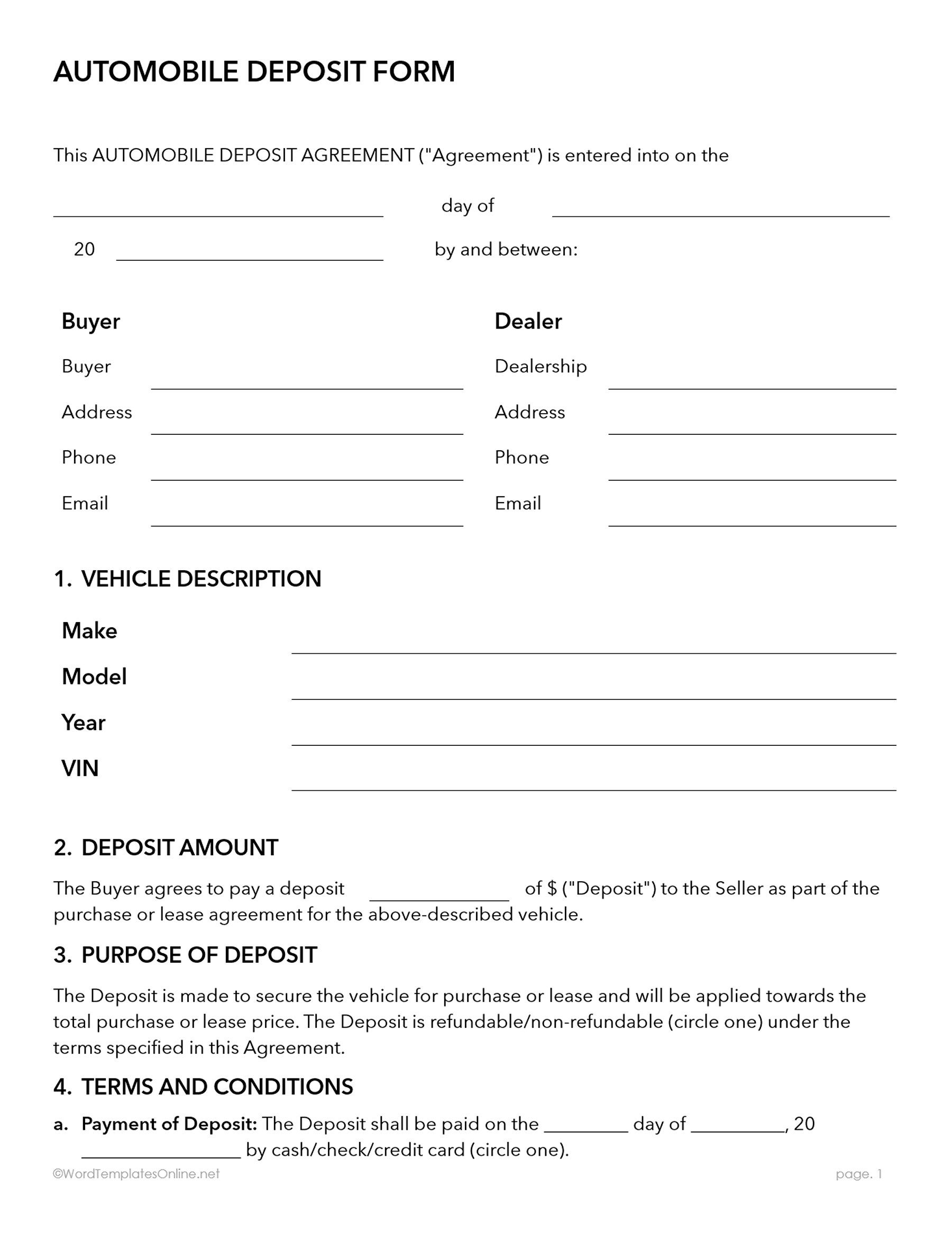
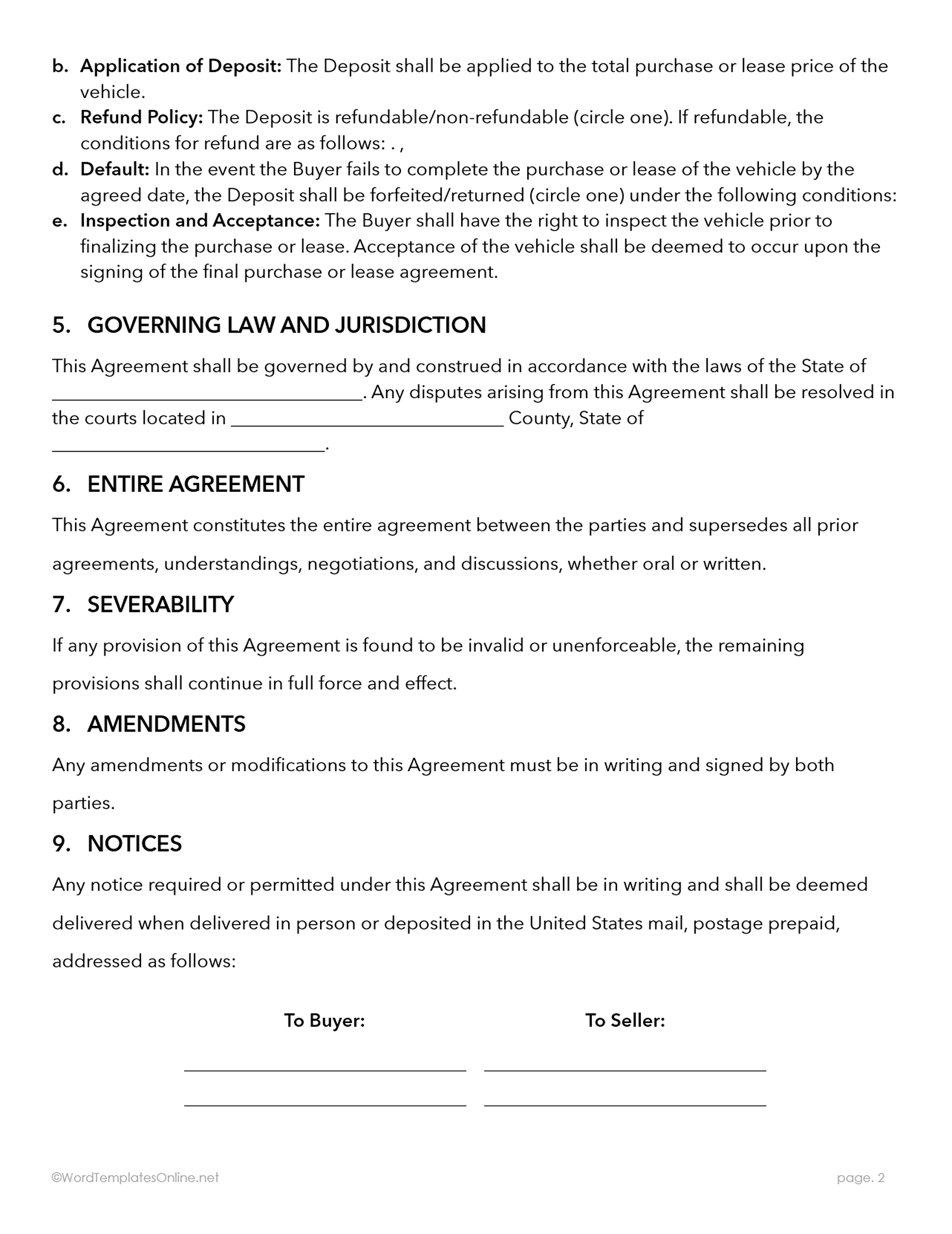
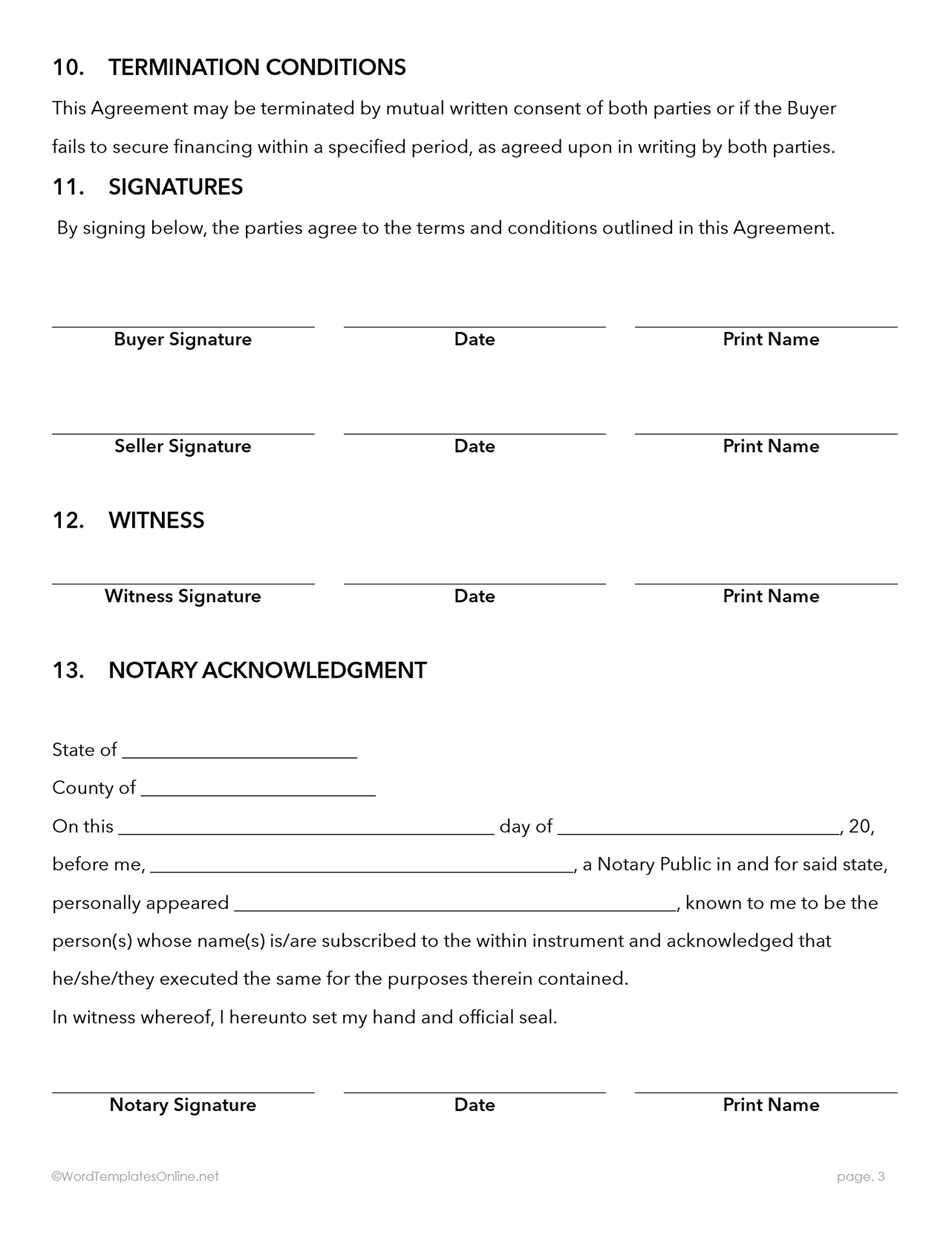
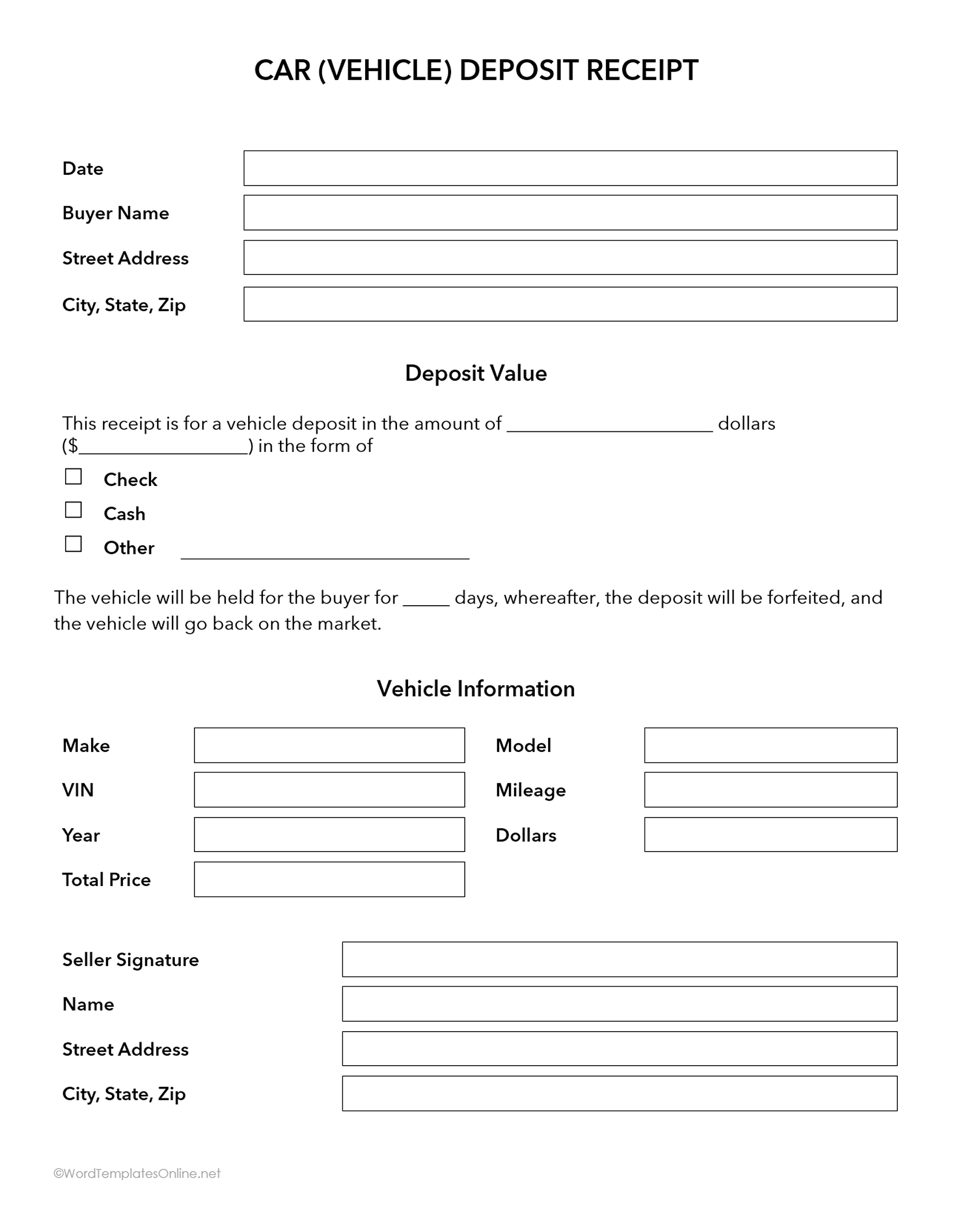
The three-page agreement includes refund choices, inspection terms, financing provisions, and signatures. The one-page receipt records the payment and vehicle details. It also contains a condition stating that the deposit will be forfeited after the specified holding period.
Both templates are available in Microsoft Word (DOTX), OpenDocument (ODT), and linked Google Docs formats. Before using either document, read its terms carefully. The wording printed in a template doesn’t establish what is legally enforceable in every state.
Auto mobile deposit Form 01
Auto mobile deposit Form 02
What happens to the deposit if the purchase falls through?
Whether you’ll get a car deposit back depends on the agreed conditions and applicable law. It isn’t enough to rely on the word refundable or nonrefundable without understanding when that condition applies.
The automobile deposit agreement lets the buyer and seller select whether the deposit is refundable or nonrefundable. It also leaves space to describe the refund conditions. Another provision addresses what happens when the buyer fails to complete the purchase or lease by the agreed date. There, the parties can choose whether the deposit will be forfeited or returned.
Those choices need to agree with one another. For instance, a buyer might select “refundable” but leave the conditions blank. If the purchase later falls through, the document may not explain whether the deposit should be returned in that particular situation.
A better approach is to discuss the circumstances that could prevent the sale from going ahead and record what both parties have agreed will happen. Financing and vehicle inspections are two situations worth considering.
What if financing isn’t approved?
The agreement contains a provision allowing termination if the buyer cannot secure financing within a specified period agreed upon in writing. It also allows the parties to end the agreement by mutual written consent.
But terminating the agreement doesn’t automatically mean the deposit must be returned. The financing provision doesn’t independently say that the buyer receives a refund. That question needs to be addressed in the refund and default terms.
Imagine a buyer paying a deposit to reserve a used SUV while waiting for a financing decision. This is a fictional example.
If the lender declines the application, the buyer may be able to end the agreement under its financing provision if the agreed conditions are met. Whether the buyer also gets the deposit back is a separate matter. The parties should establish that treatment in writing rather than leave it to interpretation after the financing decision arrives.
An inspection can raise a similar question. The agreement gives the buyer the right to inspect the vehicle before finalizing the purchase or lease. It also states that acceptance occurs when the final purchase or lease agreement is signed.
That provision doesn’t separately promise a refund if an inspection reveals a problem or the buyer decides not to proceed. If the deposit is intended to depend on the inspection outcome, the parties should address that condition before payment.
The car deposit receipt has different wording. It states that the vehicle will be held for a specified number of days. Once that period expires, the printed clause says the deposit will be forfeited and the vehicle will go back on the market.
This makes the receipt more than a record of money received. Someone looking for a simple payment acknowledgment could easily overlook the additional condition. Unlike the agreement, the receipt doesn’t separately provide a financing exception or a refundable/nonrefundable choice.
Before using it, check whether its forfeiture language reflects what the buyer and seller actually intend to agree upon. The printed clause alone doesn’t settle whether forfeiture would be enforceable under the law that applies to the transaction.
The Georgia Attorney General’s ConsumerEd guidance about a dealer refusing to refund a deposit recommends putting the deposit’s purpose and refund conditions in writing before paying. That response addresses a Georgia consumer’s situation. It isn’t a nationwide rule about deposit refunds.
For dealership purchases, the Federal Trade Commission’s used-car buying guidance recommends getting the dealer’s return policy in writing. The FTC also explains that federal law doesn’t generally provide a three-day cancellation right for vehicle purchases from dealers. That discussion concerns dealer sales and shouldn’t be treated as a rule deciding every deposit dispute.
The main point for someone preparing these forms is straightforward: the paperwork should reflect the conditions the parties have agreed upon, including what happens if the purchase doesn’t proceed.
What exactly is the deposit holding, and for how long?
A vehicle deposit may be used to reserve a particular car while the buyer makes the remaining arrangements. How long the seller agrees to hold the vehicle is one question. What happens to the deposit when that period ends is another.
The automobile deposit agreement states that the money is intended to secure the vehicle for purchase or lease. It also says the deposit will be applied toward the total purchase or lease price.
Its default provision refers to an agreed date for completing the transaction. The parties need to establish that date and the conditions attached to it.
The vehicle deposit receipt uses a holding period expressed in days. Its printed terms connect the end of that period with forfeiture of the deposit and the vehicle being returned to the market.
The receipt also records the vehicle’s total price. However, it doesn’t separately state that the deposit will be credited toward that price in the same way the agreement does.
That’s an important detail if you’re expecting the amount you’ve already paid to reduce the remaining purchase price. Confirm how the deposit will be treated if the transaction is completed rather than assuming the receipt answers that question.
The holding period deserves careful attention as well. The buyer should know when it starts and when the reservation ends. If financing or an inspection is still pending near the deadline, the parties may need to discuss whether the seller is willing to hold the vehicle longer.
Think back to the buyer waiting for financing. Suppose the agreed holding period is about to expire, but the lender hasn’t made a decision.
The agreement’s financing provision doesn’t necessarily extend the reservation. Likewise, a seller’s willingness to hold the vehicle longer doesn’t automatically establish new refund conditions.
If the parties agree to change the deadline, they should record the new terms. An extension discussed over the phone may be remembered differently later, particularly if the deposit and the vehicle’s availability are both involved.
There’s no fixed deposit amount or holding period established by these templates. What matters is identifying the actual arrangement and making sure the reservation deadline fits the agreed payment and cancellation conditions.
Make the form identify the vehicle and the payment
Even when the deposit terms are understood, the document still needs to identify the right vehicle and transaction. Otherwise, the parties could end up with a signed form that doesn’t clearly show what the money was paid toward.
Start with the buyer and seller or dealership information. Use their correct names and relevant contact details.
The vehicle description should match the car involved in the transaction. Both templates include spaces for its make, model, year, and vehicle identification number (VIN).
The VIN is especially helpful when a seller has several similar vehicles. Two cars may share a model and year, but their VINs identify them individually. Check the number against the actual vehicle information rather than relying on a description such as “white SUV.”
Record the deposit amount accurately and check the payment date and method. These details should match the payment record the parties have.
The two templates handle some of this information differently.
The automobile deposit agreement contains buyer and dealer contact fields, payment terms, and buyer and seller signature areas. It also includes contractual provisions covering notices, governing state and county, and changes to the agreement.
The vehicle deposit receipt uses a shorter arrangement. It includes the buyer’s address, vehicle mileage, and deposit amount in words and figures. It also provides payment-method choices and an area for the seller’s name and signature.
If you use both documents for the same transaction, compare their contents before signing. The vehicle description and deposit amount should match. More importantly, the refund terms shouldn’t conflict with the receipt’s printed forfeiture condition.
For example, an agreement might describe circumstances in which the buyer receives a refund, while the receipt contains a broader forfeiture statement. Having both documents doesn’t automatically resolve which condition applies. The parties need to address that difference.
The agreement also contains witness and notary acknowledgment areas. Their presence doesn’t establish that witnessing or notarization is required for every car deposit transaction. Requirements depend on the applicable law and circumstances.
Once the information and terms have been agreed upon, prepare a working copy of the appropriate template. Replace the sample details and complete the relevant choices rather than leaving important conditions unanswered.
Both supplied designs use US Letter page dimensions. The agreement has three designed pages, while the receipt has one. Review your completed copy before printing or sharing it. Longer names or additional wording may affect how the pages appear after editing.
For a different type of payment, our deposit receipt templates cover other situations. The automobile forms here are specifically concerned with a vehicle deposit and the conditions attached to it.
Before handing over the money, read the completed terms rather than relying on an earlier conversation about them. Keep a copy of the signed document and the payment record. If the parties later agree to change the holding period or another condition, retain that written change too.
These deposit forms don’t replace the final purchase or lease paperwork or the documents needed to transfer vehicle ownership.
A useful deposit record should make it clear which car was reserved, what amount was paid, and what the parties agreed would happen if the purchase didn’t go ahead.
About This Article