
A story outline template is a structured document used by writers to outline the key components of a story before beginning to write.
It helps writers transform their ideas into compelling and engaging stories for novels, screenplays, etc.
Templates are important because they add efficiency, consistency, and creativity in the writing process. They allow writers to focus on originality while sticking to proven storyline structures, thereby eliminating guesswork and saving time. Additionally, they help writers maintain a logical flow throughout a story. This article aims to present different story outline frameworks that writers can apply immediately to produce compelling and quality stories.
Core Components of a Story Outline Template
An effective story line template has key components that make sure a story has a logical flow while still maintaining clarity and depth. The components are:
Narrative arc
This is the broad structure of the story, i.e., the beginning, middle, climax, and the end. Your story should have a clear arc to maintain balance and to make sure that you build tension and pacing naturally towards the end.
Scene breakdown
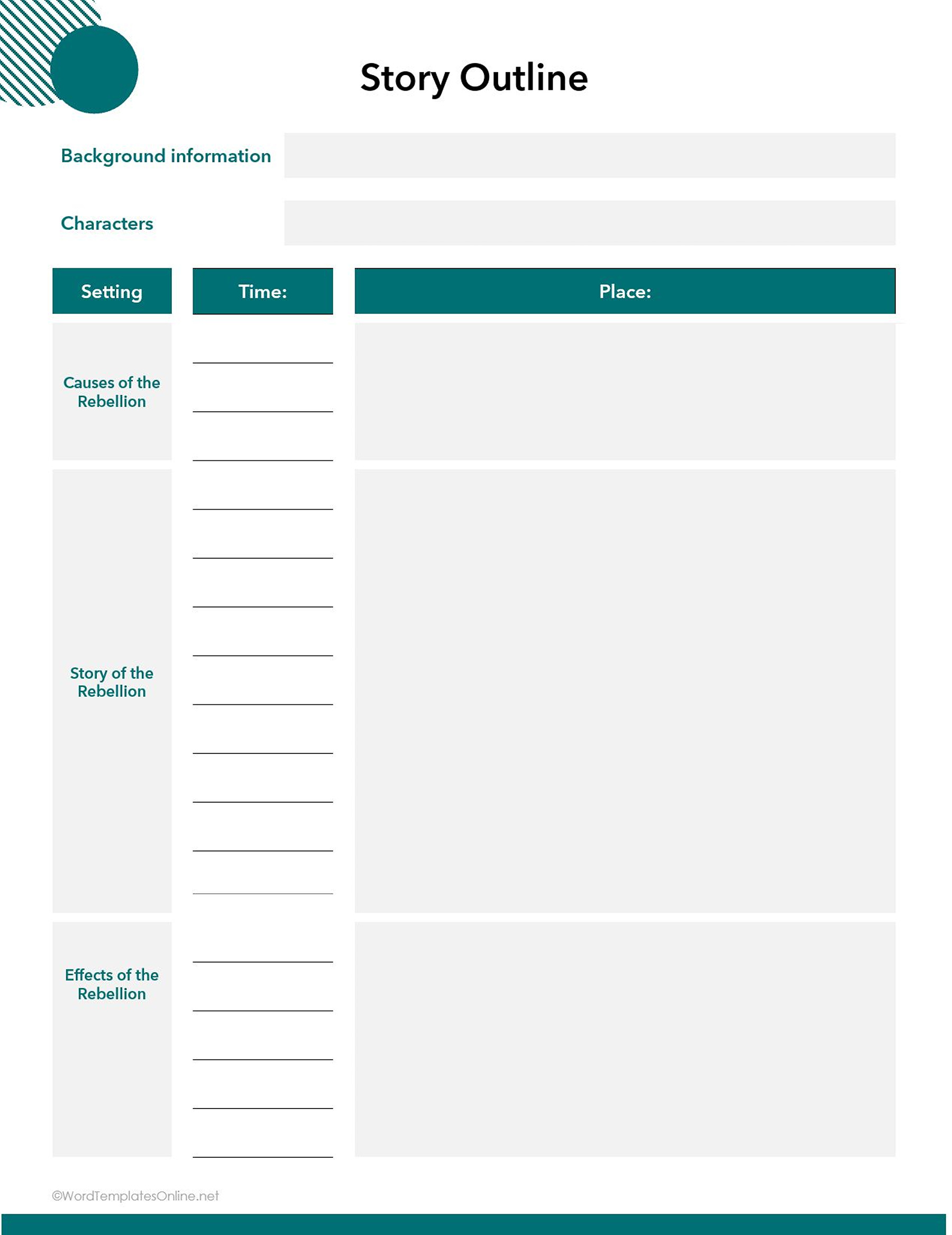
This is where events are organized by scene or chapter. Doing this will help you map where and when key developments happen. It also makes it easier to maintain a natural, continuous flow and avoid plot gaps.
Character development tracking
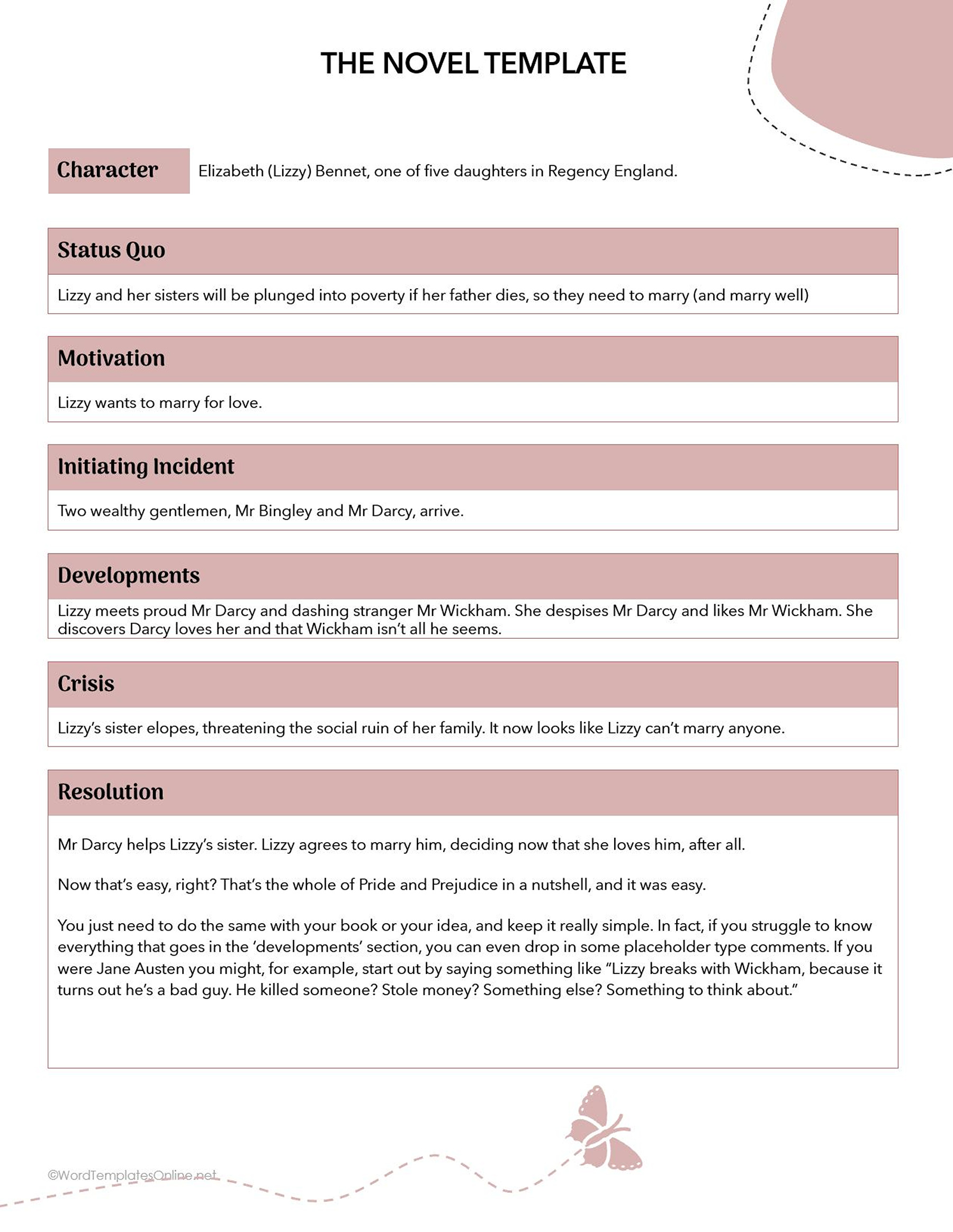
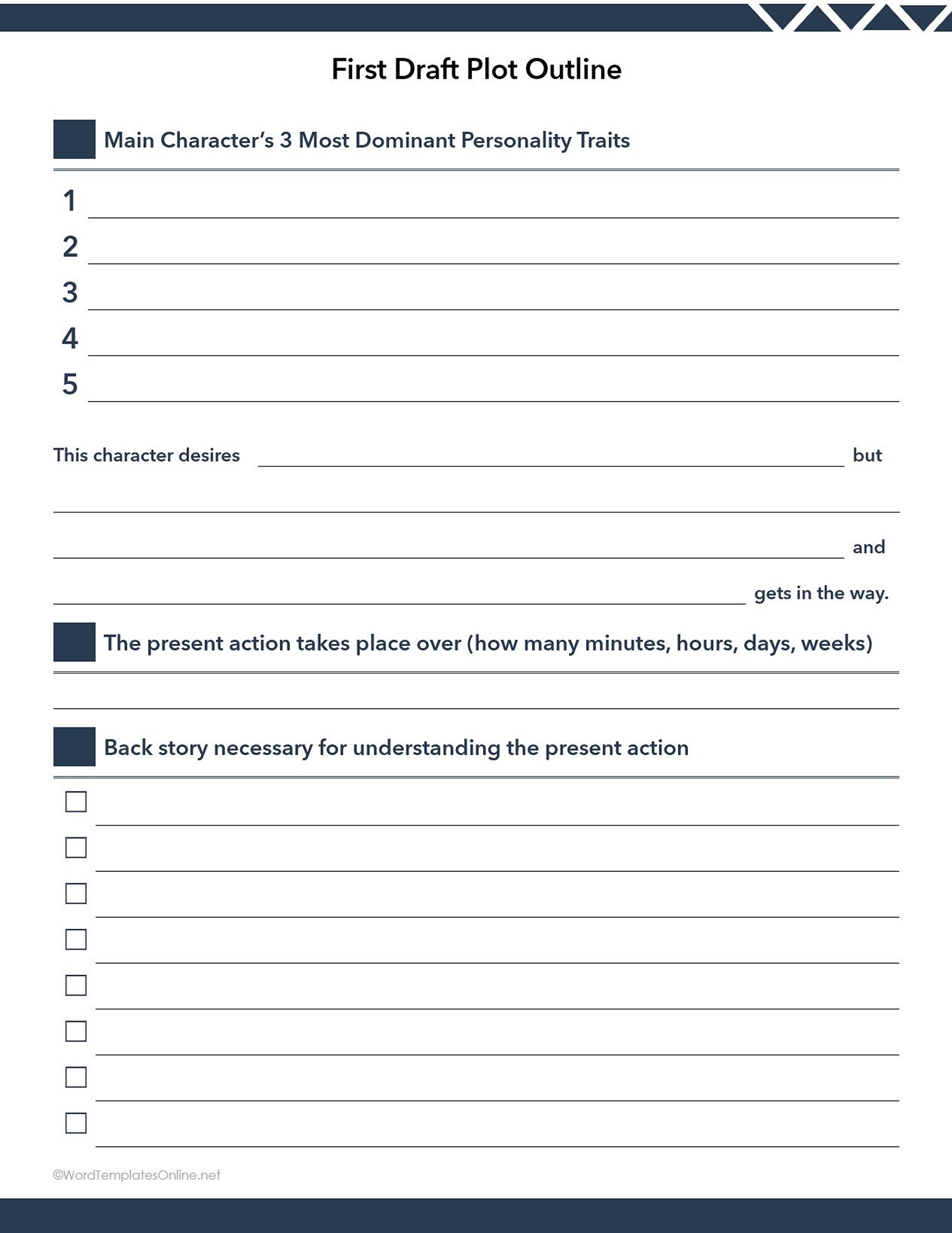
Your story outline should account for character arcs, motivations, and relationships. Track how the characters develop throughout the story to give consistency, especially when dealing with long stories.
Plot points and milestones
Important events such as turning points, inciting incidents, climax, and resolutions are milestones that mark your story’s progression. Identify them early to get a roadmap for building tension and delivering impactful conclusions.
Theme and conflict mapping
Themes and conflicts will guide your story’s deeper meaning. Map them alongside the plot to make sure your story remains cohesive and that character behaviors match the theme of the story.
Technical Features of the Provided Templates
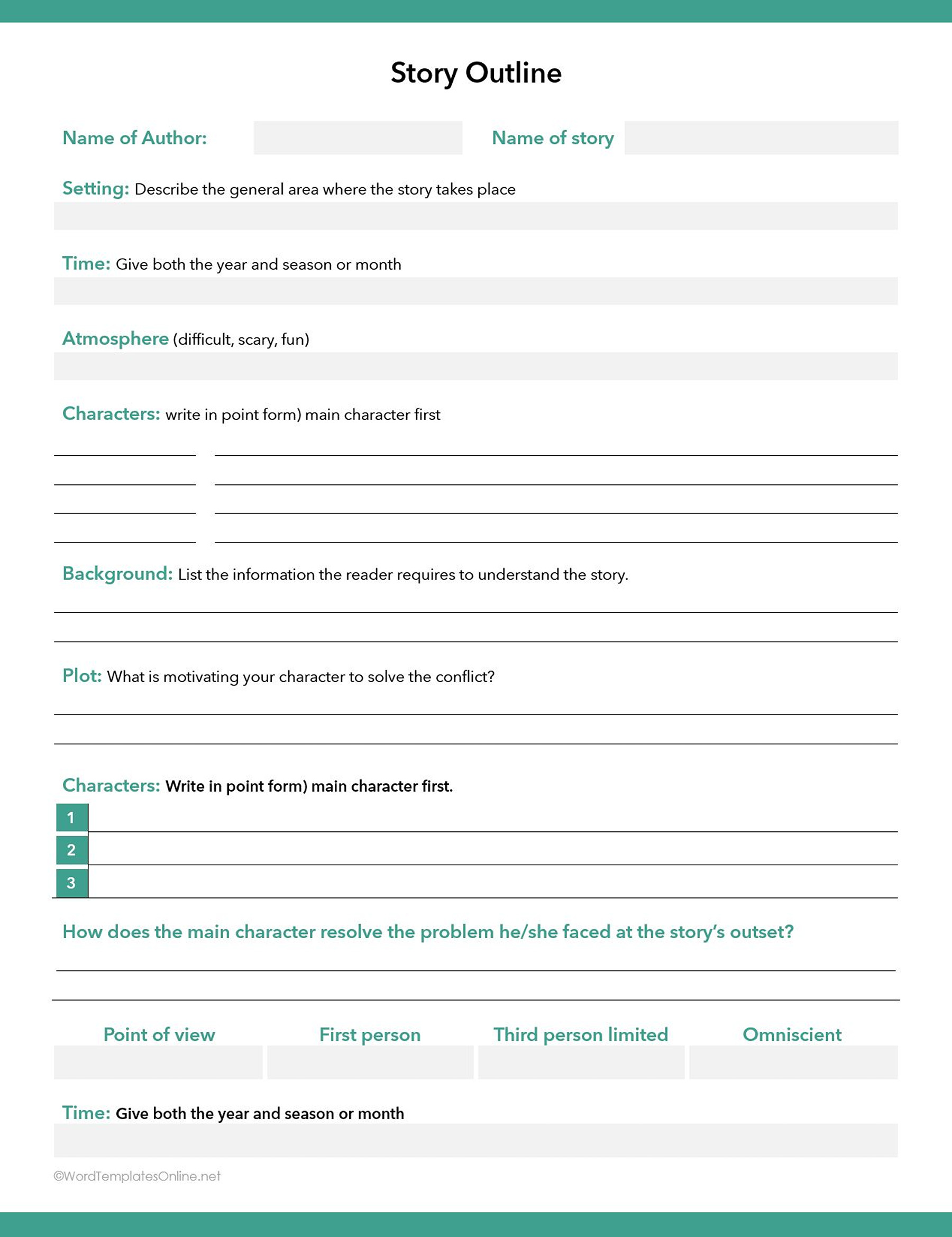
- Preset headings and section prompts: Our templates feature standardized headings and section prompts that guide you, ensuring your story maintains a consistent flow while also helping you avoid overlooking any details.
- Editable fields: The templates have placeholders for themes, character names, and plot points that you can easily customize to fit your story while still maintaining a good structure.
- Visual aids: They also have tables, charts, and step indicators for clear visual organization. This will enable you to track progress and maintain clarity, especially when handling complex stories.
- Compatibility: Our templates are also available in .dotx format, allowing you to use them across multiple projects without needing to modify the original file. You can also create new story outlines without changing the master copy.
- Export flexibility: You can also convert the document into a .docx format for sharing and printing.
Choosing the Correct Story Outline Template
Before choosing a template, consider if it fits the story outline you are working on first. Below are some considerations you might want to look at:
Based on the medium
Different storytelling mediums require different templates. For example, novels will suit chapter-based templates, screenplays will require visual cues and scene-by-scene plays, while business case studies will benefit from clarity, logical progression as opposed to dramatic tension, and evidence.
Based on workflow preference
Depending on the story you are working on, you can choose a template for either a detailed or minimal structure. A detailed structure breaks down every plot point and character arc, while a minimal structure has room for flexibility.
Based on project size and complexity
When working on a short story, you may only need a streamlined outline. However, multiple series of stories require strong fra
Story Outline Template-01
Story Outline Template-02
Story Outline Template-03
Story Outline Template-04

Story Outline Template-05
Story Outline Template-06
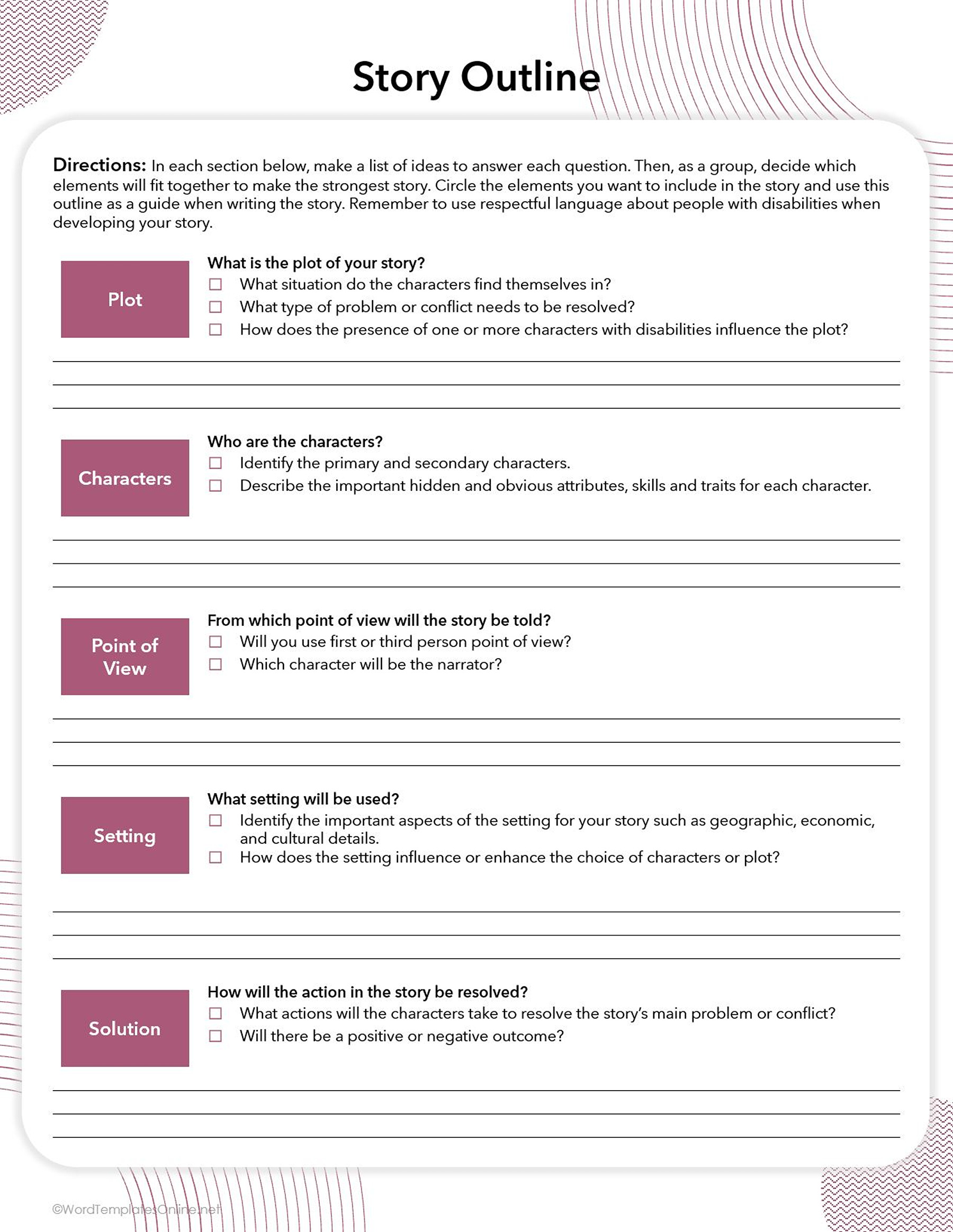
Story Outline Template-07
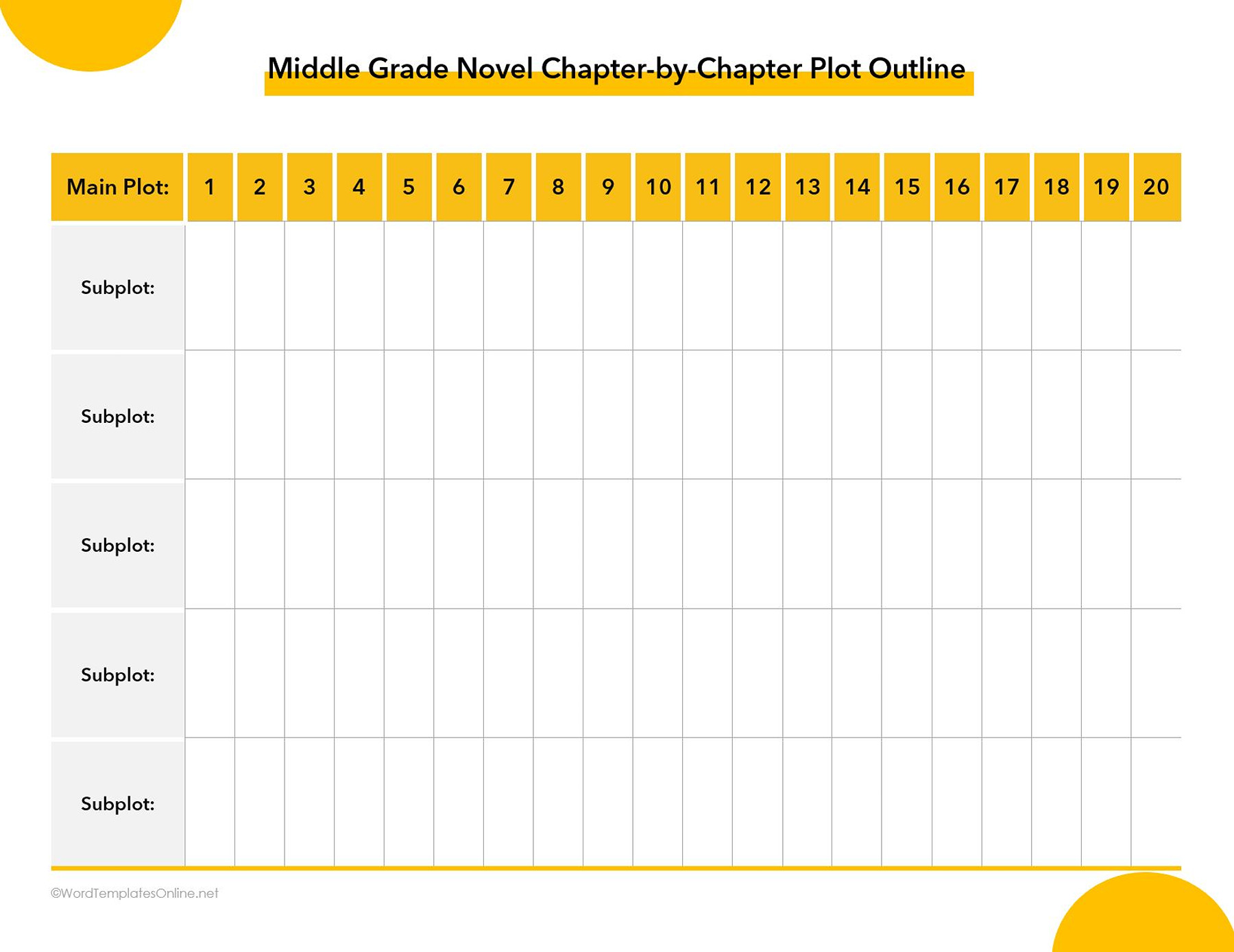
Story Outline Template-08
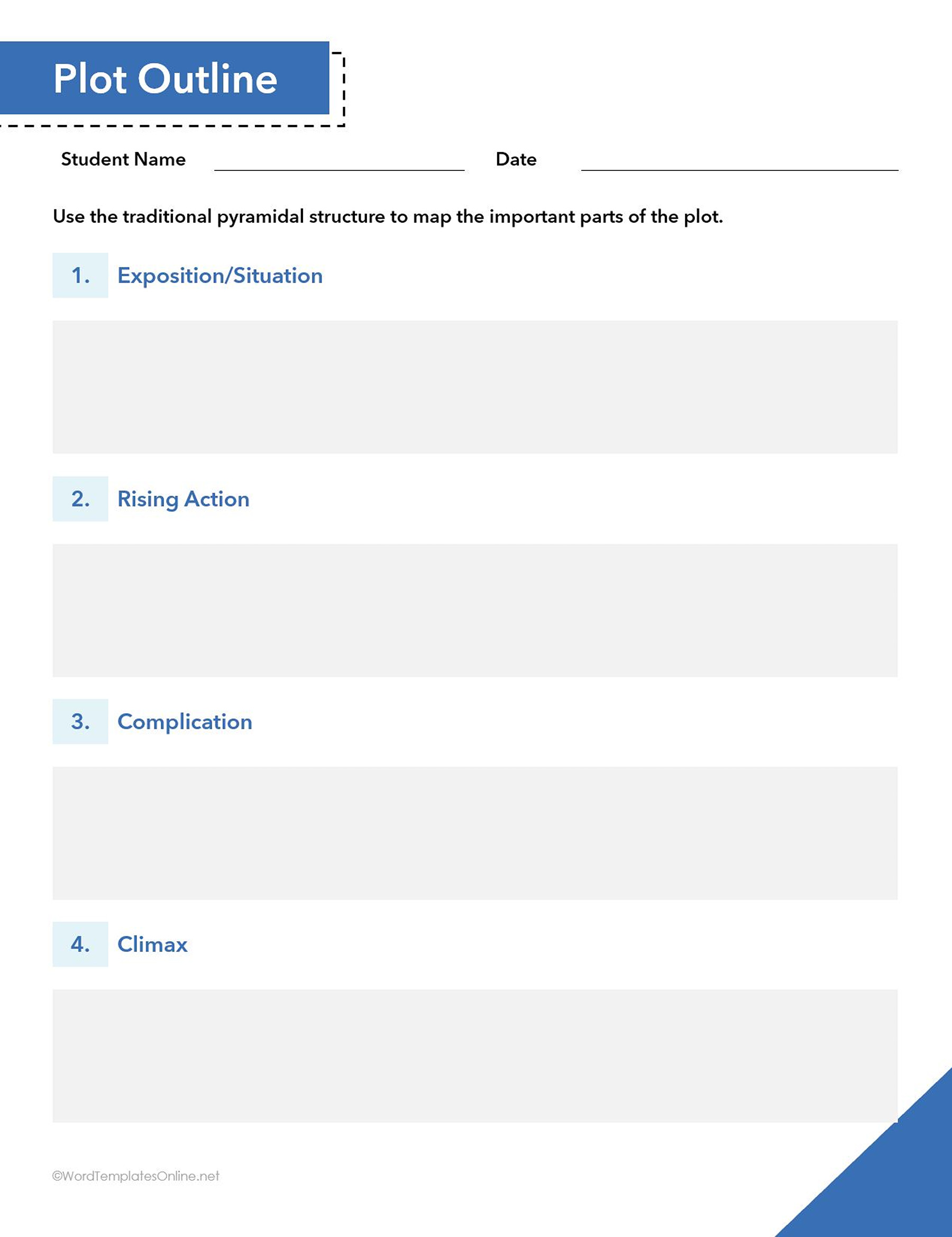
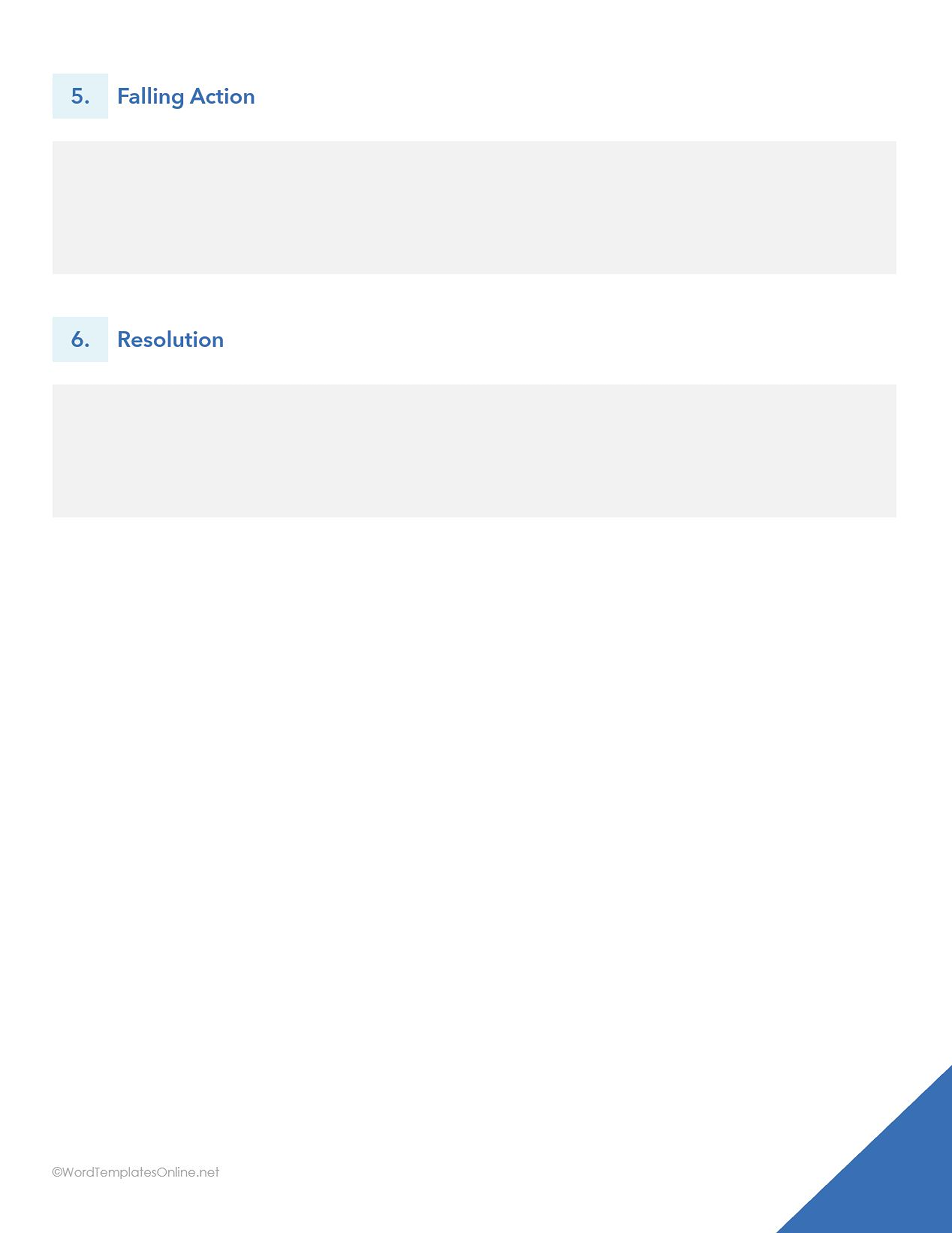
Story Outline Template-09
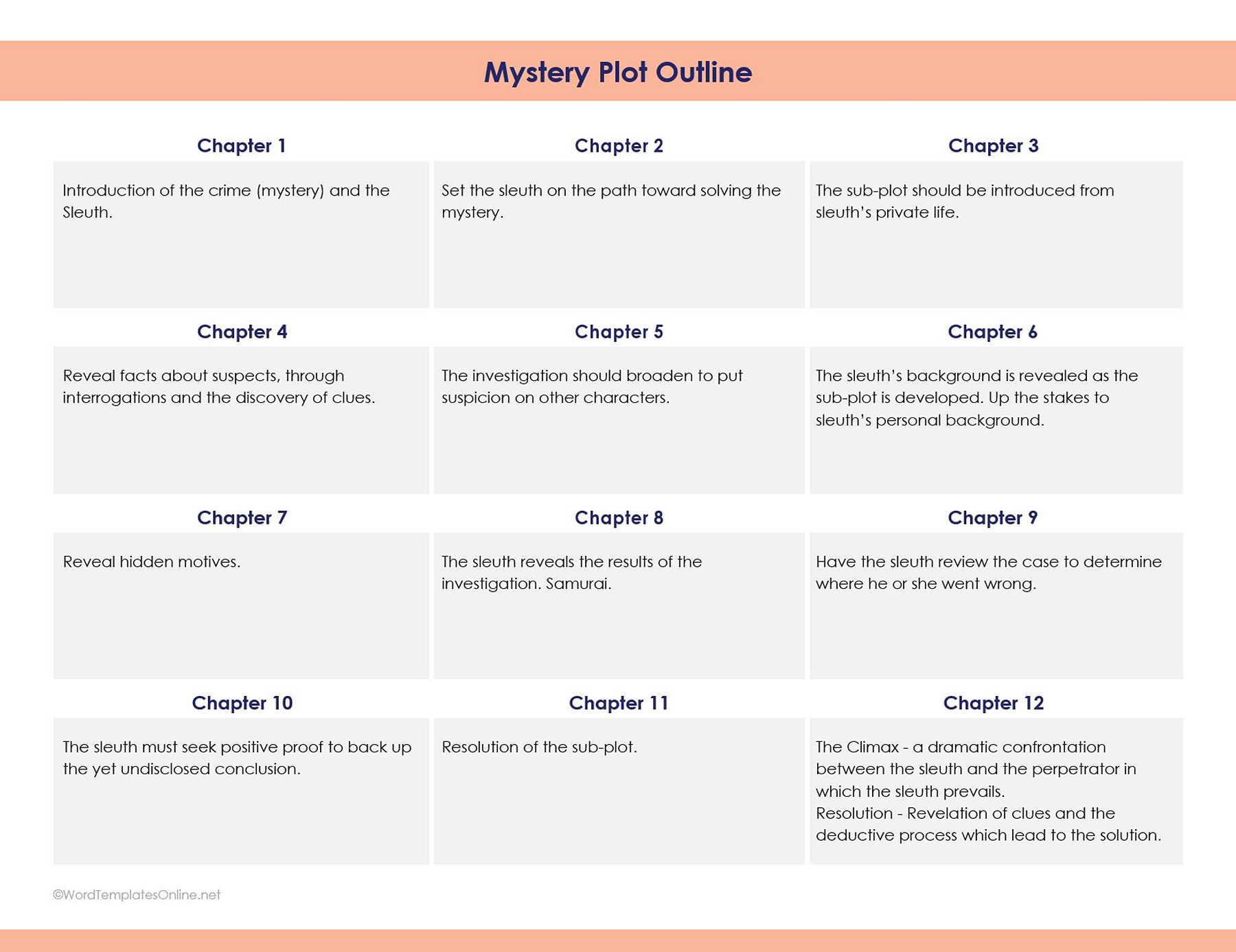
Story Outline Template-10
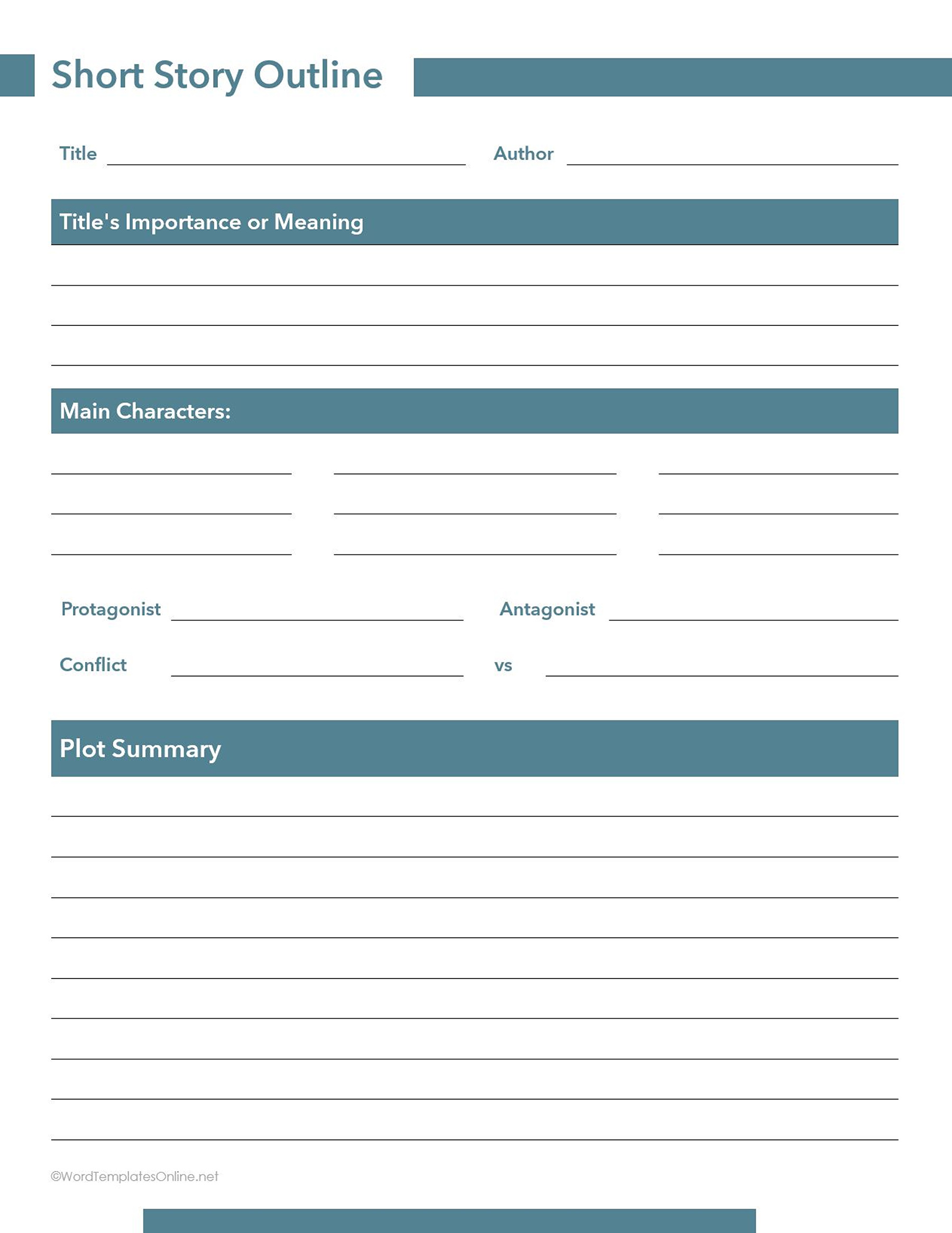
Example Use Cases
Fiction
Novelists use adaptable templates to structure a fantasy novel to map out character developments, plot milestones, etc. This makes sure that there is consistency in subplots, themes, and timelines across the chapters.
Screenwriting
Short films use structured outlines that help in organizing scenes, dialogue placements, and pacing. This allows screenwriters to balance visual storytelling with the story from start to finish.
Content marketing
Brands use story outlines to develop compelling stories for marketing campaigns. This makes sure that the narrative aligns with marketing objectives, which include keeping audiences engaged and consistent messaging.
Educational
Teachers and educators use case study templates to break down complex narratives into section-by-section learning chapters. This, in turn, helps students analyze a story’s arc in a structured format.
Conclusion
Whether in fiction, marketing, film, or education, structured storytelling transforms ideas into clear and compelling stories. Most importantly, a well-structured outline provides a roadmap to writers that saves time, captures every important detail, and maintains consistency throughout the story. To make your work easier, start experimenting with the provided templates, adapting them to your various projects to develop compelling stories. Explore the downloadable story outline templates and discover what works best for you.
About This Article