
Property issues happen all the time—leaky pipes, broken lights, noisy appliances, or faulty heating. Whether you’re renting an apartment or managing an entire building, there needs to be a simple way to report, record, and respond to these problems. That’s where a maintenance request form comes in.
A maintenance request form is a straightforward document that lets tenants or residents report issues to landlords or property managers in an organized way. But it’s more than just a form. It plays an important role in keeping properties safe, habitable, and legally compliant.
When a tenant notices something that needs fixing, this form becomes the first official step in getting it addressed. It lays out what the problem is, where it is happening, and how urgent it is. From there, the property manager or landlord can evaluate the issue and pass it on to the right repair team. It keeps communication clear and avoids back-and-forth confusion over phone calls or texts. And just as importantly, it creates a written record of the issue, which is helpful for legal or follow-up purposes.
How It Fits into the Repair Process
Here’s how it typically plays out. A tenant notices something wrong in their apartment—a dripping faucet, a broken window, or the heater blowing cold air. Instead of calling or texting, they fill out the maintenance request form. They write their contact details, describe the issue, and give consent for someone to enter their unit if needed.
The landlord receives the form and reviews the information. They check how serious the issue is. If it’s an emergency—like a gas leak or flooding—it’s dealt with right away. If it’s routine, it goes into the maintenance queue. The landlord then assigns the task to the right team, whether that’s an electrician, plumber, or handyman. Once the repair is done, the form may be updated with the completion details, and everyone involved has a clear log of what was done and when.
This structure helps avoid delays, missed messages, or finger-pointing later. It keeps both tenants and property managers on the same page—literally.
Why Using a Template Makes a Difference
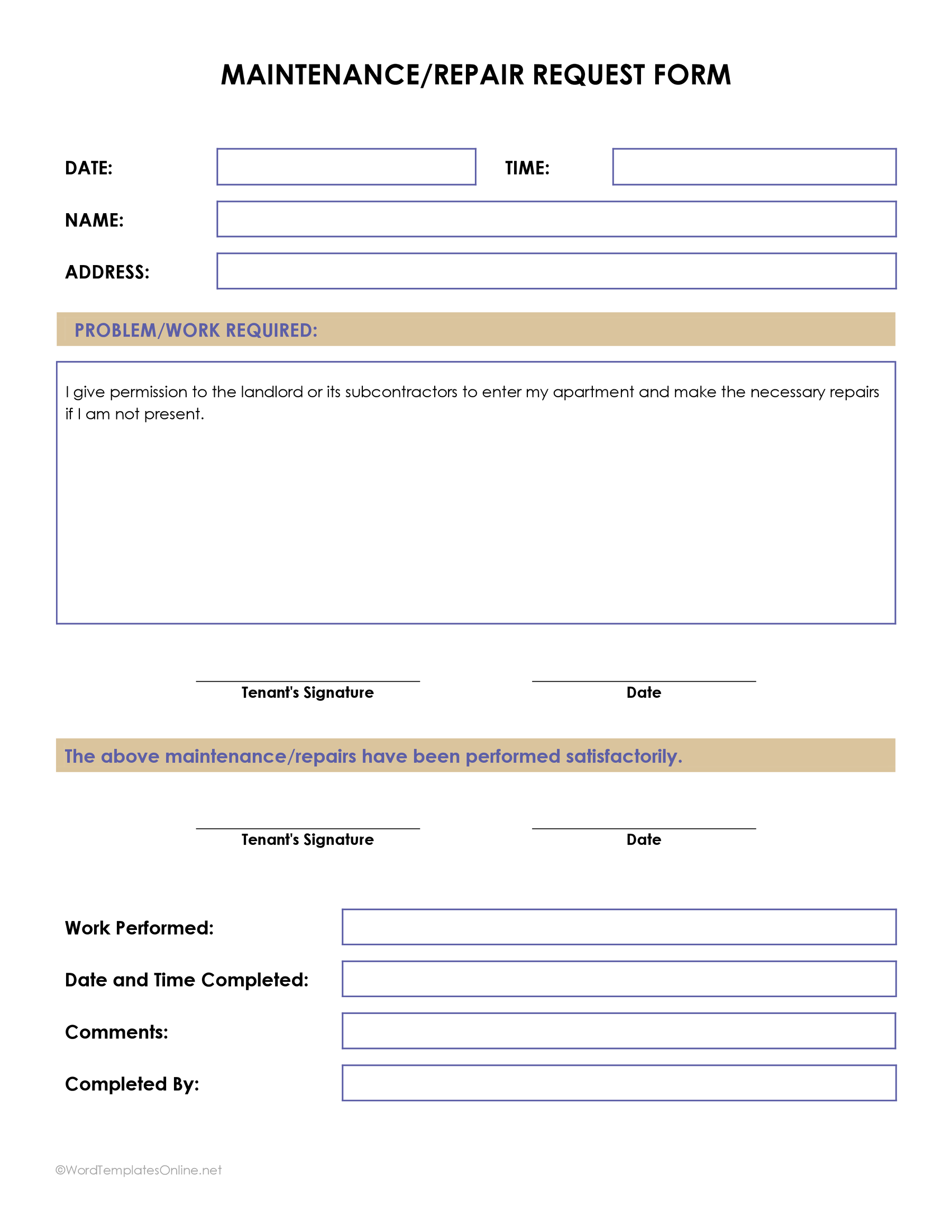
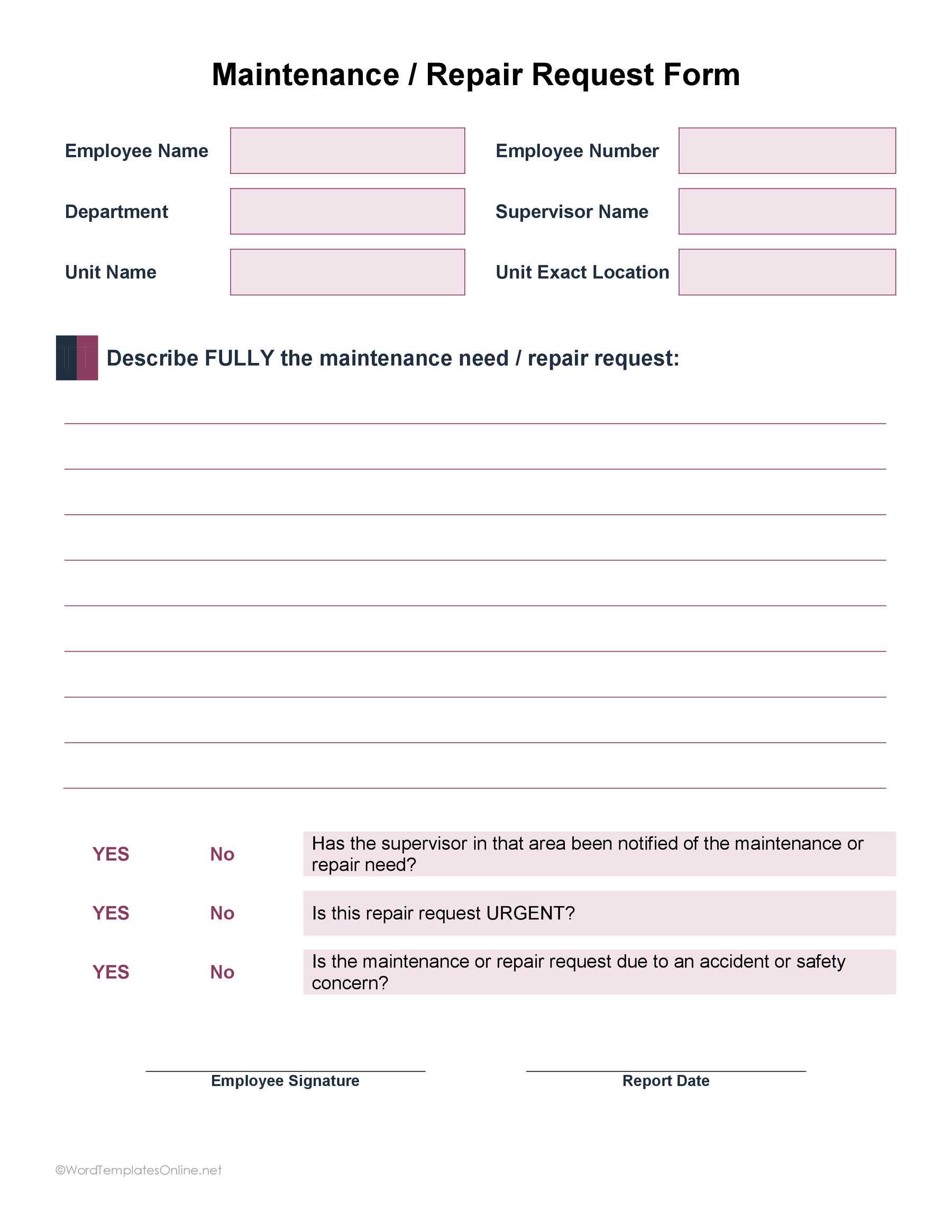
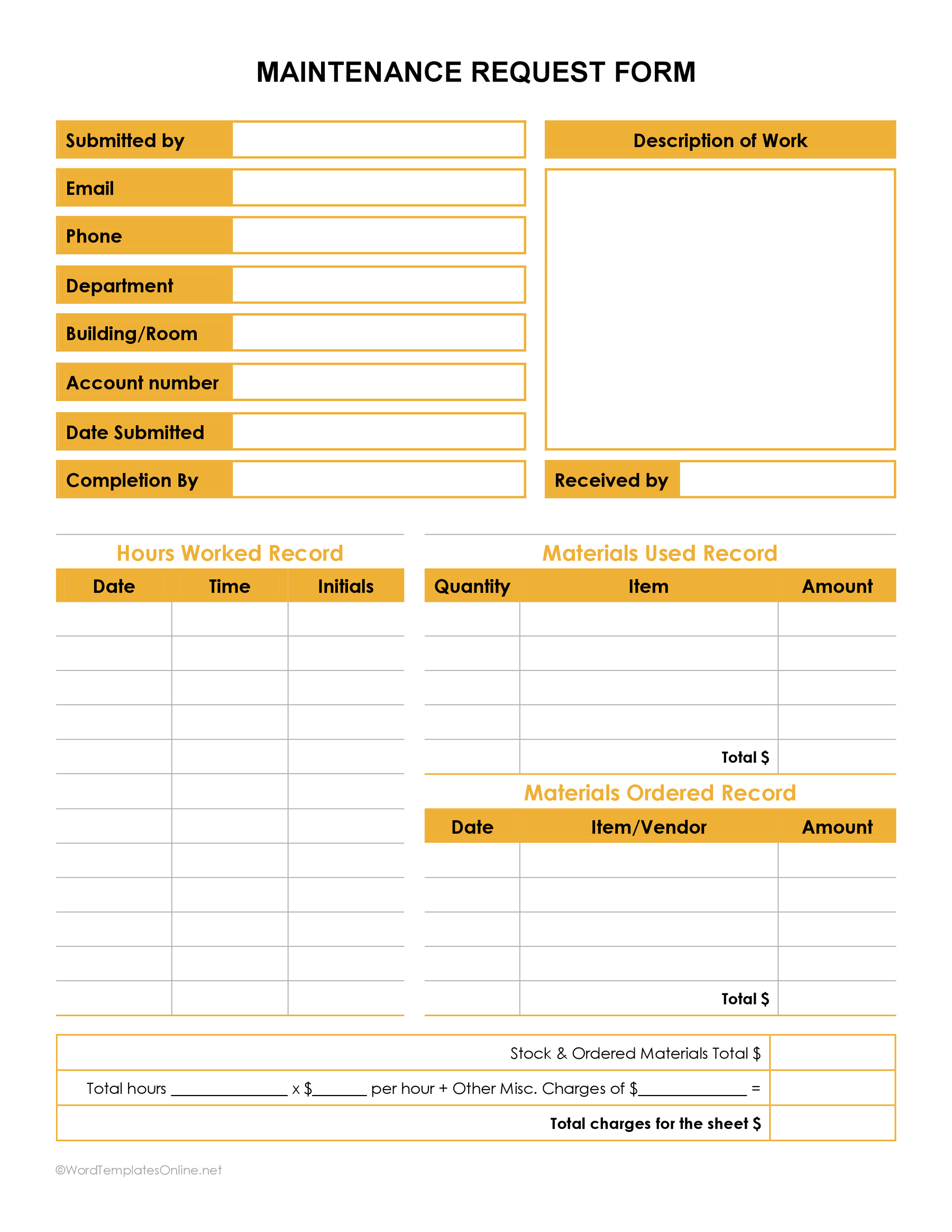
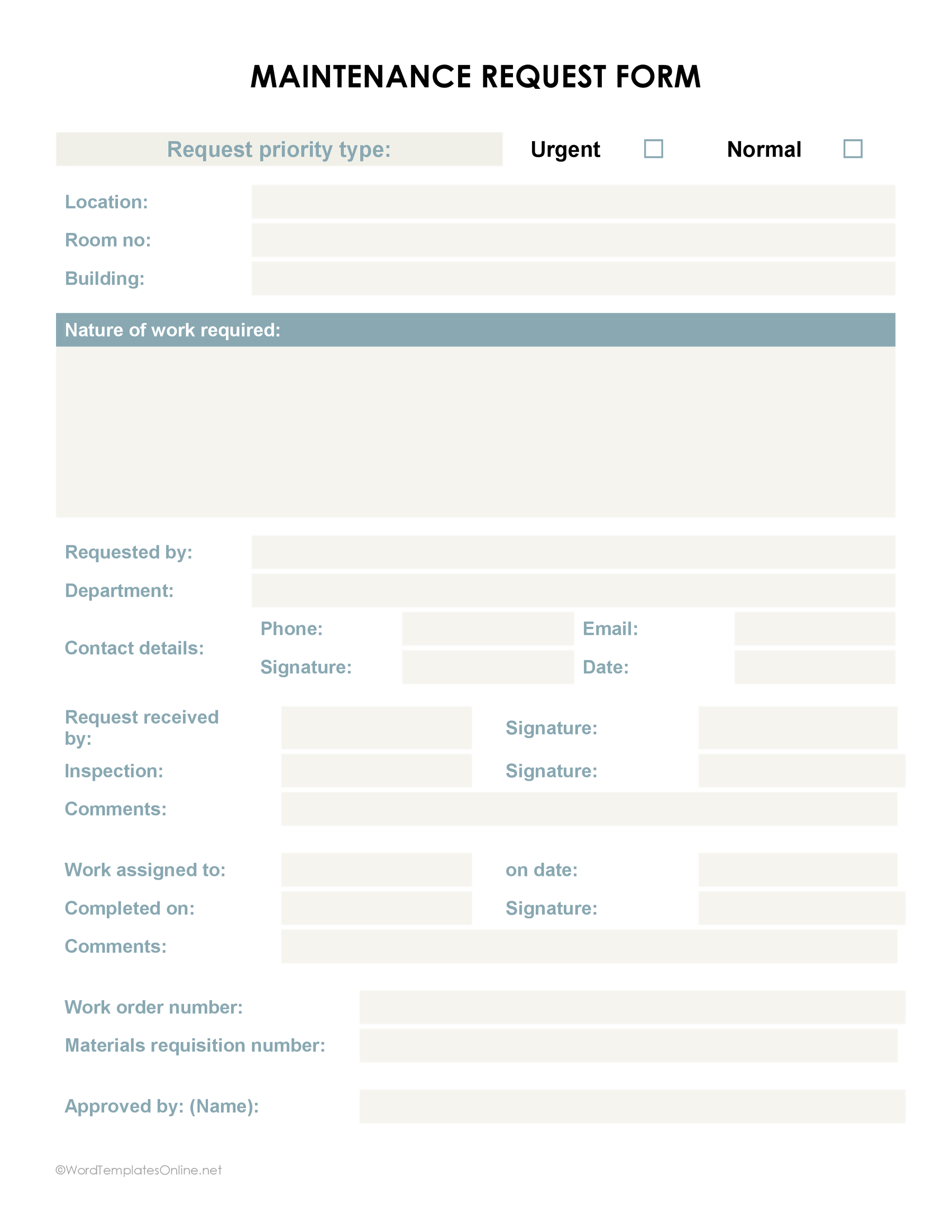
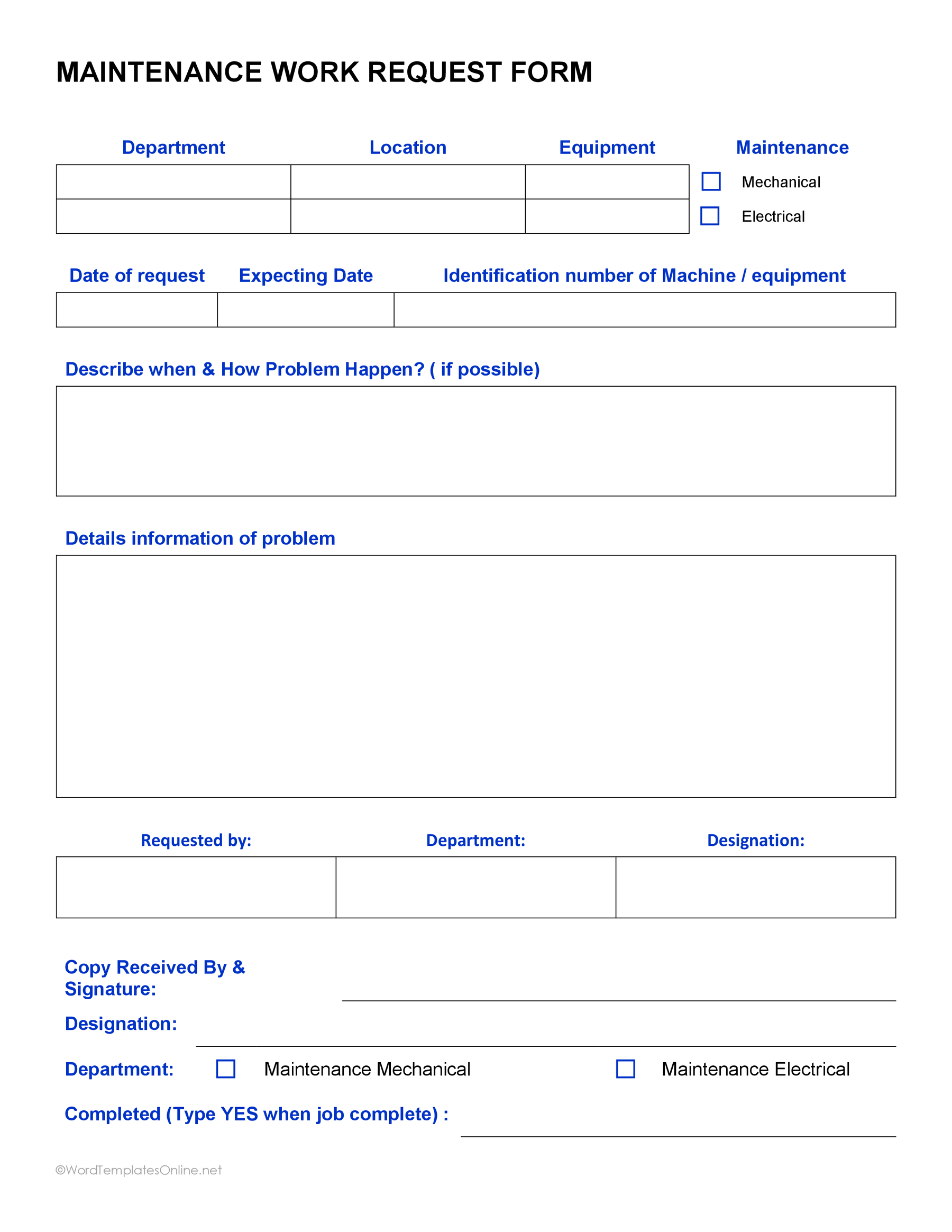
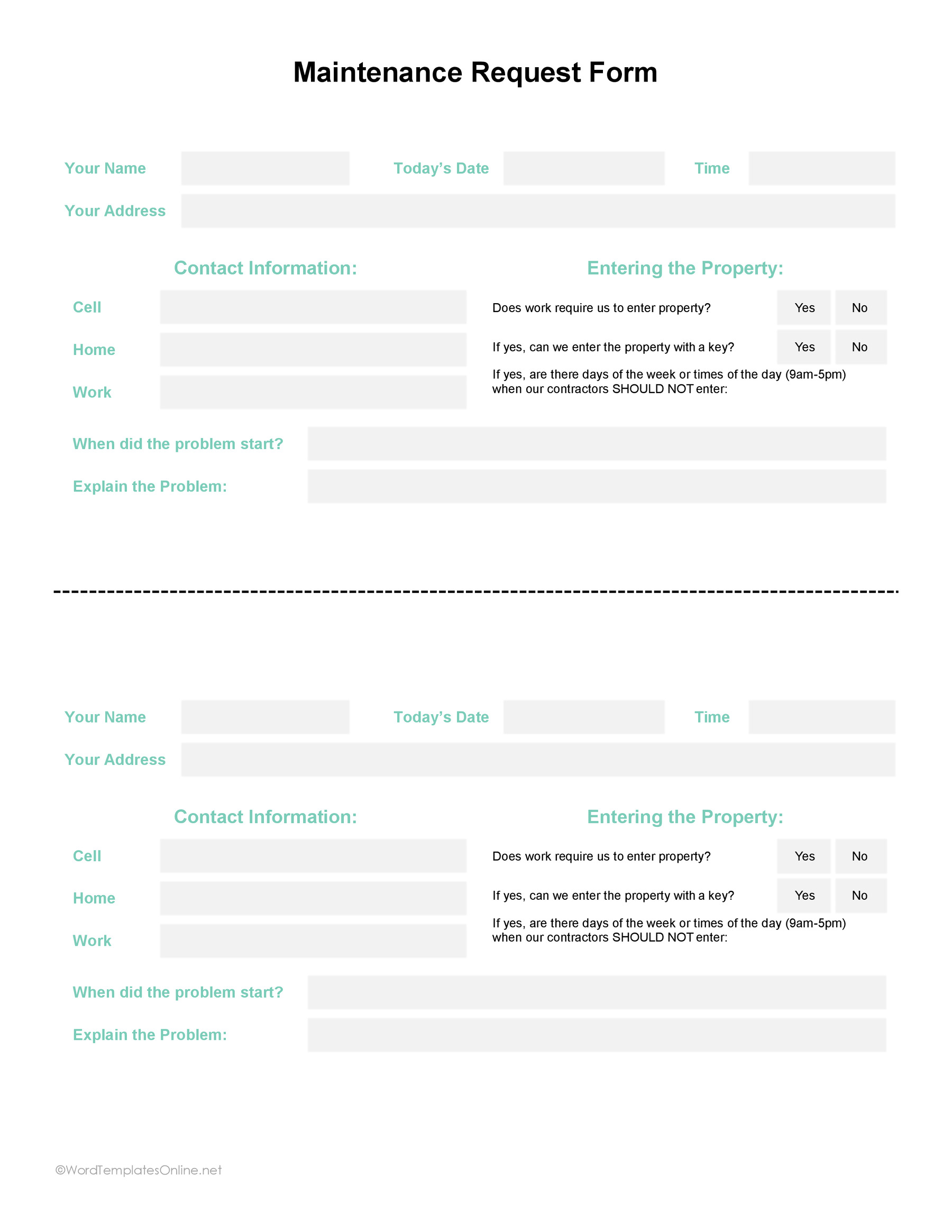
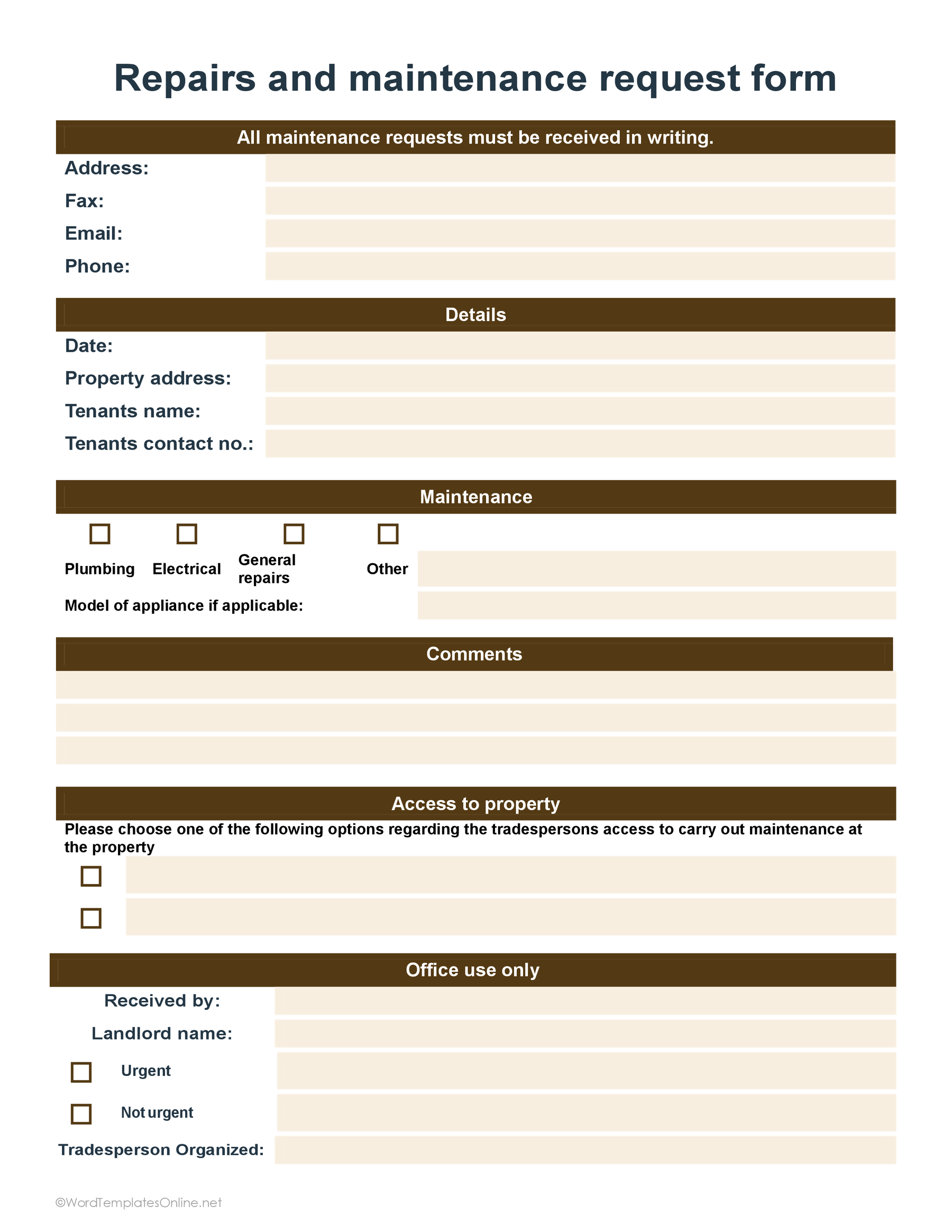
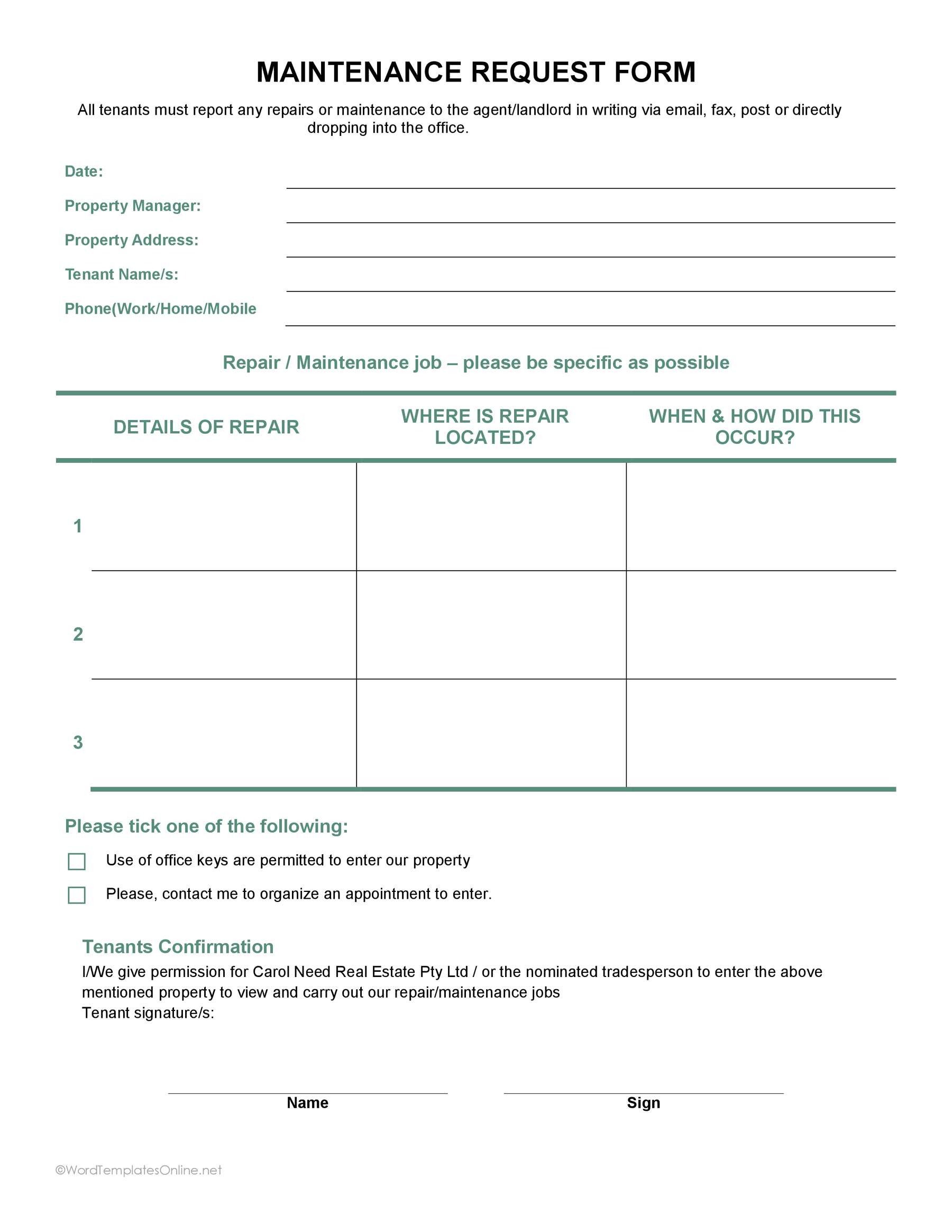
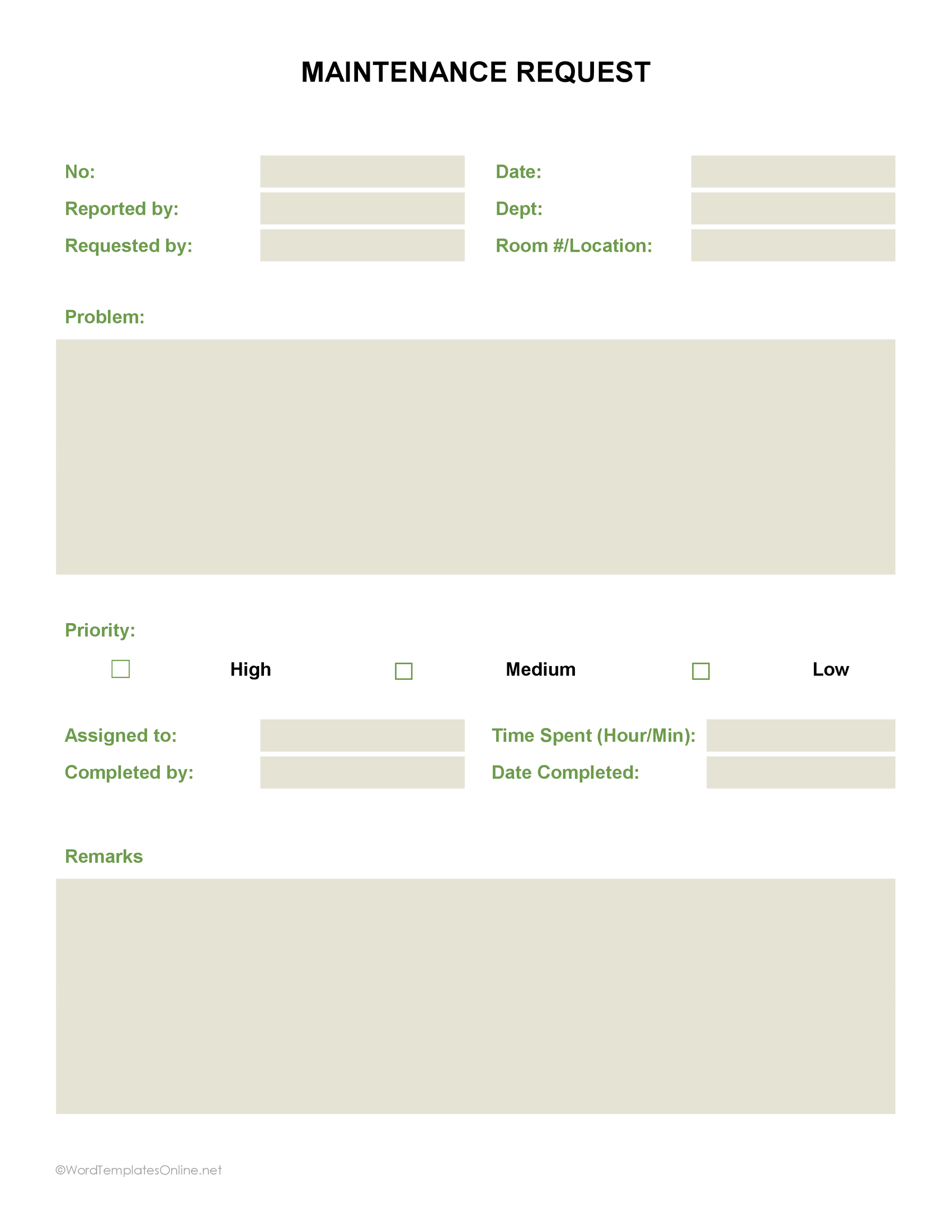
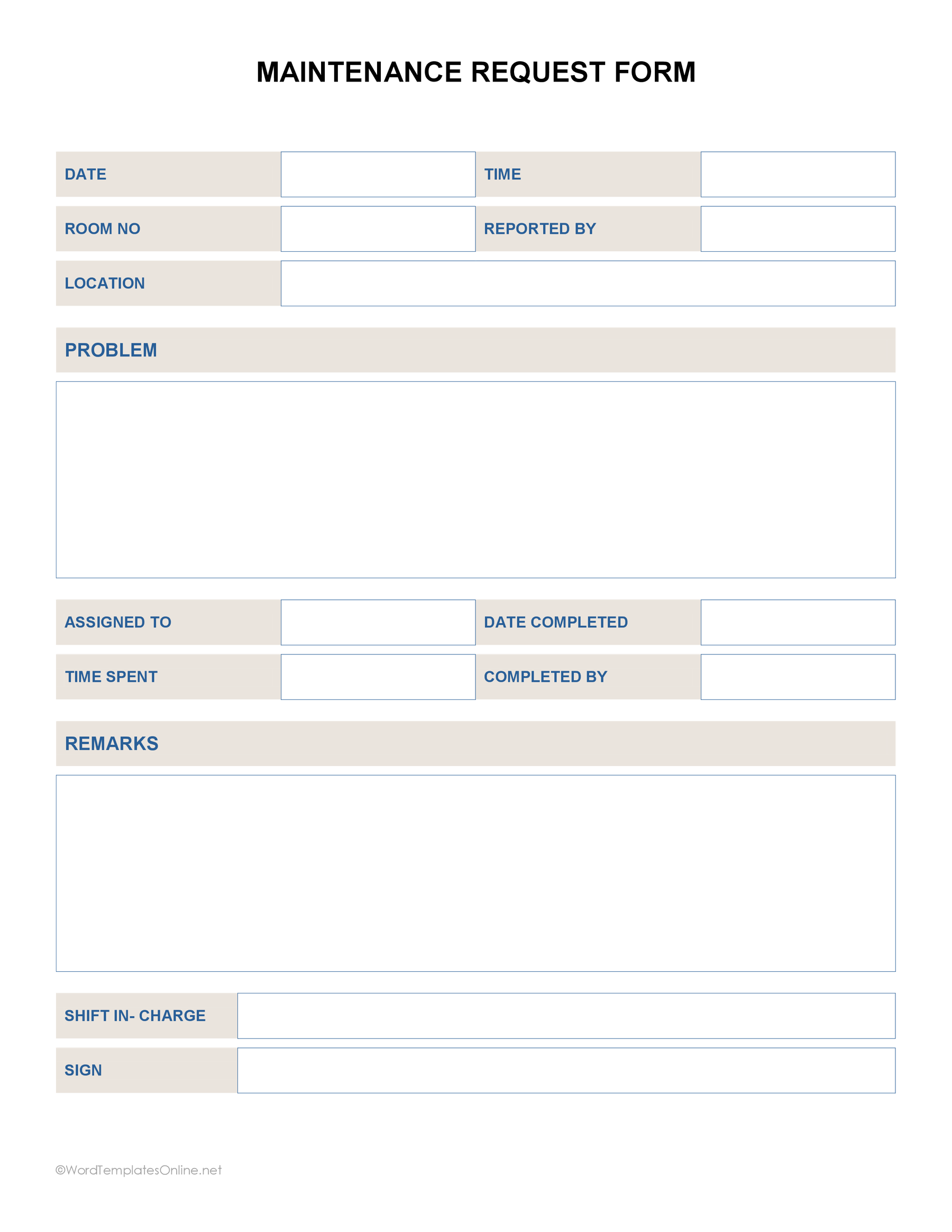
Many people try to create their own forms from scratch, but that often leads to missing details or unclear instructions. A good maintenance request form template already includes all the right sections: tenant information, description of the problem, urgency status, type of issue, permission to enter, and space for notes from the manager.
Using a ready-made template saves time and makes sure you don’t forget something important. It also makes the form look more professional and easier to understand for everyone who has to read or use it. Whether you’re a landlord managing a few rental units or a tenant trying to get a quick fix, using a pre-designed form keeps the process clean and stress-free. That said, download our free template here:


Closing Thoughts
Maintenance request forms may seem like basic paperwork, but they play a big role in the day-to-day care of any property. They help problems get fixed faster, avoid misunderstandings, and create a clear record of repairs. If you’re managing rental properties or living in one, having a solid maintenance form on hand can make a big difference.
You can download our free maintenance request form templates to get started. These are fully editable and designed to be simple, clean, and practical—just the way a good form should be.
About This Article