
Let’s be real, “stock certificate” sounds like one of the old-school business things nobody really thinks about anymore. But the moment you start your business, bring in investors, or divide ownership with a partner, suddenly things become very real. That’s why it is important to have a stock certificate. Not only does it keep everything professional and legit, but it also saves you from upcoming disputes.
Now the main thing is what to include in a certificate. The best way is to use a ready-made template to avoid the stress of creating a legal-looking document. So, if you’re running a startup or just getting your paperwork in order, having the right template saves time and a whole lot of confusion later on.
Why Stock Certificates Still Matter in the Digital Era
Even though everything is going digital these days, stock certificates still hold solid ground and for good reasons. Don’t consider them just orthodox paperwork; they are strong proof of ownership when it actually matters. Sure, everything might be recorded by you in software or a spreadsheet, but you know that having a proper certificate adds an extra layer of legitimacy, especially if any legal disputes pop up. In short, it’s one of those things you don’t think about until you really need it.
Along with that, they are super helpful for keeping things organized internally. For instance, small businesses or startups that rely on digital records can get messy, but stock certificates give you a simple, documented trail of who owns what. Plus, when you give your investors a certificate, this is something that feels more official and shows that your business is structured and transparent.
And despite all the tech we have, there are several situations where physical certifications come in handy or are even required, depending on legal rules and how a company works. Some businesses prefer traditional documentation, while others use certificates as a backup in case the digital system fails. So while they seem a bit outdated at first, these certificates are still a reliable and practical way to keep ownership LOUD & CLEAR.
Key Elements Every Stock Certificate Template Must Include
When you’re putting together a stock certificate, it’s not about making it look nice; it actually needs to include specific details to make it valid and useful.
1. Company name and logo
Without any second opinion, this is the first thing people will notice. This clearly shows which company is using the shares and gives the certificate a professional identity. Plus, adding a logo also makes it look more official and less like a random document.
2. Certificate number (unique ID)
Not all templates, but some come with a unique number. Now, what does it do? Well. It’s like a tracking code that helps you keep records organized and avoid any mix-ups between stakeholders.
3. Stakeholder full name
This is pretty straightforward. You need to mention who owns the shares clearly. Make sure you write the name with the correct spelling because one simple mistake can cause a big issue later.
4. Number and class of shares
Not all shares are equal, so this part means a lot more than you think. You will need to specify how many shares the person owns and what type they are (like common or preferred shares).
5. Issue date
Every stock certificate comes with an issue date, which is official proof of when the shares are given to the stakeholder. This plays a key role in record-keeping and can also matter in legal or financial situations.
6. Authorized signatures
The part is what makes the certificate look legit. It usually requires signatures from authorized people in the company, such as directors or officers. Without this, it can feel incomplete or unofficial.
7. Company seal (optional but professional)
A company seal isn’t always needed, but it definitely adds a layer of professionalism. Usually, it gives a certificate a “formal document” feel, even if it’s not legally required.
8. Legal disclaimer or transfer restrictions
This is where the fine print comes in. It tells any rules in a statement or disclaimer type about how the shares can be transferred or sold. It might seem small, but it helps avoid confusion and saves the company in the long run.
Types of Free Stock Certificate Templates (Know What You Need)
Not all stock certificates are the same, and honestly, picking the right one actually makes a difference. Some are more formal, some are flexible, and others are made to meet specific legal requirements.
Here’s a quick breakdown so you know what fits your situation:
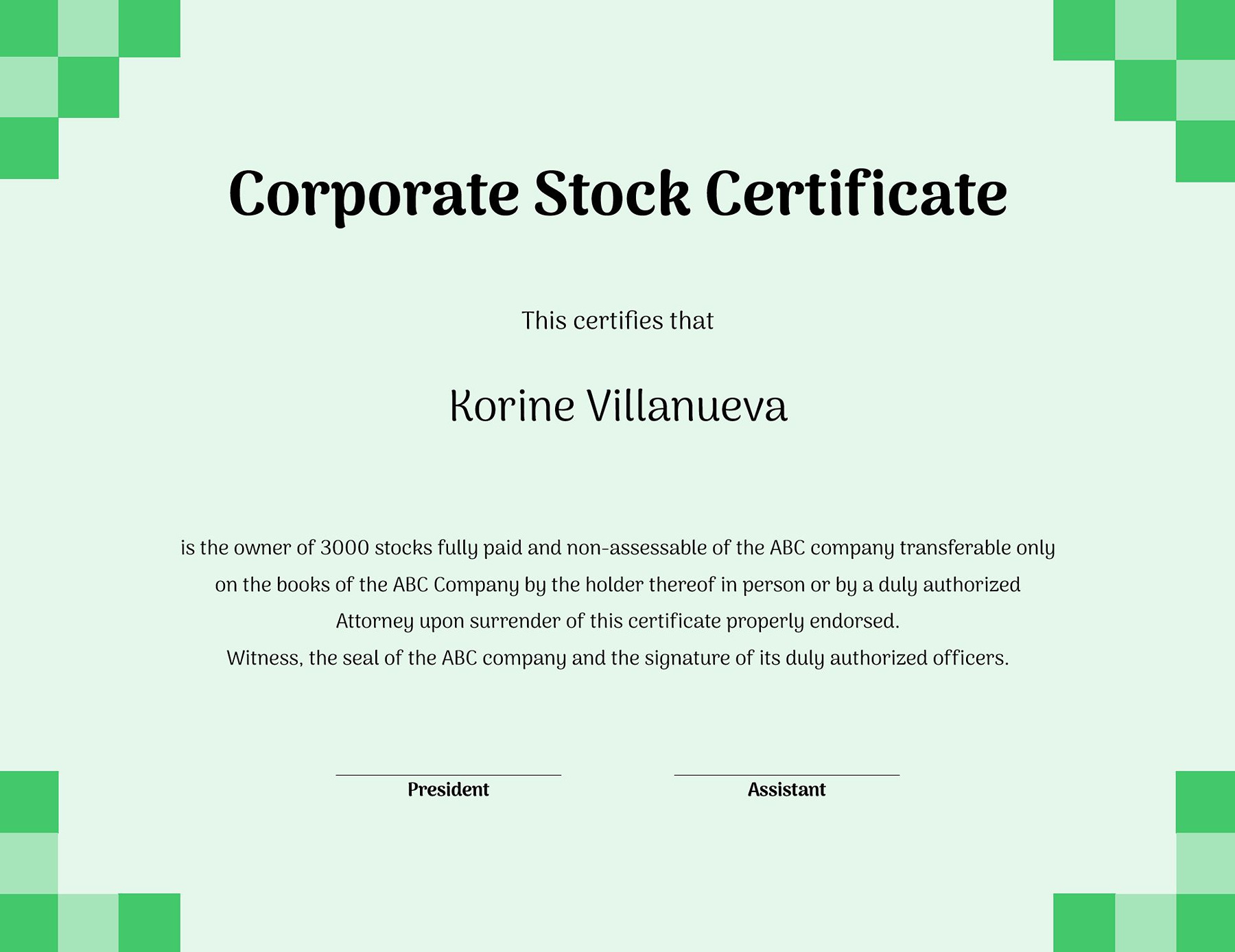
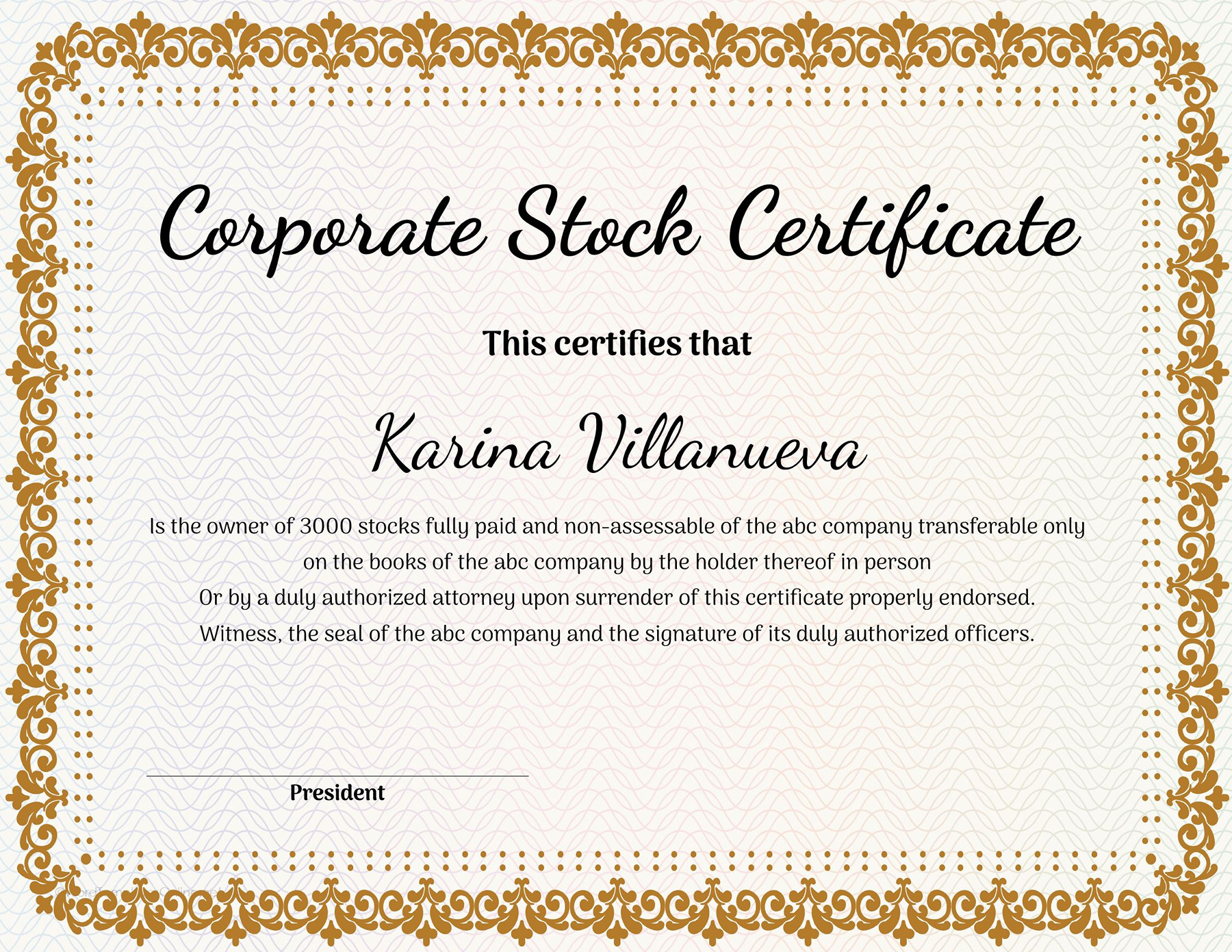
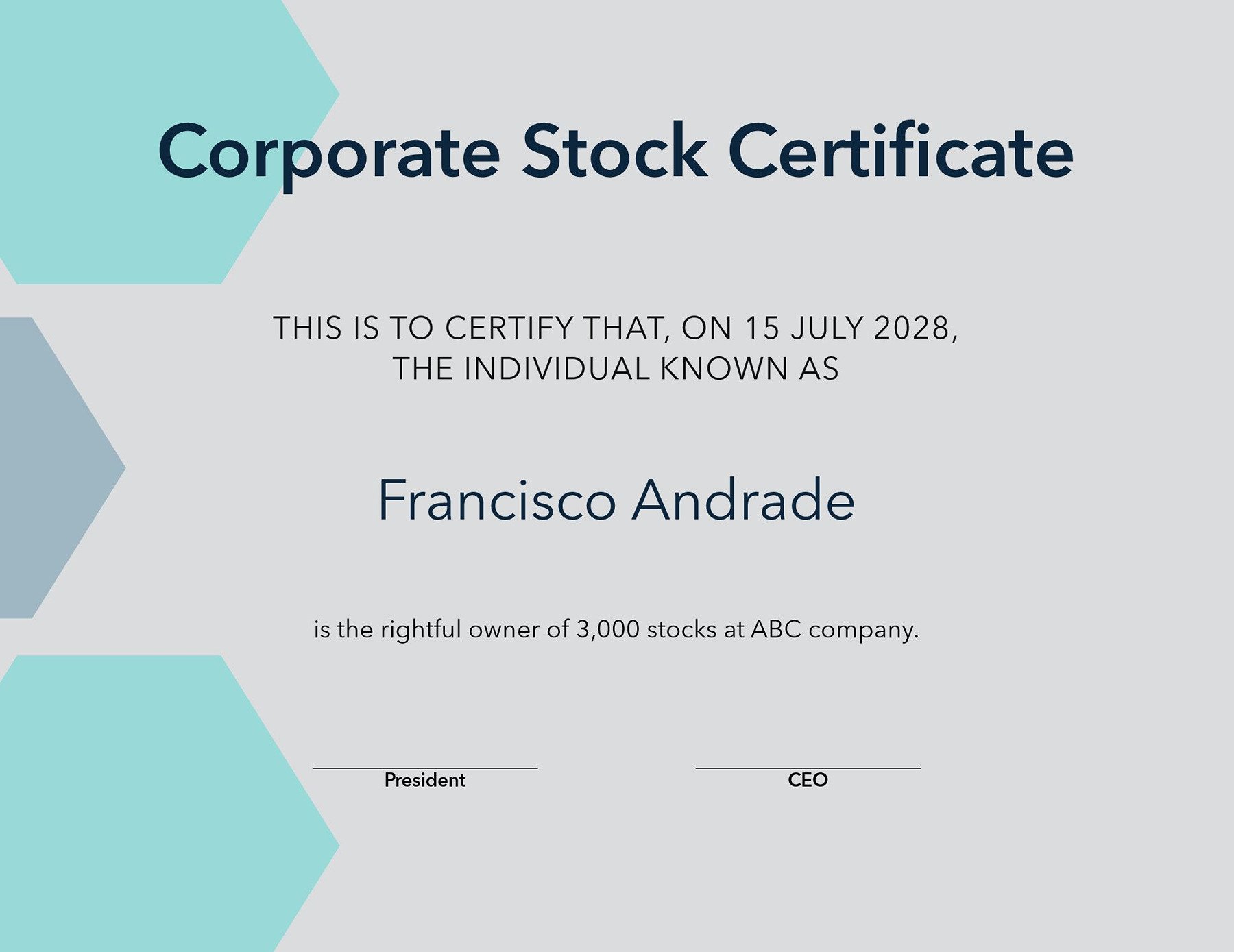
Corporate stock certificate
This is the standard option for companies and is widely set up as a corporation. It’s more formal and usually includes all the traditional elements you’d expect, like shared classes and official signatures. If you’re dealing with shareholders in a structured company, this is the one you’ll probably use.
Stock Certificate Template-01
Stock Certificate Template-02
Stock Certificate Template-03
LLC membership stock certificate
If you’re running an LLC, things work differently since you don’t technically issue “stock”. Rather, you have ownership percentages or membership interests. In this case, you must go for such a template that is designed for that setup instead of a traditional stock certificate.
Stock Certificate Template-04
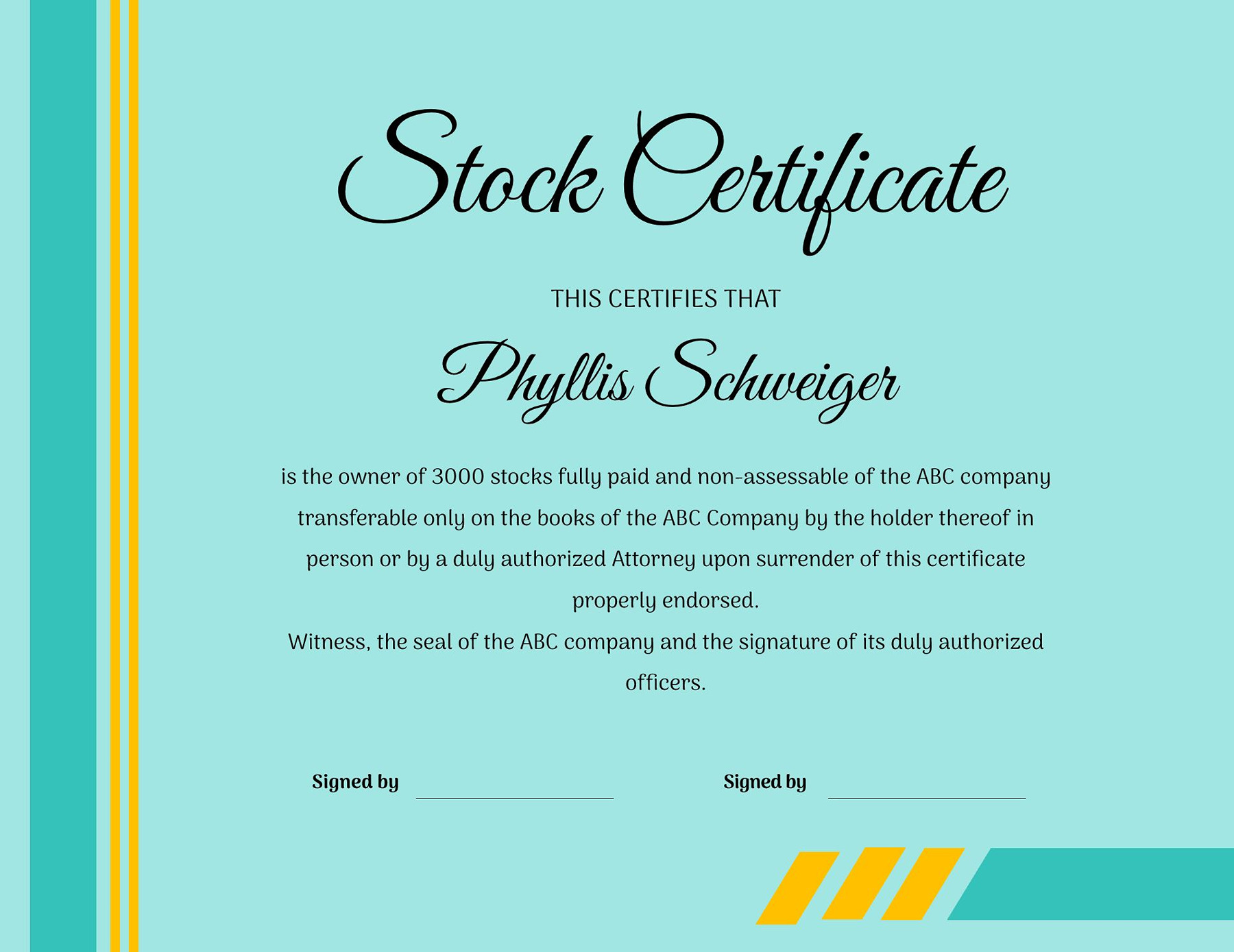
Blank stock certificate
This one is generally about flexibility. A blank template gives you the basic structure while also giving you the freedom to customize everything according to your needs. It’s great if you want full control over how the certificate looks and what details you include.
Stock Certificate Template-04
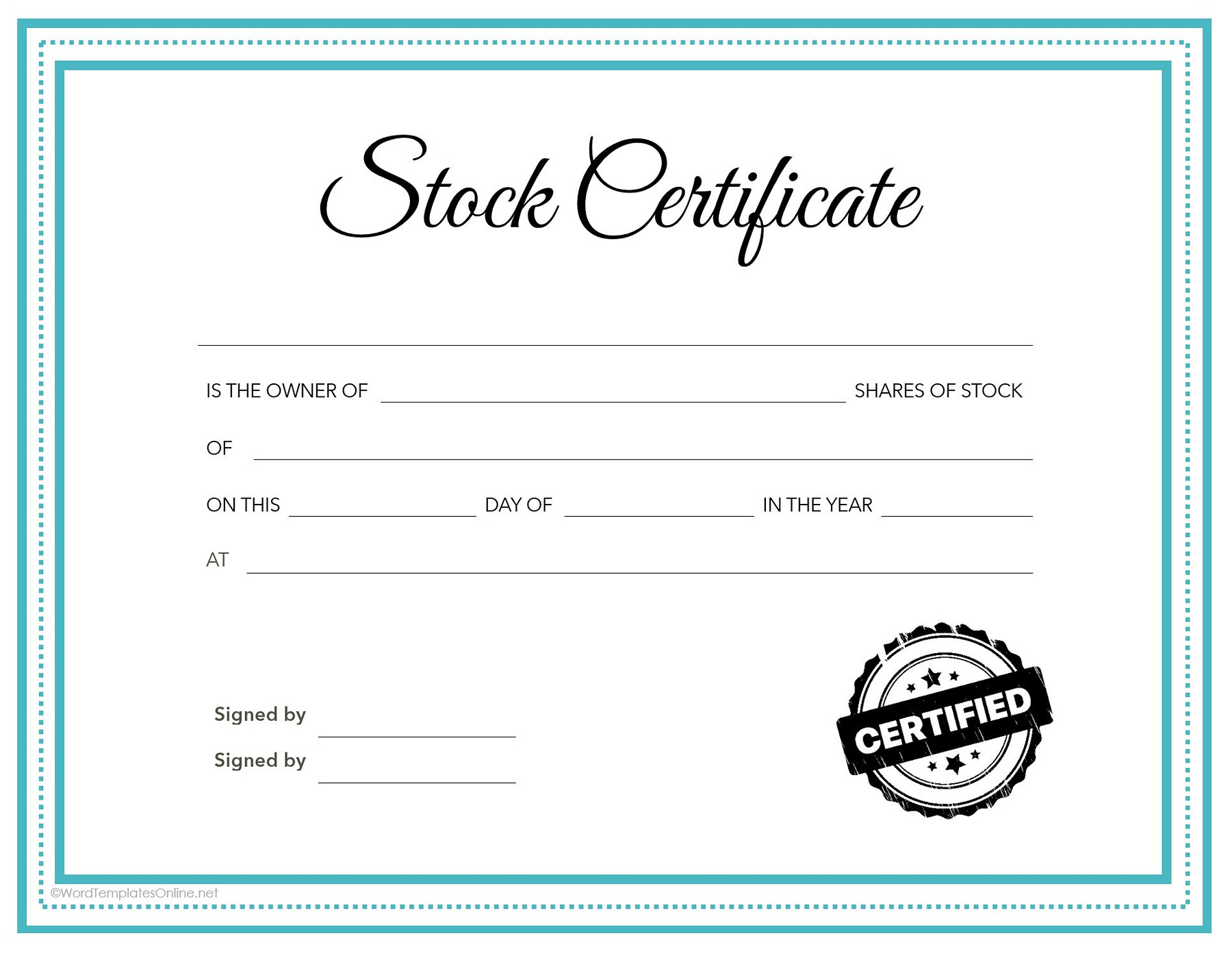
Stock Certificate Template-05
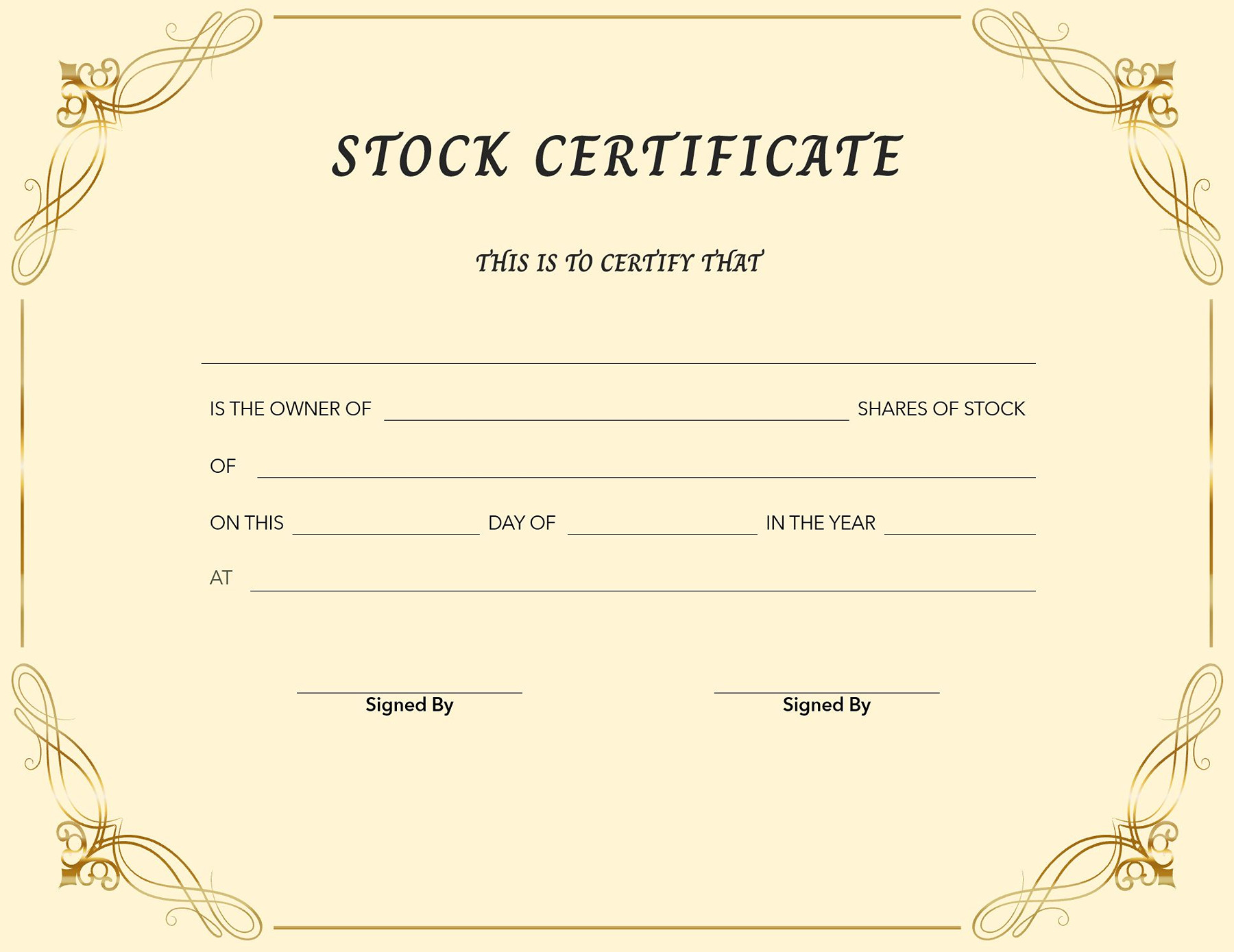
Stock Certificate Template-06
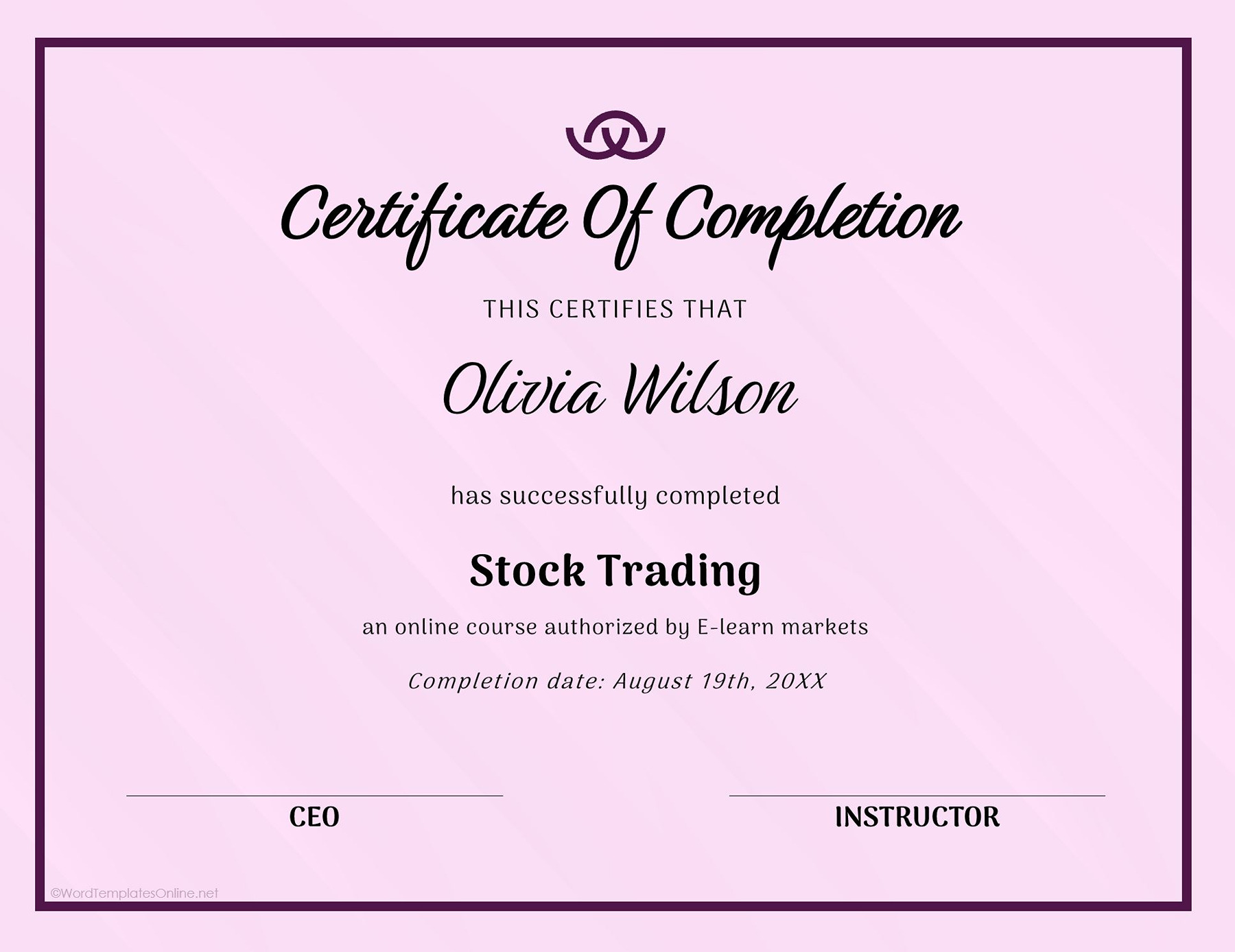
Stock Certificate Template-07
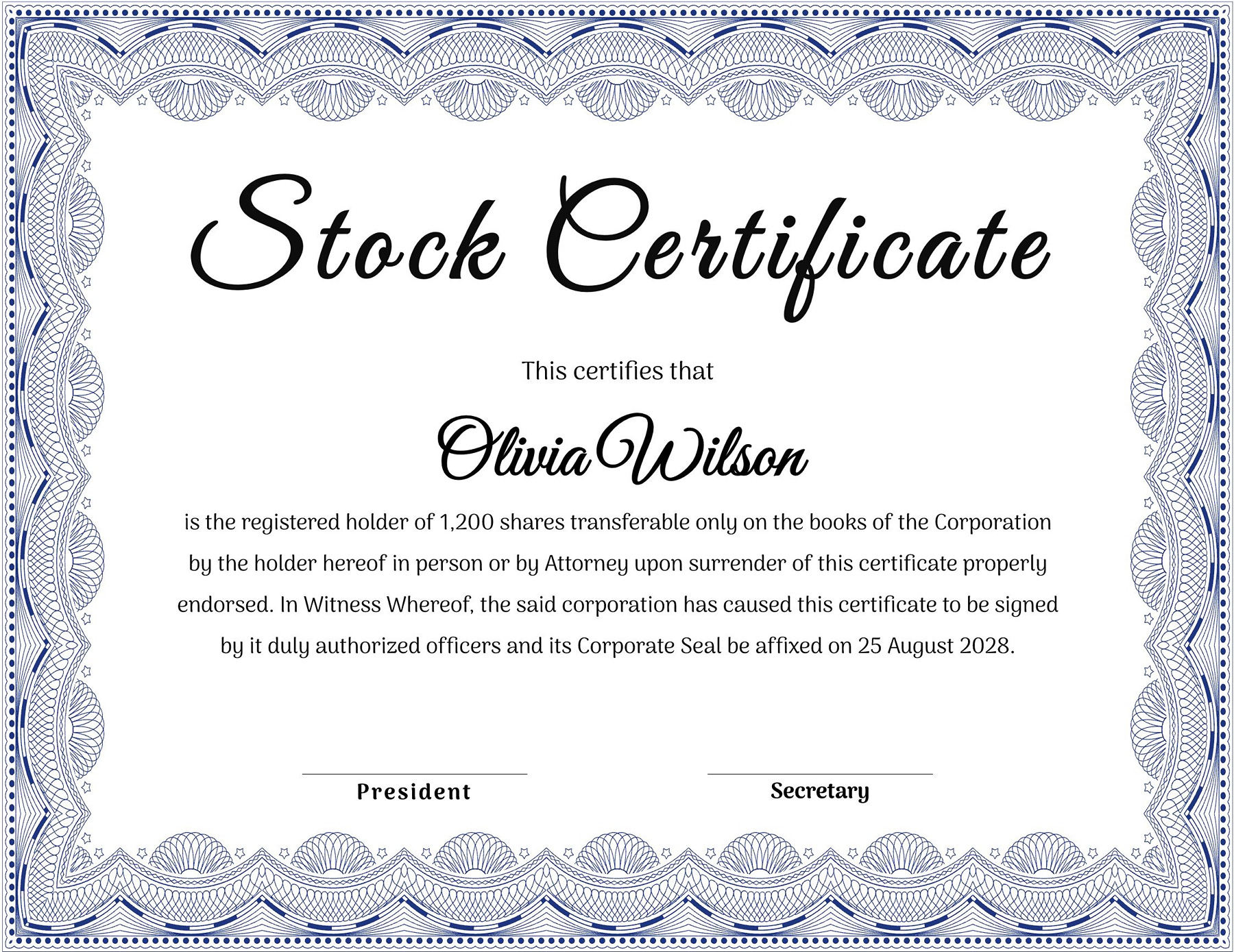
Stock Certificate Template-08
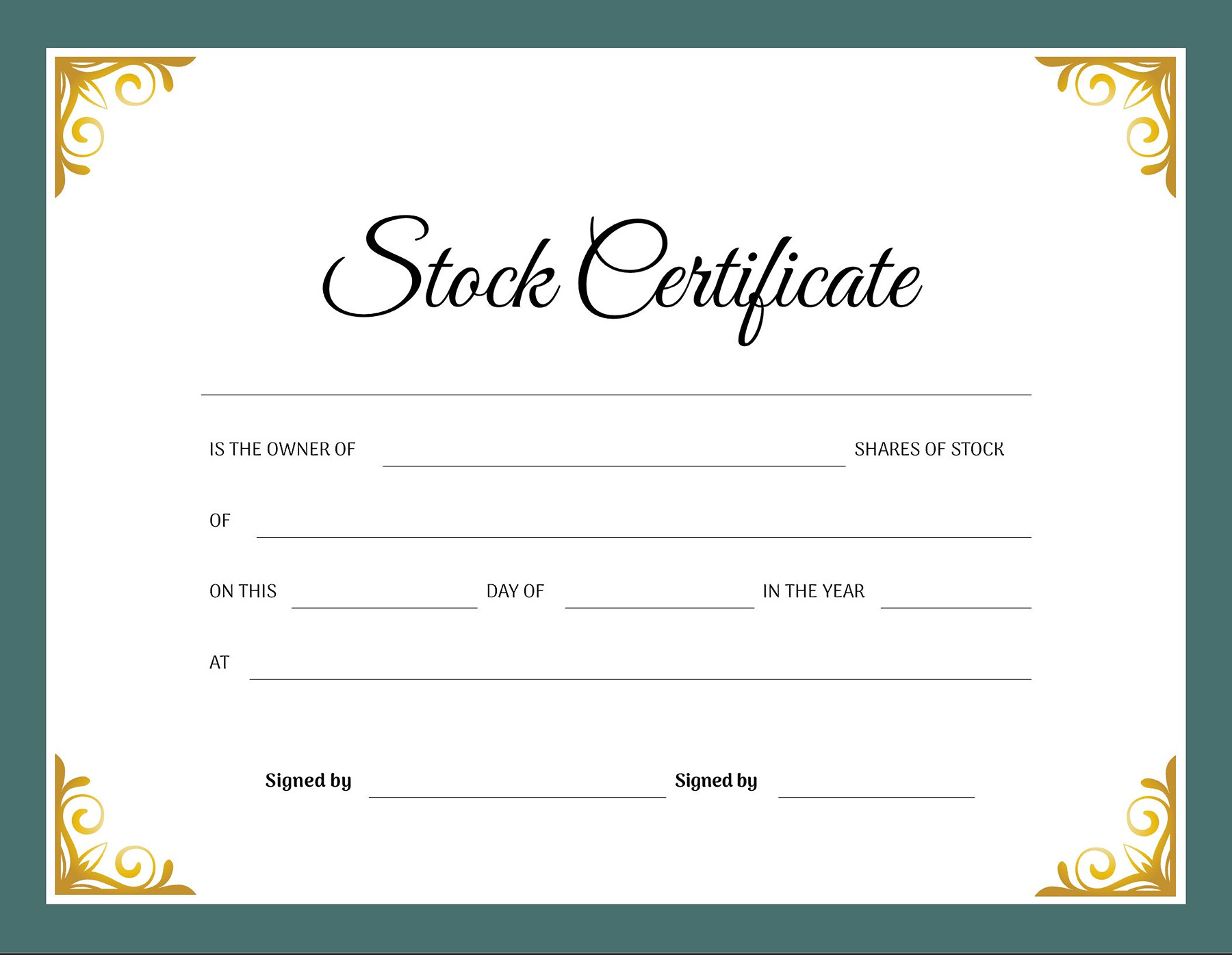
Stock Certificate Template-09
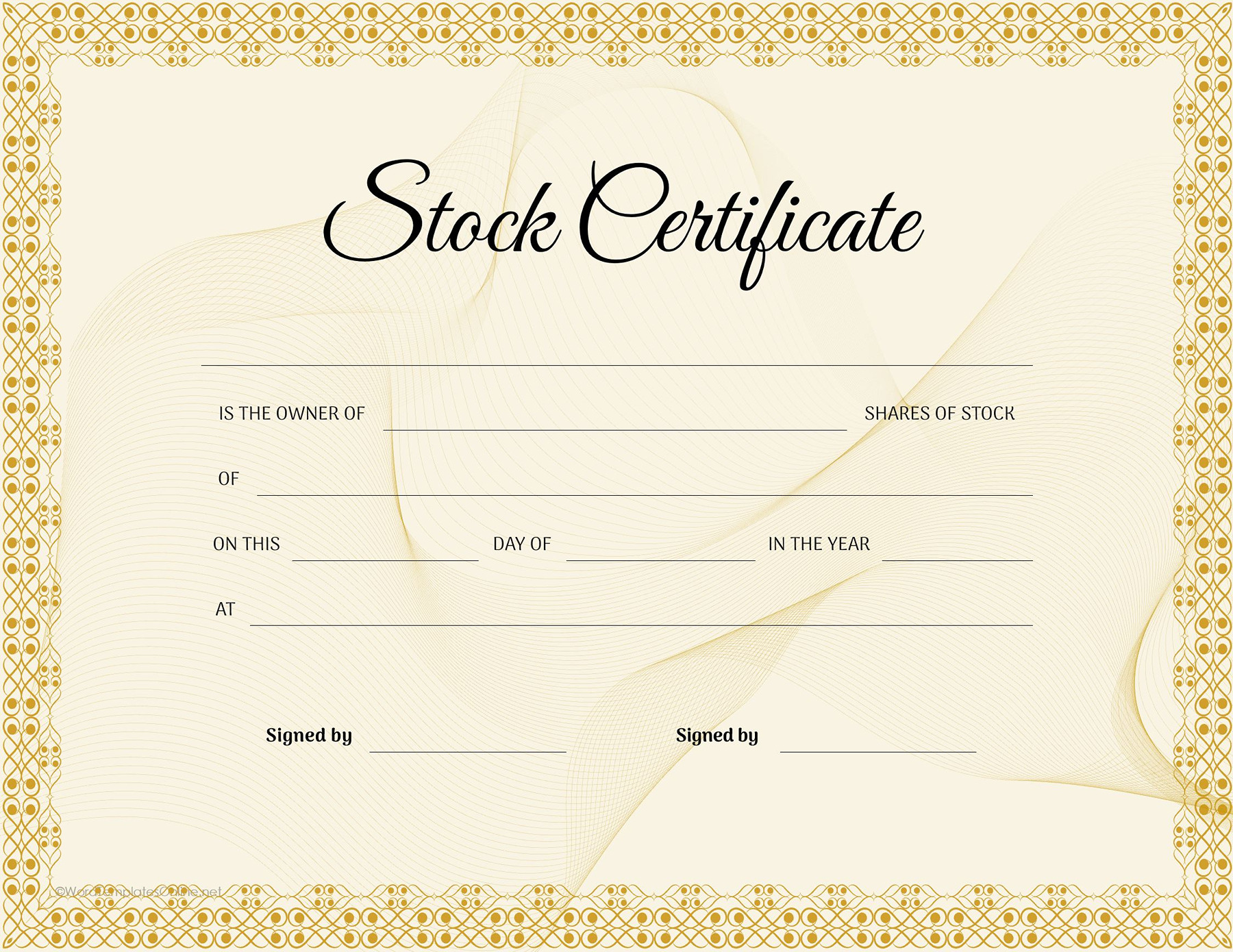
Stock Certificate Template-10
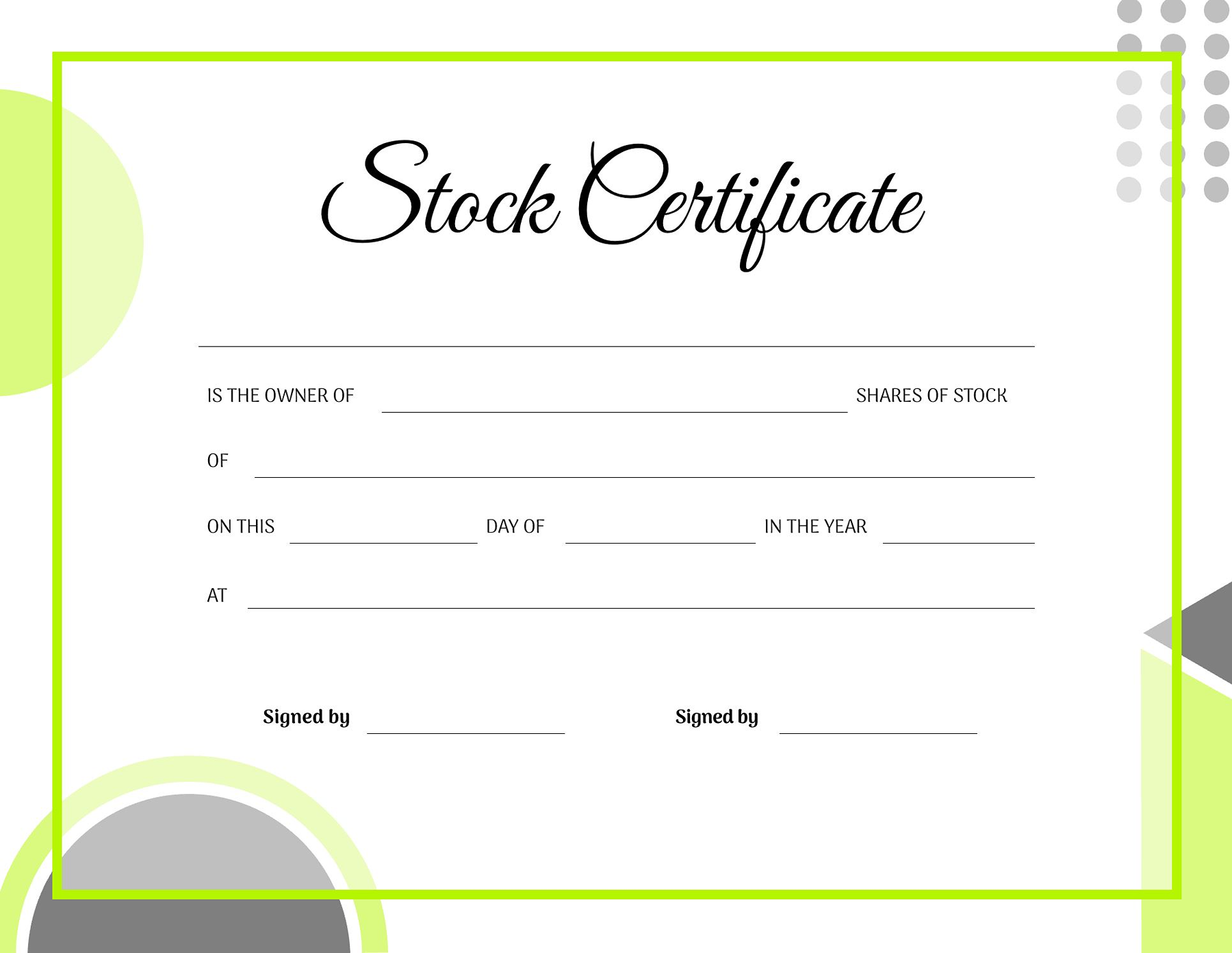
Stock Certificate Template-11
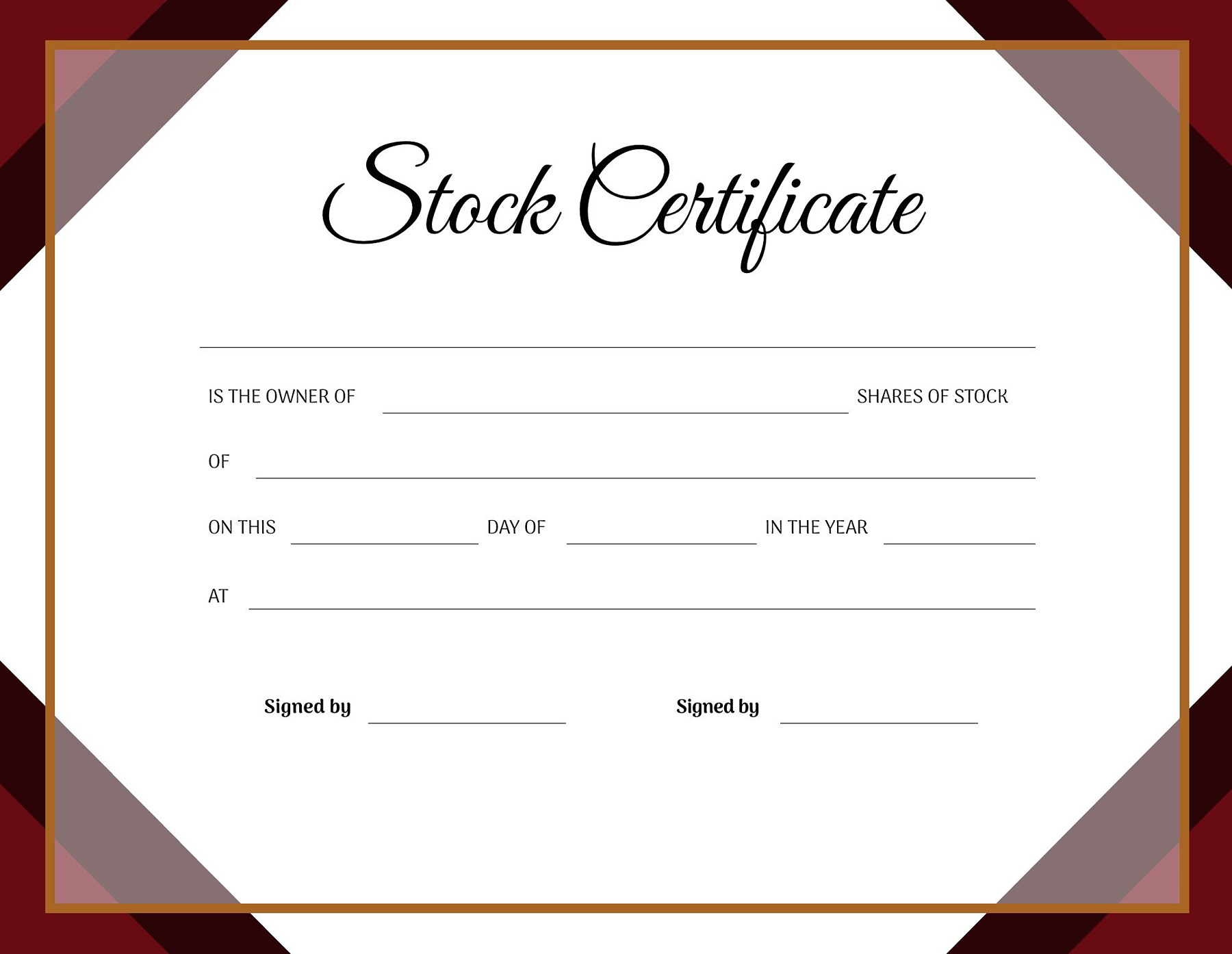
Stock Certificate Template-12
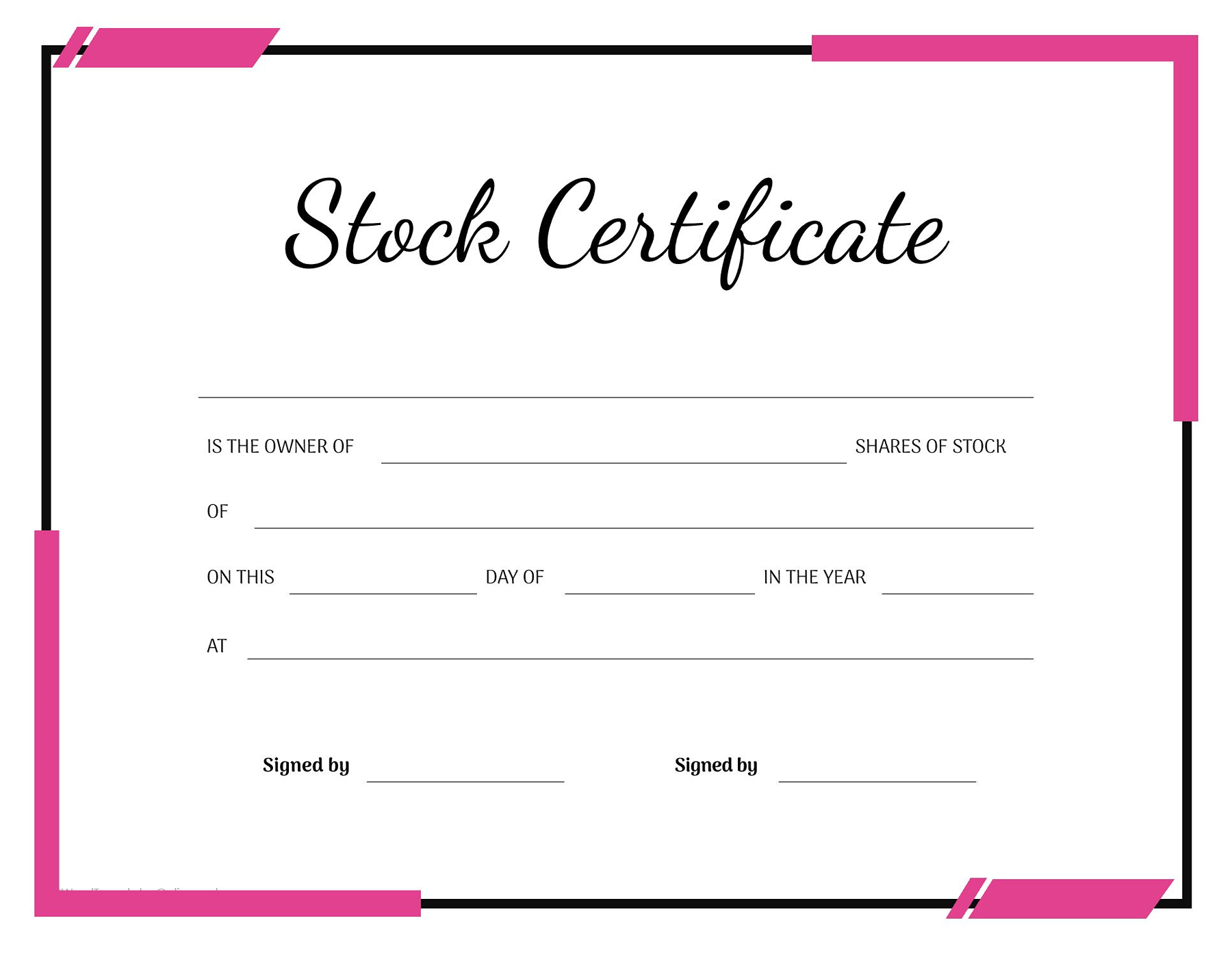
Stock Certificate Template-13
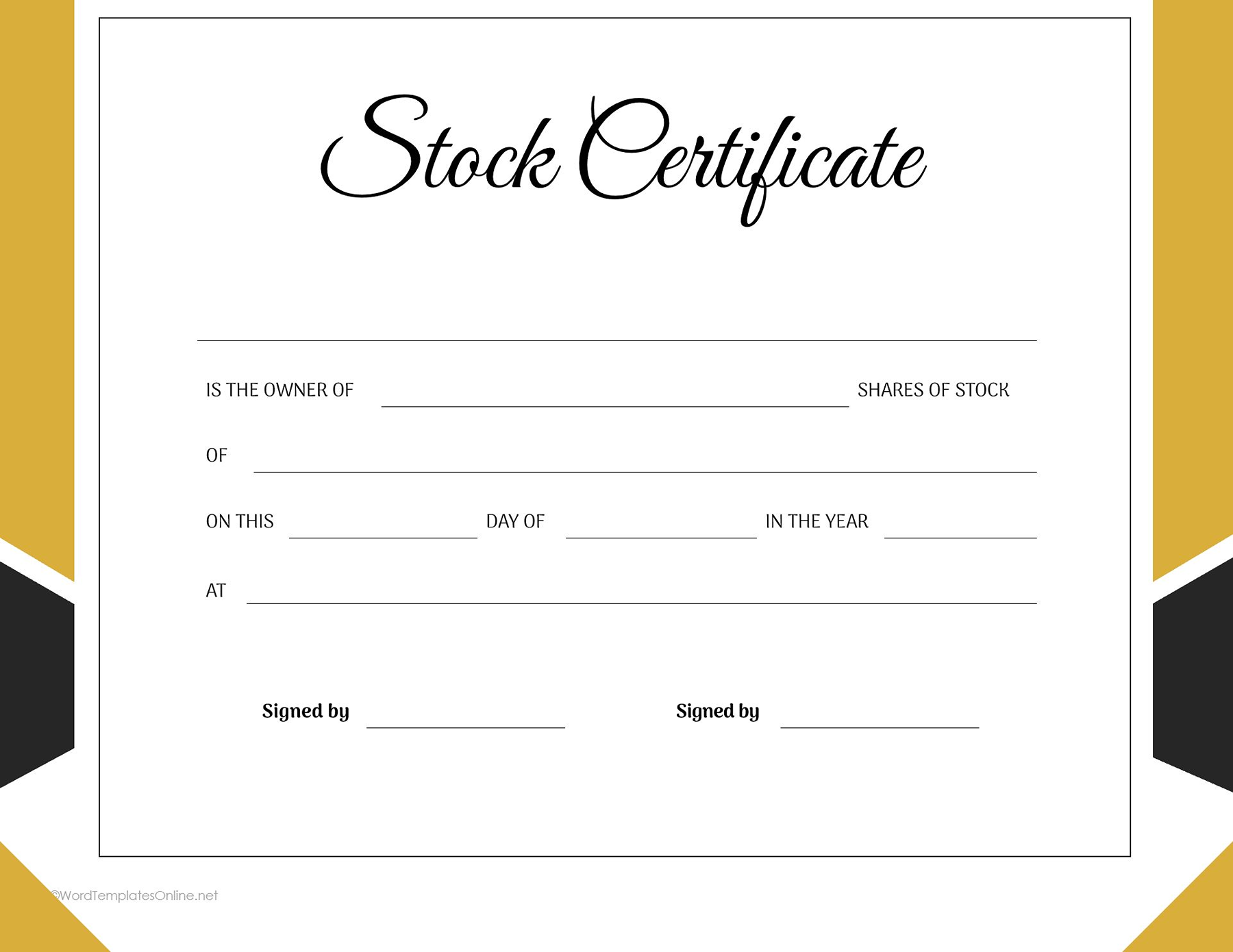
Stock Certificate Template-14
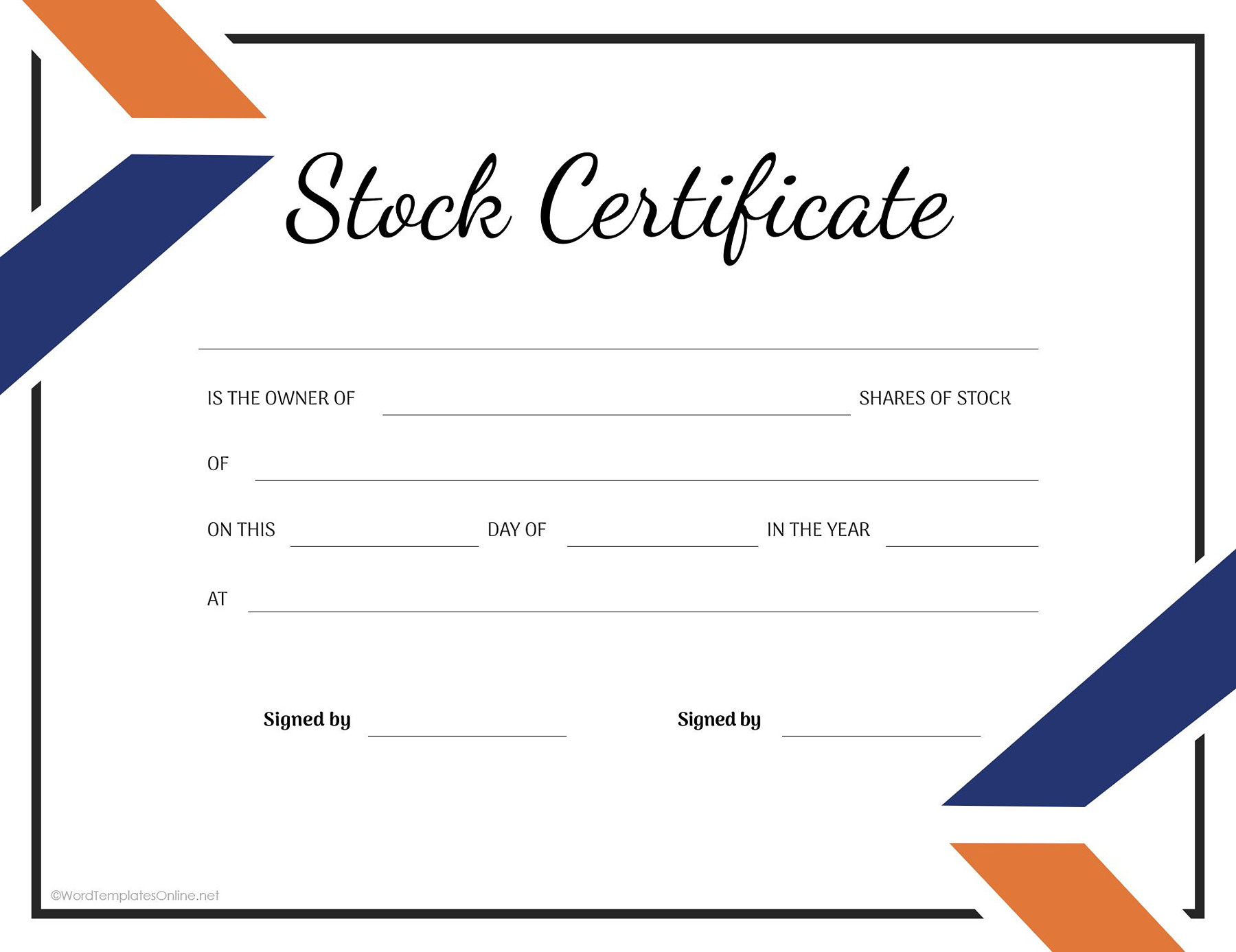
Stock Certificate Template-15
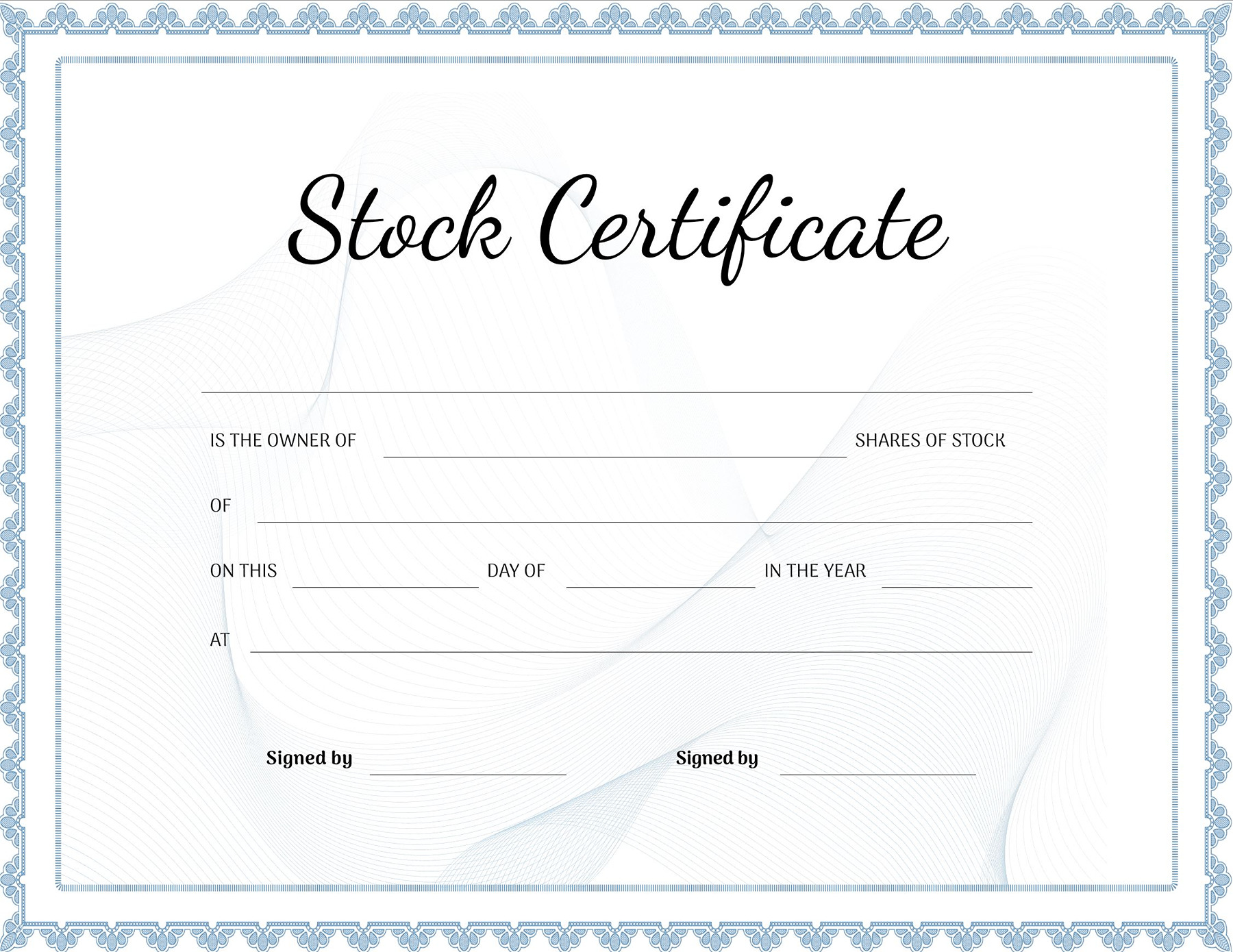
Stock Certificate Template-16
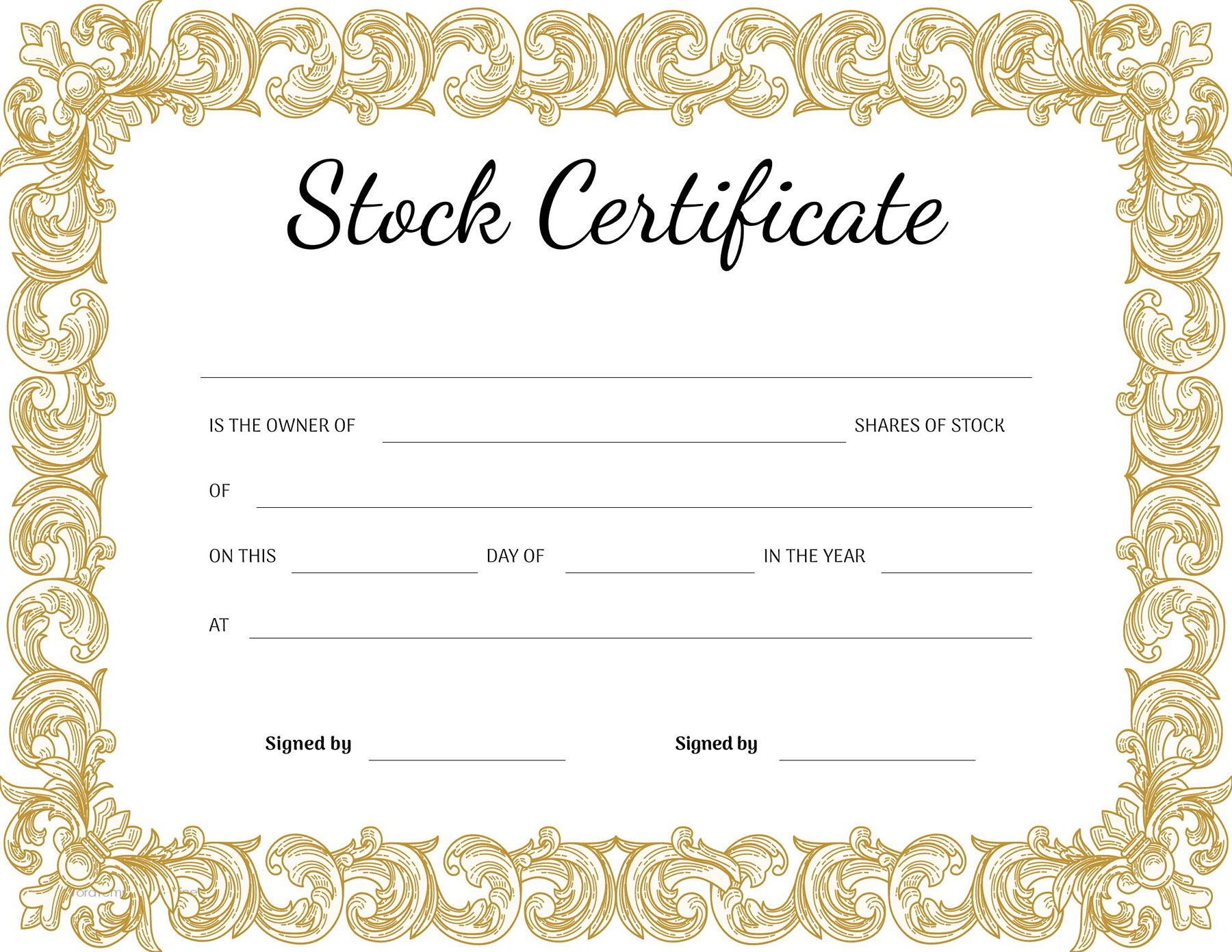
Stock Certificate Template-17
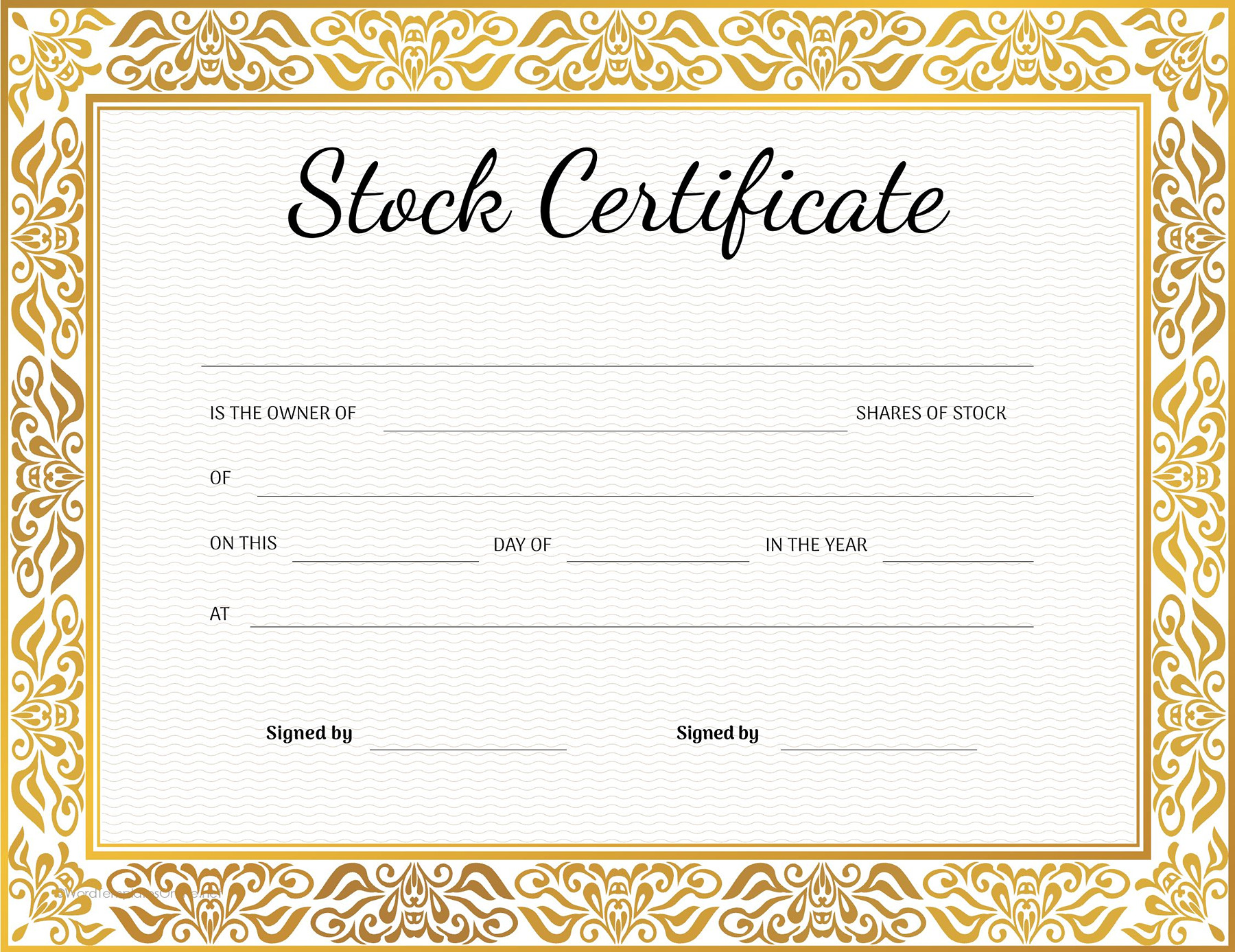
Note: We have a wide range of blank/traditional stock certificates. You can browse through here to get the one that goes with your needs.
Delaware-compliant stock certificate
If your company is registered in Delaware (which is typical for many businesses), you might need to follow some rules. This type of template is designed to meet those requirements, so you’re not accidentally missing anything important from a legal perspective.
Filling Out Your Stock Certificate Without Overthinking It
Today, templates are very handy, and if you’re using an editable version, that makes the editing process a lot easier. Basically, you just need to plug in the right details at the right spots. The best part about using our templates is that they are available in MS Word and PDF, so you can customize them as you want or use them as they are.
About This Article