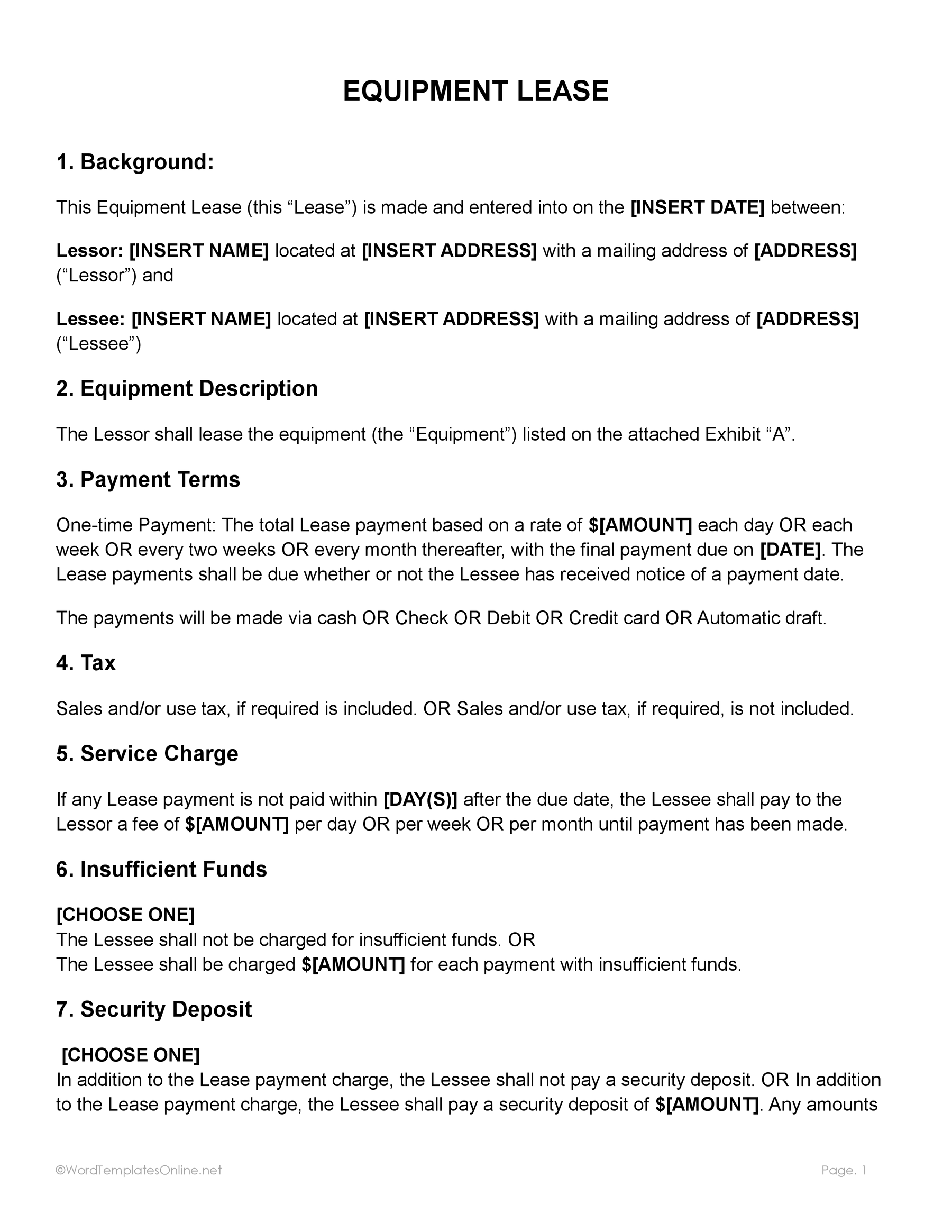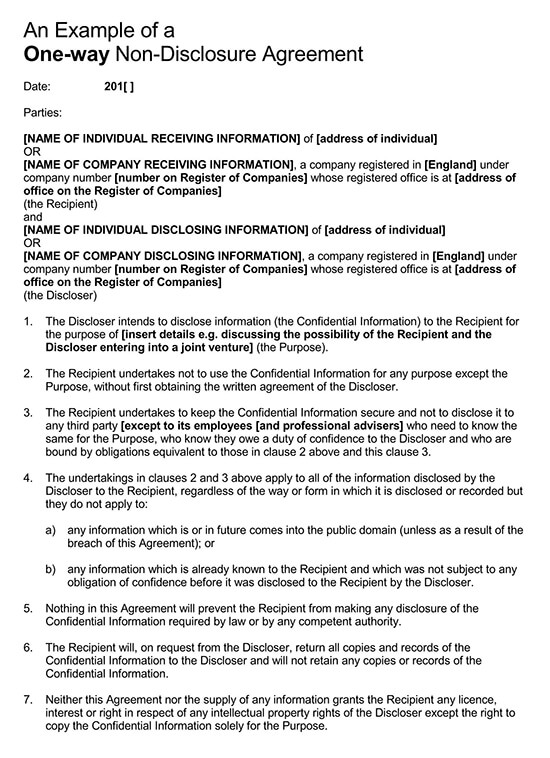
A licensing agreement is a contract that is legally binding and gives permission for a licensee to use a licensor’s intellectual property under agreed terms and conditions.
The intellectual property could be patents, trademarks, etc. In business or creative ventures, a licensing agreement is used to prevent conflicts, clarify responsibilities, and inform both parties involved of the range and limits of the agreement.
A licensing agreement template helps to simplify the process of creating a contract. We have included a free and ready-to-use template that is customizable, which will save you time as well as making sure that no details are overlooked in the process.
Understanding Licensing Agreements
It is a contract between a licensor and a licensee where the latter is given permission to use a licensor’s property, usually in exchange for payment. Its main purpose is to clarify the rights, responsibilities, and limitations of each party. Since it is legally binding, it offers legal protection and makes sure that a licensee does not misuse a licensor’s property.
There are key situations when a licensing agreement is essential:
- When protecting intellectual property rights such as patents, trade secrets, etc.
- In software and technology licensing where users are allowed to access and use apps, software, etc., without ownership transfer.
- In creative work,s when controlling usage rights for music, art, photography, etc. to protect a creator’s earnings and control.
- In trademark and brand licensing when giving individuals and businesses are given permission to use a logo, slogan, etc. to market their products or services.
Key Clauses Included in a Licensing Agreement
Grant of license
This clause defines what is being licensed and the scope of use. It also states whether the license is exclusive or non-exclusive. Exclusive means that only the licensee can use it and non-exclusive means that many licensees can use it. Additionally, it specifies the territory in which the asset can be used.
Term and termination
This clause specifies the length of the license i.e., fixed term or renewable term. It also states the reasons that will lead to early termination of the contract, for example, misuse of an asset, breach of contract, etc.
Payment terms
It explains how the licensor will be compensated. The payment terms could be in the form of royalties, lump-sum payment, milestone-based, etc. It also includes payment schedules, currency to be used, and audit rights where the licensor can verify sales.
The rights and obligations of both parties
It states the responsibilities of both parties. For example, the licensor could be in charge of providing product specifications, technical support, etc., while the licensee could be responsible for compliance, quality control, etc.
Intellectual property ownership and usage limitations
Since there is no transfer of ownership, this clause states that the licensor still owns the licensed property. It also indicates the limitations of use, for example, a clause indicating that the licensee can’t modify or transfer ownership to a third party.
Confidentiality clauses
It protects sensitive information shared between the two parties. This information could include business strategies, trade secrets, etc. This prevents either party from disclosing such information to competitors or the public.
Dispute resolution mechanisms
It clarifies how disputes will be resolved, i.e., via mediation, arbitration, litigation, or negotiation. This prevents cases from going to court, which will lead to more costs.
Governing law and jurisdiction
It states which state laws apply to the contract, especially in cross-border deals. It also identifies where legal proceedings will take place to avoid confusion.
How to Customize the Templates for Your Needs
Identify the relevant licensing
Identify whether you are licensing software, a trademark, brand, creative works, intellectual property, etc. This influences the clauses and legal considerations that you will include. For example, software licenses need clauses for technical support.
Tailor the rights and restrictions
Include the usage scope, i.e., what the licensee is allowed to do and what is not allowed, usage territory, modification permissions, etc. The restrictions should be specific to prevent misuse but also flexible to give the licensee breathing space.
Adjust the commercial terms
Modify the payment terms according to your preferences. Indicate whether you want to be paid in lump sums, royalties, etc. Additionally, specify the duration of the contract, i.e., whether it is fixed or can be renewed.
Ensure the description of the licensed material is clear
Avoid ambiguity by describing the licensed asset in detail. For example, for artwork, you can include the color, trademark number, etc., for easier identification and to make sure that the licensee uses the right property.
Always use straightforward language and avoid complex wording. This makes it easy for both parties to understand the contract. Also, maintain consistency in your wordings, such as licensed asset, licensee, or licensor, to avoid confusion.
Common Mistakes to Avoid
- Avoid using vague or overly broad language, which promotes ambiguity and may lead to a licensee misusing an asset.
- Failing to define the scope and duration of the license often leads to disagreements.
- Overlooking exclusivity terms and sublicensing permissions can be confusing.
- Not specifying what happens upon termination may lead to continued unauthorized use of a licensed asset.
- Ignoring local legal requirements or jurisdictional issues. Different countries have different contract laws. In cross-border licenses, make sure the contract specifies the governing law.
Who Should Use this Template?
- Small business owners licensing products or brand elements: Licensing agreement templates help them to safeguard their reputation when allowing others to use their logo, brand name, etc.
- Freelancers and creatives licensing original works: Artists, musicians, photographers, etc., use this template to give permission to others to use their work while still maintaining ownership of their work.
- Software developers and SaaS providers: They use this template to define usage limits, include clauses such as technical support, protect intellectual property, etc.
- Agencies offering white-labeled services or intellectual content: Marketing or design industries that allow clients to rebrand their work and later resell it with a different name use this template to prevent unauthorized distribution.
When to Seek Legal Advice
- When complex licensing structures and international agreements are involved to navigate various regulations.
- In high-value transactions, where specific terms and enforceability are crucial.
- When licensing involves multiple parties or jurisdictions which creates overlapping rights.
- To make sure that the agreement complies with applicable laws and is enforceable in the court of law.
How to Finalize and Execute the Agreement
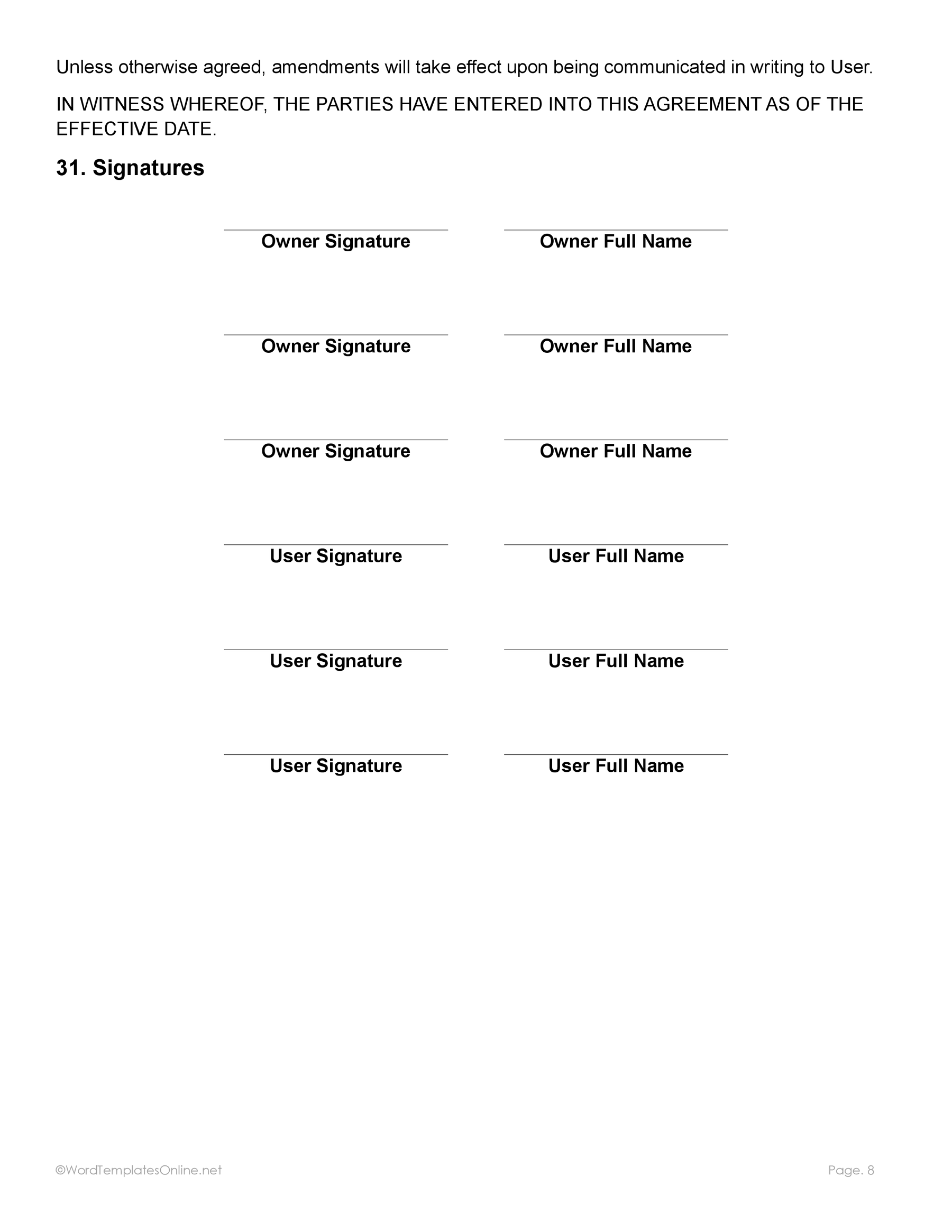
The first step is to review all terms to make sure that both parties, i.e., the licensor and licensee, understand and agree to the rights, responsibilities, and restrictions stipulated in the contract. Thereafter, both parties can sign the document to show that they are in agreement and to make it legally binding. Signing can be done digitally via a safe e-signature platform or with handwritten signatures. Each party should then keep a copy of the signed agreement for record-keeping purposes. It should be stored in a secure and easily accessible place. Lastly, depending on the jurisdiction, the agreement can be notarized or witnessed by legal professionals, especially for cross-border licensing agreements.
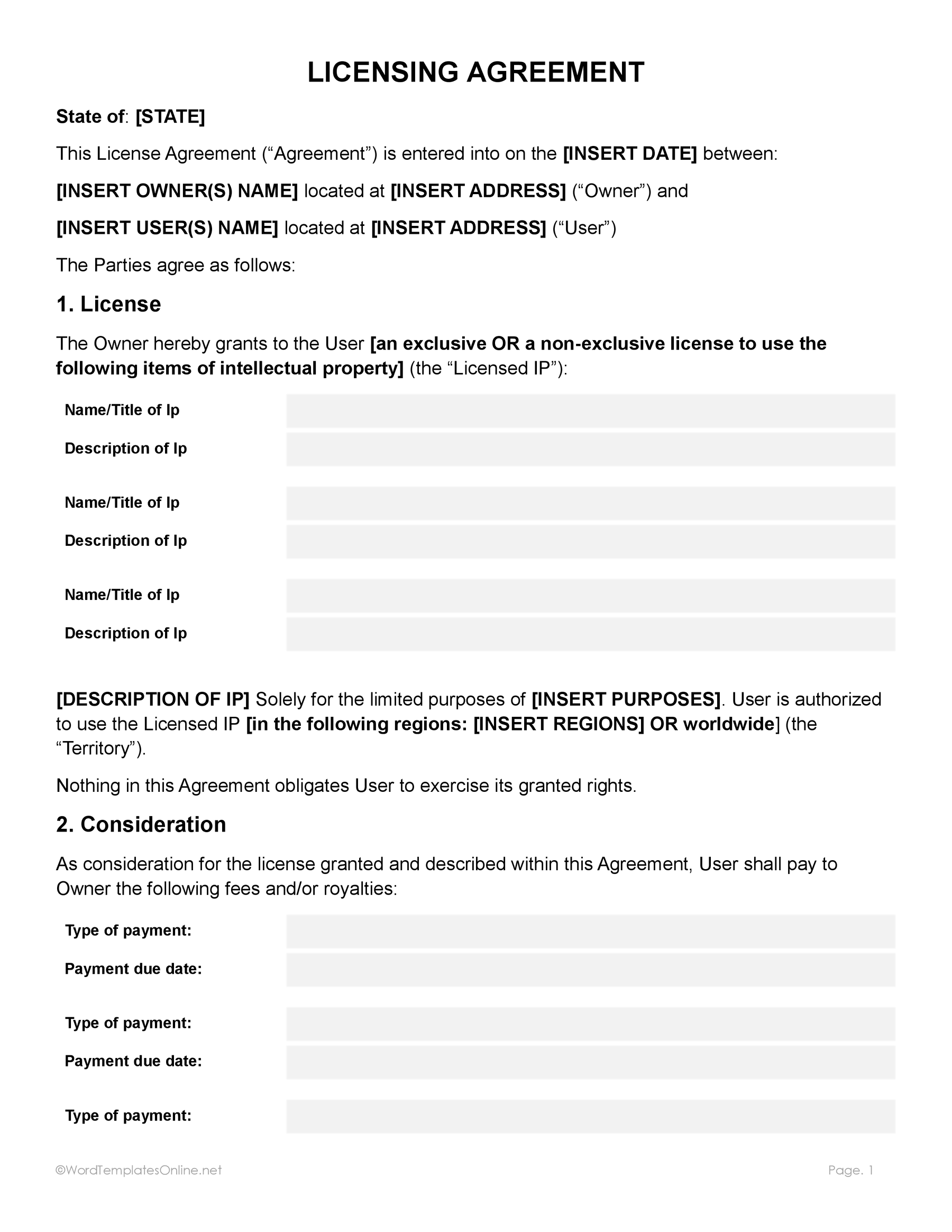
Download the Free Licensing Agreement Template
You can download a free template online to help create a professional contract. It is available in Microsoft Word and Google Docs formats, which makes it easy to edit to your liking. Always customize the template to align with your specific business needs to safeguard your rights.
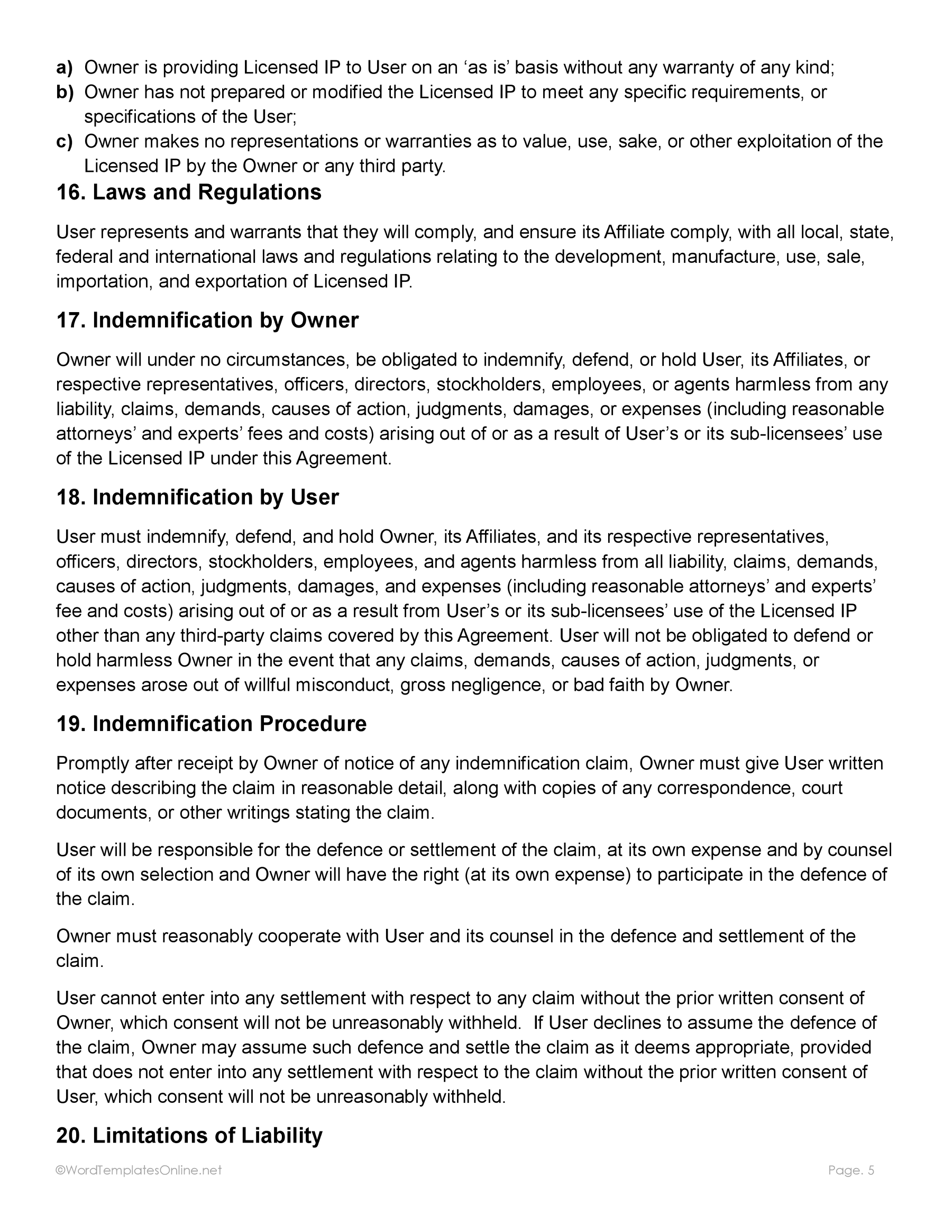
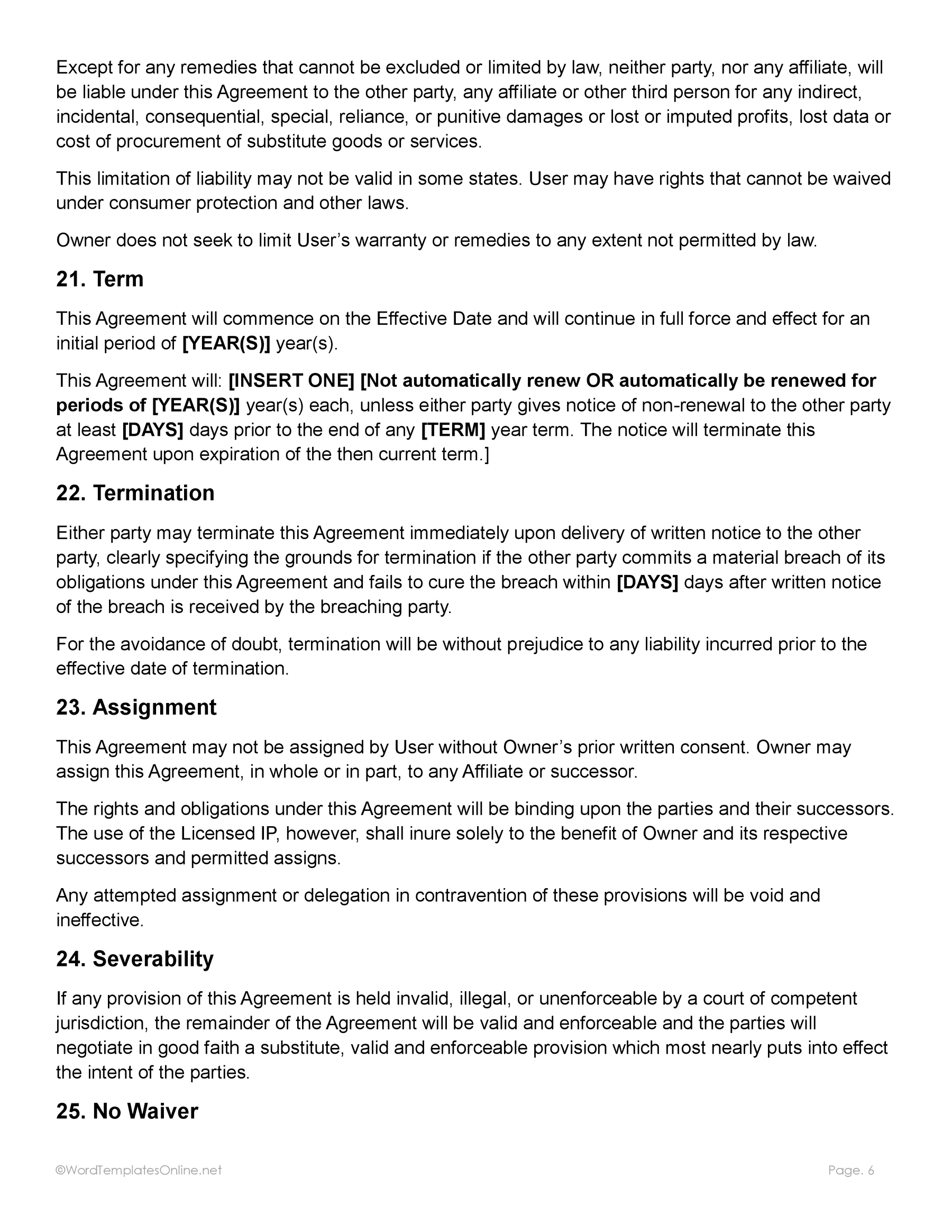
Licensing Agreement Template



Conclusion
Protecting your intellectual property through licensing is important if you want to safeguard your brand. A licensing agreement dictates how your assets will be used, which prevents conflicts and misunderstandings. Carefully customizing and executing an agreement ensures that both parties operate under clear terms and conditions. Most importantly, using a professionally pre-designed template gives you a structure that allows you to fill in the necessary details. It also saves you time by allowing you to focus on formulating a contract rather than worrying about structure.
About This Article