Did you know that nearly 50% of joint ventures fail within the first five years?
And here is the surprising part: most of them don’t fail because of the idea, but because the agreement was vague, incomplete, or poorly structured (Harvard Business Review). It is actually pretty straightforward. When revenue-sharing terms aren’t crystal clear, decision-making authority is not specified, or exit strategies are left “we’ll figure out later, even the most exciting opportunities can spiral into disputes and sometimes into expensive lawsuits.
A joint venture, without a doubt, opens doors to new markets, combines expertise, and shares financial risk. It is a powerful growth move, but without a well-written agreement, it instantly breaks relationships and wastes resources. The only thing that separates a successful partnership from messy fallout is a clear, legally binding agreement.
But what actually is a joint venture agreement? What are the key clauses to include in it? Don’t worry, this article covers everything you need to know about a joint venture contract. Plus, we’ll also introduce you to ready-made templates that you can use right away.
A Quick Look into Joint Venture Agreement
You own a software developer company (one party), and you partner with a marketing agency (second party) to launch a new SaaS product. You make the platform, and the agency funds advertising and manages the client acquisition. Everything is going smoothly until the review starts flowing.
Who owns the customer database? Who pays for ongoing maintenance? What happens if one party needs to exist?
All of these questions need to be documented in a legally binding contract between two parties (you & agency) who came together to share business. This rulebook is now a joint venture agreement. Unlike a general partnership, this agreement is maintained for a specific object or limited objective.
Usually, this contract comes into play when two or more parties decide to collaborate on a specific opportunity, whether it is launching a product, exploring a new market, or developing property.
Do you know? A joint venture agreement is also referred to as a business collaboration agreement, co-venture agreement, or even a strategic alliance contract, depending on the structure & scope.
Related:
The Must-Have Components of a Joint Venture Agreement
This is where things get serious. A handshake is good for trust, but a solid agreement is what acts as your safety wall. If you want to join a venture to survive beyond the happy days, these are the clauses you absolutely shouldn’t skip. Plus, this is what makes a contract reliable and legally enforceable.
1. Parties to the agreement
A reliable format always starts with the basics: who’s involved?
This section clearly lists the legal names, addresses, and legal status (LLC, corporation, individual, etc) of each party. This involves no shortcuts, no nicknames. If a dispute ever happens, this is the first place lawyers look.
2. Purpose of the joint venture
Why are you teaming up?
This clause spans around these questions and defines the exact goal of the collaboration. Be specific. Do you want to develop real estate? Launch a SaaS product? Expand into a new country?
It should also clarify what’s not included. Clear scope = fewer arguments later.
3. Capital contributions
Who is bringing what to the table?
This section indicates contributions from each party, whether it is cash, property, intellectual property, equipment, or even services. A good template outlines them clearly and assigns value to them. For instance, if one party brings $100,000 and the other contributes technology or land, it must be documented precisely. Vague numbers create big problems.
4. Ownership percentages
Now that contributions are added, it’s time to decide who owns what.
This is typically done through defining ownership percentages. Whatever the split is (50/60/70, etc), it must be mentioned clearly because eventually it will affect control, profits, and exit rights.
5. Profit and loss distribution
Every agreement comes with this integral clause. This specifies how the money is split. Will profits be shared according to ownership percentages? Or in a different ratio?
And what about losses? Many people forget that part. Make sure to keep expectations aligned before revenue starts flowing.
6. Management and decision-making
Who’s in charge? Is there a single manager or an entire committee? Do major decisions require unanimous approval?
All of these questions are discussed in the section, and transparently allocate responsibilities considering the bigger picture. Without it, even small misunderstandings can turn into power struggles.
7. Roles and responsibilities
In joint ventures, people often encounter a classic “I thought you were handling that” problem. That’s why every agreement has this section that spells out the roles of each party. Such as, one party will look for operations, and the other handles marketing. Similarly, one manages finances, and the other oversees technical development.
8. Confidentiality clause
If you’ve ever been in a joint business, you must know how important a confidentiality clause is. This part briefly explains which information must stay private. For example, it must be the customer information, financial data, proprietary processes, and trade secrets. The clause acts as a legal protection for all the sensitive information.
9. Dispute resolution (arbitration, mediation, buy-out options)
Not all deals go smoothly; conflicts can happen. So, it’s always a great strategy to plan for them beforehand. This clause deliberately explains whether a rising dispute goes to mediation, arbitration, court, or triggers a buy-out option. In short, deciding this early can save both parties time, money, and stress.
10. Termination clause
A termination clause gives information about how the joint venture ends. Does it require a certain number of years, or does it depend on project completion? What if one party wants an early exit? Mentioning an exit strategy is not being pessimistic; it’s being professional.
11. Governing law
Most importantly, make sure to talk to each other and decide which state or country’s laws will apply. This matters more than people realize, especially in cross-border ventures. It suggests how taxes are implemented and, in case issues occur, how they are interpreted legally.
12. Assignment and transfer restrictions
Can one party transfer its interest?
In combined collaboration, it is better to decide this upfront and write under this section. This prevents one partner from suddenly selling their stake to someone you don’t want to work with. It may require written consent from your side before any ownership transfer.
13. Miscellaneous provisions
This is the “small but important” section of the agreement. This covers basic but significant details, such as how amendments can be made to the document, and through which medium notice should be sent.
Apart from this, it also carefully explains what if one part of the agreement becomes invalid while the rest still stands, and validates that this written document overrides any past verbal promises or emails.
It might seem like boring fine print, but this is a part that quietly seals the crack and prevents any technical loopholes later.
3 Major Types of Joint Venture Agreements (Free Templates Available)
Not all joint ventures are built the same way. Some are quick collaborations, while others are full-on business commitments. Here’s a simple breakdown:
Contract joint venture
This is a “let’s team up but keep our companies separate” setup. Here, you sign an agreement, define roles and profits, and work together, without creating a new business entity. It is perfect for short-term or flexible deals.
What does it include:
The basic skeleton of all the agreements stays the same; however, there are some distinctions that make you use a specific type of template in a specific need. For instance, in a reliable contractual JV agreement, you see a stronger language around scope, roles, responsibilities, and operational control.
It won’t have a section about shares or forming a corporation. Instead, it focuses more on profit-sharing mechanics, confidentiality, and authority limits.
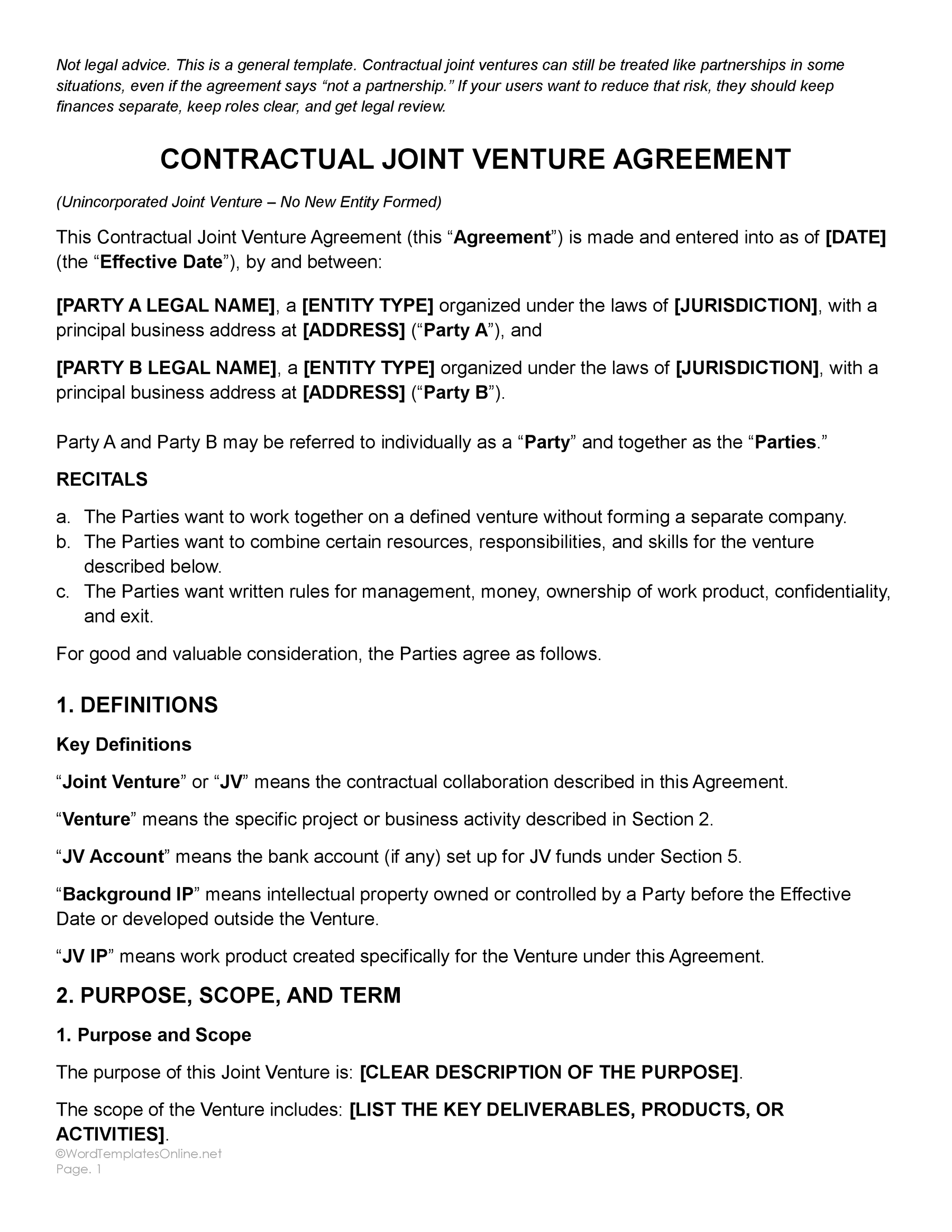
If you are making a contract JV agreement and want to jump-start the process straight away? You can download our ready-to-use template and customize it according to your needs.
Contract Joint Venture Template
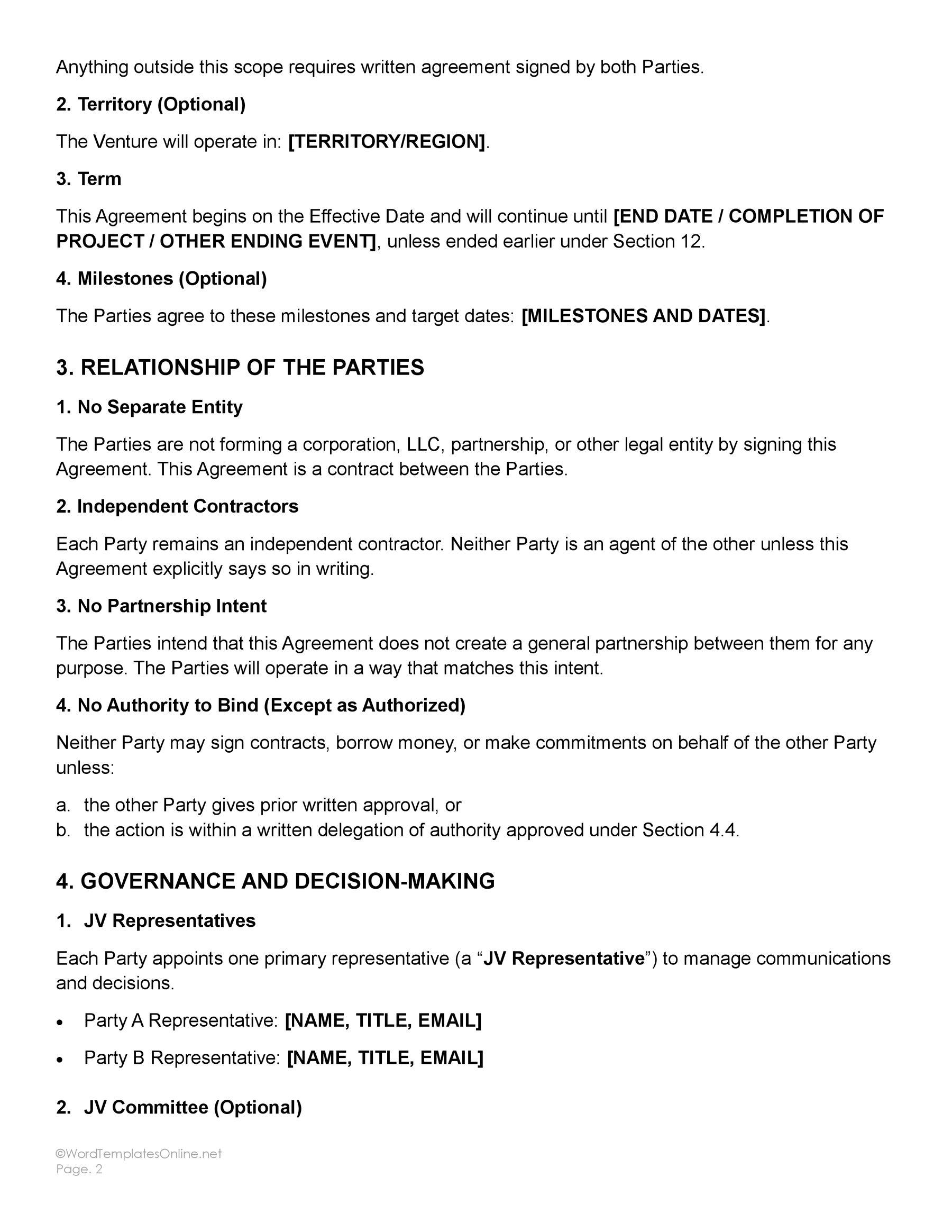


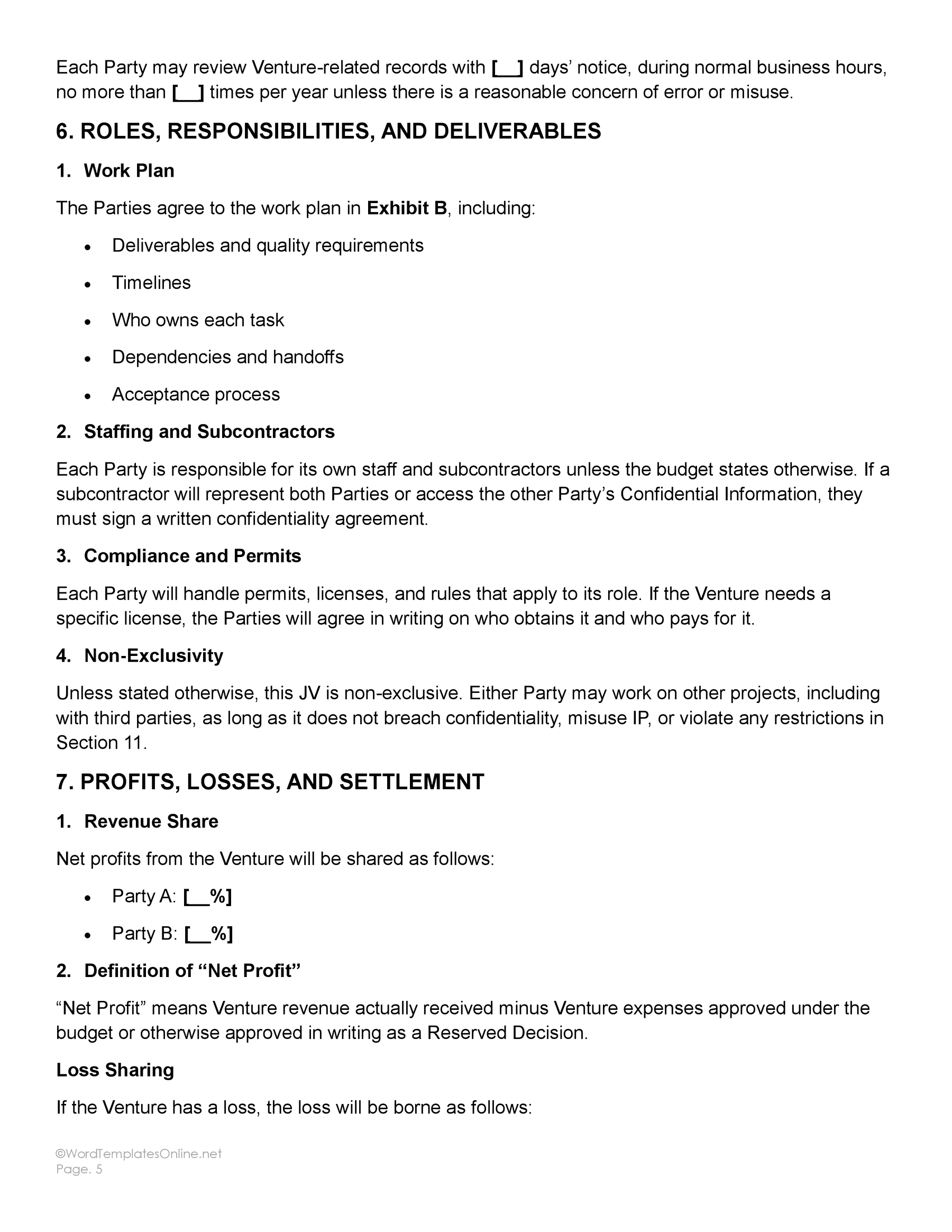

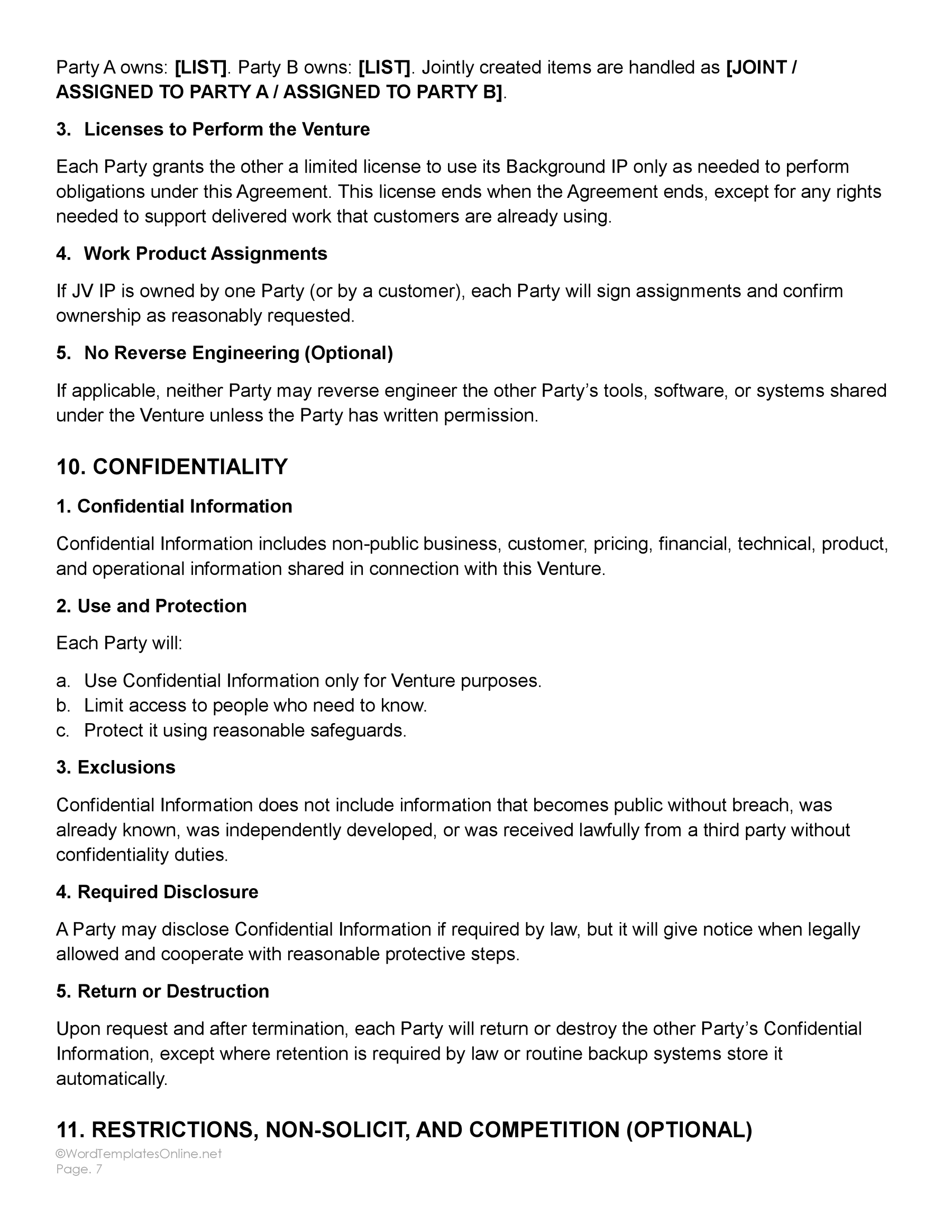

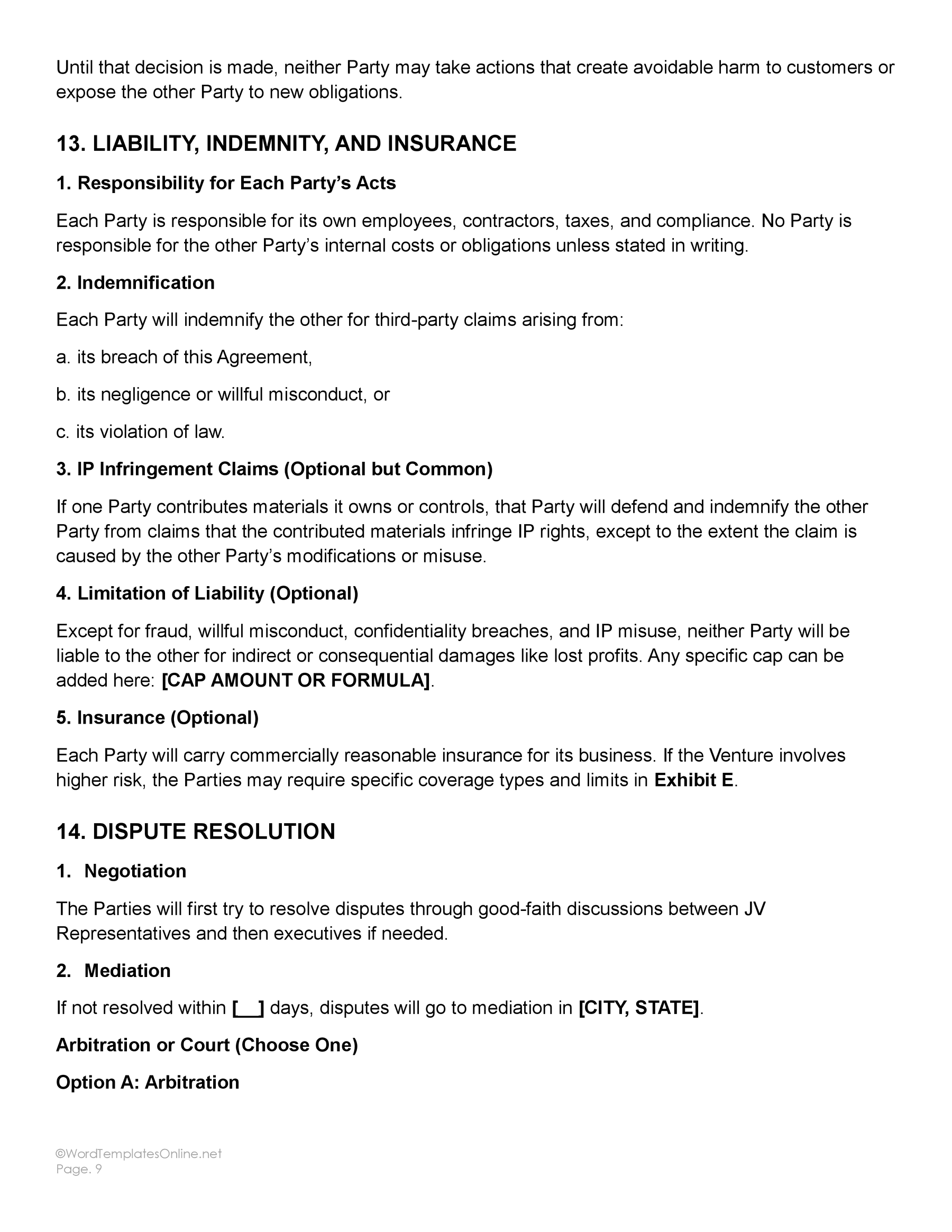

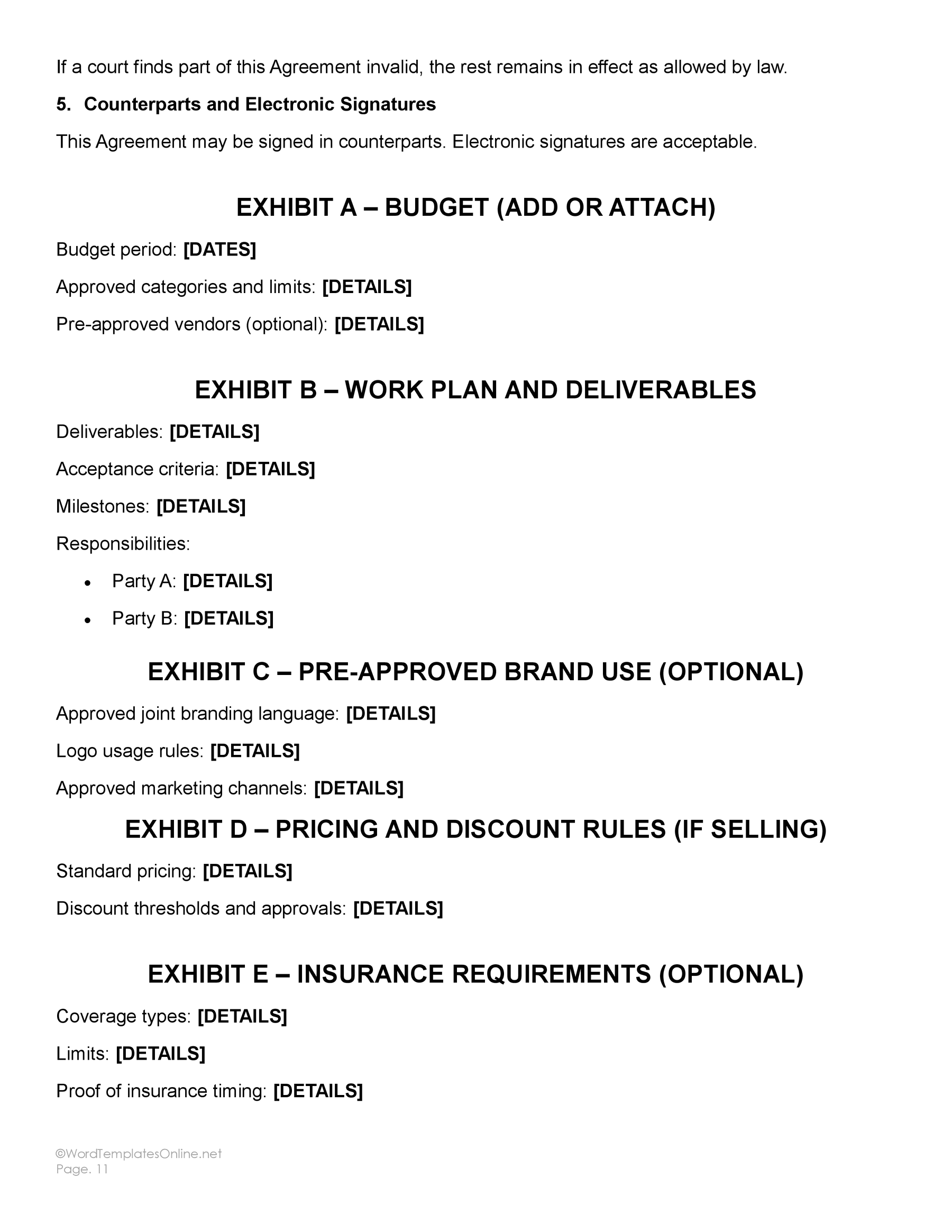
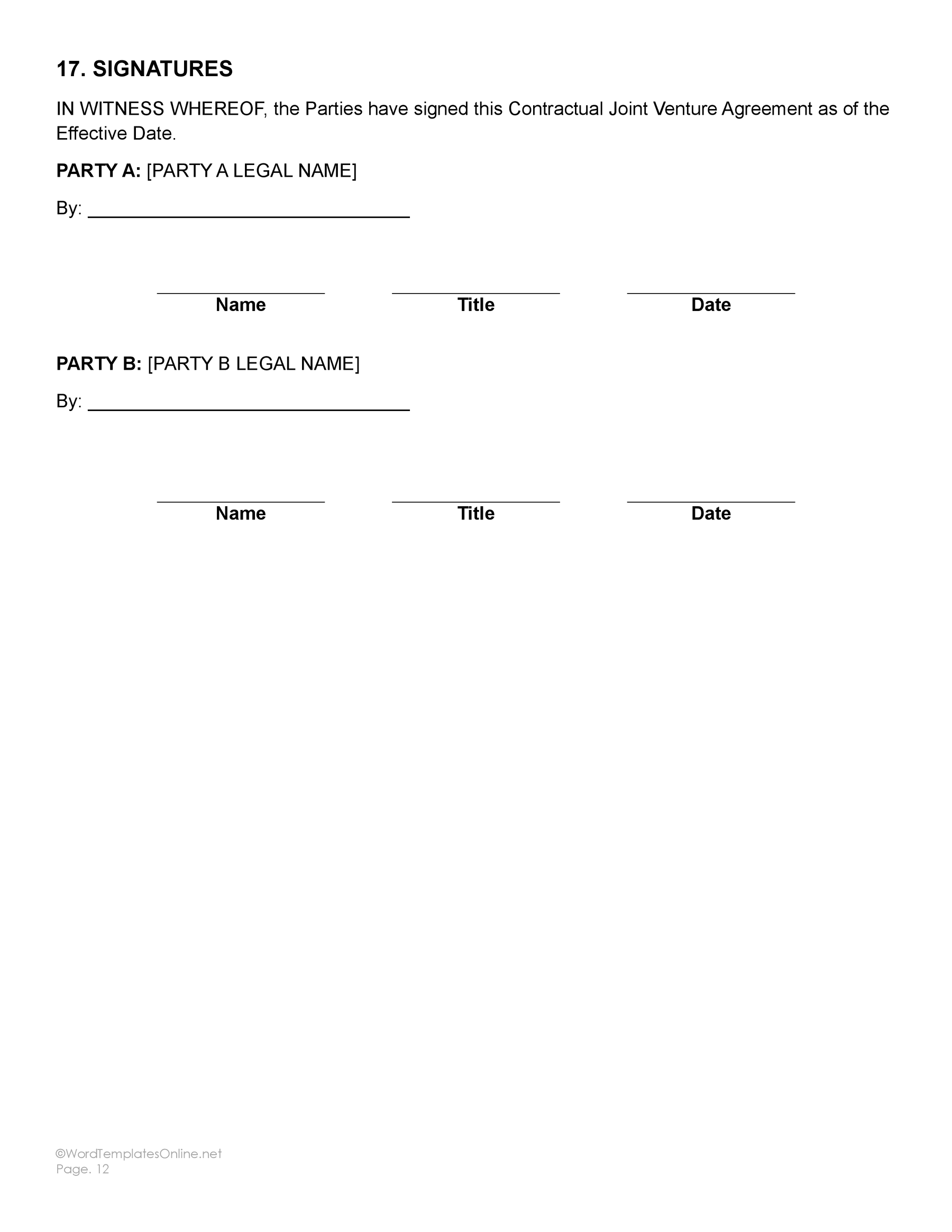
Contract Joint Venture Template
Equity joint venture
This is for a more serious deal. In this agreement, you actually make a new company together and divide ownership based on contributions. It’s pretty common when the project is long-term or involves a big investment.
What does it include:
Generally, the agreement is more than just a collaboration and covers ownership mechanics in detail. It typically includes provision for company formation, ownership percentages linked to capital contributions, voting rights, management structure, and share transfer restrictions.
Moreover, you’ll also find some additional clauses about governance, shared distribution, and exit strategies. Since it mainly focuses on money or equity. The document looks more like a corporate agreement than a simple collaboration contract.
Let’s be honest, drafting a contract is a tough task. But we have a quick fix. Download our Equity JV template now and complete the process in minutes.
Equity JV Template
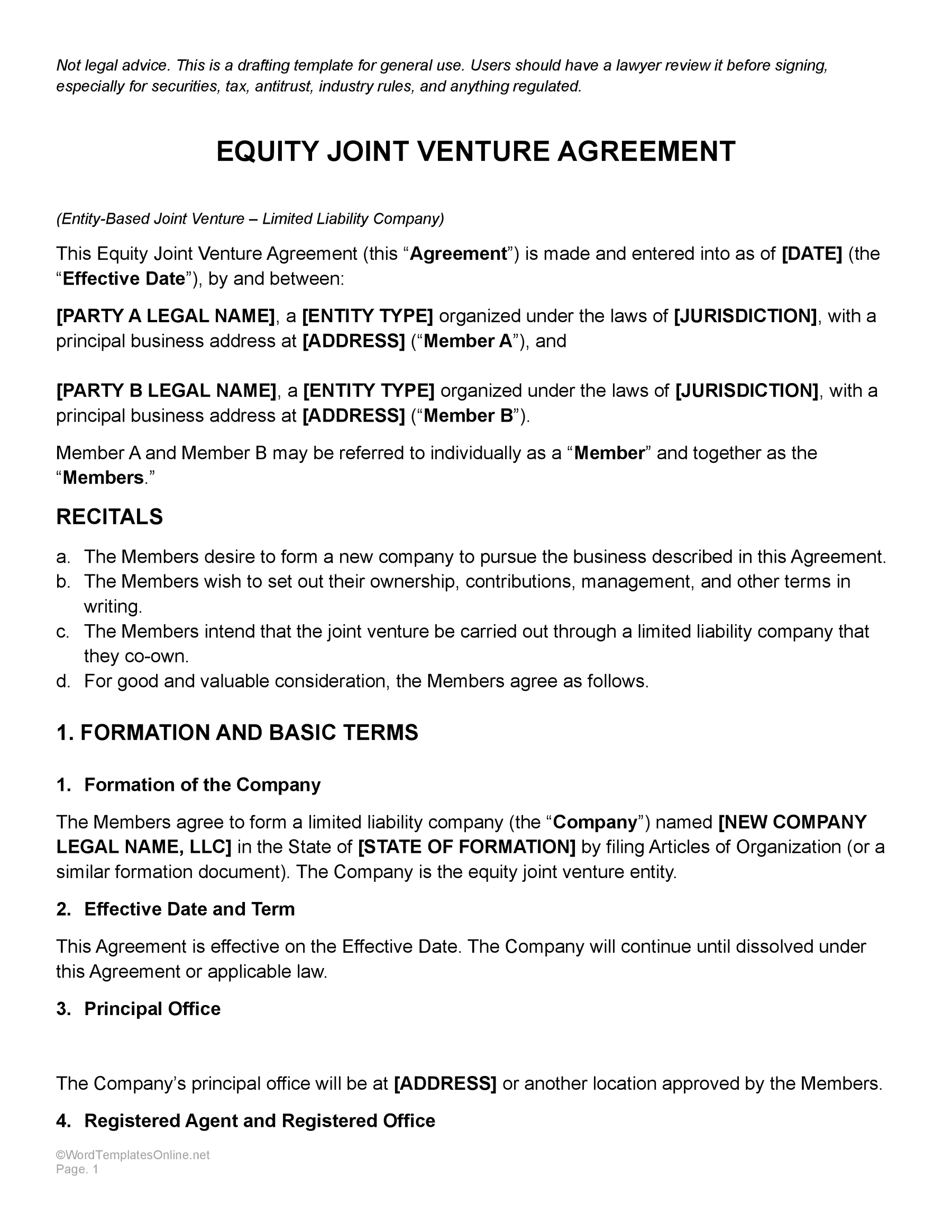
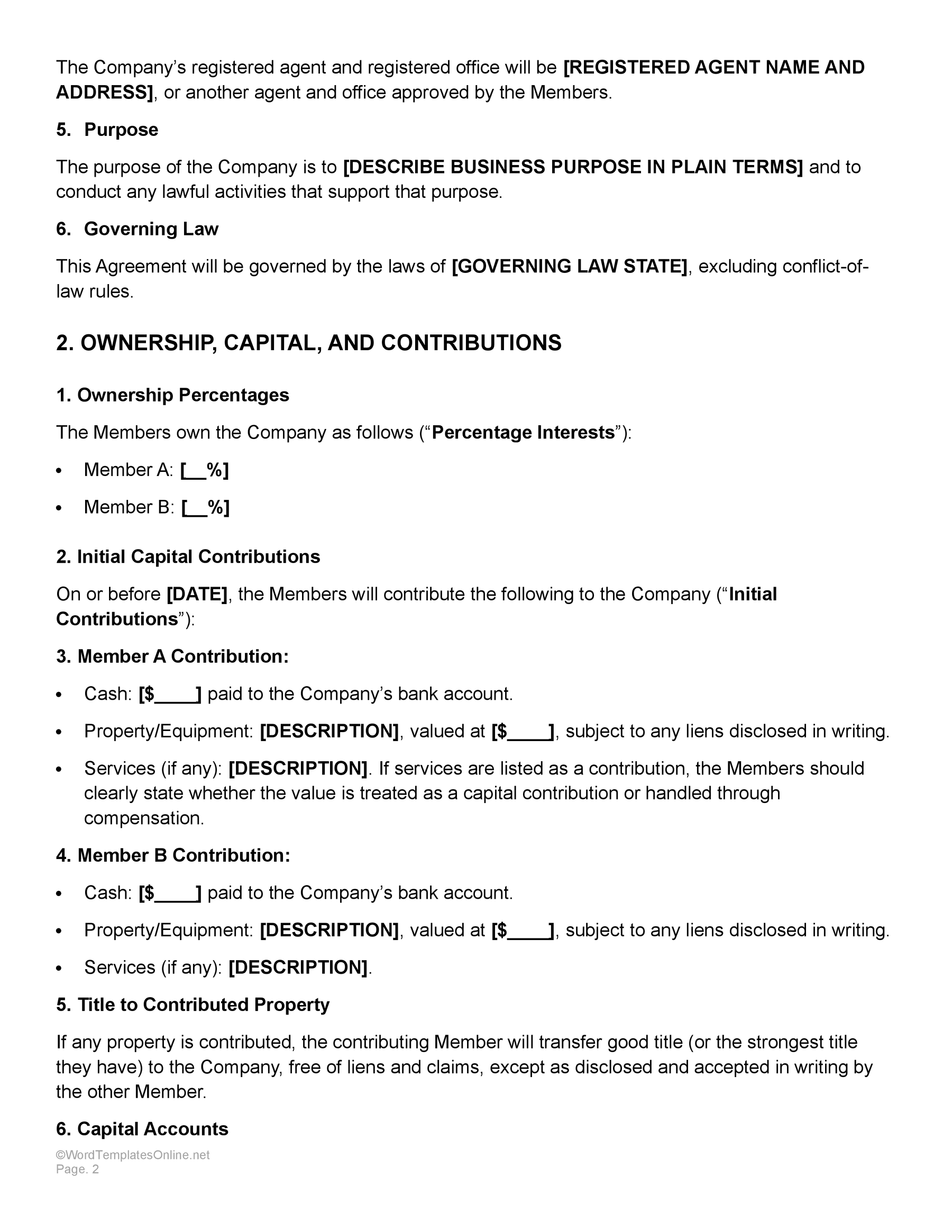

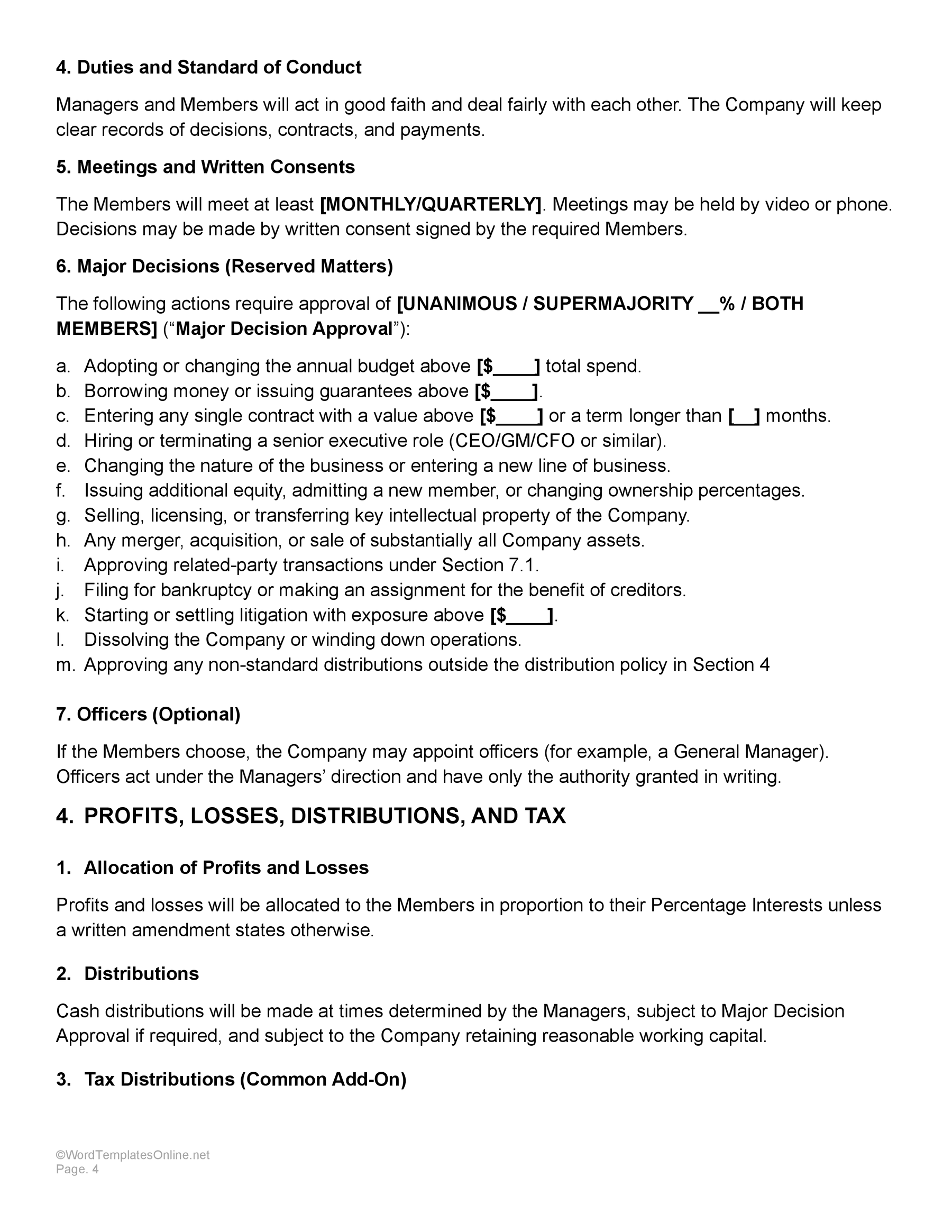

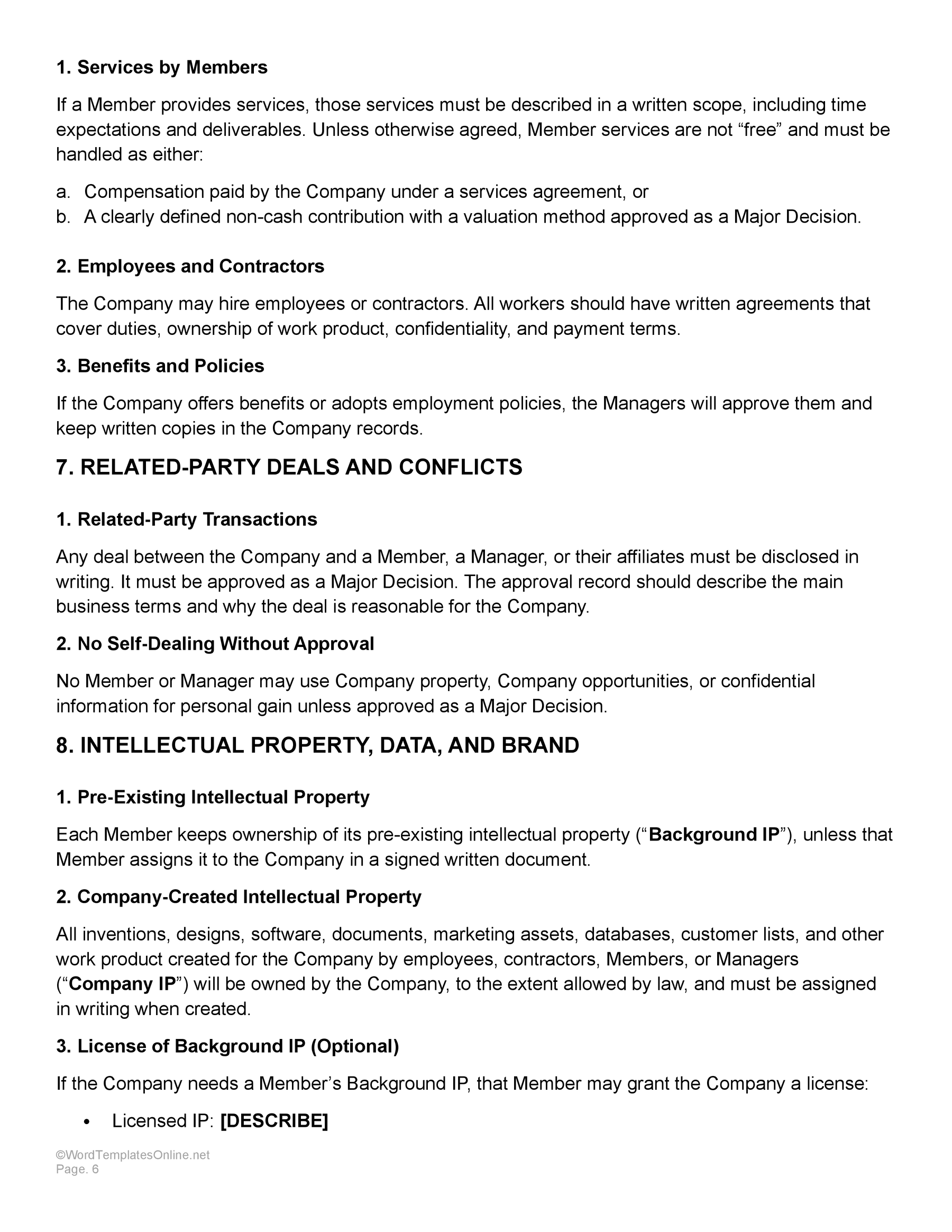
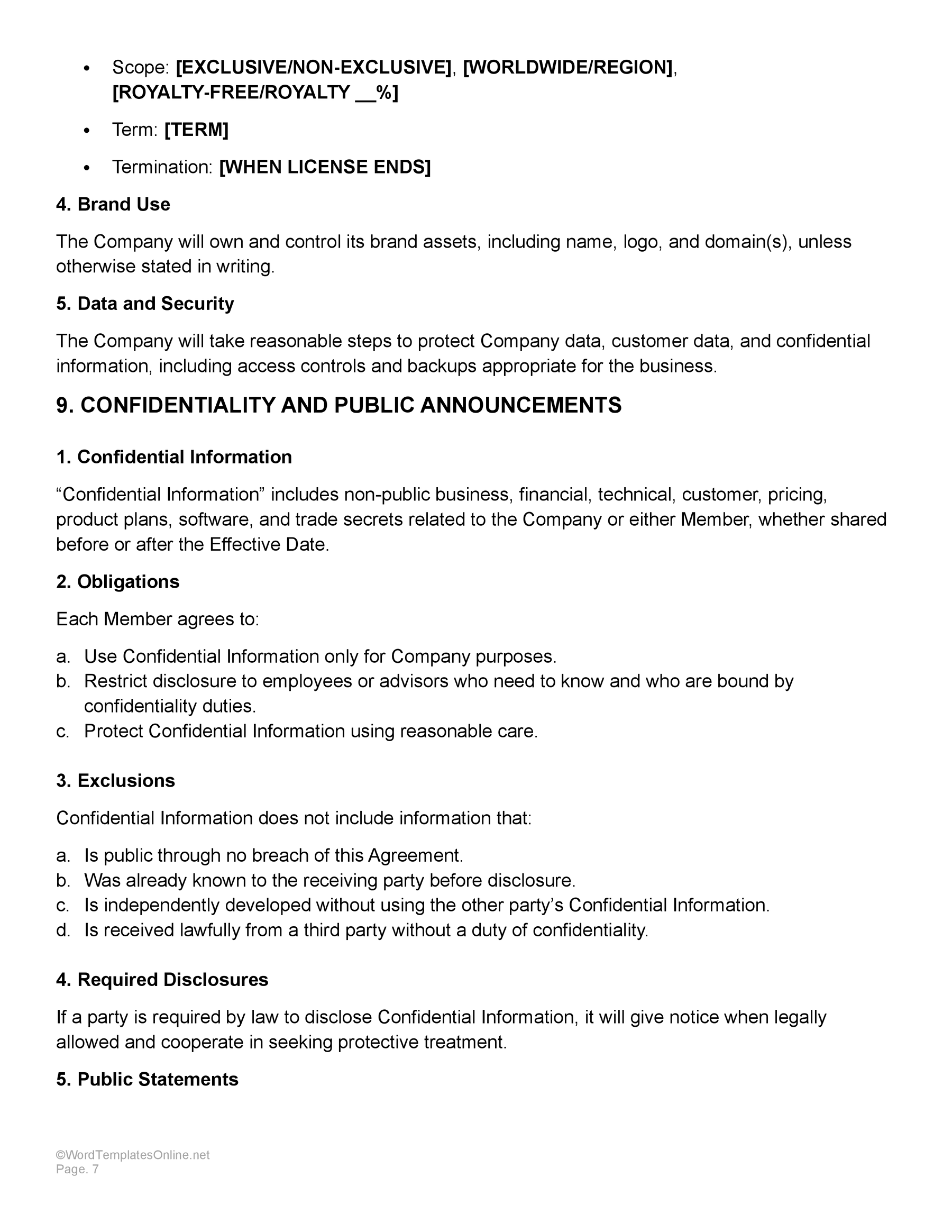
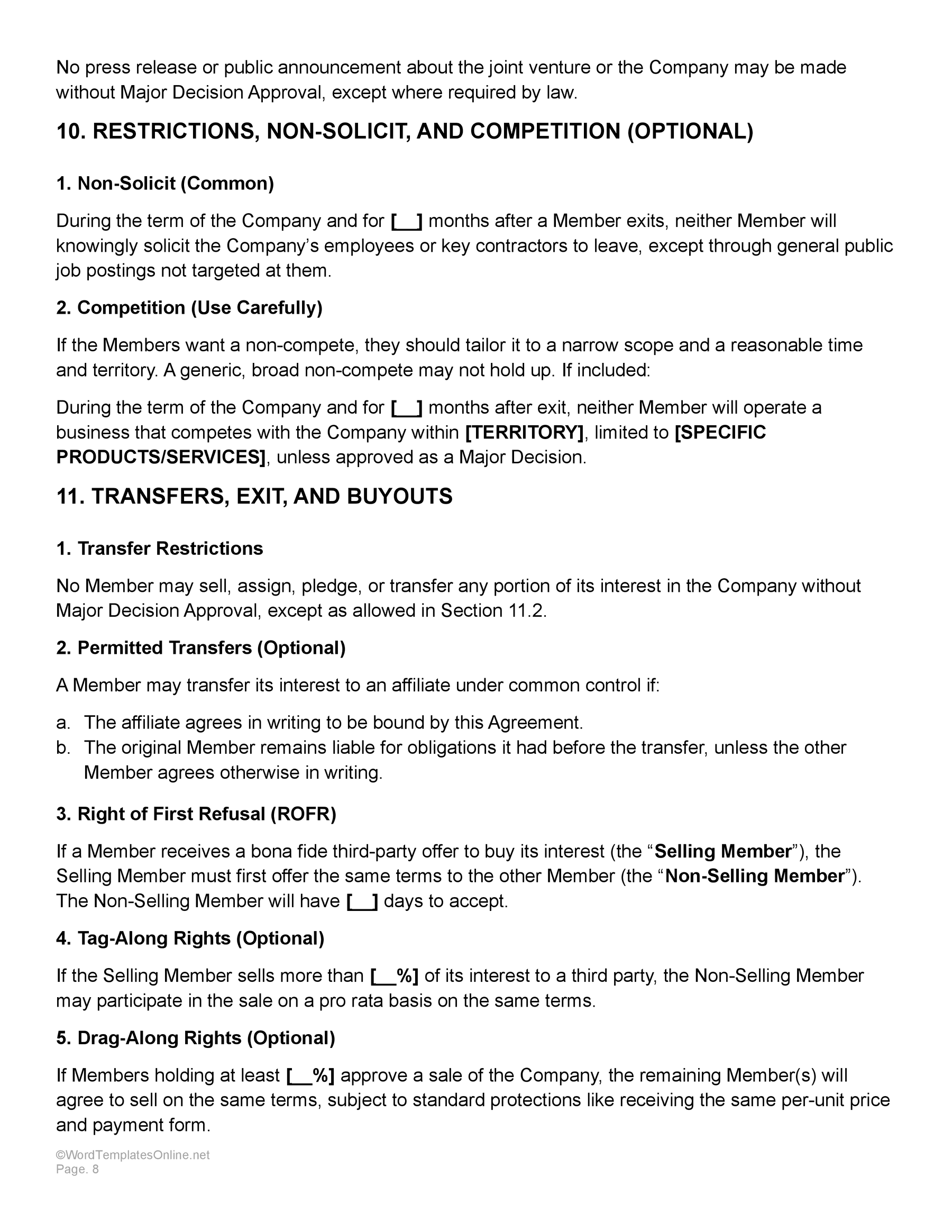

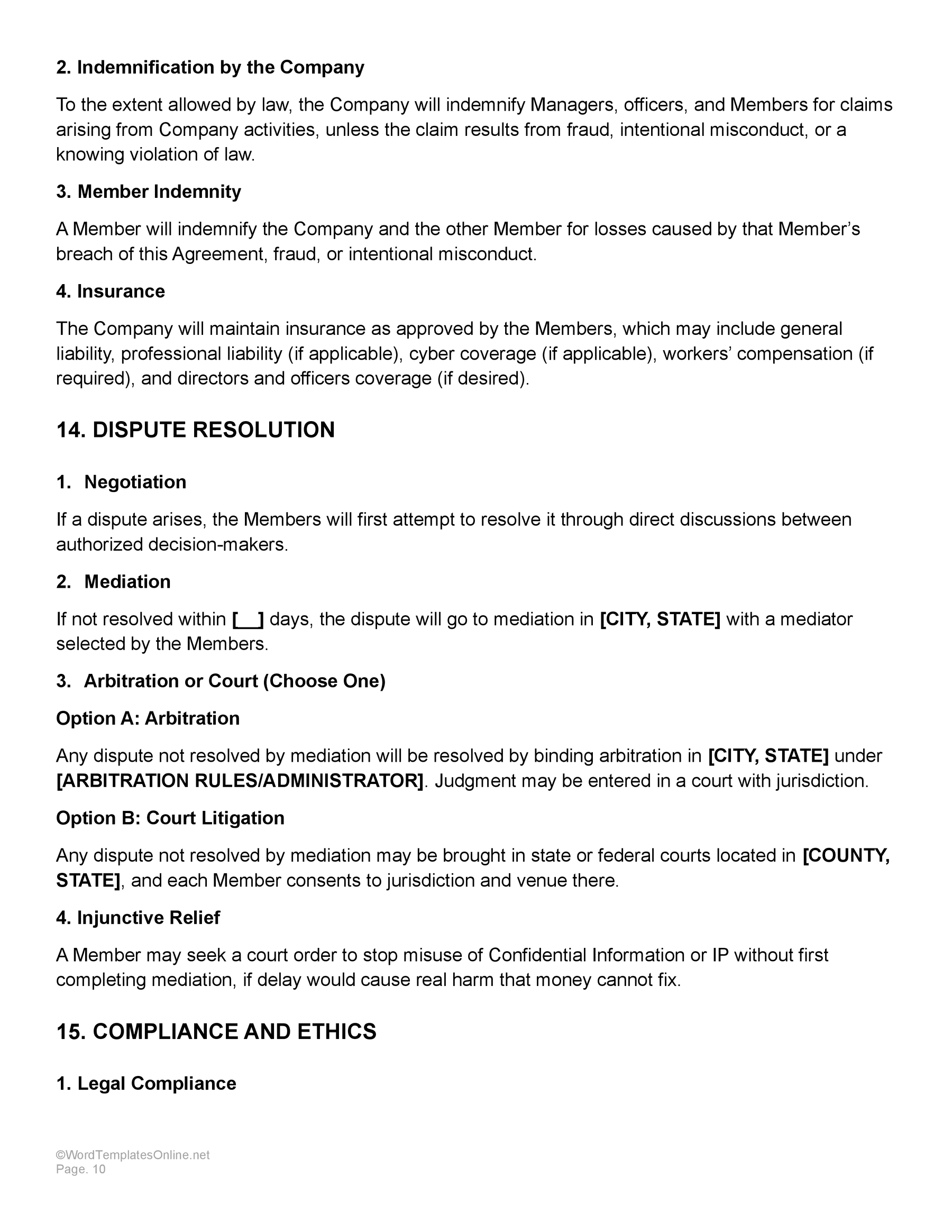


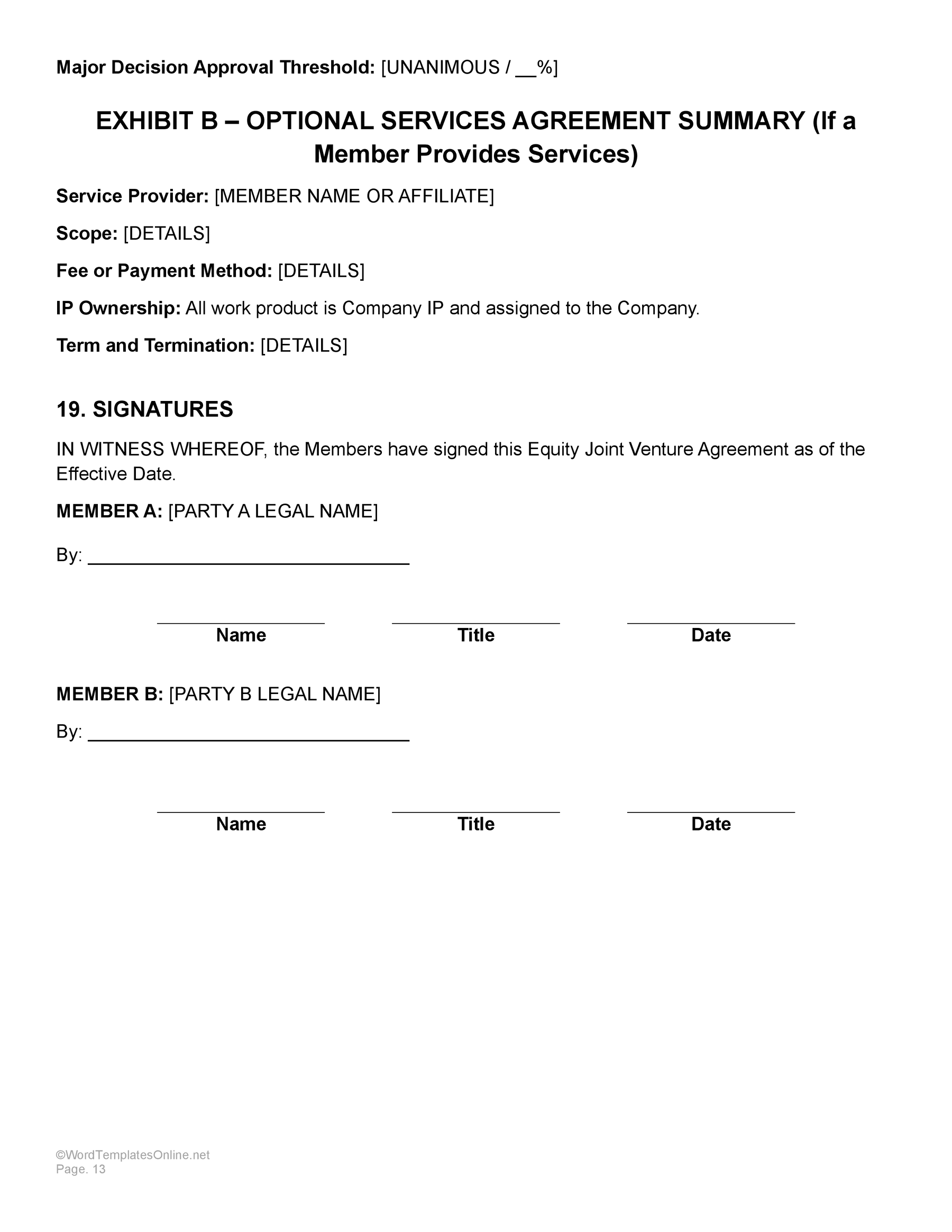
Equity JV Template
Project-based joint venture
This is a “mission-focused” type. You join forces for one specific project, such as building a property or launching a project, and once done, it wraps up automatically. Compared to other JV agreements, it is more goal-oriented and temporary in nature.
What does it include:
You’ll see, the purpose clause in this agreement is very descriptive as it clearly defines the project scope, timeline, milestones, and deliverables. The termination clause is pretty predictable; it states that the contract automatically ends once the project is completed.
Moreover, any good template also includes milestone-based contribution schedules, cost-sharing arrangements, and limited liability provisions tied to that project.
You can download a professional template from here and tweak it to fit your needs.
Project Joint Venture Agreement Template
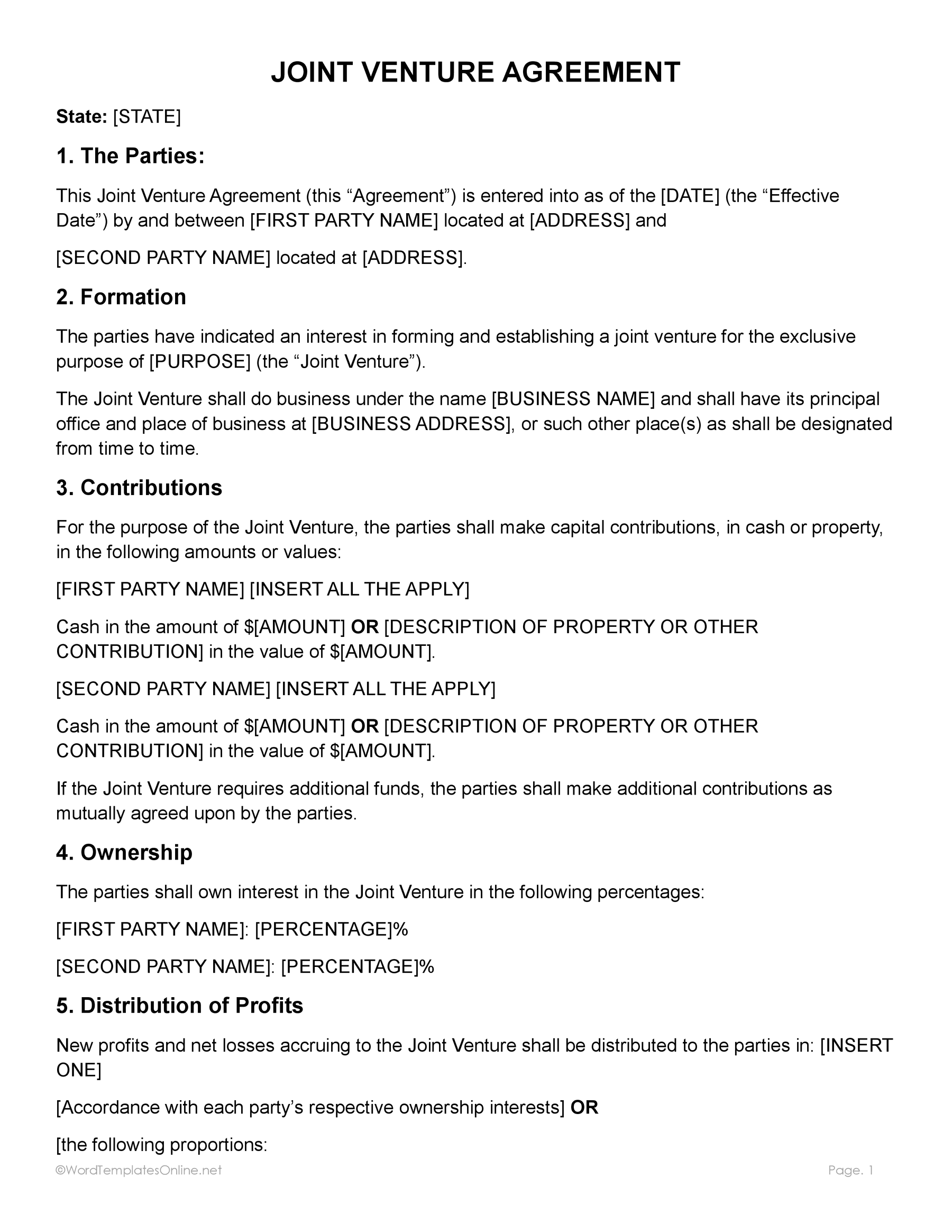
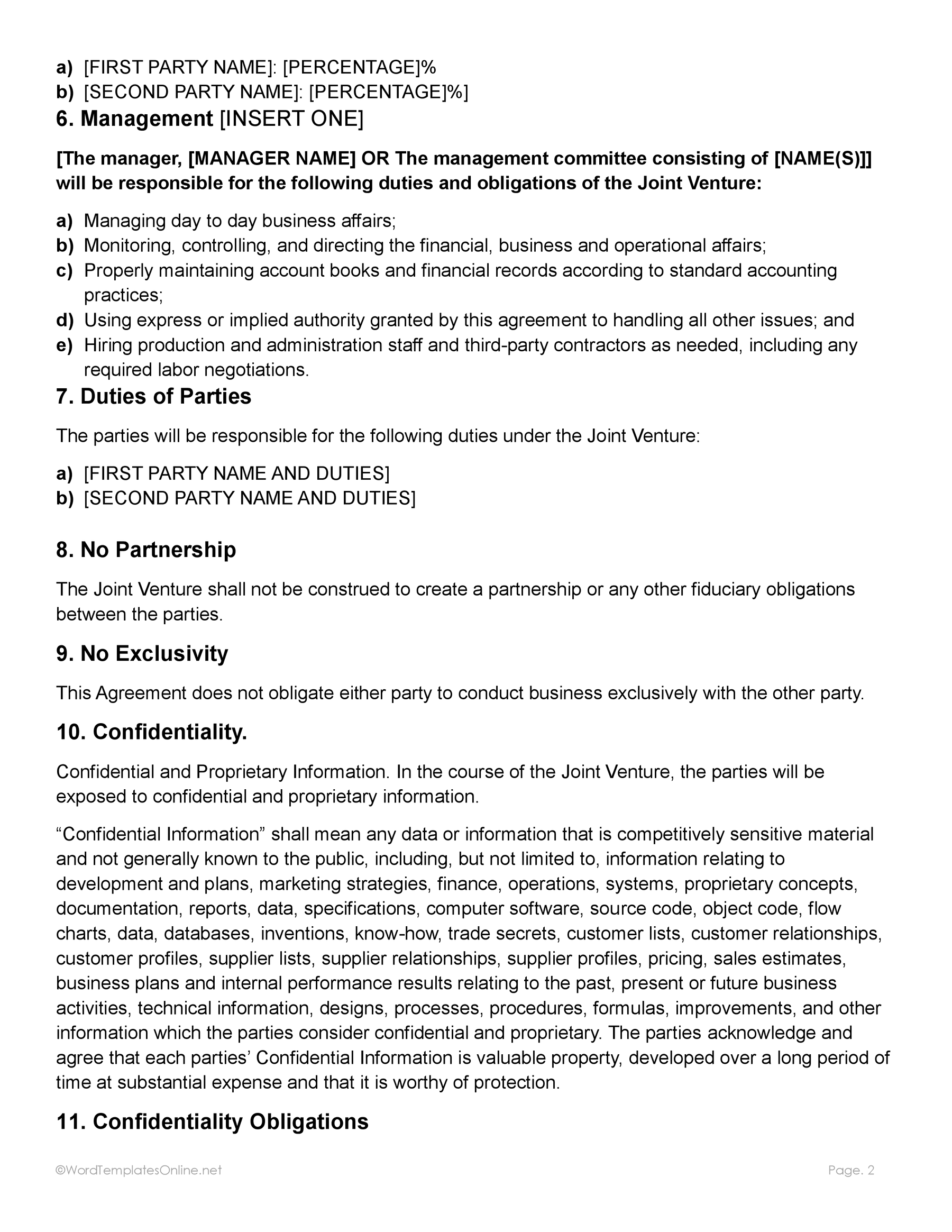
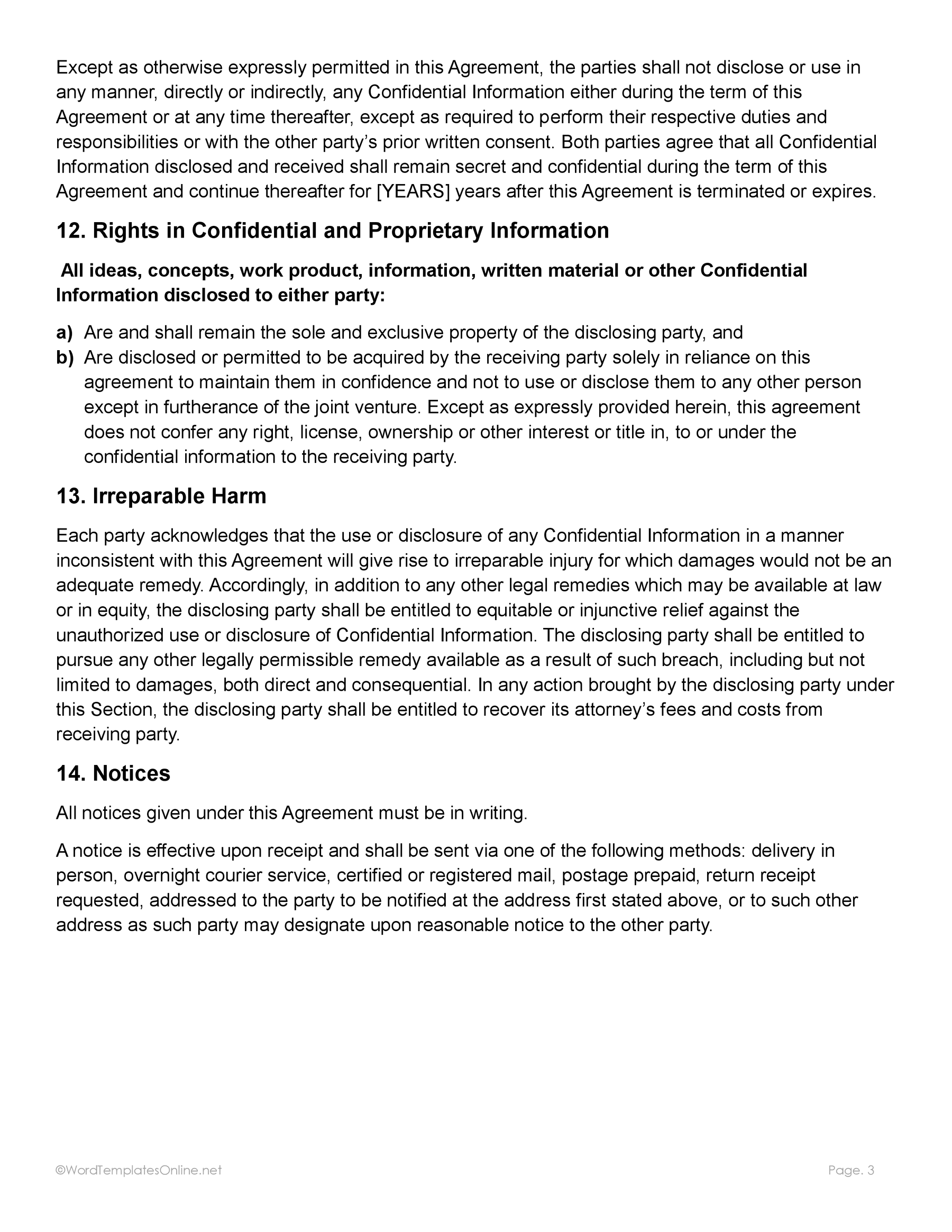

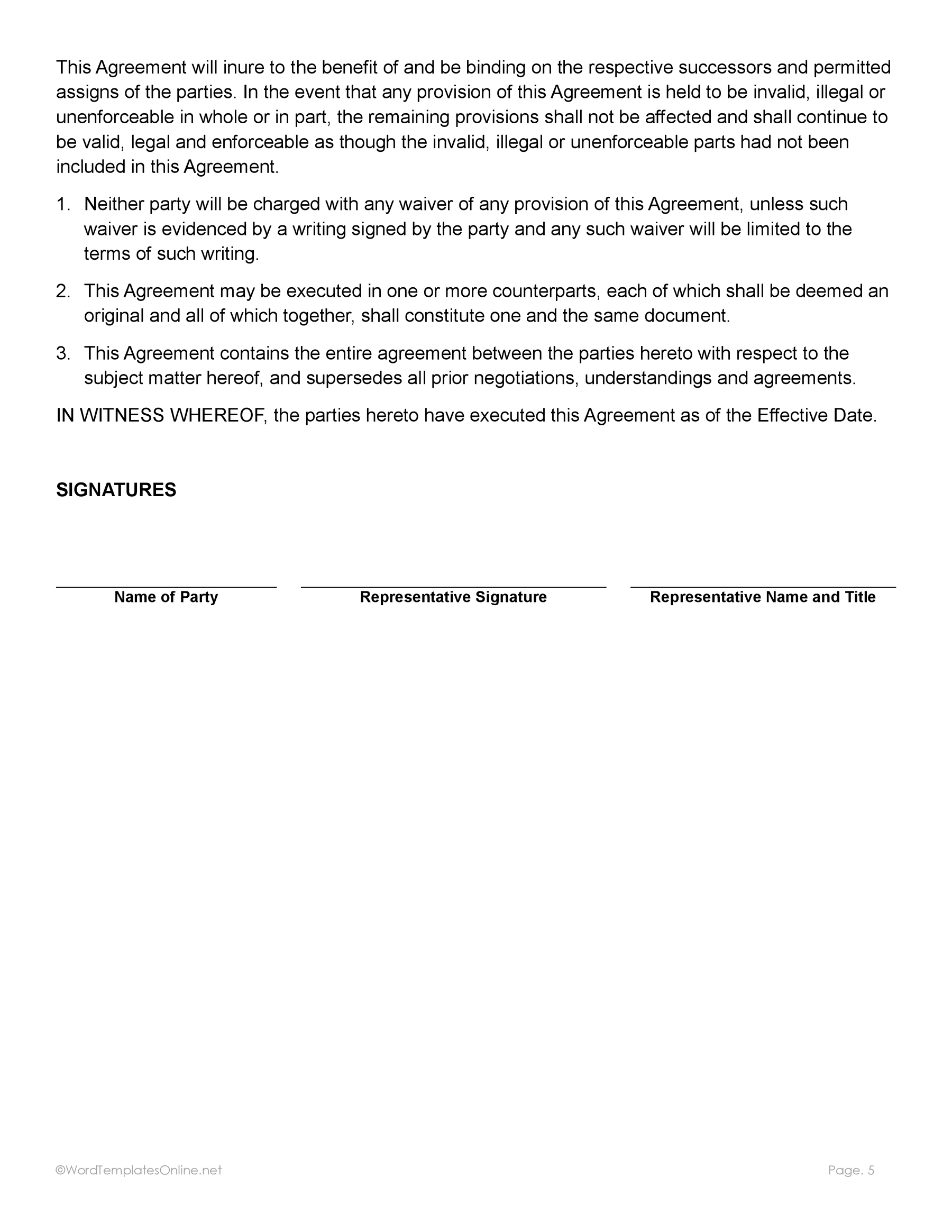
Project Joint Venture Agreement Template
How to use these templates
Using our templates is really straightforward. They come with a professionally structured format (MS Word, PDF) that already includes all the key clauses. You just plug in your details, adjust where needed, and you’re good to go.
Let’s say you have downloaded a joint agreement template (depending on your needs), now:
- Replace all bracketed dummy text with your details (names, addresses, contributions).
- Adjust and edit the profit and loss distribution to match your agreement.
- Choose your preferred and decided dispute resolution method.
- Add your state and country’s governing law.
- Review everything carefully, and it is better to give it a quick legal review before signing.
That’s it. No overcomplicating.
Joint Venture Agreement Vs Partnership Agreement
People often use these terms interchangeably, but legally they serve different meanings. If you structure it wrong, you could accidentally get stuck in liabilities you never planned for.
Here’s a simple side-by-side comparison:
| Feature | Joint Venture | Partnership |
|---|---|---|
| Duration | Usually limited to a specific period or project | It is ongoing and continuous |
| Legal Entity | Optional (may or may not require forming a new entity) | Often works as a continuing business structure |
| Purpose | Created for a specific project or objective | Formed to run a general business together |
| Liability Exposure | Limited to the scope of the venture | Partners may have wide shared liability |
| Flexibility | More flexible and customizable | More formal, long-term relationship |
Check out our 23 Free Partnership Agreement Templates (Examples).
Common Mistakes to Avoid in a JV Agreement (Straight From Real World Discussions)
If you spend 10 minutes reading business threads on Reddit, you will see a pattern. The same problem pops up again and again, not because people are careless, but because they believe “we trust each other” was enough.”
1.“We Never Clearly Agreed on Profit Splits…”
One of the most common issues sounds like this: we agreed on 50/50, but I did most of the work. Now what?
It means that the parties didn’t define ownership percentages and profit and loss distribution (clause 4,5). It is important to address this painfully clear, as once money starts coming, expectations change and resentment starts building fast.
2. No Exit Plan, And Now Someone Wants Out
Another issue that caught the spotlight is “My JV partners ants leave. We never discuss how.”
This is where things get ugly. Without a buyout formula, the valuation method, or notice period, you’re stuck negotiating the conflict, which is the worst time to negotiate. The only solution is to write a clear exit clause to protect both sides before emotions intervene.
3. “I Thought I Was in Charge…”
Power struggles are everywhere in business forums. One partner assumes they control operations. The other assumes all major decisions require approval. Suddenly, the assumptions lead to serious operational breakdowns.
If your agreement doesn’t clearly define bigger picture responsibilities, day-to-day dealings, and deadlock solutions, you’re basically digging a hole for yourself.
4. No Dispute Resolution Clause = Expensive Court Drama
One of the most significant mistakes that small ventures make is skipping arbitration or mediation clauses. Then, when conflicts arise, they’re shocked by legal fees. To avoid any legal fight, make sure to add a settlement clause if a dispute occurs.
5. “We Didn’t Include Confidentiality Because We’re Friends.”
Additionally, we also found this issue quite a bit.
A partner leaves. Six months later, they came up with a competitive product using shared insights, customer contacts, or internal strategies.
Without a confidence clause, enforcement becomes difficult. Friendship doesn’t override legal protection.
So, Before You Shake Hands..
Make sure you’re not making a decision in a hurry.
We know that even the idea of a new joint venture brings excitement. Why would it not? Well, it’s a whole new opportunity, shared energy, and big plans ahead. But here’s a thing: business is not just about optimism and excitement, it’s about smartness and planning. The great ventures aren’t built on trust alone; they’re built on clarity. When roles are defined, profits are decided, and exit plans are openly mapped out, you remove guesswork and shape a good collaboration.
So, before you dive in, put it in writing. SPELL IT OUT. MAKE IT OFFICIAL. Because when things go well, your agreement keeps everything smooth. And when things don’t?? In short, it keeps everything controlled.
Frequently Asked Questions
Can a joint venture exist without a written contract?
Technically, yes. A joint venture can exist even without a written contract if two parties collaborate on the same goal. But here is the risk: a written contract acts as your protection wall, and without it, everything becomes harder to prove.
How long does a joint venture agreement last?
Well, it usually depends on how it is planned. Some ventures are project-based and automatically wrap up once the project is completed. While others are carried out for fixed years (3-5 years).
Is a joint venture a separate legal entity?
Not always. In a contractual JV, there is no need to form a new legal entity. However, in an equity JV, a new entity is made, and each party owns shares in it.
About This Article