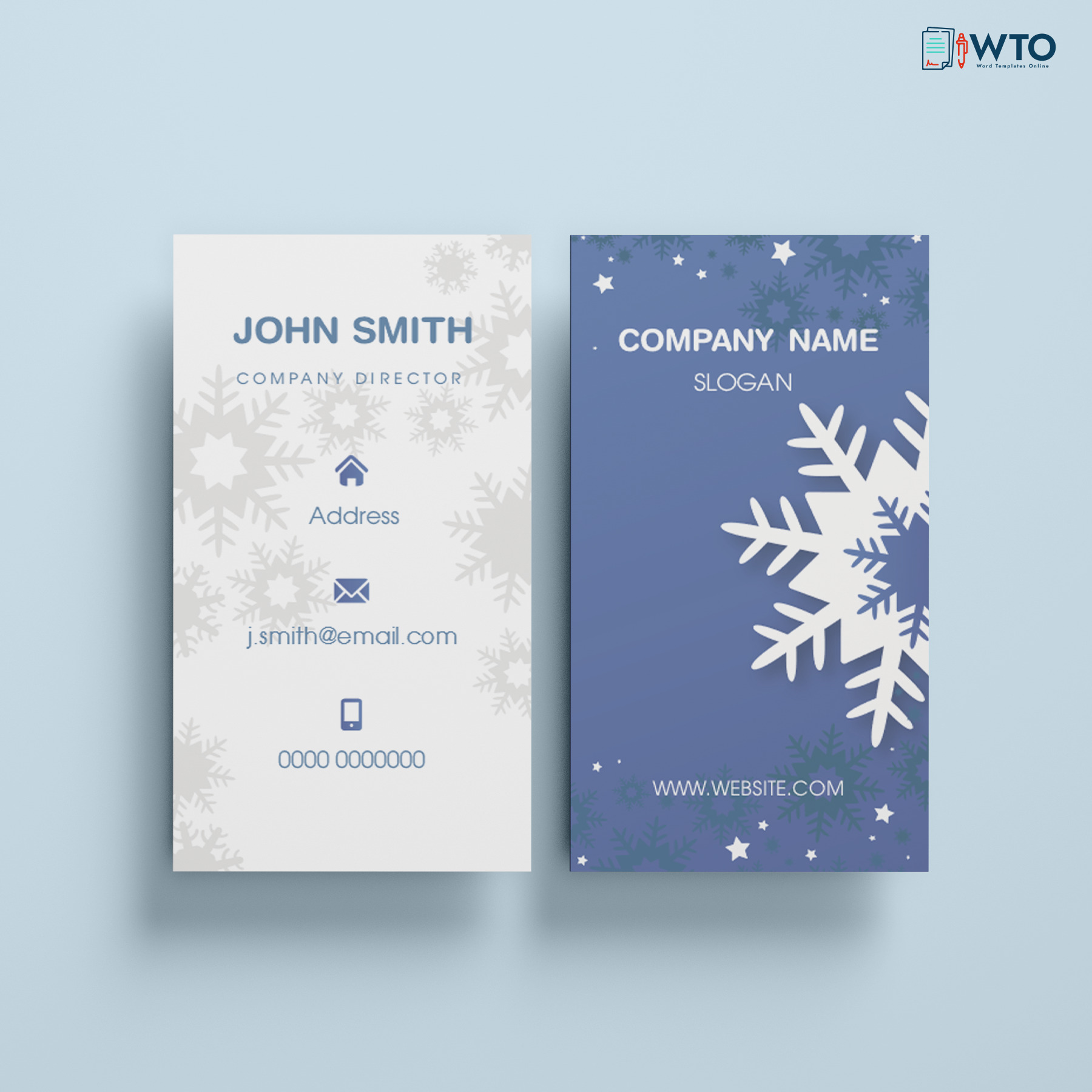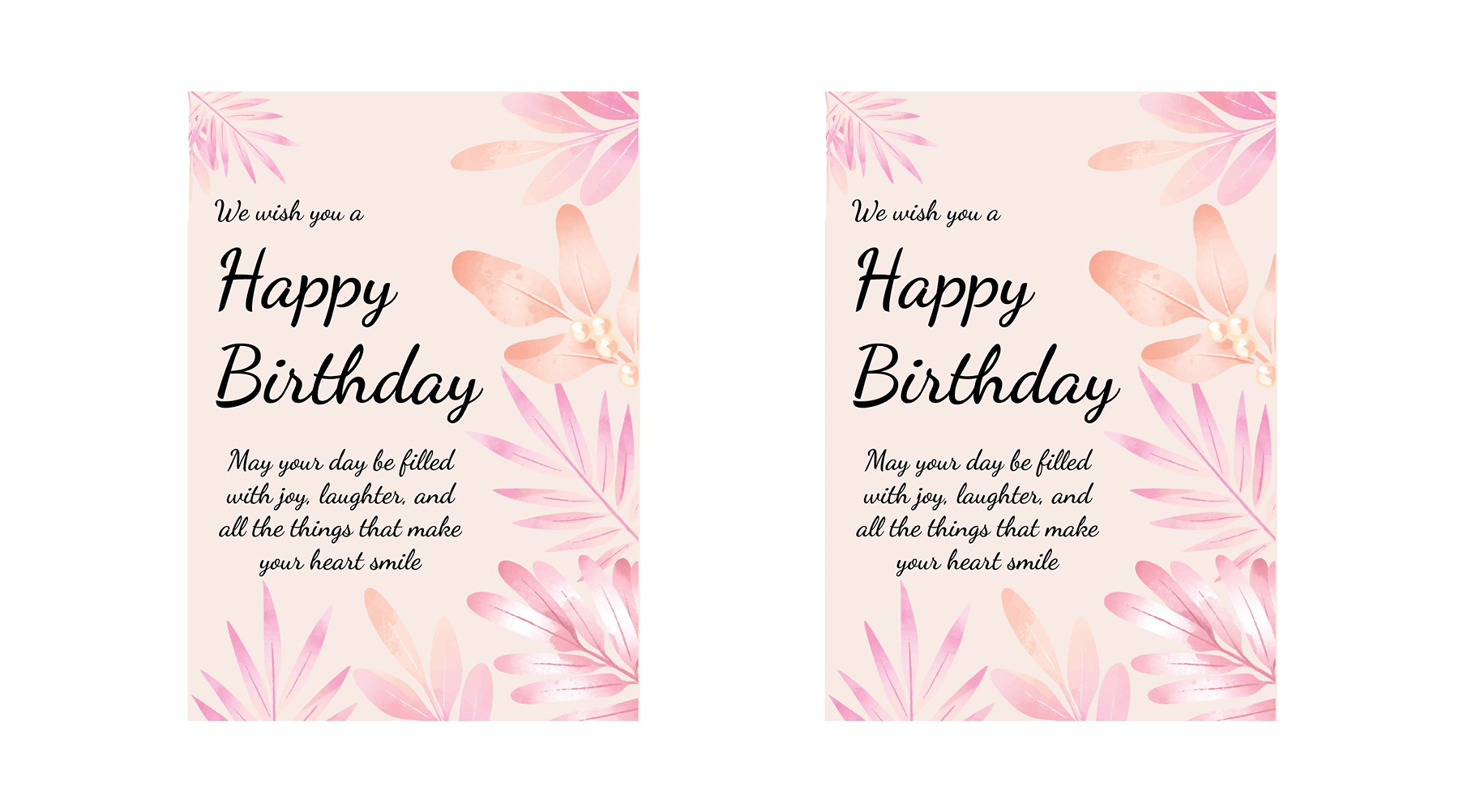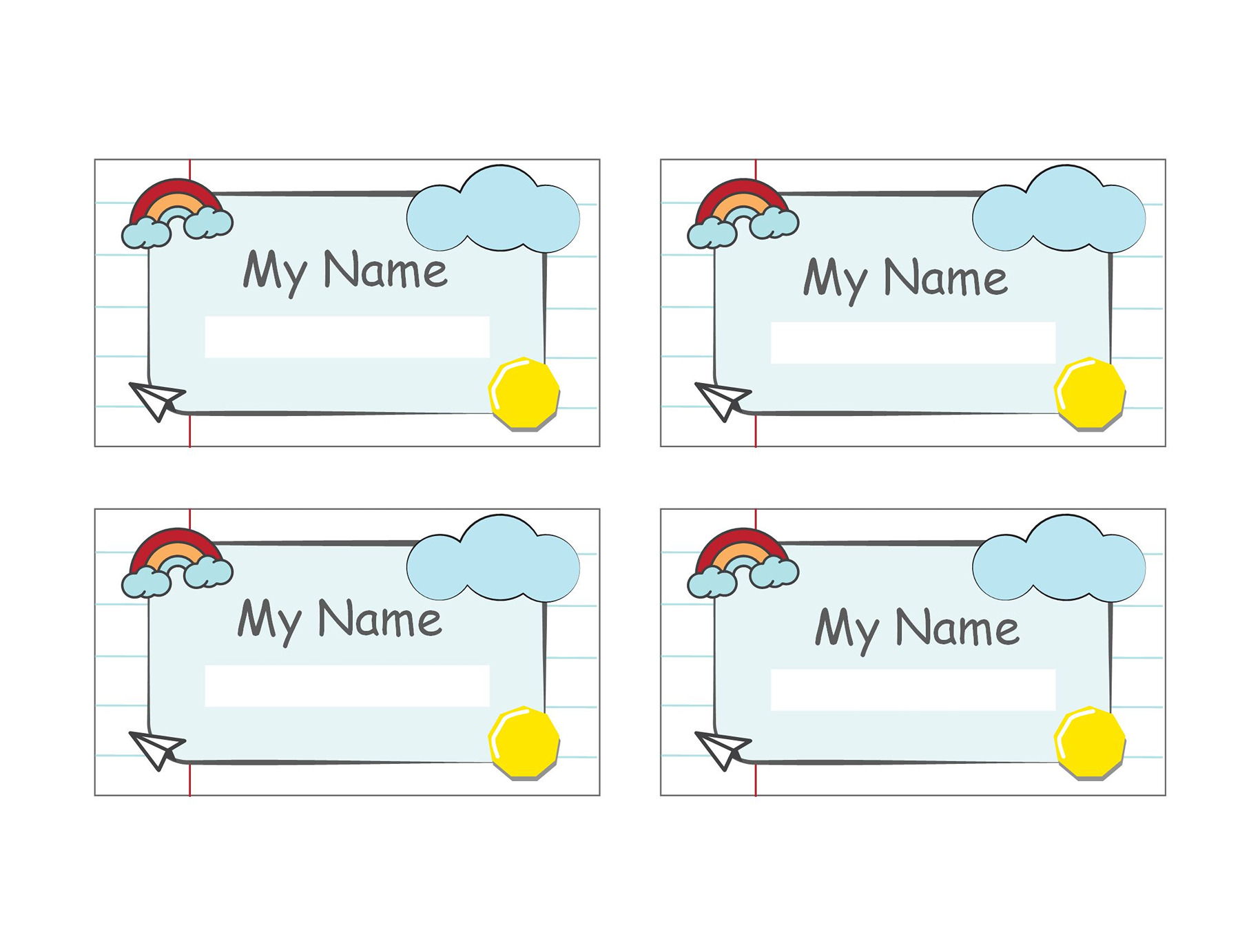
It’s quite funny how something as simple as a small card sitting on a table grabs attention so easily. That’s the whole point of a table tent, right? They’re BEST in time of idle attention.
Whether you’re waiting for an appetizer, sipping a coffee, or just killing time in a lobby, you’ve definitely scanned one without even realizing it.
BUT, only a right table tent template does that. It doesn’t pop up as a notification, it doesn’t take up space, but still manages to deliver a message right when there is a chance for people to notice it.
However, it is not done yet, though they might be powerful, some table tents either say too much, look cluttered, or just get ignored completely. Why so? Because most of the time, people lack time, it ends up either being poorly designed or starting from scratch without a clear structure.
That’s where templates come to help you. No guesswork, no building from scratch, just take care of the message, design, and placement. That’s all! Let’s explore how they work:
So, What Is a Table Tent Template
Simply put, a table tent template is basically a pre-built layout that you can use to make those small folded cards you’re seeing on the table. These are super simple, but surprisingly very impactful in real life because they are placed in front of people, where attention naturally goes away.
The best part? You don’t have to chase the audience; what you want to market is already in front of their sight. That’s why they are still used widely as they’re low-cost, easy to update, and don’t rely on screens or tech.
Where table tent templates make the most impact
Nowadays, they are used almost everywhere, such as where there’s a slight chance for people to have a moment of pause. Restaurants and cafes come on top as they use them widely for promotions or featured items. Additionally, you can also see them at weddings and events where they’re used for seating details, menus, or schedules.
Another important industry, which we can’t ignore, is retail, where these tents act like silent salespeople, calling out special offers or “buy-one-get-one” deals right at the checkout counter. From receptions, offices, and hotels to waiting rooms, they serve as a low-profile marketing and information hub.
Key Content Elements to Include in a Table Tent
Usually, most of the templates come with the following basic elements that are necessary to make a table tent effective. Let’s cover them in detail:
1. Headline or offer
This is primarily one of the things people will notice, so make it count. Every template comes with a dedicated space for this section. Your only duty is to write your message in a short, clear, and attention-grabbing way, whether it is a discount, special deal, or simple greeting. If it doesn’t hook someone in the first two seconds, they’ll probably skip it.
2. Supporting information
If you get the audience’s attention, you already win half of the game. Now, it’s time to give enough detail to explain what’s going on. However, don’t add bulk of information as table tents aren’t meant for this. A quick line or two that adds clarity is more than enough.
3. Branding touchpoints (logo, colors)
Though all templates have generic branding, it’s up to you how you make it look like your brand. For this, you can add a logo, stick to your brand theme, and keep the style relevant. Through the Thai way, people recognize you instantly and make the whole thing look more polished.
4. Optional add-ons (QR codes, social handles)
Optional but important for some businesses, QR codes and social handles take your brand further. These are very common nowadays because, through this, people approach your business easily to learn more, check your offers, or follow you. HOWEVER, DON’T OVERCROWD THE DESIGN!
How to Choose the Right Table Tent Format
Since every business has its own marketing style, you need a layout that goes well with your brand. Here’s the overview of the best formats so that you pick the one that’ll actually help you get attention:
Classic tent fold vs flat bi-fold designs
The classic tent fold is the gold standard for a reason. It’s the ultimate go-to choice because it stands on its own and is visible from both sides, so that people can read it from any side of the reason.
Table Tent Template 01
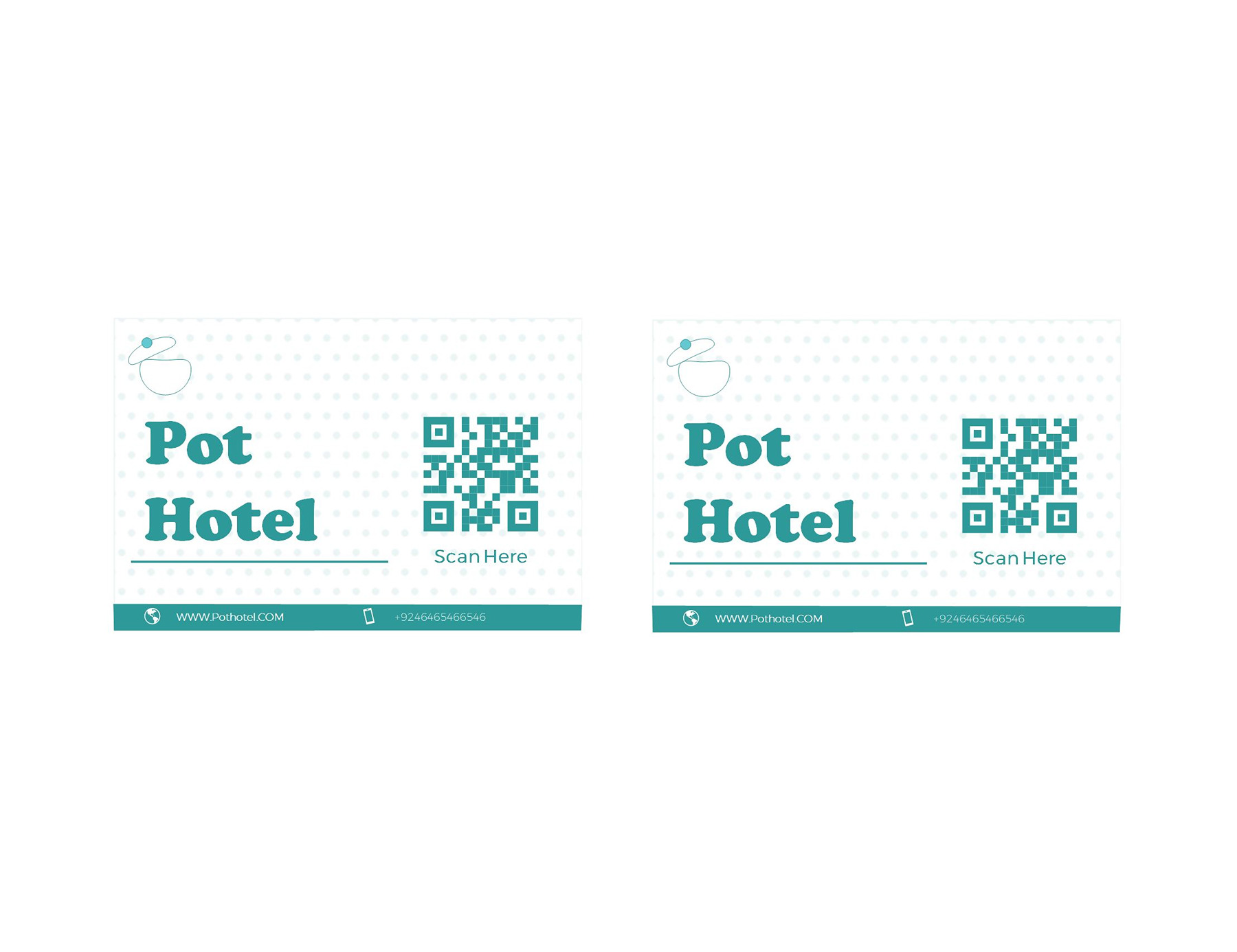
Table Tent Template 01
Flat designs, on the flip side, look more like cards or mini posters and usually need a holder and stand. These are great if you want to give enough information while keeping things neat and tidy.
Table Tent Template 02
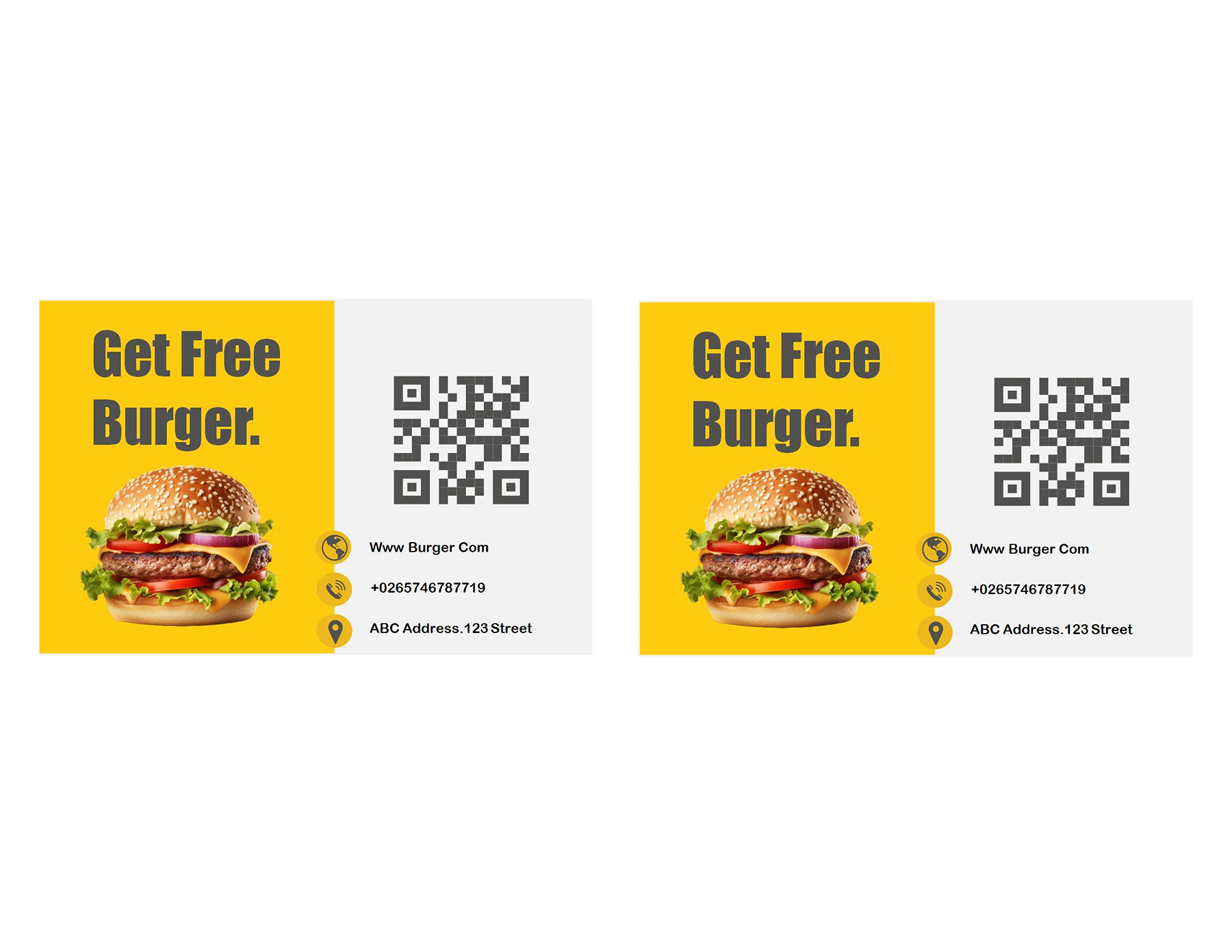
Table Tent Template 02
Single message vs multi-sided content
If you need to display one single item (promo, greeting, or announcement), then you must go for a simple layout. Moreover, while editing the format, keep it to a single message so it’s easy to read at a glance.
Table Tent Template 03
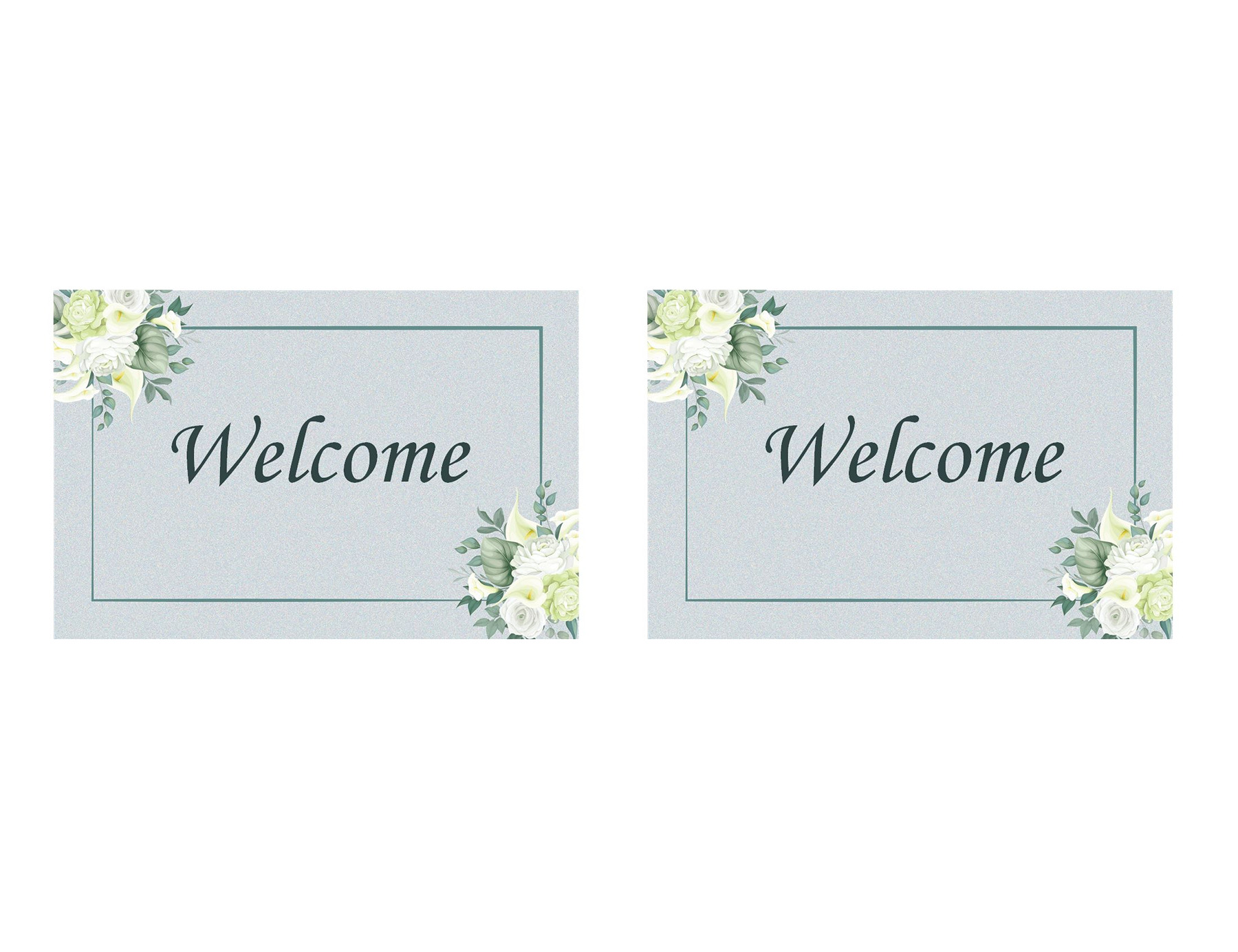
Table Tent Template 03
But if you want to make it more detailed and share more info such as menu items, offers, or details, you can use a multi-sided template that lets you avail its both sides. This will help you deliver your message without making it look overcrowded.
Table Tent Template 04
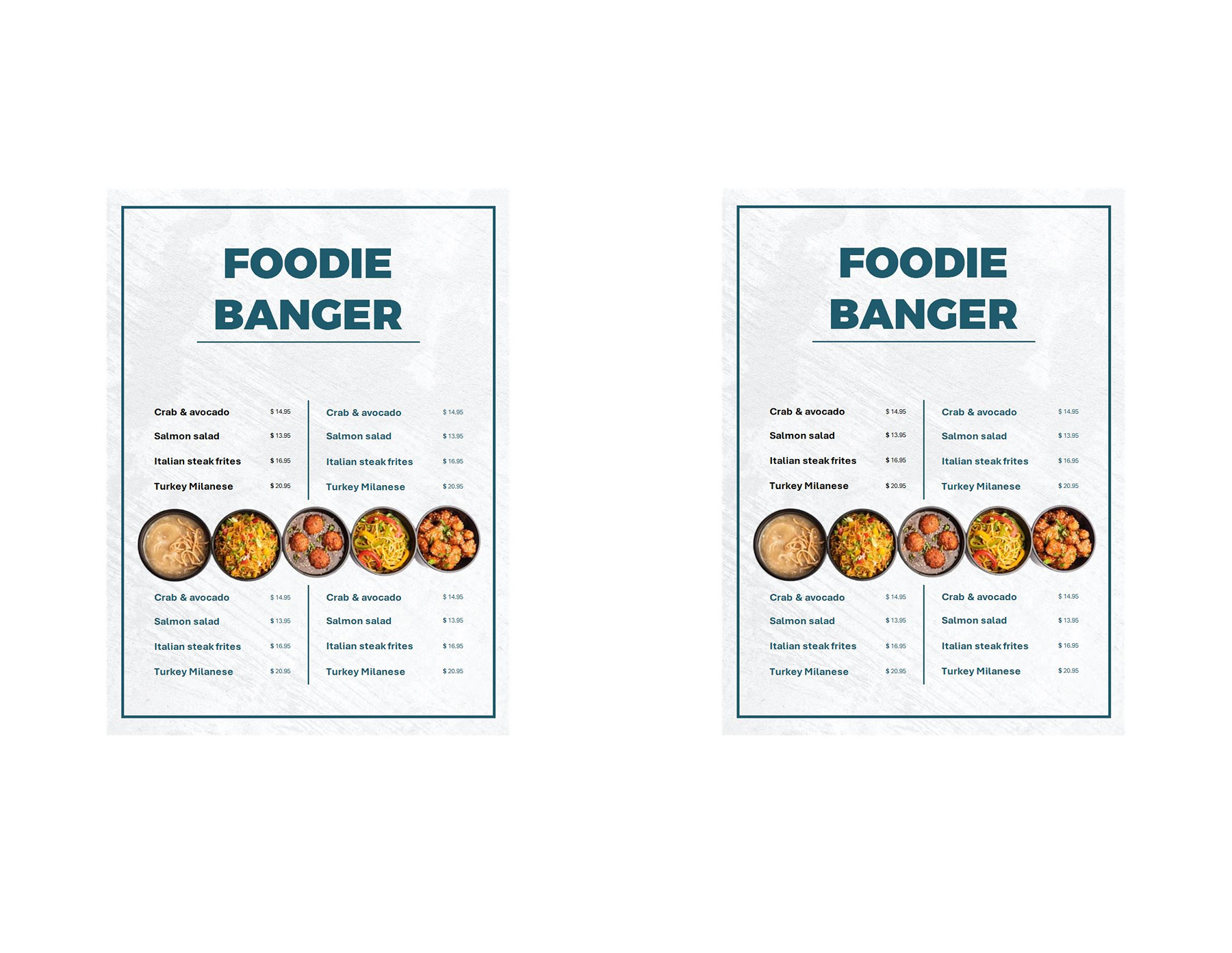
Table Tent Template 04
Compact vs larger display sizes
Some people like to keep things subtle and neat, so for this, compact design table tents templates are great. They look absolutely beautiful, especially on crowded tables.
Table Tent Template 05
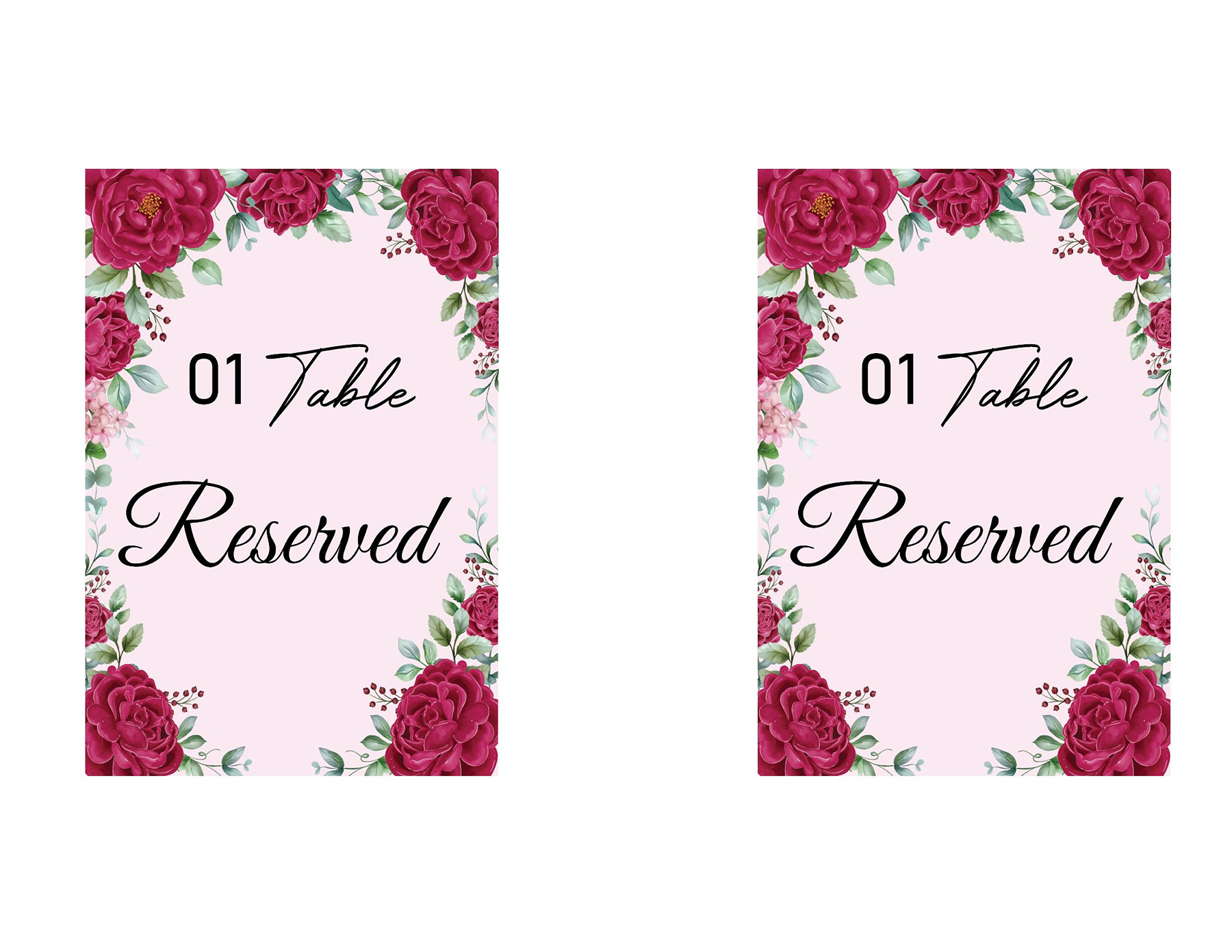
Table Tent Template 05
However, if you want your table tent to shout “HELLO, SEE ME,” then you need a larger display template. They grab attention easily and are easier to read from a distance. In short, both types help; it really depends on where you’re placing them.
Table Tent Template 06
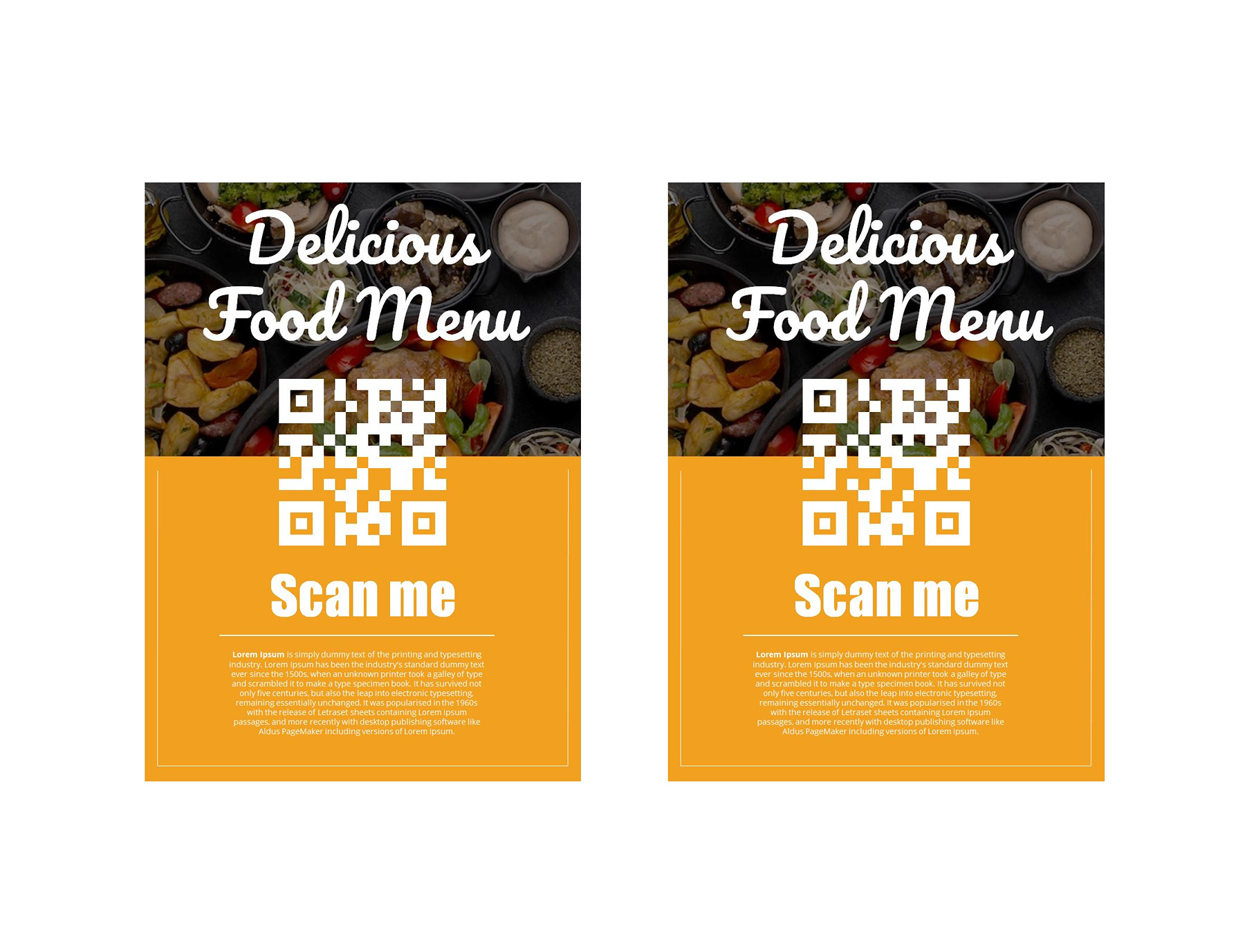
Table Tent Template 06
Explore our 15+ unique table tent template ideas that actually work.
Table Tent Template 07
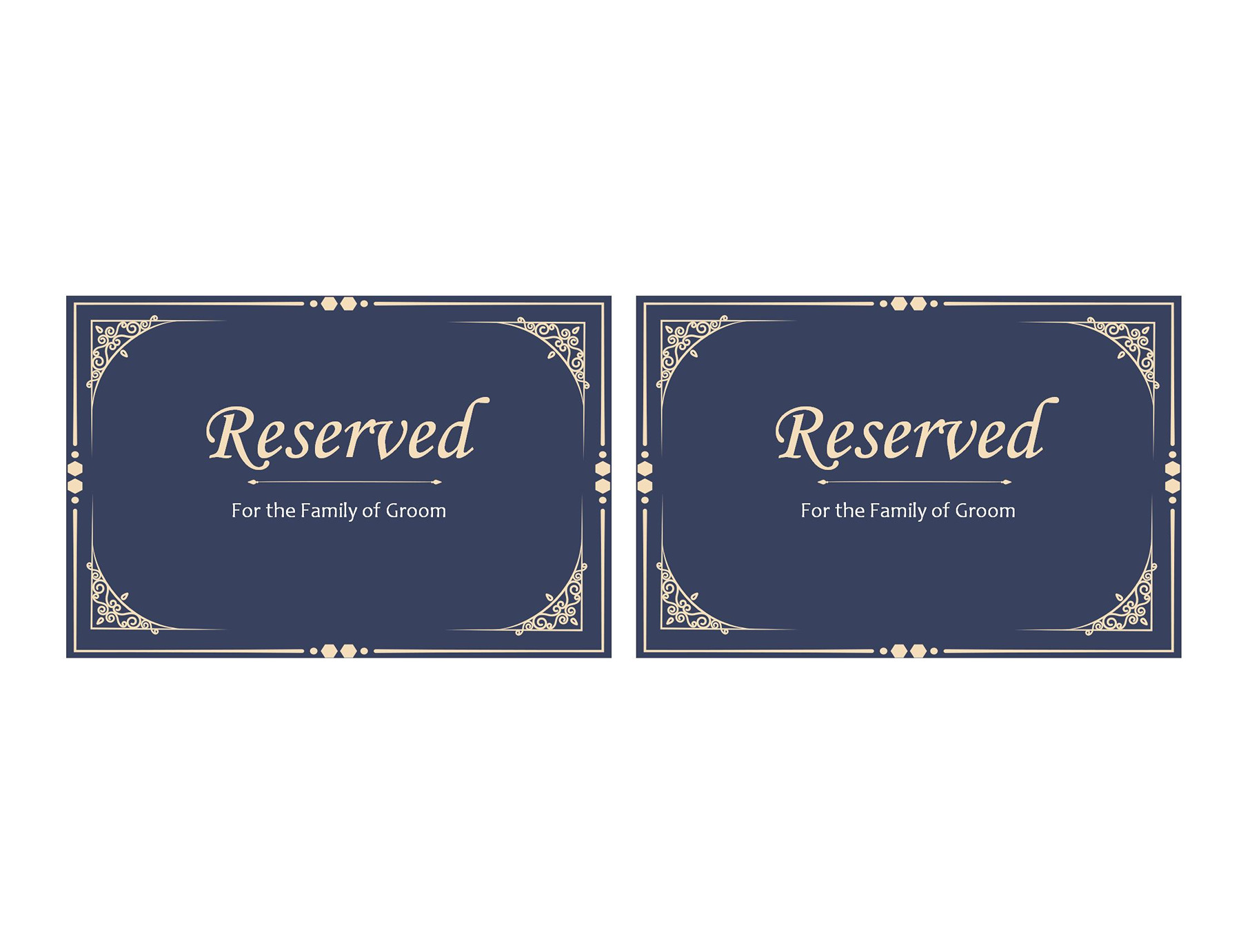
Table Tent Template 08
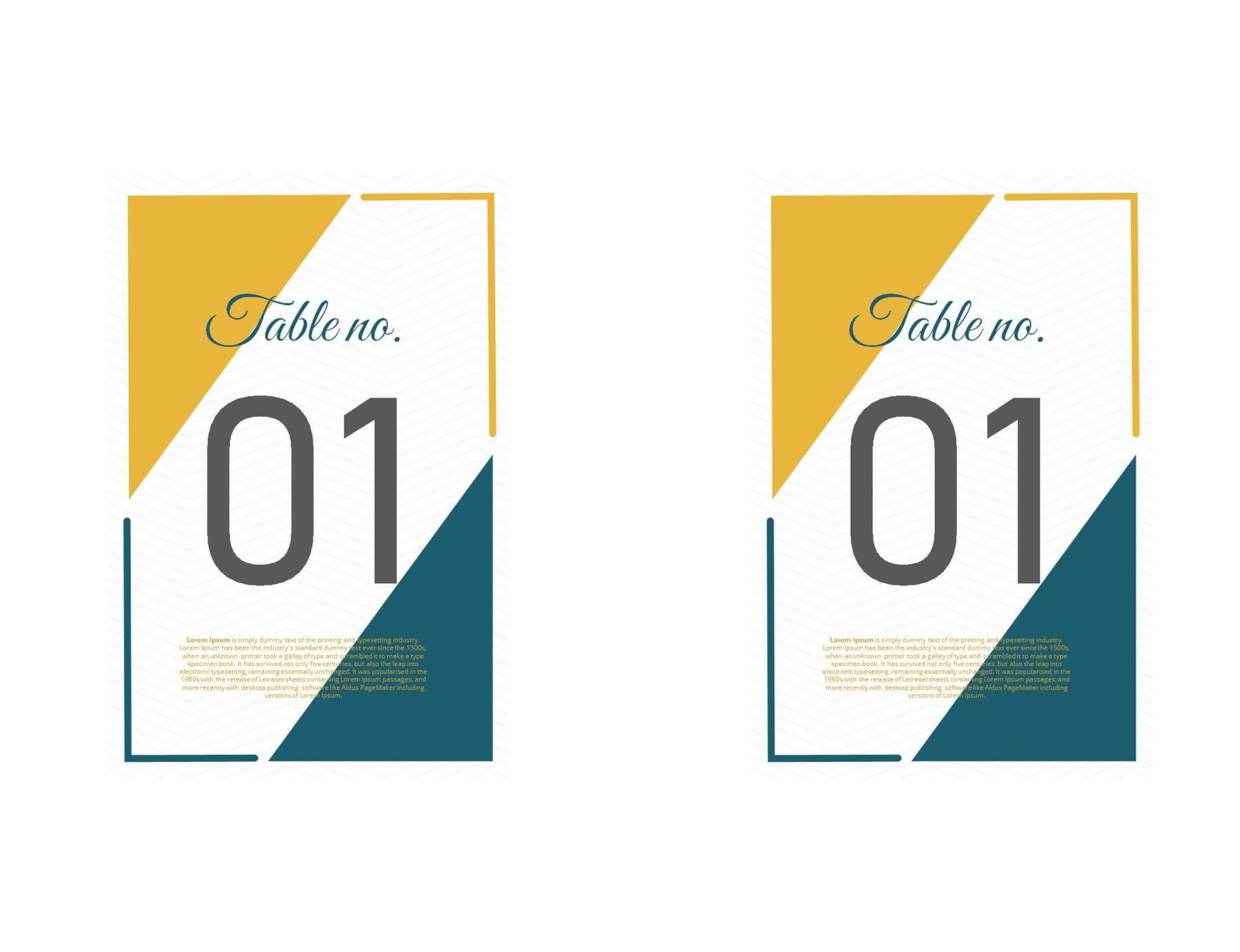
Table Tent Template 09
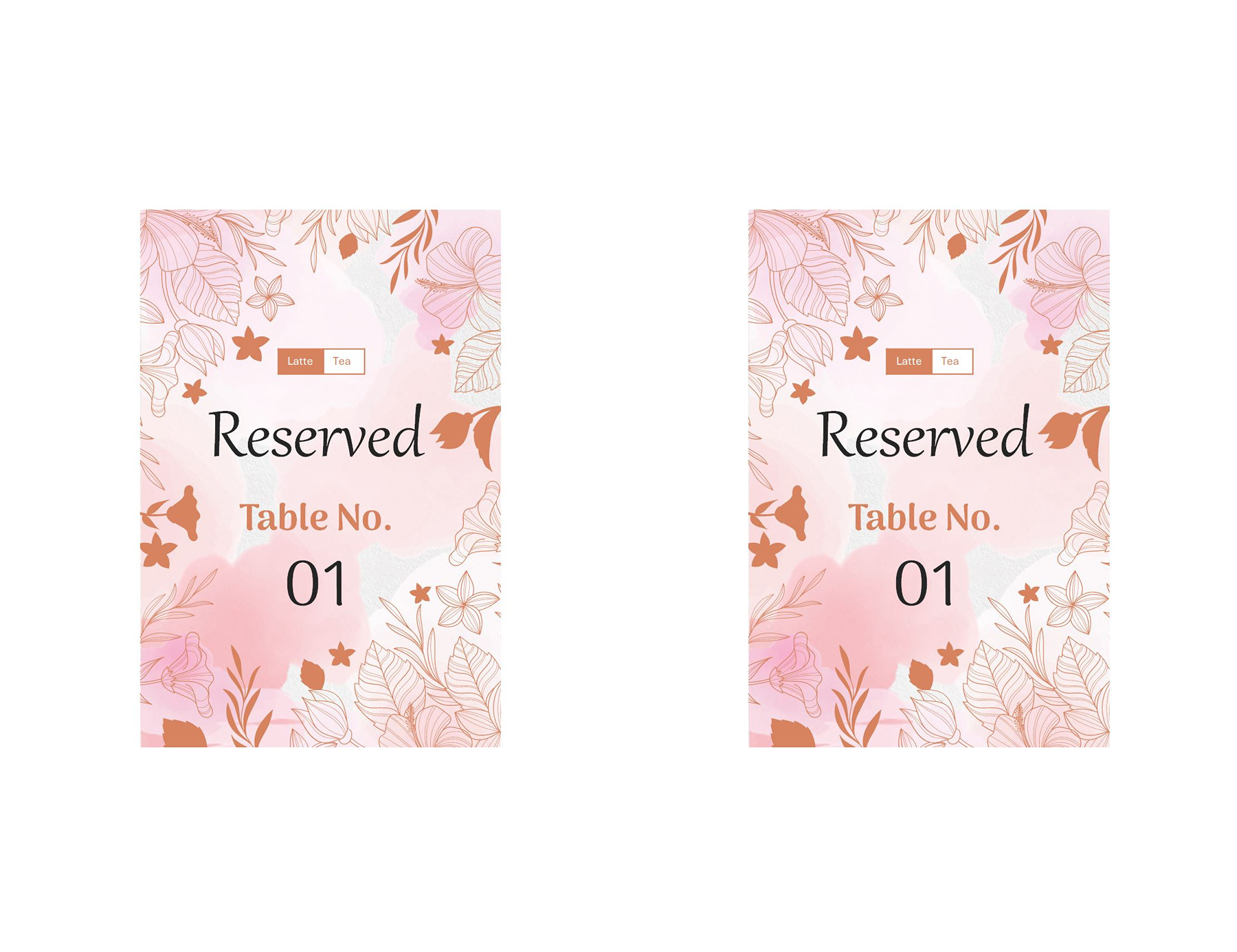
Table Tent Template 10
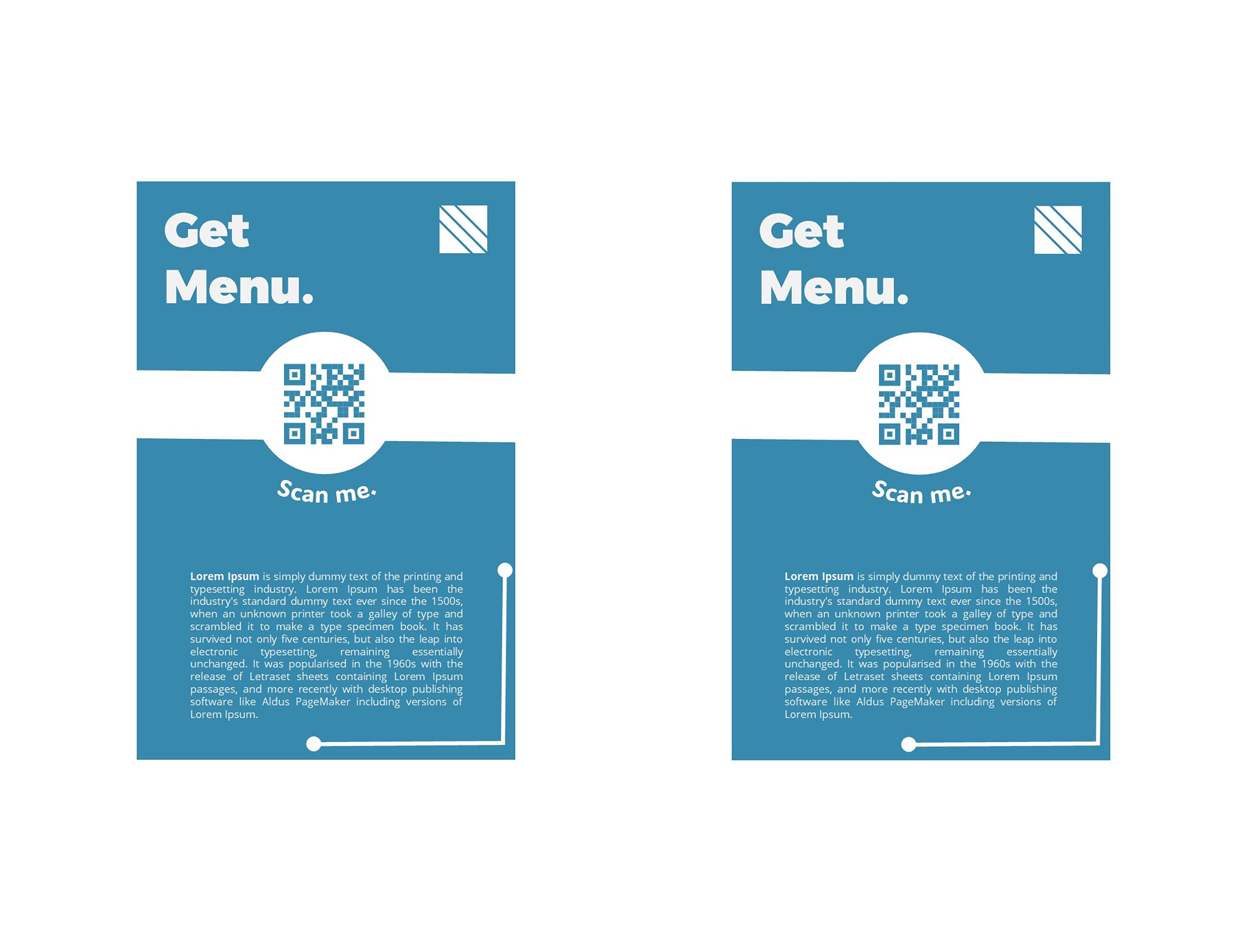
Table Tent Template 11
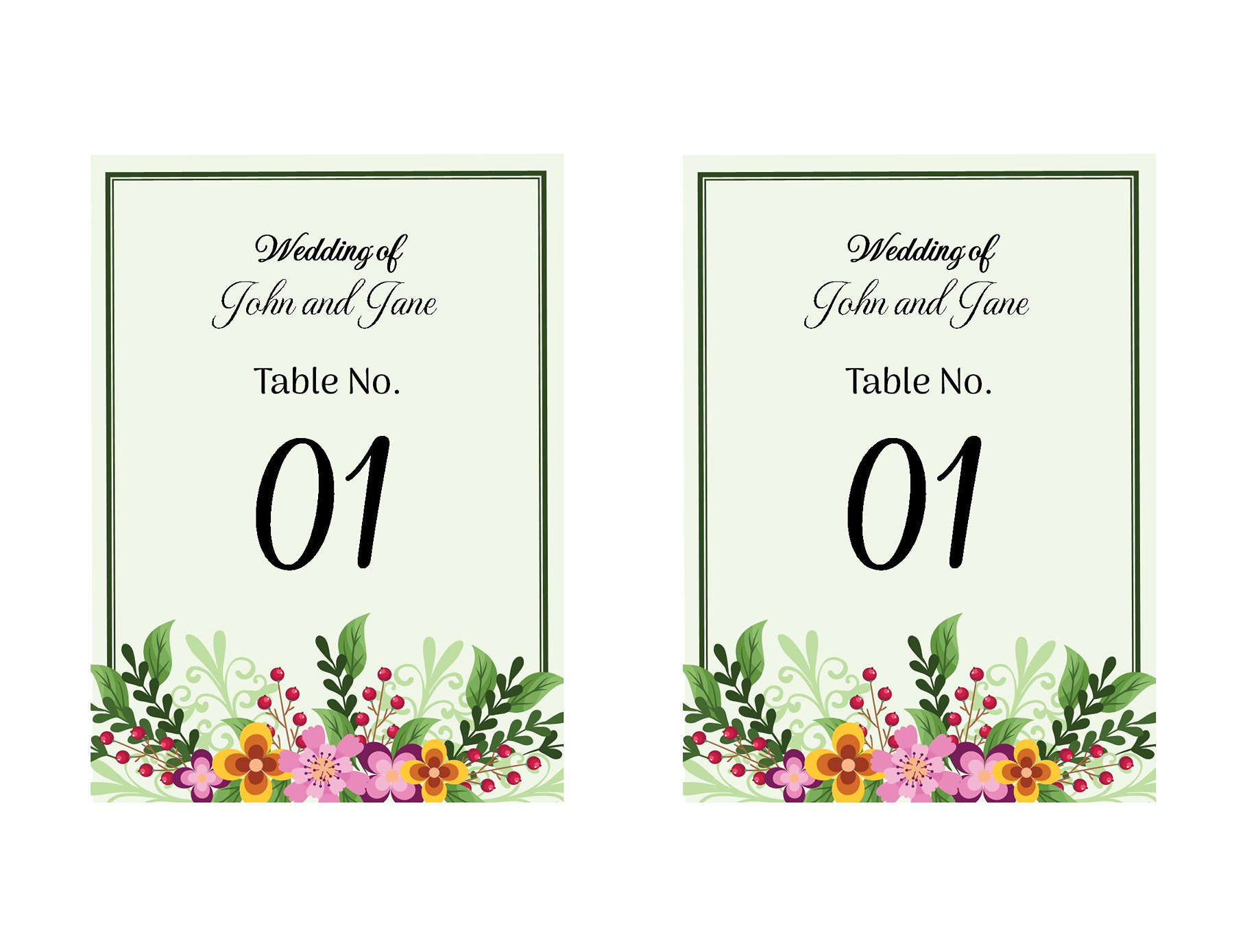
Table Tent Template 12
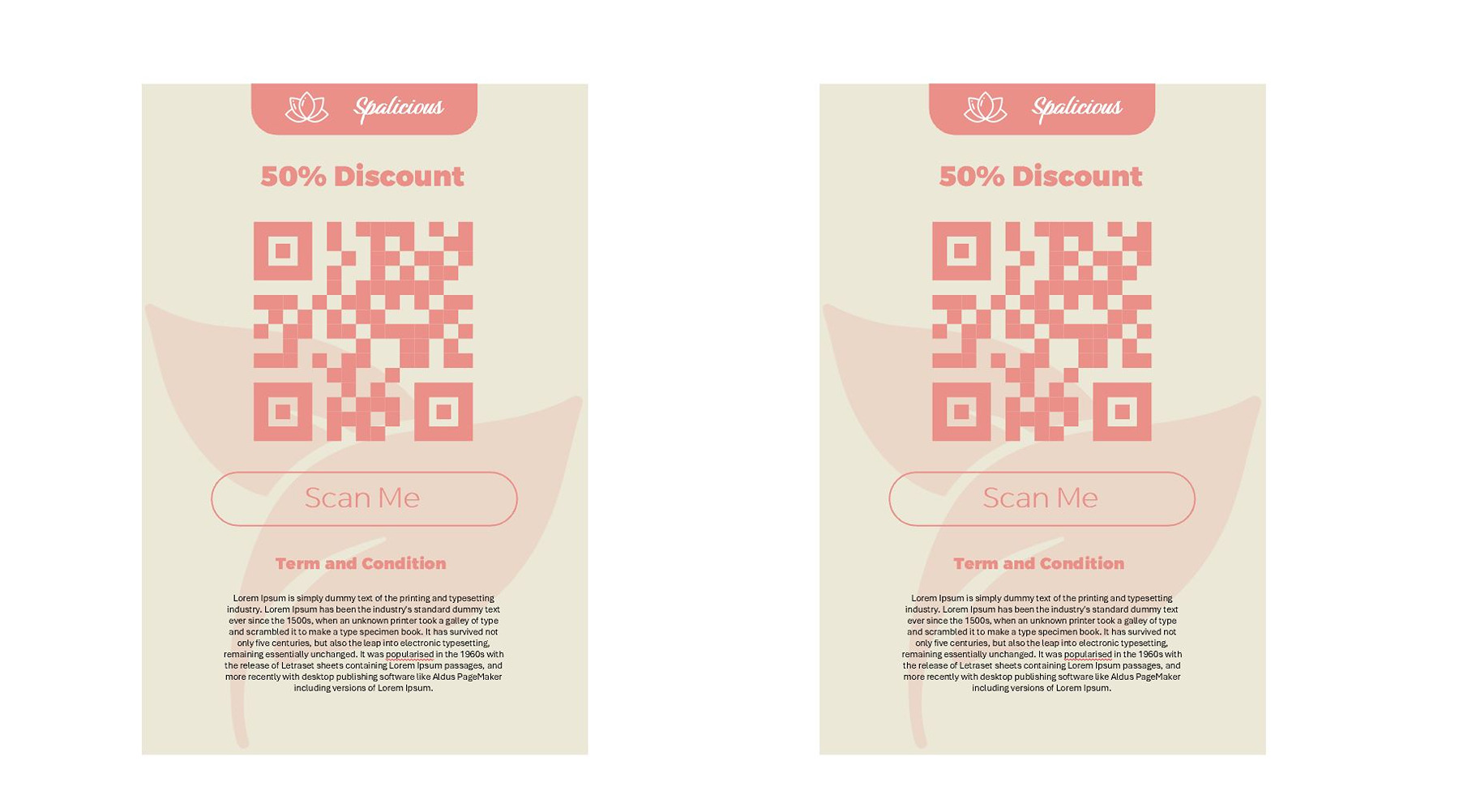
Table Tent Template 13
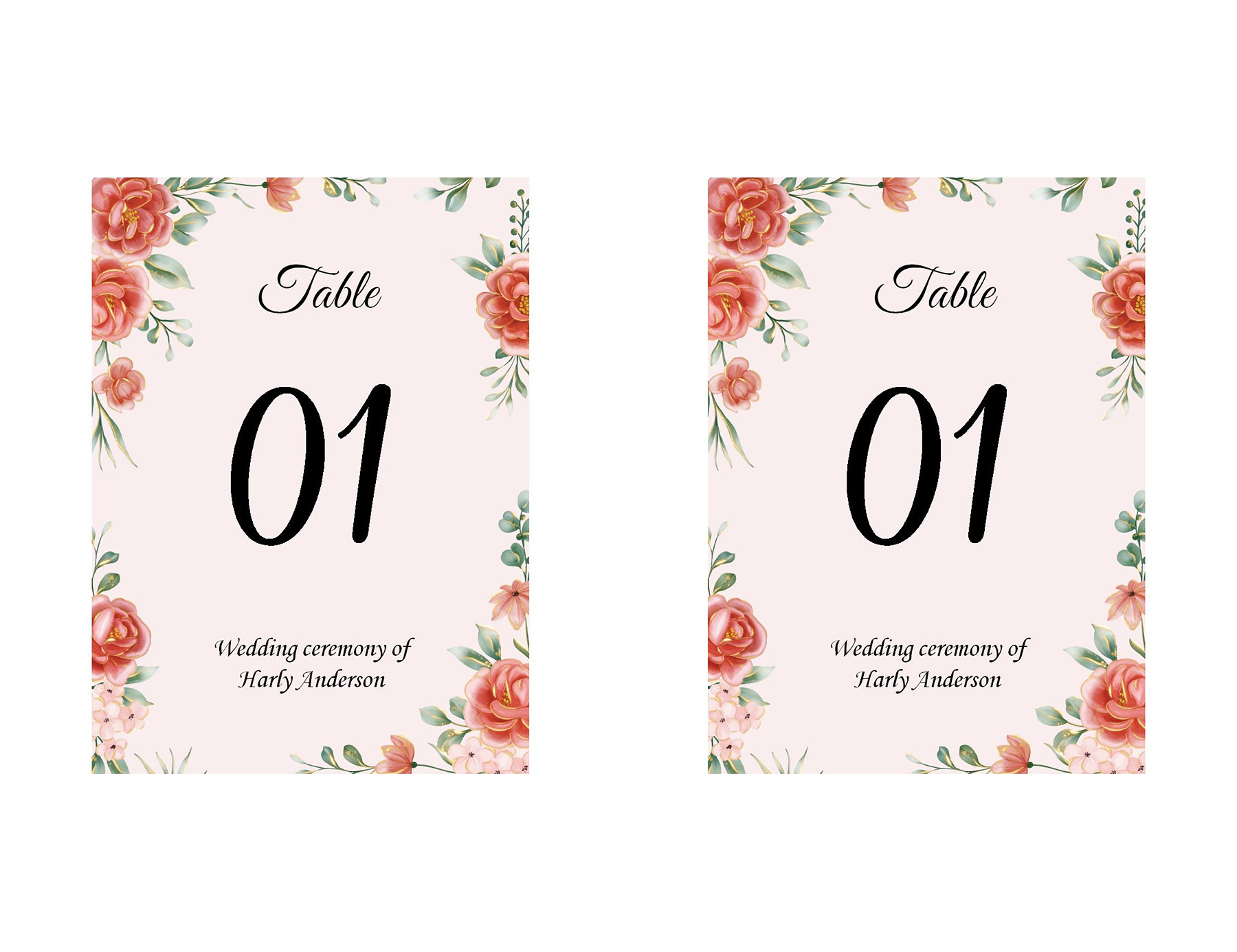
Table Tent Template 14
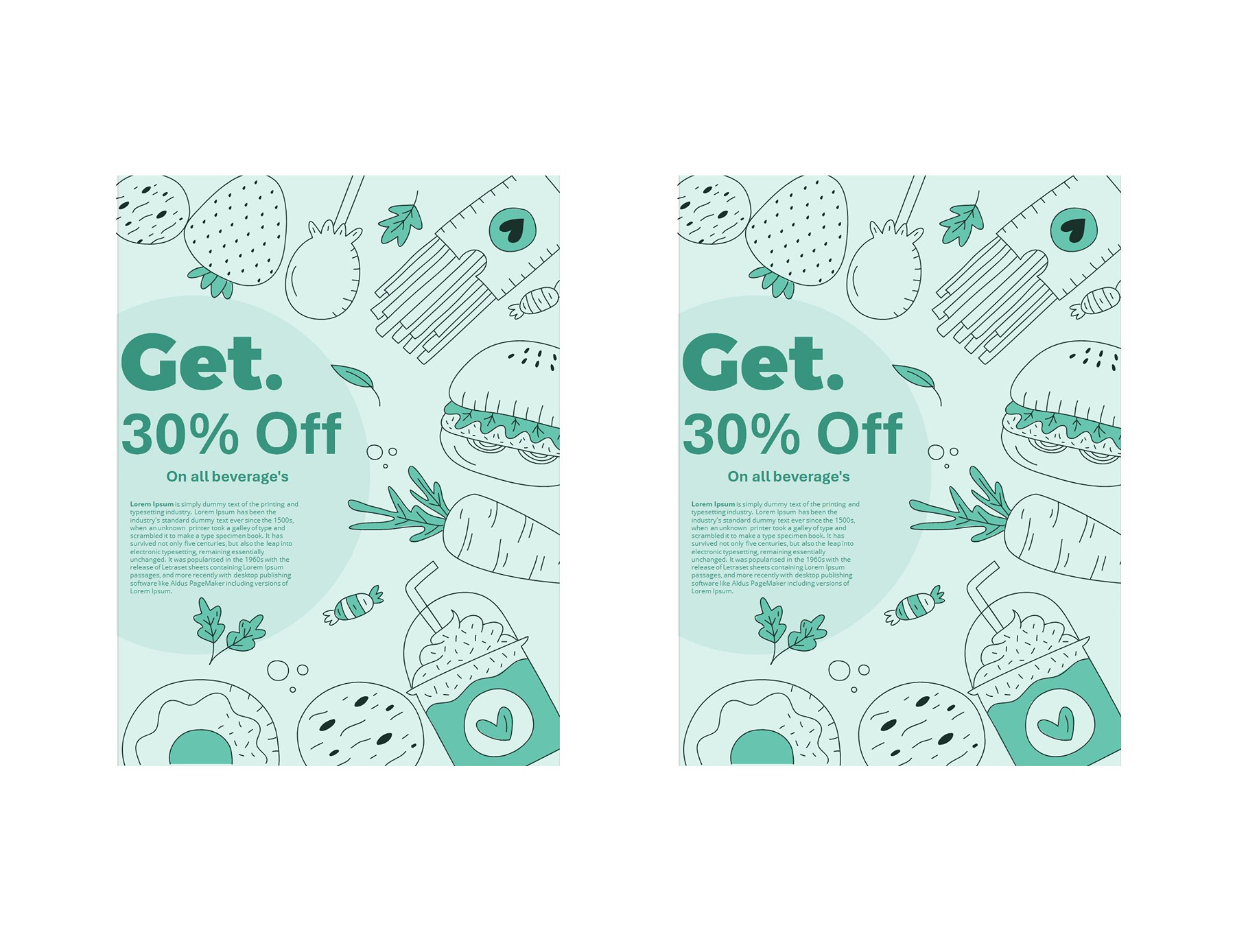
Table Tent Template 15
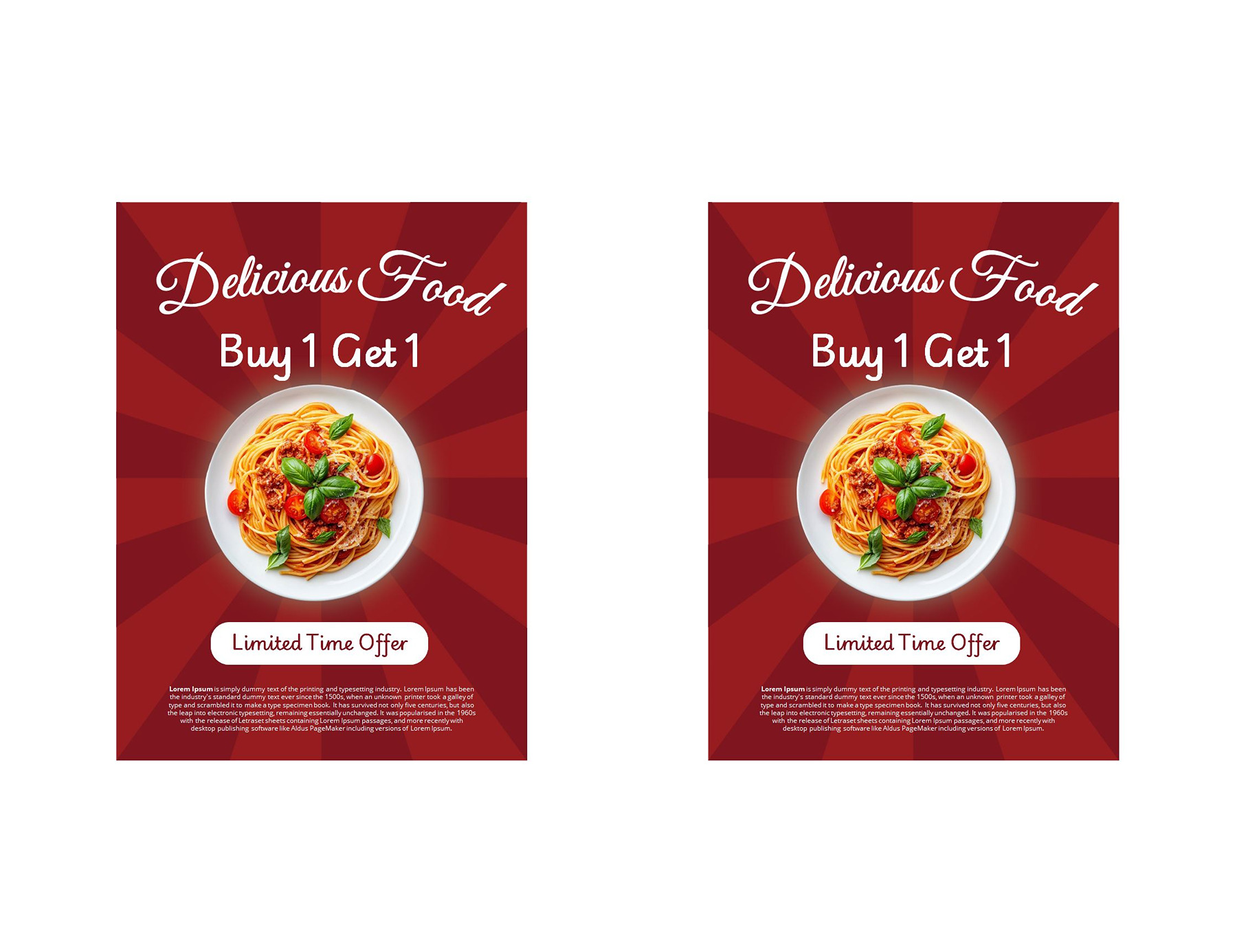
Table Tent Template 16
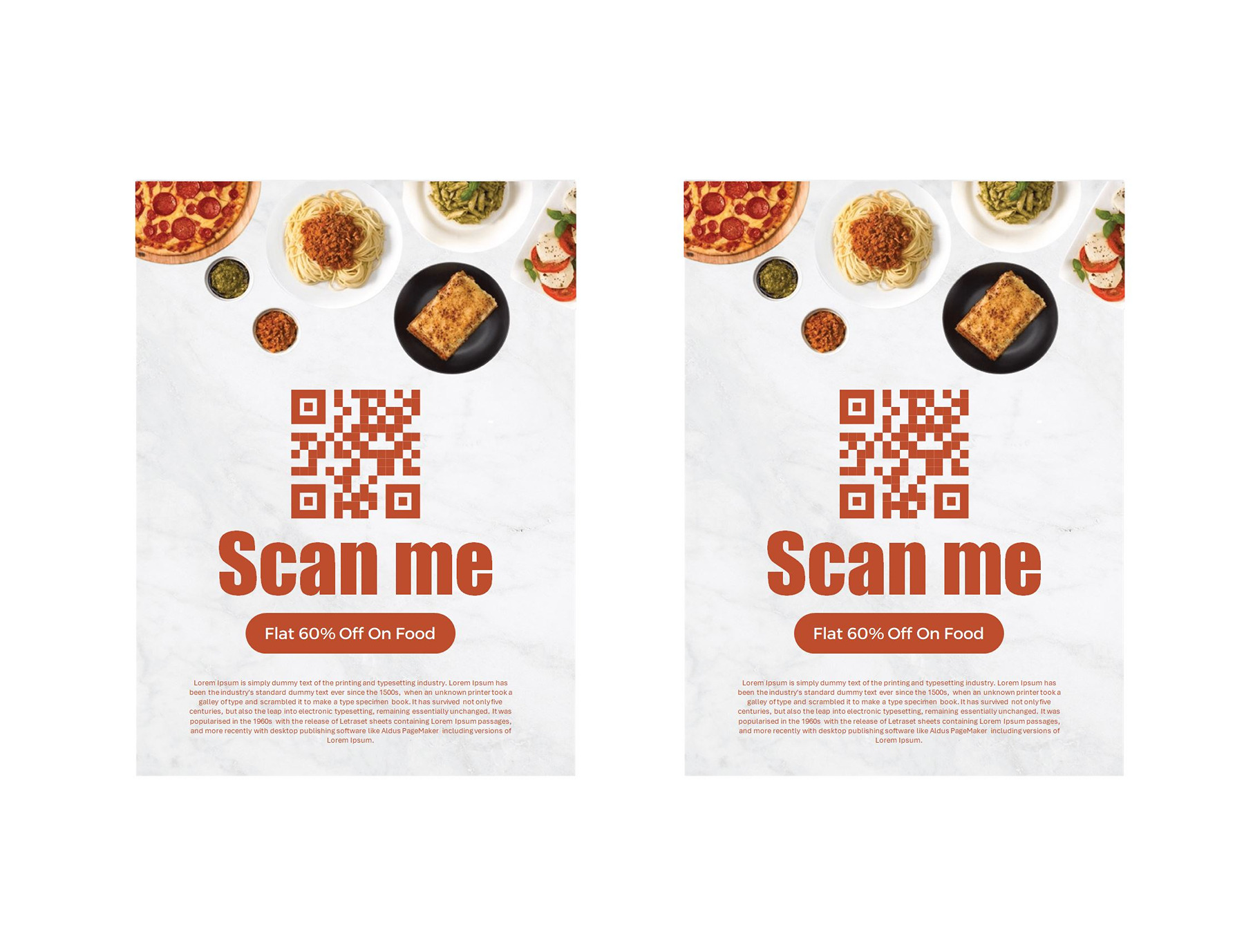
Table Tent Template 17
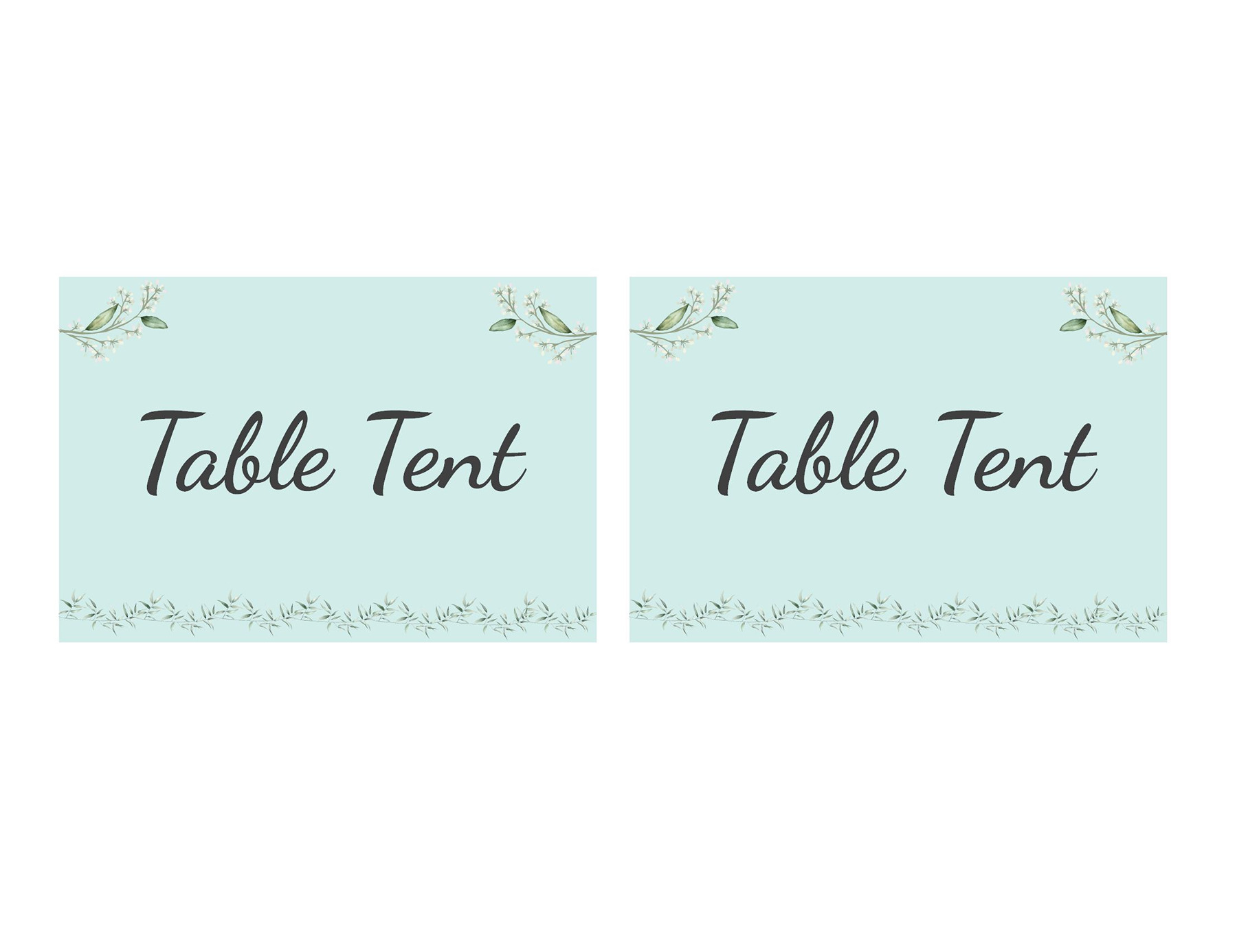
Table Tent Template 18
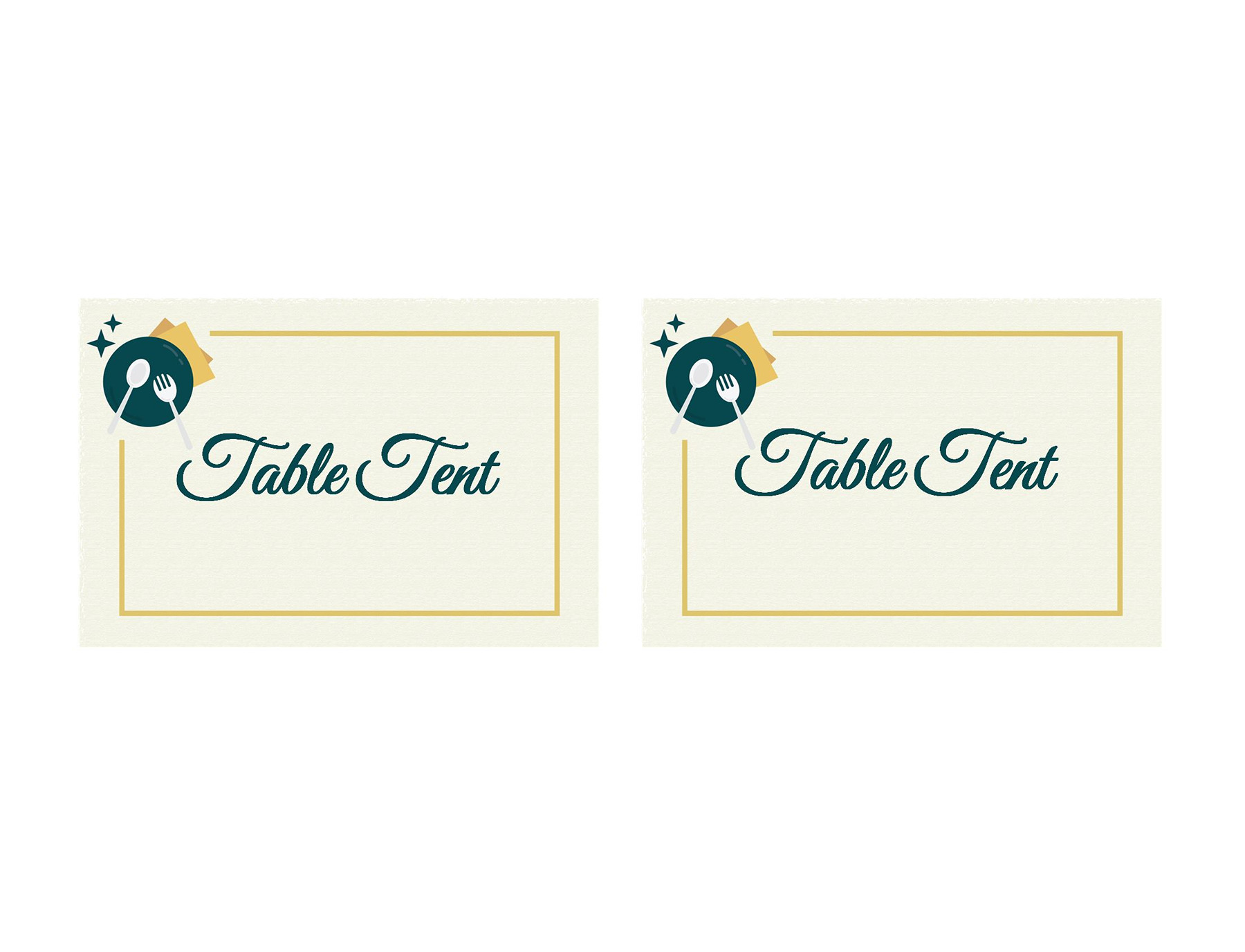
Table Tent Template 19
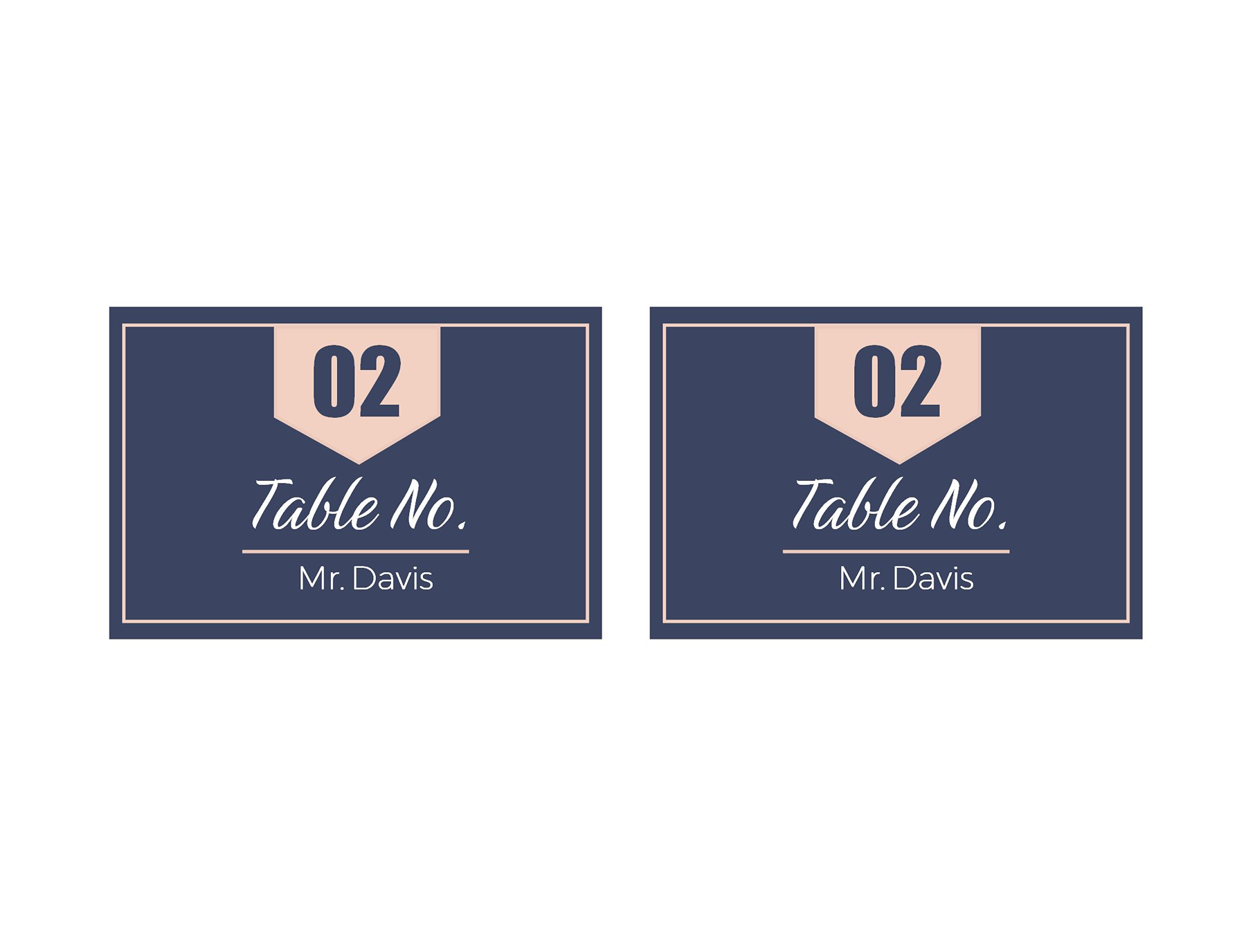
Table Tent Template 20
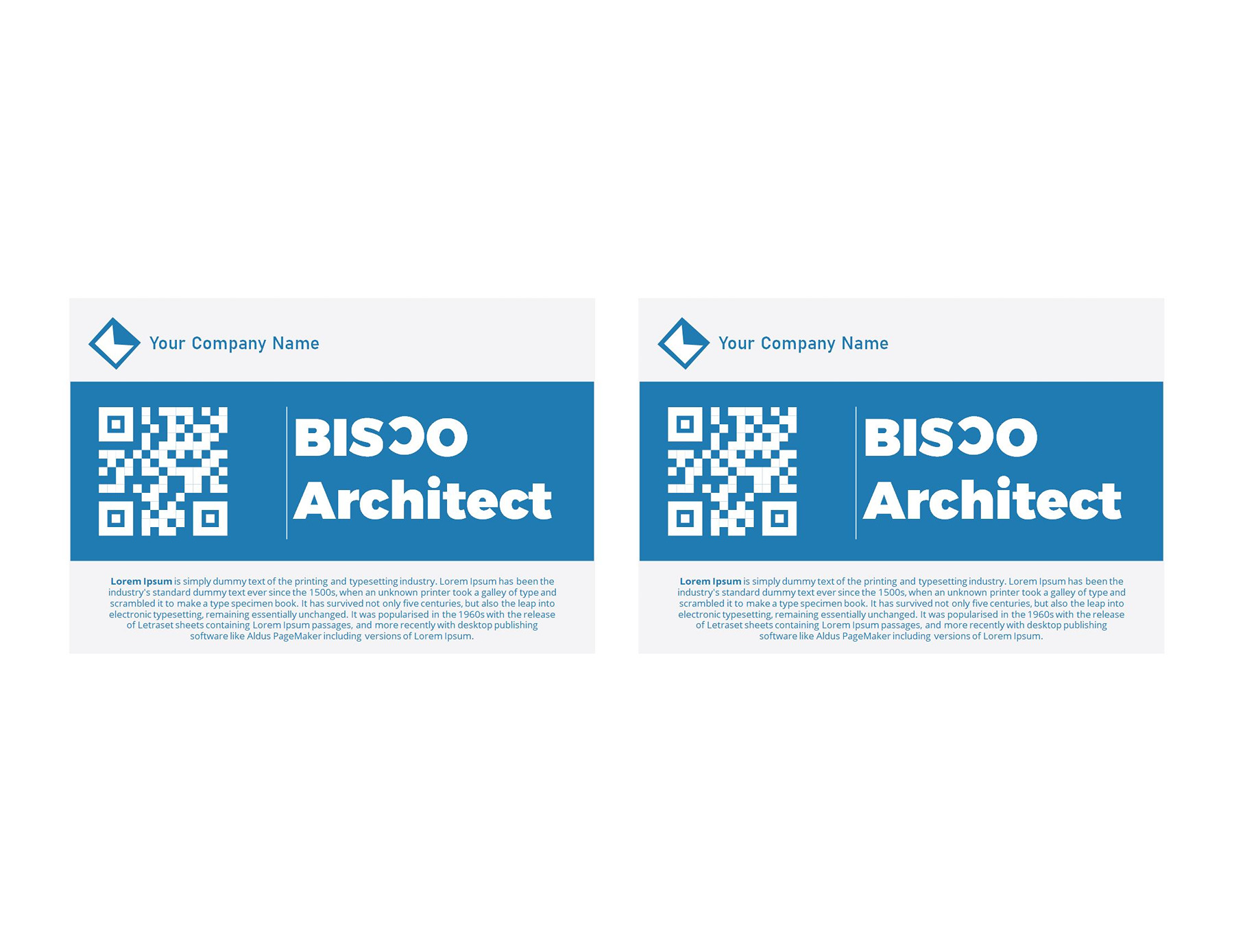
How to Use Our Classic Table Tent Templates
Using our templates is SUPER EASY if you stick to a few simple rules. First, don’t look for the fanciest design in the room and pick one that actually fits the job hand. If you’re trying to grab attention for a promotion, don’t be afraid to GO BOLD. If it’s for an event or info, keep it clean and easy to read.
Done with the template selection? Next, just put in your own text, colors, and images. A good template should make this part a breeze; no need to redesign, just some edits, and everything is fine.
Before it goes for printing, give it a final touch. Do a quick check, everything aligned and perfect? If okay from your side, print it on decent paper, cut it if needed, and fold it right down the middle. Now place it somewhere visible, and you’re good to go.
Common Mistakes That Reduce Effectiveness (And How to Fix Them)
Not all table tents gather the attention they deserve; some get ignored. Well, usually it comes down to these simple mistakes:
Overloading with information
Trying to fit everything in a small table tent is what people do frequently. Too much text just intimidates people, and they’ll probably skip it.
Fix: As we said before, stick to the one message and keep it clean. Think quick glance, not deep reading.
Poor font choices
What we might think looks DAPE actually goes wrong. Using fancy or tiny fonts looks good on screen, but in real life, they’re hard to read, specifically from a distance.
Fix: Use simple fonts that are easy to read.
Ignoring placement context
A design might look great, but if it is placed incorrectly, such as in dim lighting, a crowded table, etc, it loses impact.
Fix: When designing, first think of the environment. Use high contrast, readable sizes, and make sure it stands out in the specific setting.
No clear purpose or goal
Sometimes table tents look nice, but aren’t actually doing anything. They lack purpose, have no clear messaging, and have no direction, just decoration.
Fix: Decide what your goal is for putting it on. Is it to promote an offer? Share info? Get scans? Then design everything around the main purpose.
Frequently Asked Questions
Can I reuse table tent templates?
Absolutely! You can use it again and again, just need some edits according to the situation, and it’s fine.
What formats do these templates come in?
The templates come in different formats like PDF, Google Slides, and PowerPoint. These make it easy for people to edit them as well as use them as they are.
What size works best for table tents?
It depends solely on you. There’s no perfect size, but most people find that 4 x 6 or 5 x 7 hits the sweet spot for visibility without taking over the table. If you’re working with a small counter or coffee table, a compact size should be your priority. On the other hand, if you really want to grab eyes from a distance, then you should go for a larger one.
About This Article