You know what the fascinating part about our brain is? It doesn’t always think in symmetry. Let’s say your mind pops up with one brilliant idea, and the very next second you’ve ten more related ideas. Well, your brain can jump between ideas faster than your pen, and here you’re juggling a dozen connections with nowhere to put them.
At the end, it’s you and a page that looks like a doodle turning into arrows, circles, side notes, and chaos. The best thing that can help you here is a Bubble Map. It gives you a cleaner way to gather those thoughts without slowing down your creativity.
So, whether you’re bucking up for class, planning your video content, or conducting brainstorming sessions, we’ve templates that fit into every occasion. In this article, we will let you know about Bubble Maps in detail and how the template can make your life easy breezy!
So, What’s a Bubble Map?
The fact is, some ideas are easy to explain, while others seem to branch out in a dictionary. The bubble map gives those thoughts a place to grow without making it difficult to comprehend. In simple terms, it is a graphic organizer that starts with one main idea, with related words or phrases pivoting around it.
Bubble map vs. traditional note keeping
Ever end with a giant mountain of notes that you swear you’ll read later, only to completely forget they even exist? You’re definitely not alone. This is the case with regular note-taking, which is great for catching information as it flies by. However, it’s usually not much help when you actually need to figure out what you were thinking.
A bubble map, on the other hand, works completely differently:
- It helps you brainstorm more quickly without worrying about perfect order.
- Through this, you can remember information more easily by seeing ideas grouped visually.
- Moreover, you can spot connections instantly rather than searching paragraphs.
Overall, it is one of those tools that goes in every situation where you need to tackle your thoughts. If you’re a student, you can use it to plan essays and map out connections in books and characters. On the other hand, if you’re a teacher, you can use it to introduce new concepts.
Moreover, people related to the content domain can use it to brainstorm ideas before drafting articles, stories, or presentations. Last but not least, professionals can use it during meetings to organize ideas, solve problems, or plan out strategies.
But not all the templates are worth trying. Let’s find what a perfect template looks like:
What’s Inside a Bubble Map Template
At first, it might appear as a few circles connected by lines, but it is not just circles. They have a purpose, and every idea and how you connect them rely on them. Here’s what to look for in a good template:
1. It has the main bubble (where it all begins)
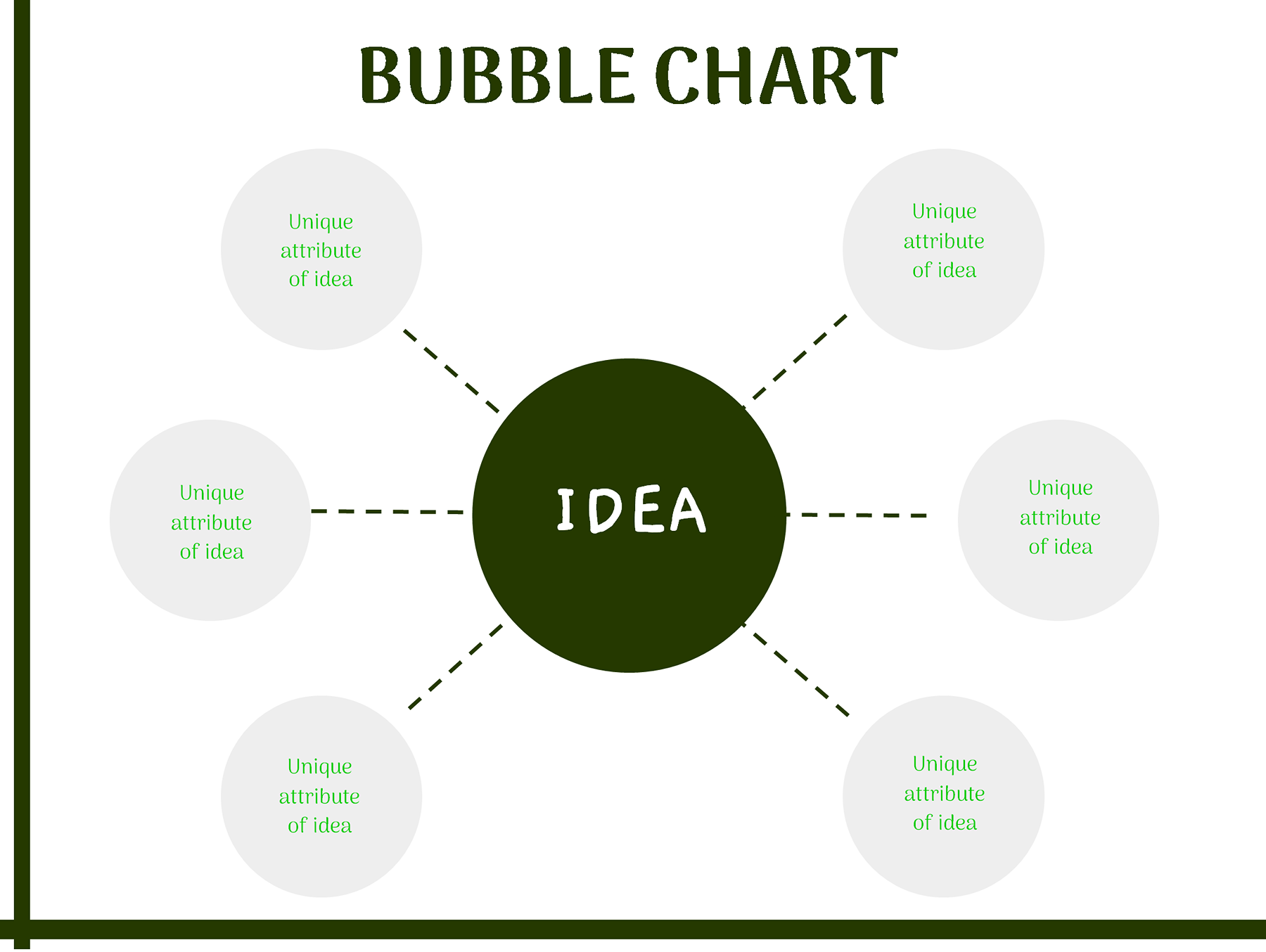
Every template comes with one big circle in the center. Well, it’s not just for design purposes; this is where you can write about your main idea, topic, question, or concept. Simply, take it as the heart of your map; everything else branches out from here.
2. It comes with surrounding bubbles (where ideas start flowing)
In every template, you will notice small bubbles that emerge from the main one. This is where you write down related words, supporting points, examples, or anything that explains your main theme. This part is perfect for letting your thoughts grow naturally without thinking about order or what should come first.
3. It has connecting lines (the lines that make sense of it all)
In some templates, you also notice some simple lines. Well, they do more than just connect circles; they show how each idea is related to the main topic. Moreover, they keep your thoughts in place, making it easier to look at the bigger picture,
4. Extra space to keep exploring (optional)
Great ideas rarely stop after the first few bubbles. That’s why templates have a separate space or additional blank bubbles, which you can use whenever a new thought or inspiration strikes. Whether you’re brainstorming alone or discussing with a group, there’s always room to expand your ideas.
Different Types of Bubble Map Templates to Let Your Ideas Grow
Well, the fact is not every idea takes the same shape, so why settle for just one template? We know this template has flexible use cases; that’s why we’ve designed several layouts to get the job done.
Time to explore them one by one:
1. Blank bubble map template
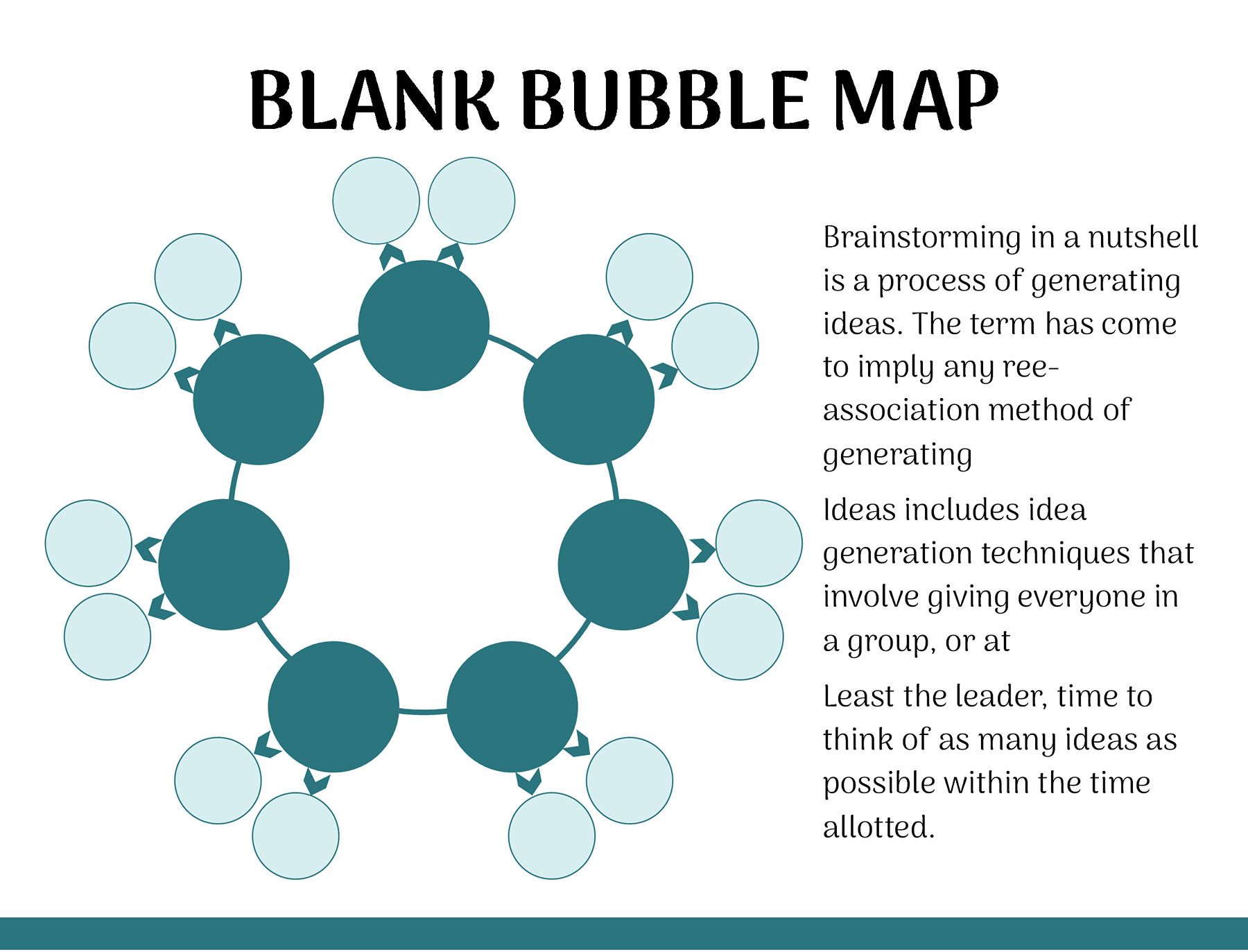
You know what the most difficult thing about brainstorming is: “the hassle of where to get started”. This is more common than anyone thinks, and for this reason, a blank template comes in.
Blank means it doesn’t have any fixed categories or labels, which gives you the freedom to use it however you like. For instance, if you’re not finding any related ideas, you can simply put in your main word, and then, when a question or concept pops into your head, you can write them in surrounding circles.
Bubble Map Template 01
Bubble Map Template 02
2. Brainstorm bubble template
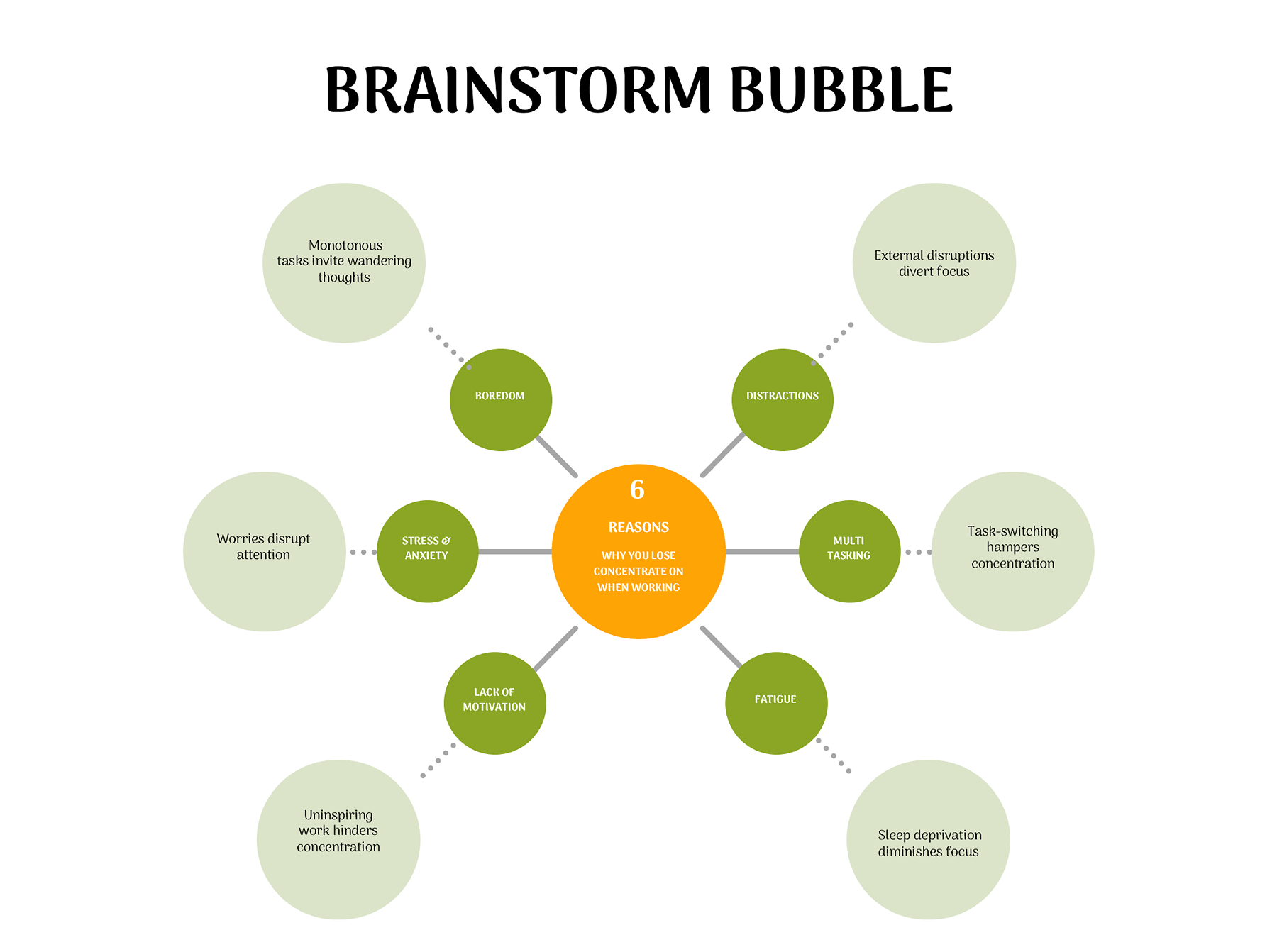
You have the idea, but now you’re unsure where to begin? This layout is really the safe space that lets you get everything out of your head onto one page. So, first things first, whatever your main topic is, place it right in the center (the yellow circle). Now, add the key ideas that support the main one into the green circles. After you’re done with placing them, you can use light green bubbles to add related details, examples, or possible solutions.
Bubble Map Template 03
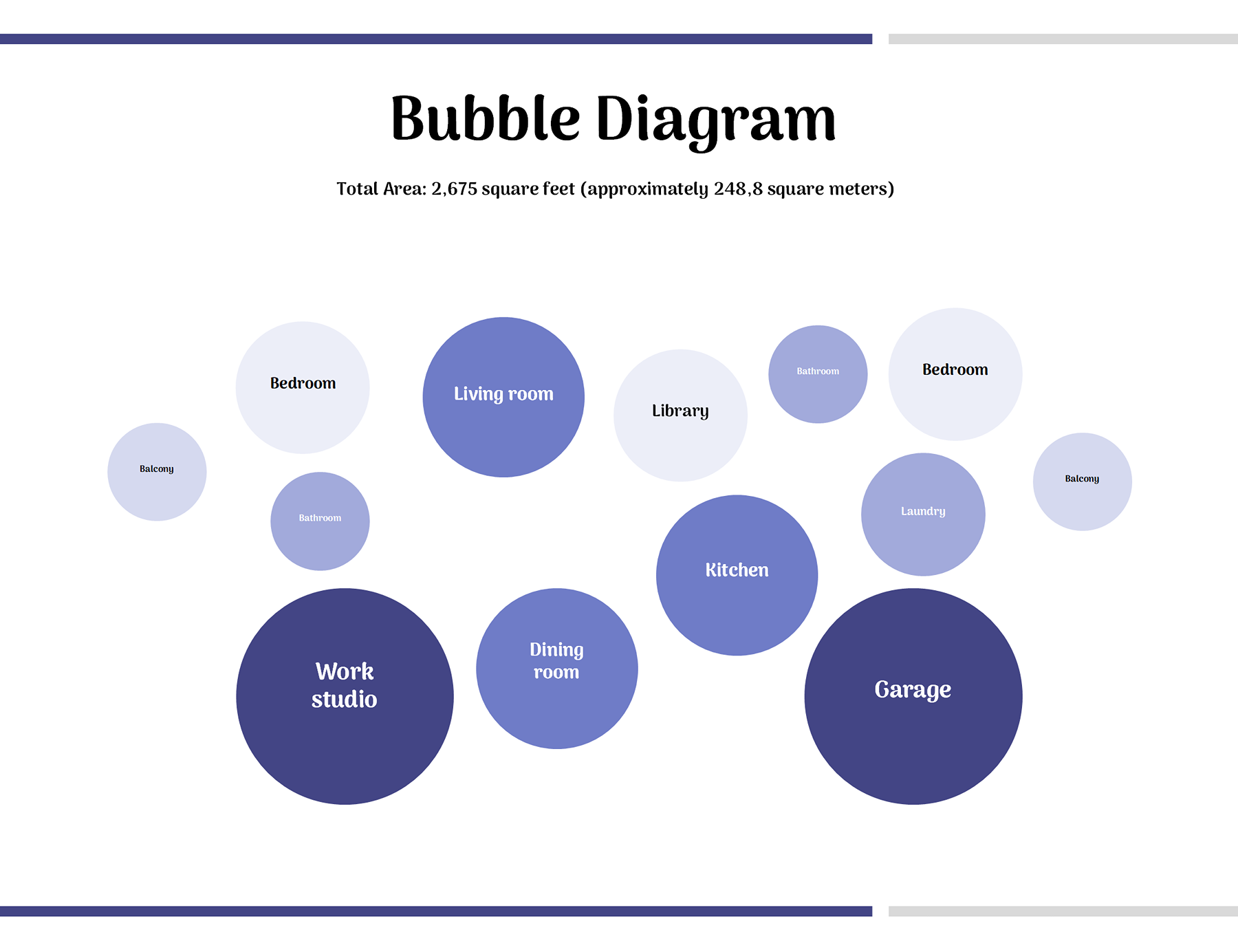
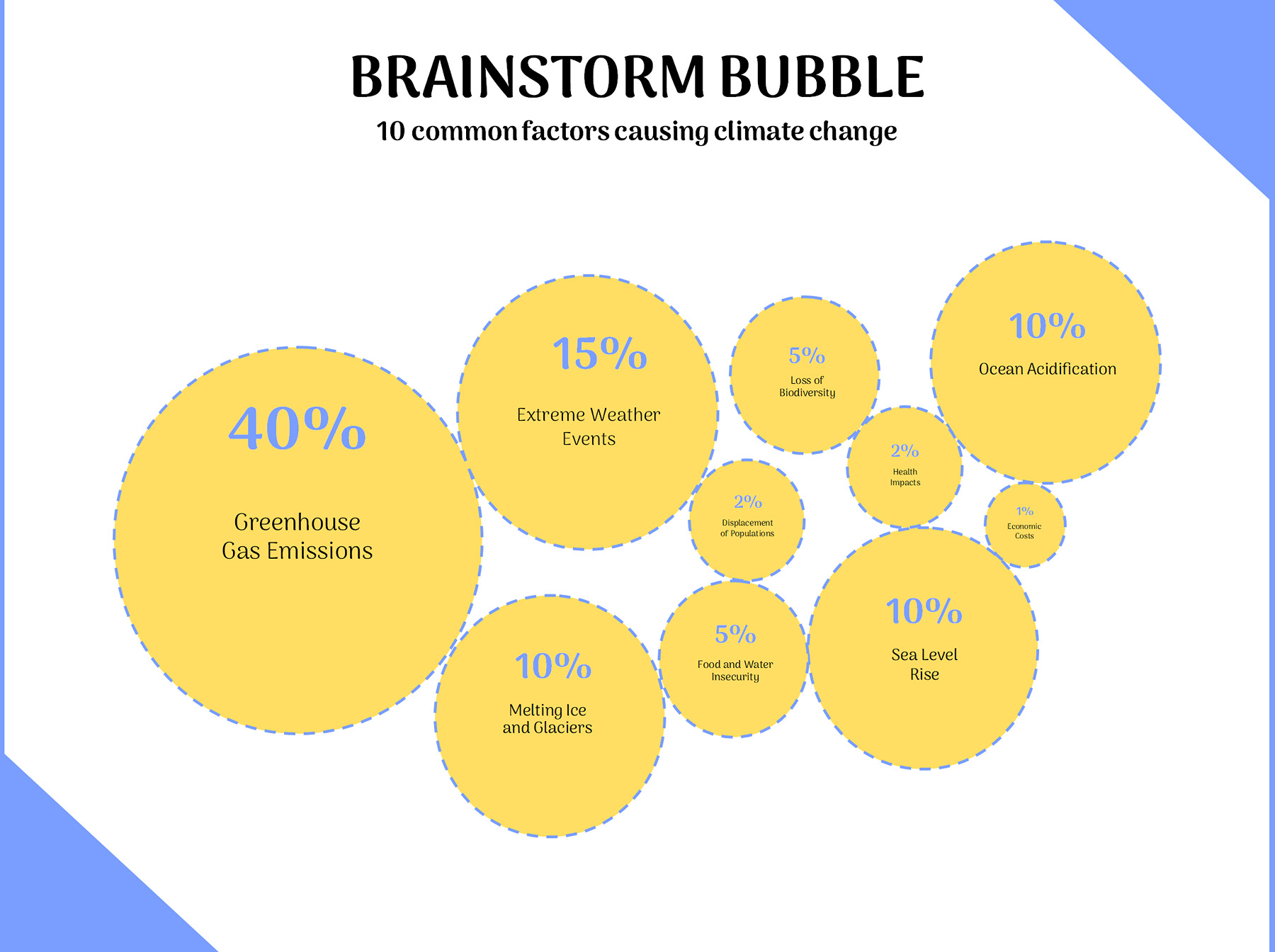
Additionally, in cases where you need to show which idea matters most, you can use this template. Well, this brainstorm bubble template does more than arrange information; it helps you look at priorities really quickly.
Each bubble in the template shows a different idea, topic, or factor, and the different sizes, which you notice, tell you relative value. THE BIGGER THE CIRCLE, THE MORE IMPORTANT THE INFO. Overall, it’s a great fit for research findings, comparing data, or explaining any survey results.
Bubble Map Template 04
3. Color bubble diagram template
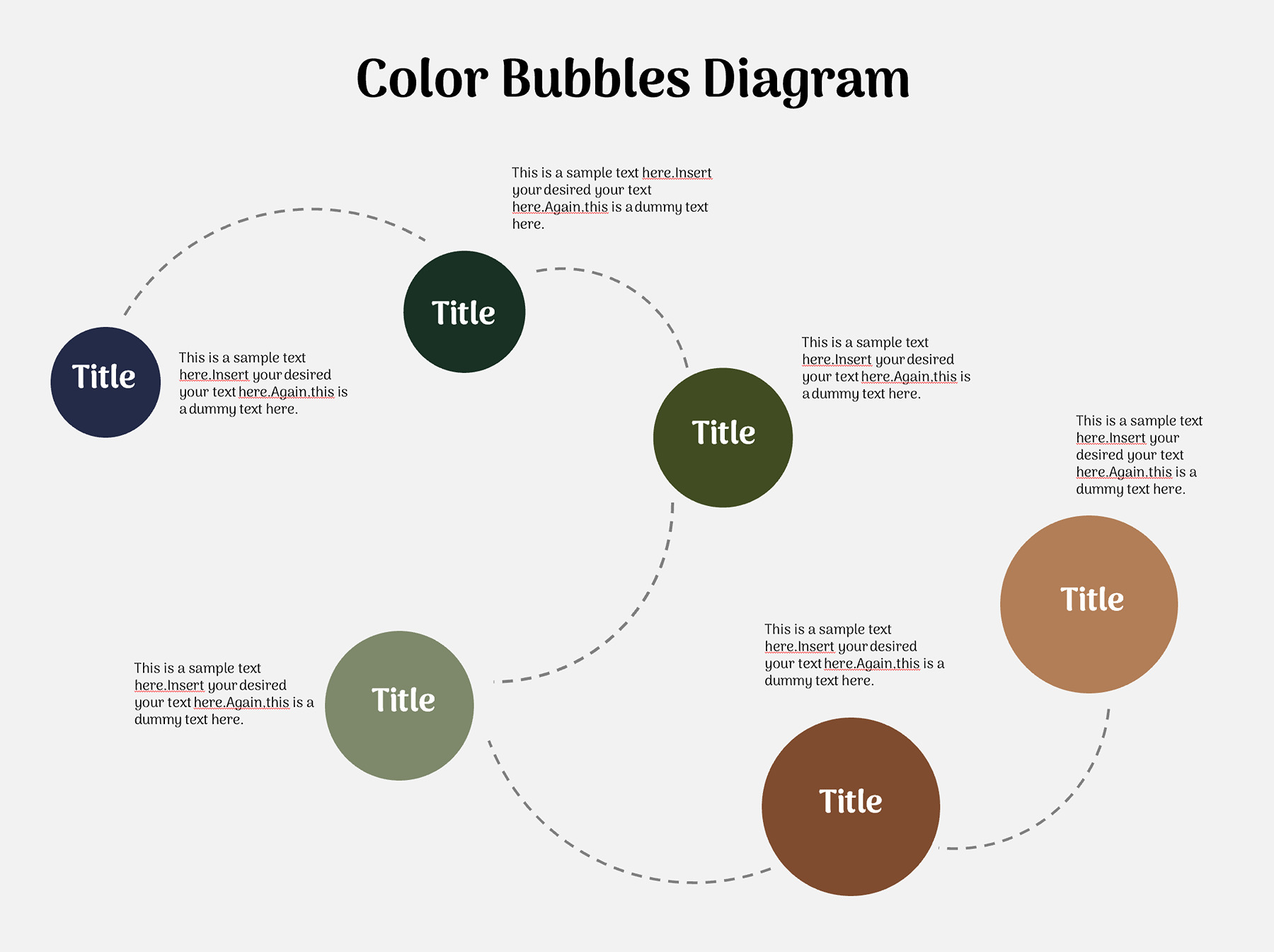
Who says gathering thoughts has to be boring? Skip the outdated, dull templates and use this colorful bubble chart to add a visual twist to your unscattered ideas. Well, the templates have different colored circles that separate topics, categories, or stages. Moreover, it is really a great tool when it comes to giving presentations, lesson plans, project overviews, or any situation where you really want important ideas to stand out.
Cherry on top? It has plenty of space for short notes and connected concepts, which can help you shape your thoughts easily without making the diagram feel cluttered.
Bubble Map Template 05
If you’re looking for a simple bubble diagram template that lets you see the bigger picture without getting buried in details? This template might help you. It uses a simple way to gather and compare different ideas in one place.
The best part of this template is that it doesn’t follow the generic connecting lines; you can vary the sizes of bubbles to show the importance of any concept, category, or topic.
Bubble Map Template 06
4. Thinking map template
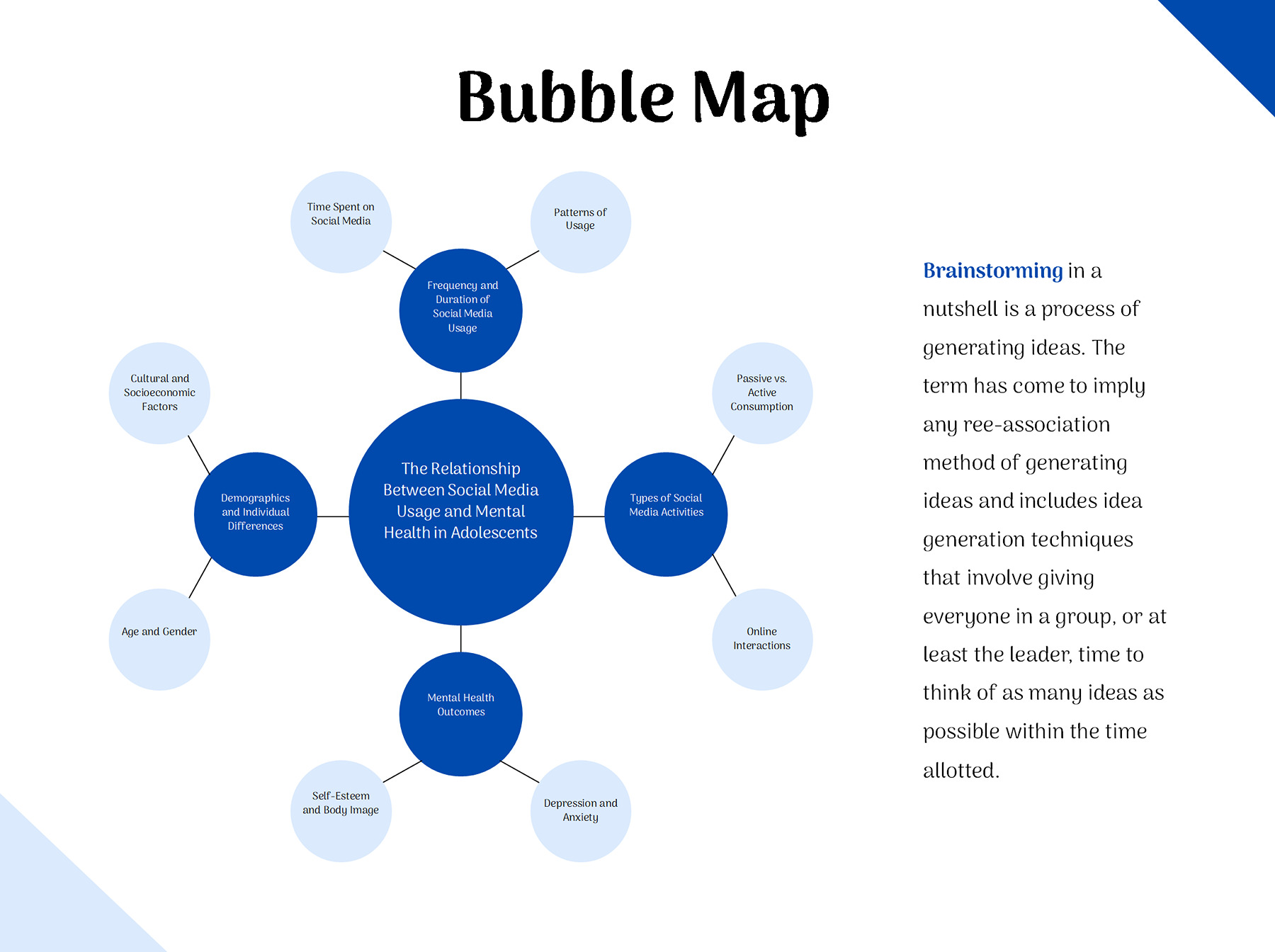
Whenever you have any big topic that feels overwhelming, it’s always best to break it into smaller, manageable chunks. That’s what a thinking map does. This helps you to divide a central idea into key categories and add supporting details where they belong.
Bubble Map Template 07
5. Double bubble map template
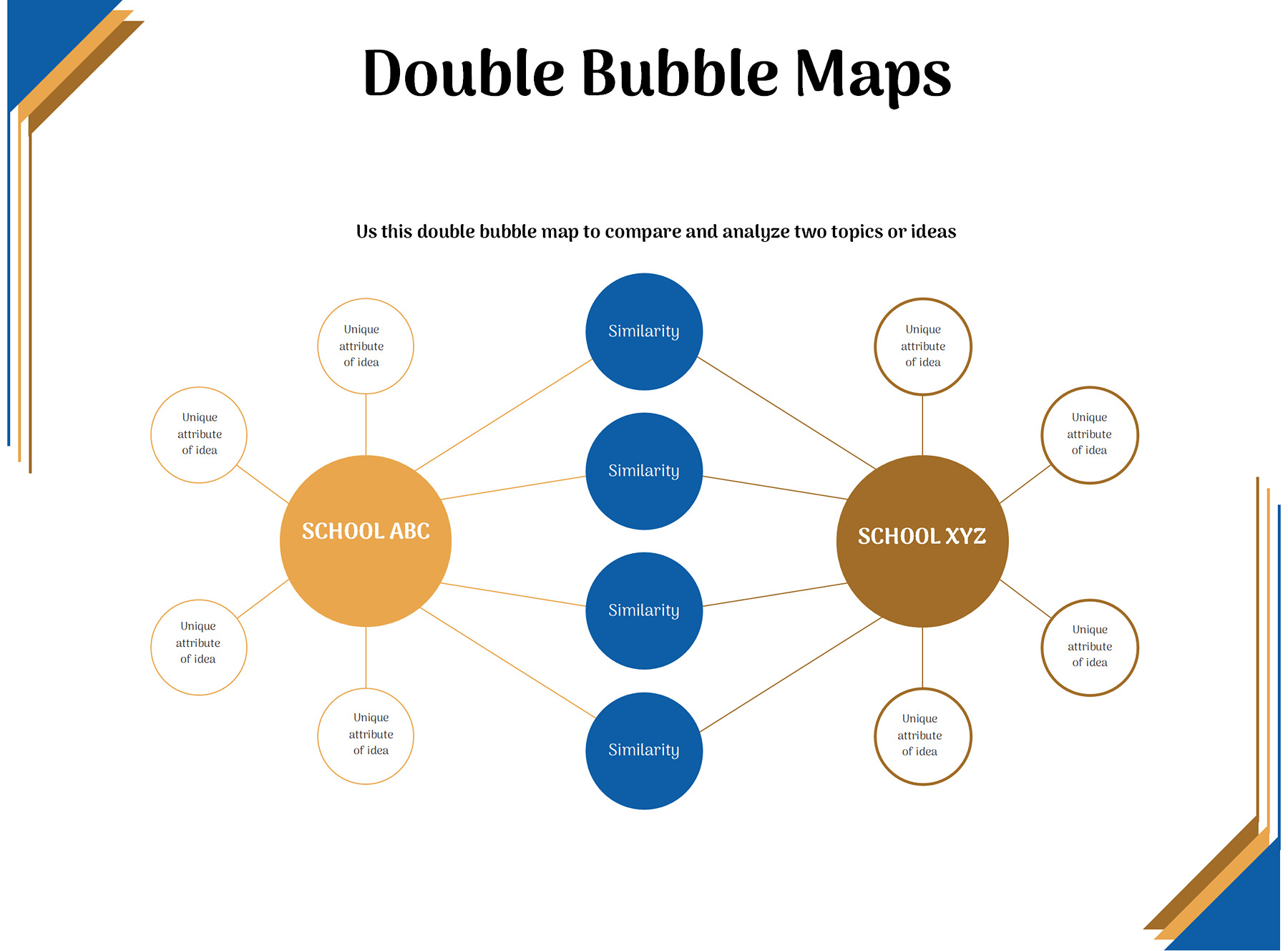
What if you have two ideas that need a strong comparison without letting anyone get lost in the shuffle? Don’t worry, this template is solely designed for this purpose. This literally makes it easy for you to see what’s similar about two concepts and where the difference lies.
To make the comparison simple, you need to place one topic on each side of the template. The center bubbles are for shared similarities, and the outer bubbles are where you put their differences. This way, you can turn side-by-side comparison into fun that is easy to understand.
Bubble Map Template 08
6. Bubble map graphic organizer template
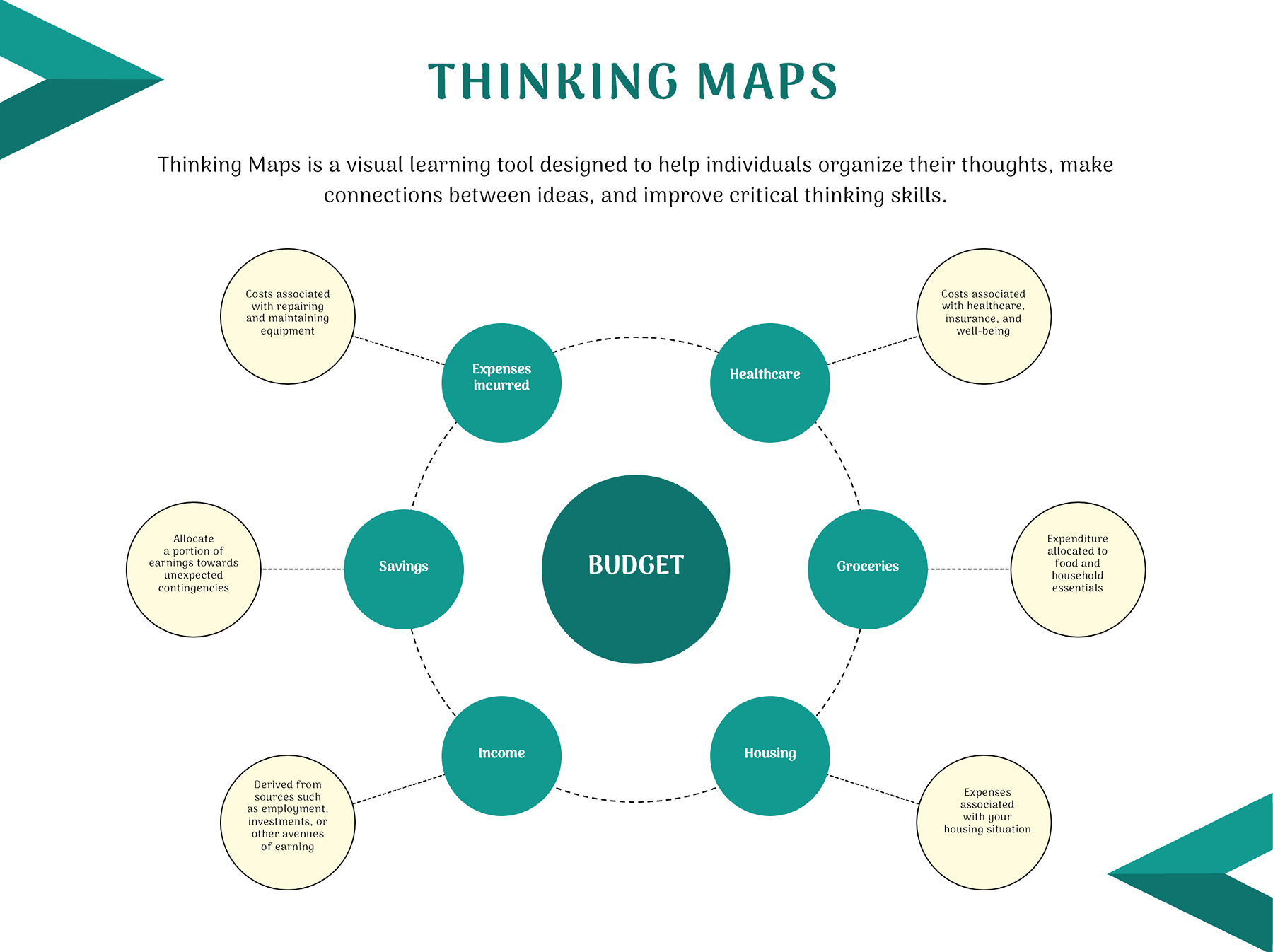
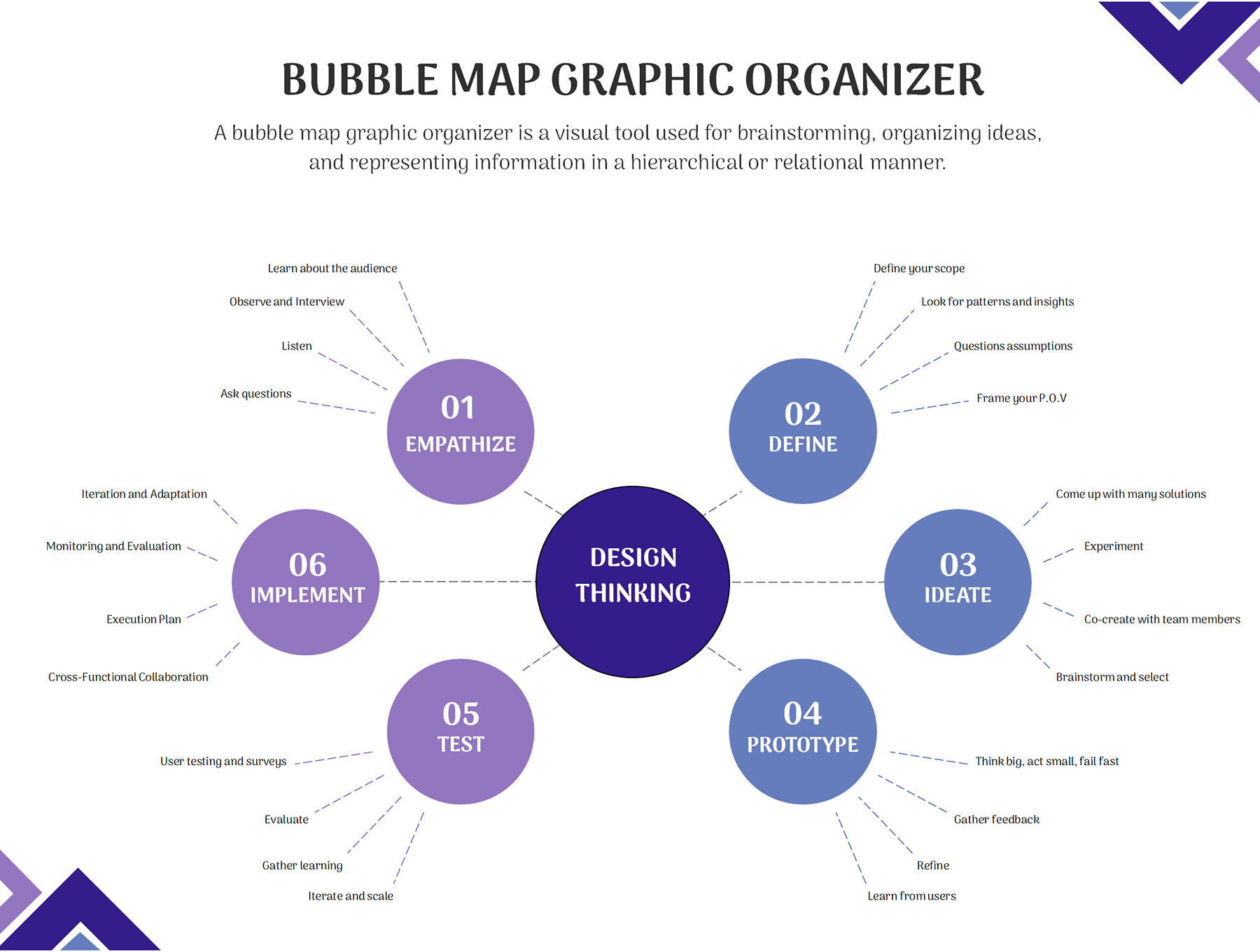
Some ideas refuse to stay in neat boxes, and that’s okay. This template is for those ideas that seem to start small but then grow in every direction. Rather than letting them take over your notebook, it lets you organize them most simply and keep everything connected.
Well, adding the information in this layout is very easy. You need to start by putting the main topic in the middle, then use the surrounding circles to add key ideas or any detail that explains the main concept.
Additionally, the dotted line outside the circles leads you to more specific details about the sub-ideas or themes. In short, before you even notice, a complicated subject turns into a clear visual that is much easier to understand.
Bubble Map Template 09
Bubble Map Template 10
How to Use a Bubble Map Template Effectively
There’s no definite “perfect” way to make and use the bubble map, and that’s part of the fun. But you don’t need to fret; following a few simple tricks can make it really useful. Here’s how you can make every bubble count:
- Start with One Big Idea: Every template needs a starting point. Write your main (one) topic in the center and let all the related ideas revolve around it. Make sure you know what should be the ANCHOR.
- Let Your Ideas Flow Naturally: Don’t force your mind if something isn’t coming. Give yourself time, and whenever any related idea pops into your head, write it in the other bubbles.
- Group Similar Ideas Close Together: Whenever you fill the bubbles, if you see a few are talking about the same thing, place them near each other. Grouping related thoughts makes your map easier to scan and helps you find out patterns you might have otherwise missed.
- Don’t Try to Fit Everything In: It looks really cool to squeeze every single thought into your bubble map, but too many bubbles is literally where the mess begins. So, it’s better to add the ideas that matter most and keep the layout clean.
- Save a Few Empty Bubbles: Honestly speaking, great ideas don’t arrive all at once. That’s why it’s smart to leave little breathing room so you can add new thoughts later without having to delete or edit the whole thing.
Common Slip-Ups to Take Care of
What’s the point of using a template if you’re going to mess with it or make it more confusing? Here are a few mistakes that can ruin your perfect template:
- Trying to Cover Too Many Main Ideas: If you have more than one central idea, your map will be a huge failure. It only works best when it has one core idea; otherwise, it will be confusing, and no one is going to understand it.
- Turning Bubbles into Mini Paragraphs: Remember, they’re called bubbles for a reason! Meaning you need to fill them with a lot of text. Simple phrases and keywords are enough to let you know about the concepts.
- Forgetting that Visuals Matter: A map is really not just about what you write; in fact, it’s about how you place it. So, make sure you space the bubbles evenly, avoid overlapping lines, and group similar ideas naturally. Because, in the end, it really matters how clean your map is.
In Conclusion….
Ideas have a funny way of multiplying the moment when you’re writing them. They jump from one concept to another, and in no time, you have filled up the entire page with messy notes. Luckily, you can stop hunting all over the page for your runaway thoughts. The Bubble Map template handles the heavy lifting; just grab it, drop in your starting idea, and watch the rest of the pieces click into place.
Frequently Asked Questions
What’s the difference between a Bubble Map and a Mind Map?
Well, the first one is used when you need to revolve around one core idea. Whereas the mind map is useful when you have one topic and branch it out into different subtopics.
Can I Edit These Templates?
Yes, for sure! That’s the best part about our templates. They come in editable formats, which make it easy to delete or add any extra bubbles.
About This Article