Credit application forms play an important role in enabling trade and building financial trust between parties. Individuals or businesses use this form when they are requesting to buy goods and services on credit
What is a Credit Application Form?
A credit application form is a form used by businesses to collect information from clients who are looking to acquire goods and services on credit. It allows businesses to evaluate the credit score of applicants to see if they are worthy of purchasing via credit by collecting details such as credit history, bank history, references, etc. They also use it to make informed decisions on payment terms i.e. when to pay after delivery of goods or services
Why Businesses Need a Credit Application Form
- It protects cash flow by vetting customers: Businesses use credit application forms to analyze the business and financial details of customers to see if a customer is likely to pay on time or if there is a risk of non-payment. This exercise helps to keep a steady cash flow into the business.
- It minimizes the risk of non-payment: By assessing key business and financial details of a customer, businesses can know those who have a higher risk of non-payment and deny them credit. This reduces the occurrences of extending credit to high-risk customers.
- It builds a record for legal and accounting compliance: The form acts as a record of credit agreements for accurate tracking, auditing, bookkeeping, and debt recovery. It is also essential for legally enforcing terms.
Download Free Editable Credit Application Form Templates
We have provided our readers with a collection of well-designed templates that are editable, printable, and ready to use. The templates will make sure that you collect all relevant information to assess the creditworthiness of your customers. In addition, we have included different types of credit application form templates.
They are:
- Individual credit application form
- Business trade credit application form
- Supplier credit application form
Choose a template that suits your needs.
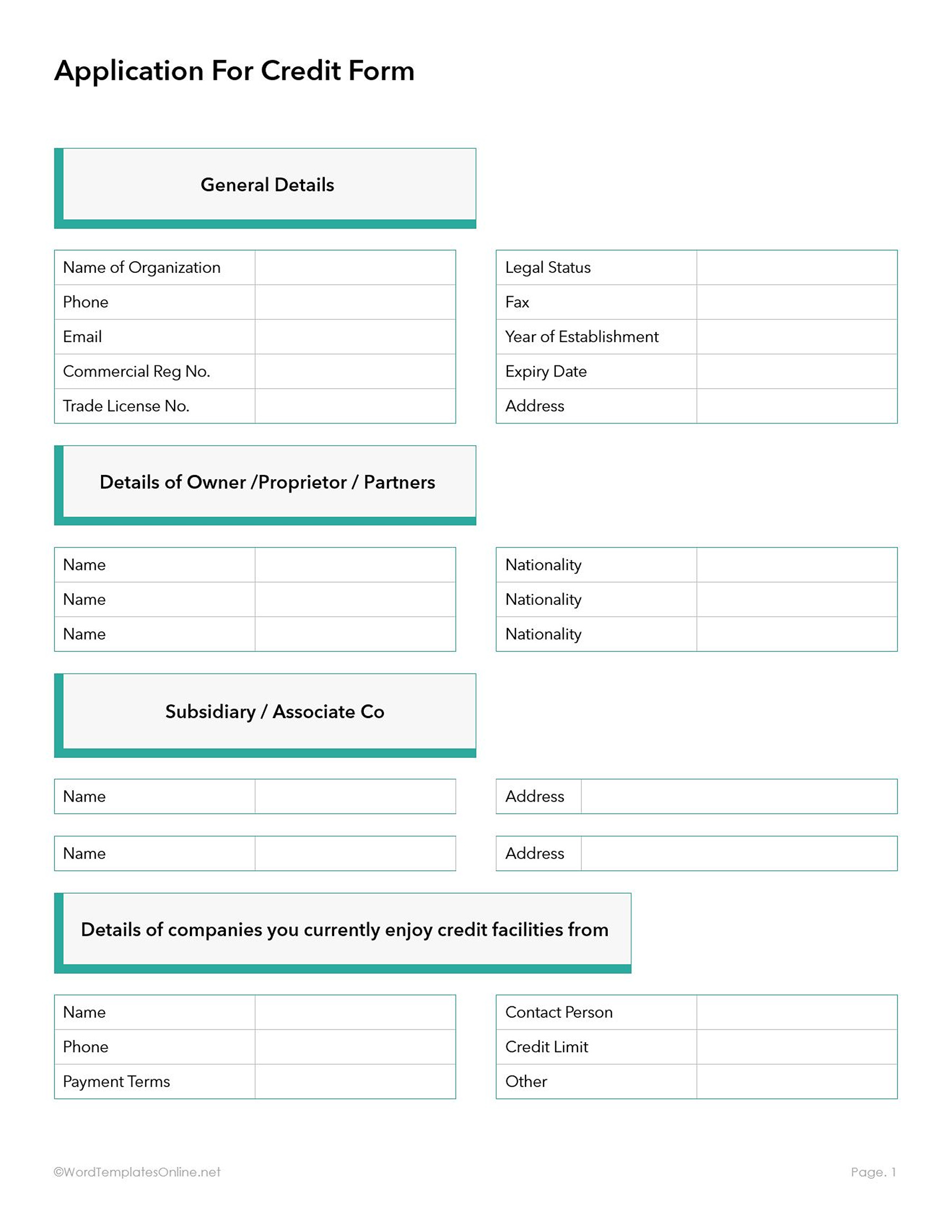
Credit Application Form 01

Credit Application Form 02
Credit Application Form 03
Credit Application Form 04
Credit Application Form 05
Credit Application Form 06
Credit Application Form 07
Credit Application Form 08
Credit Application Form 09
Credit Application Form 10
Key Components Included in These Templates
Templates are carefully designed to allow businesses to collect all relevant information by including key components that help with the process. The components are:
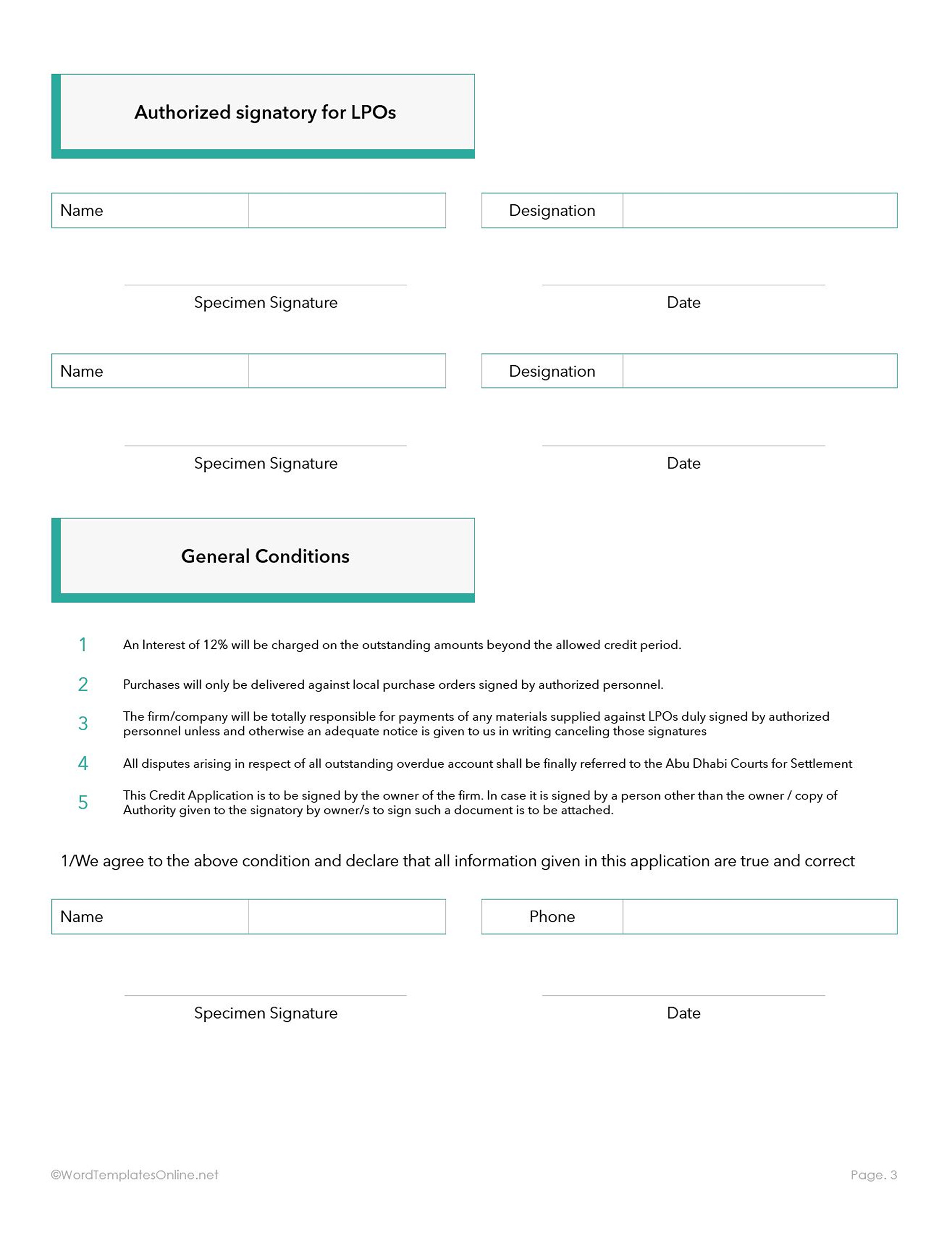
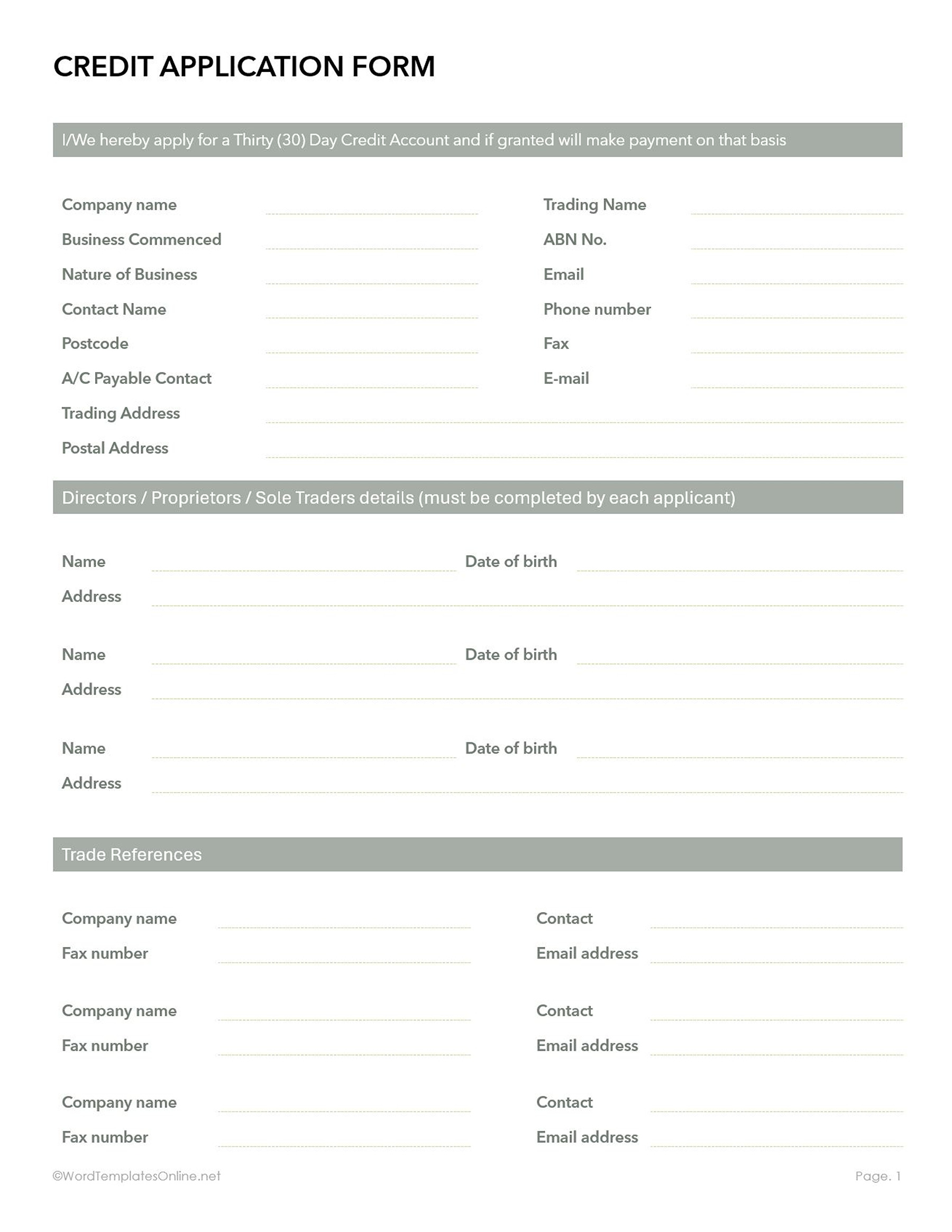
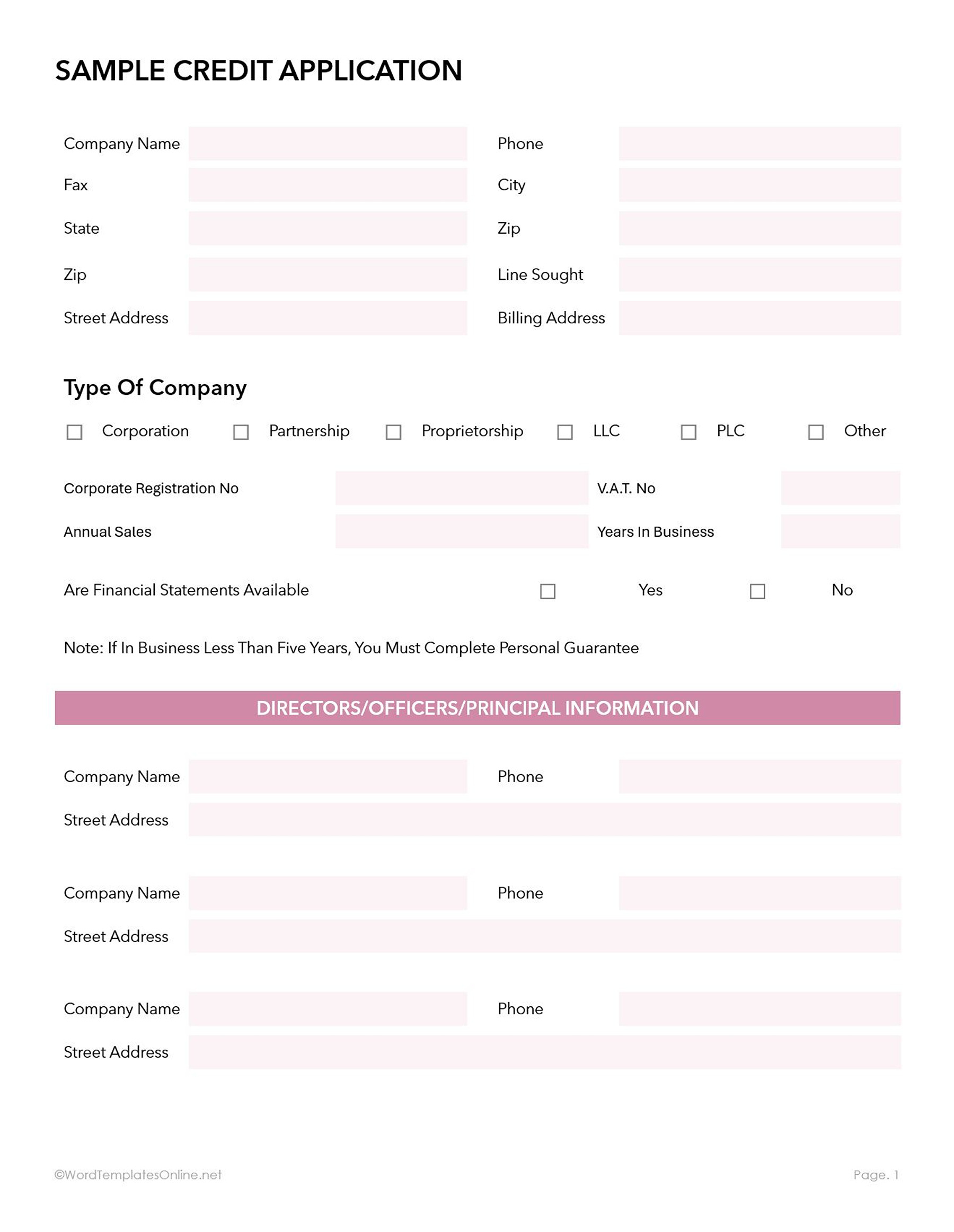
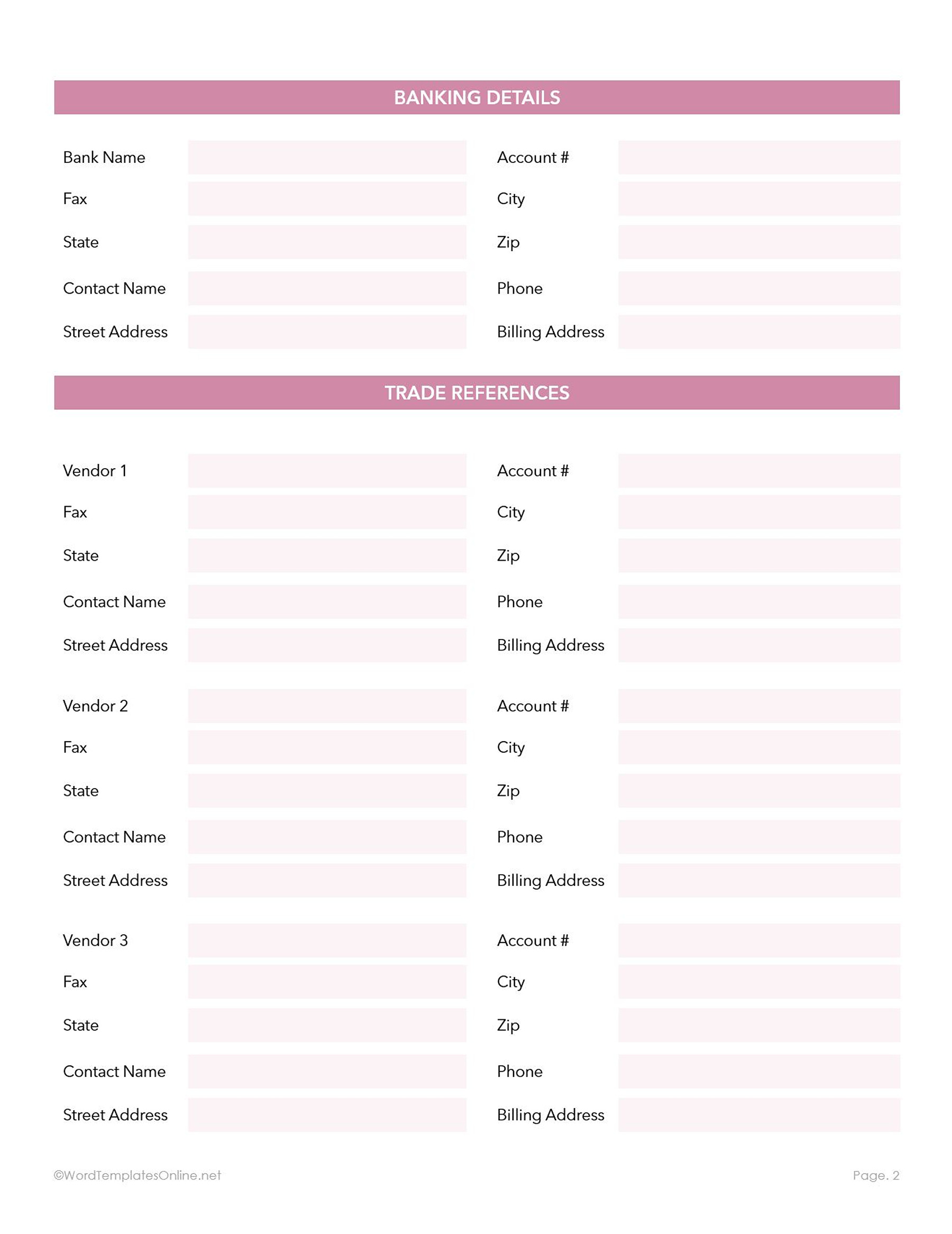
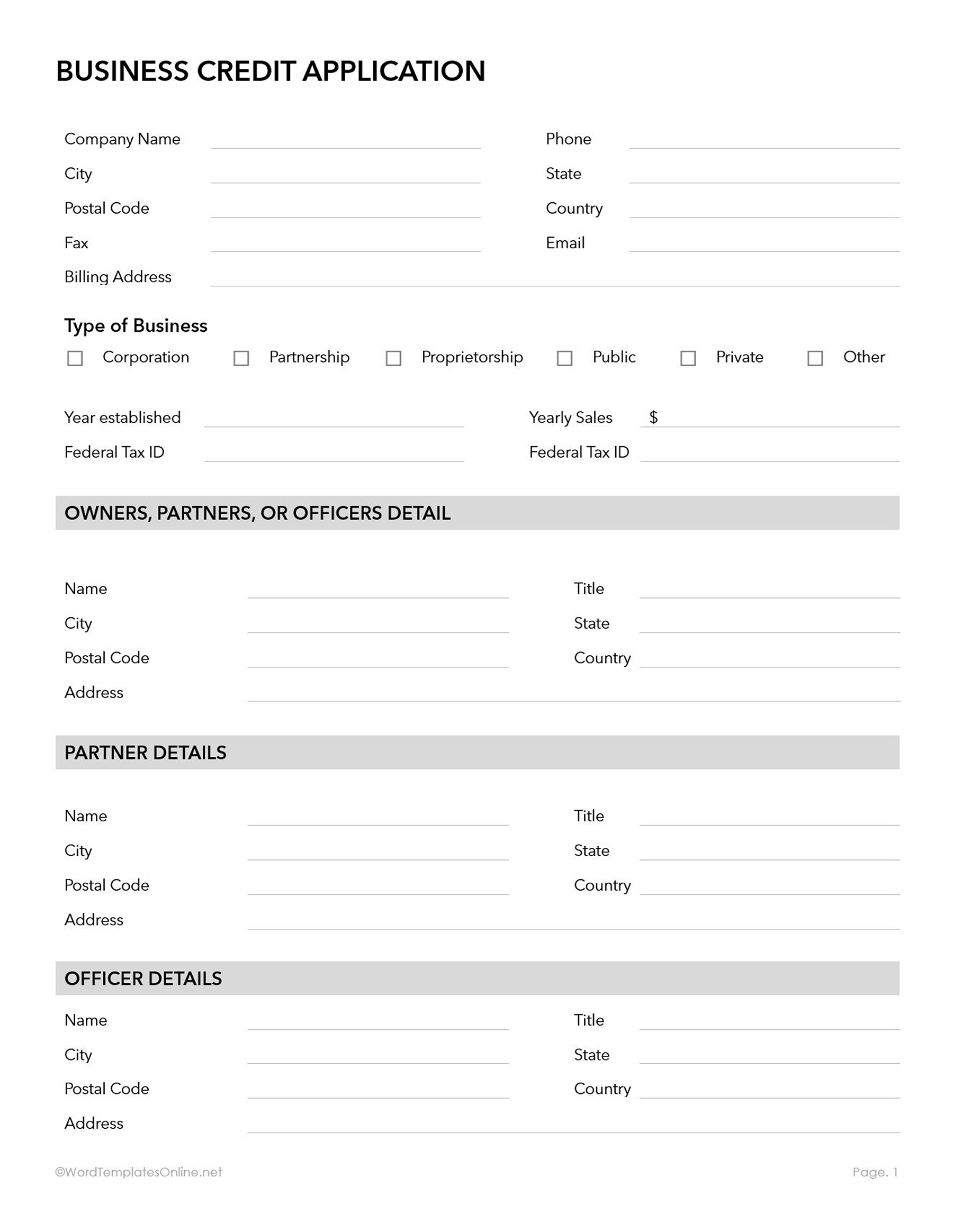
Applicant details
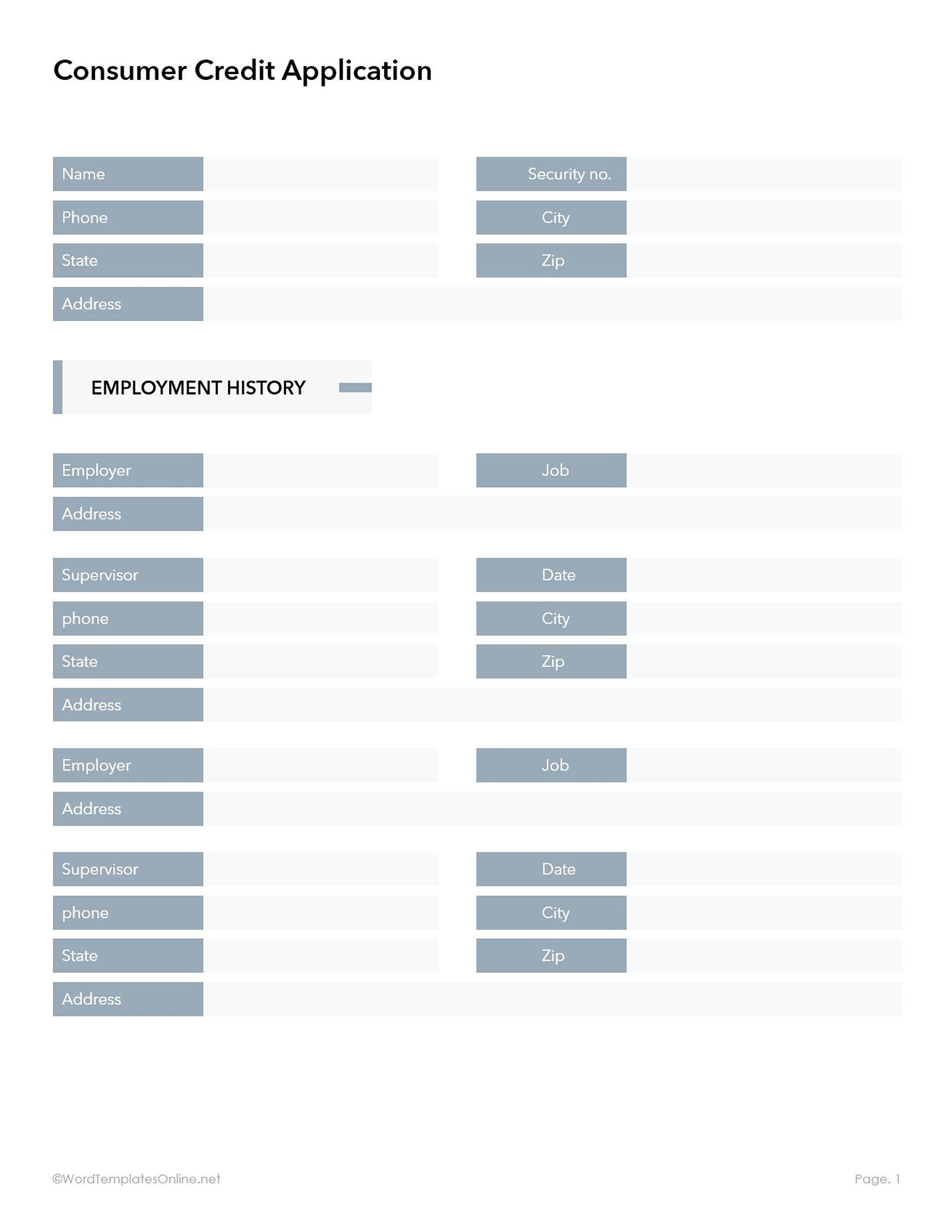
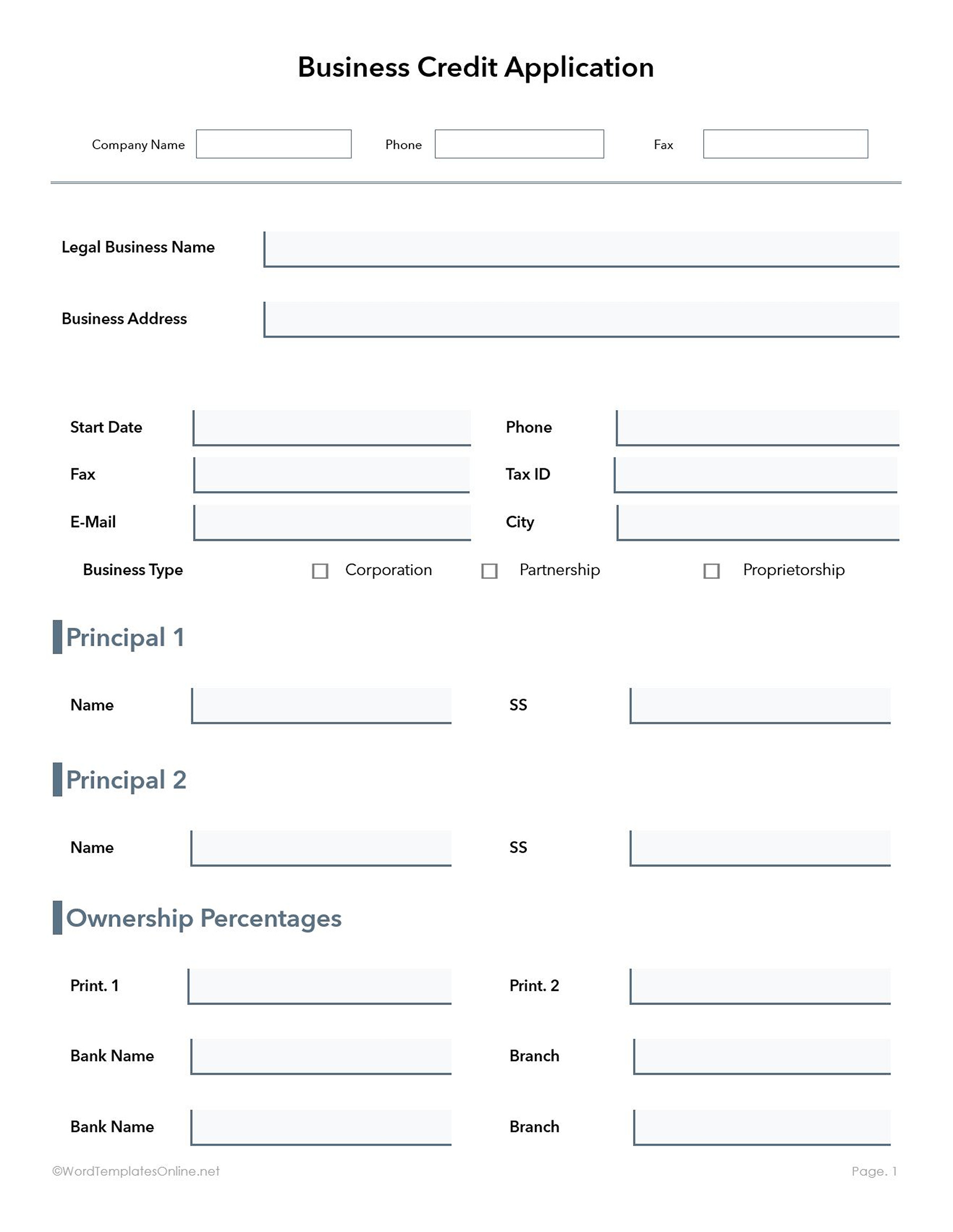
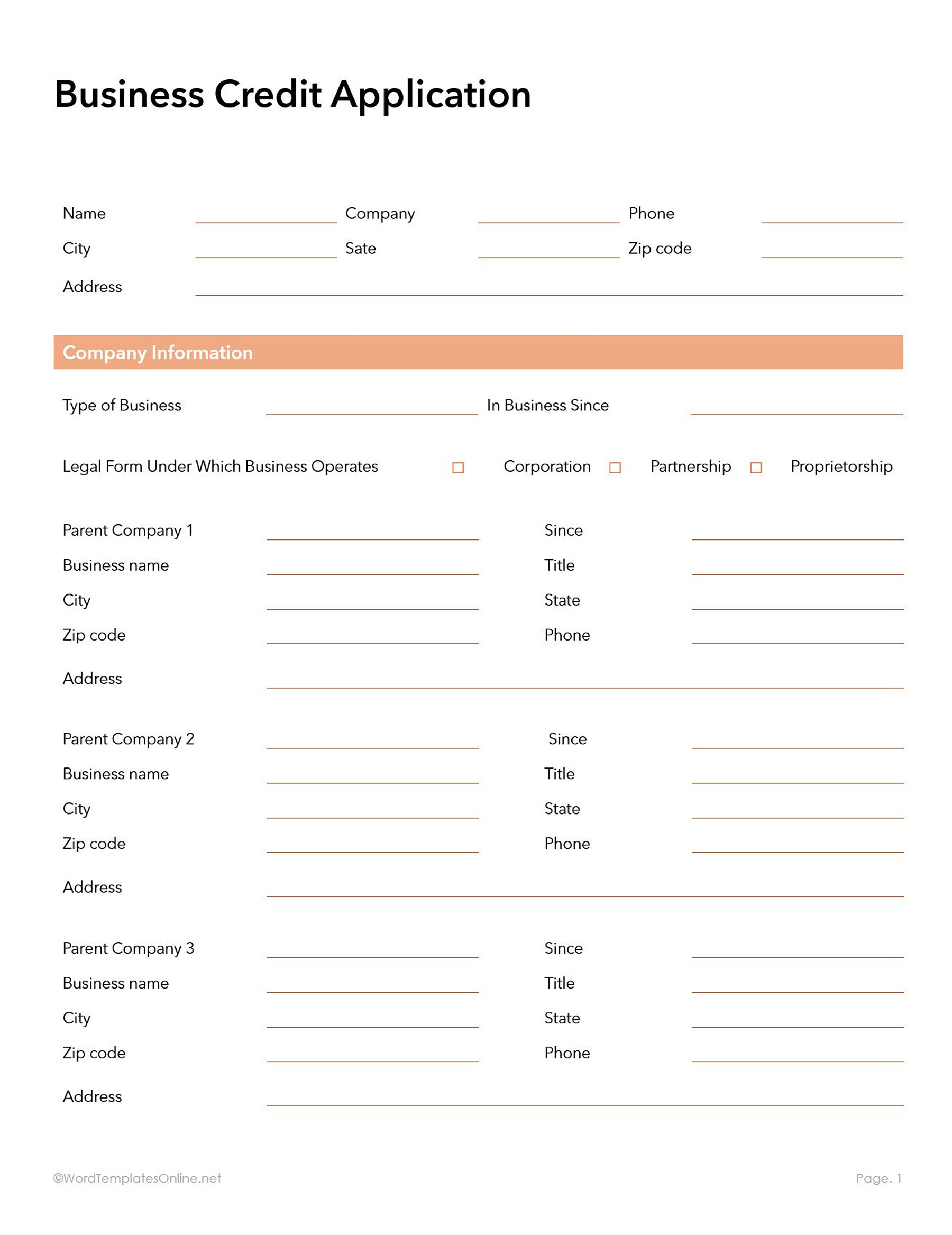
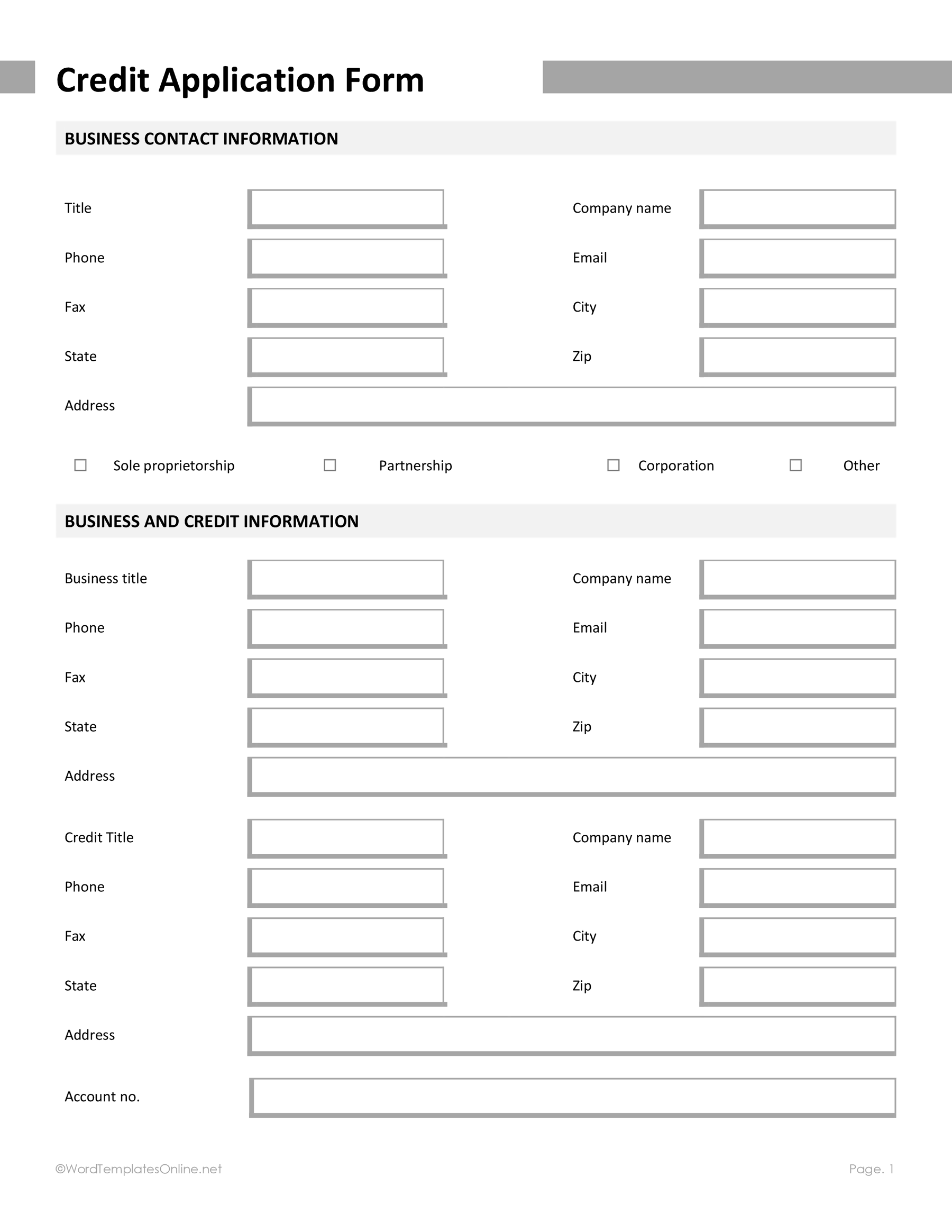
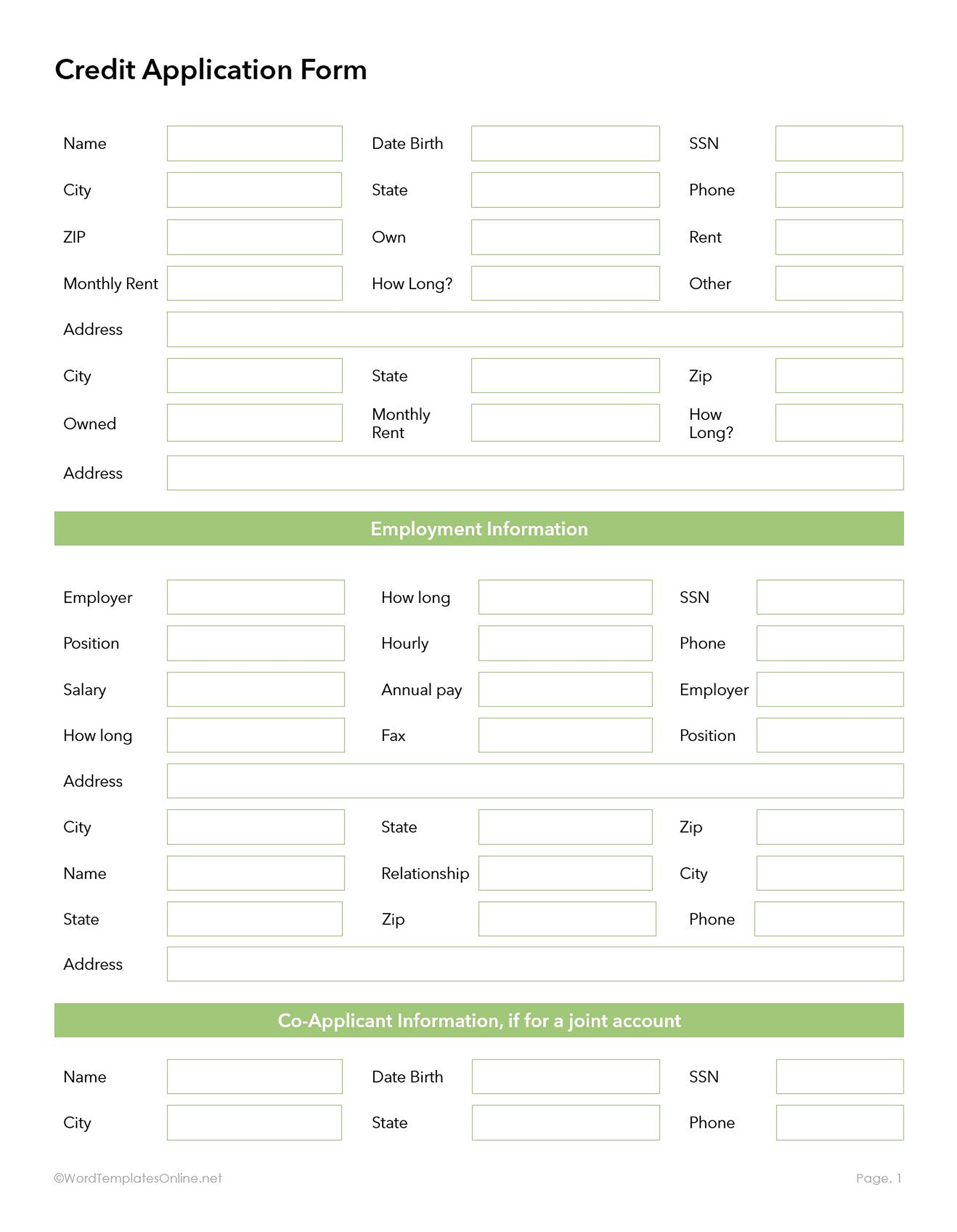
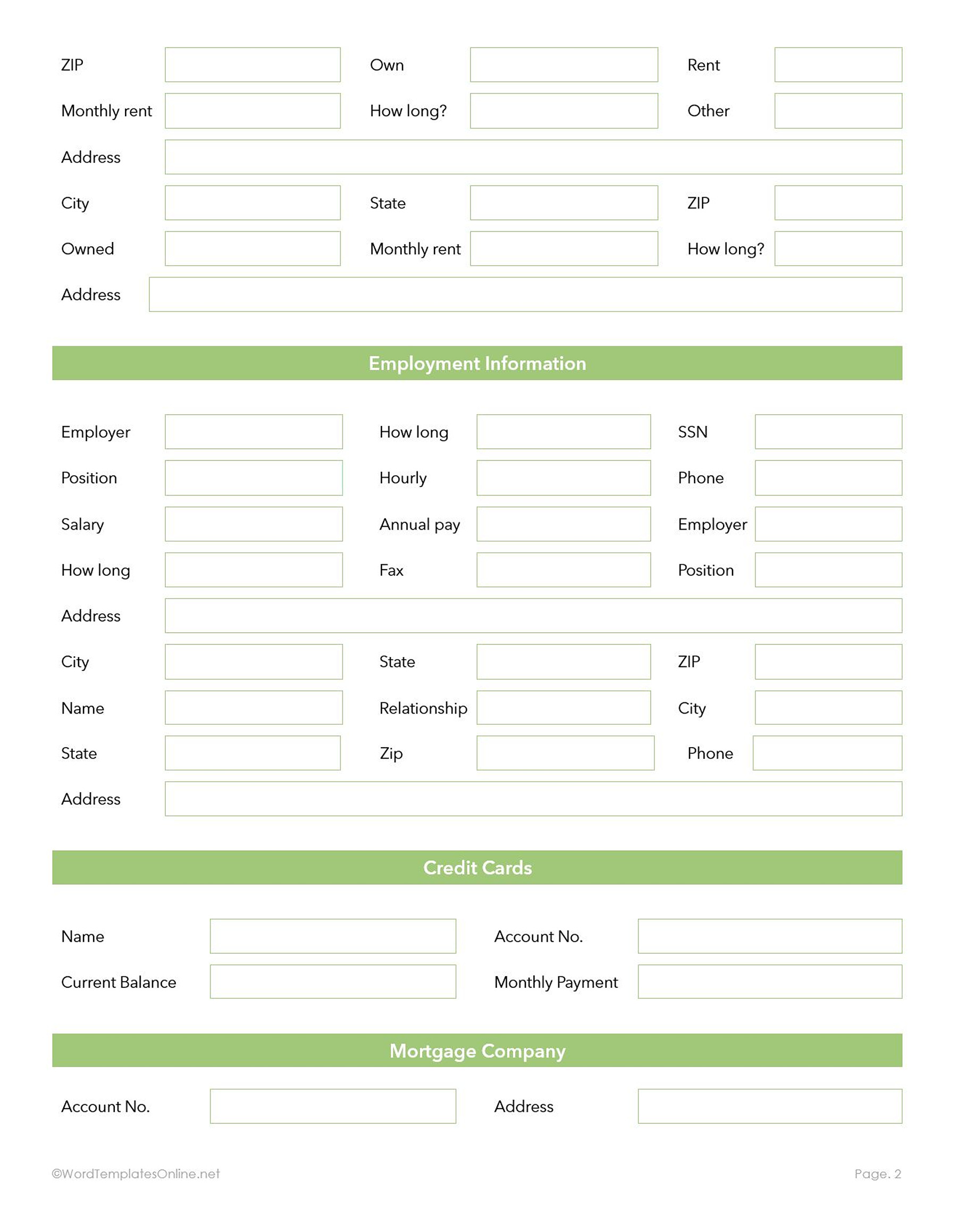
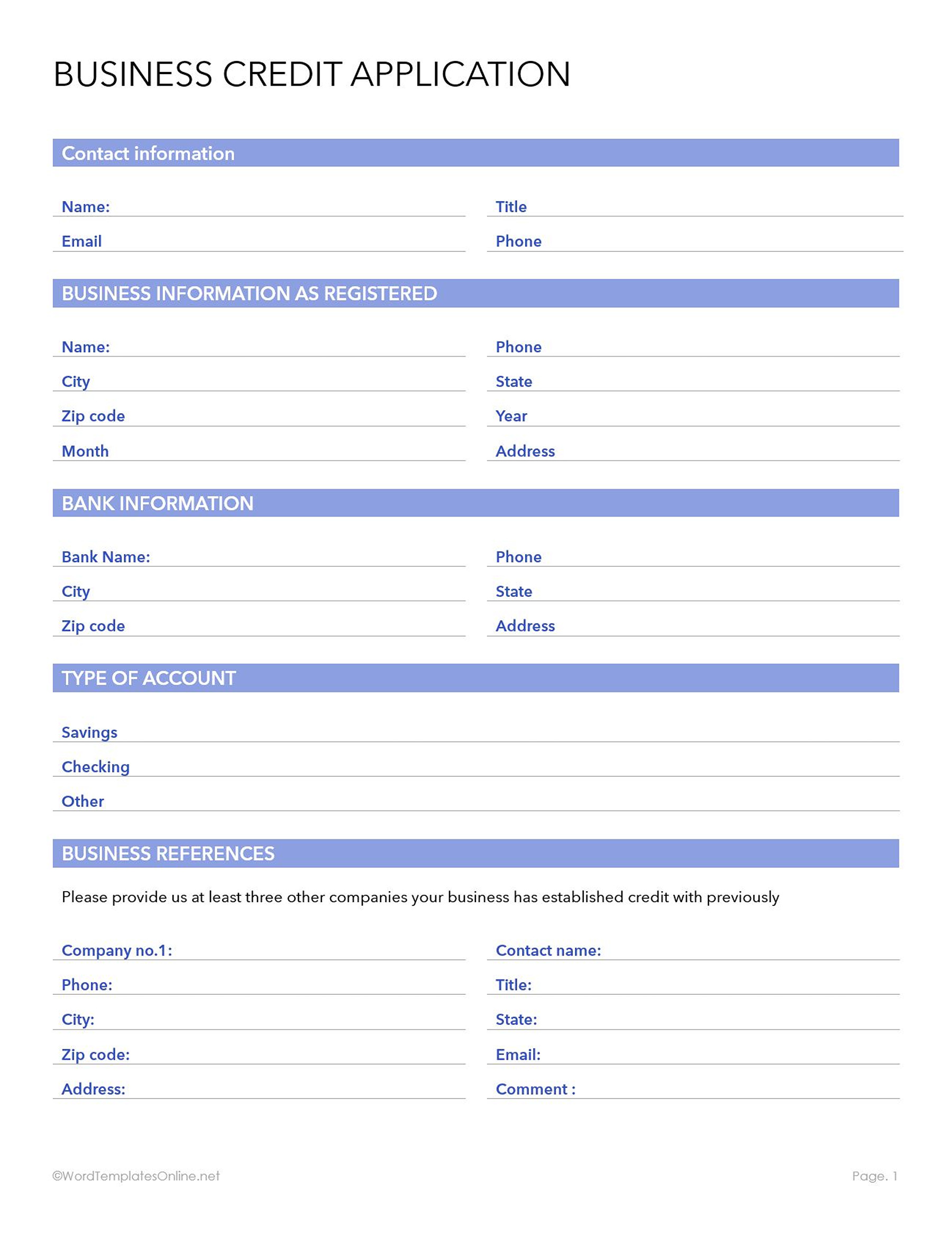
This is the first section of the template. It gathers a customer’s details for identification purposes. The details captured include a customer’s full name, ID number, email, phone number, and social security number if applicable. For businesses, the details captured include the business name, address, registration number, type of industry, years in operation, and contact person.
Credit references request
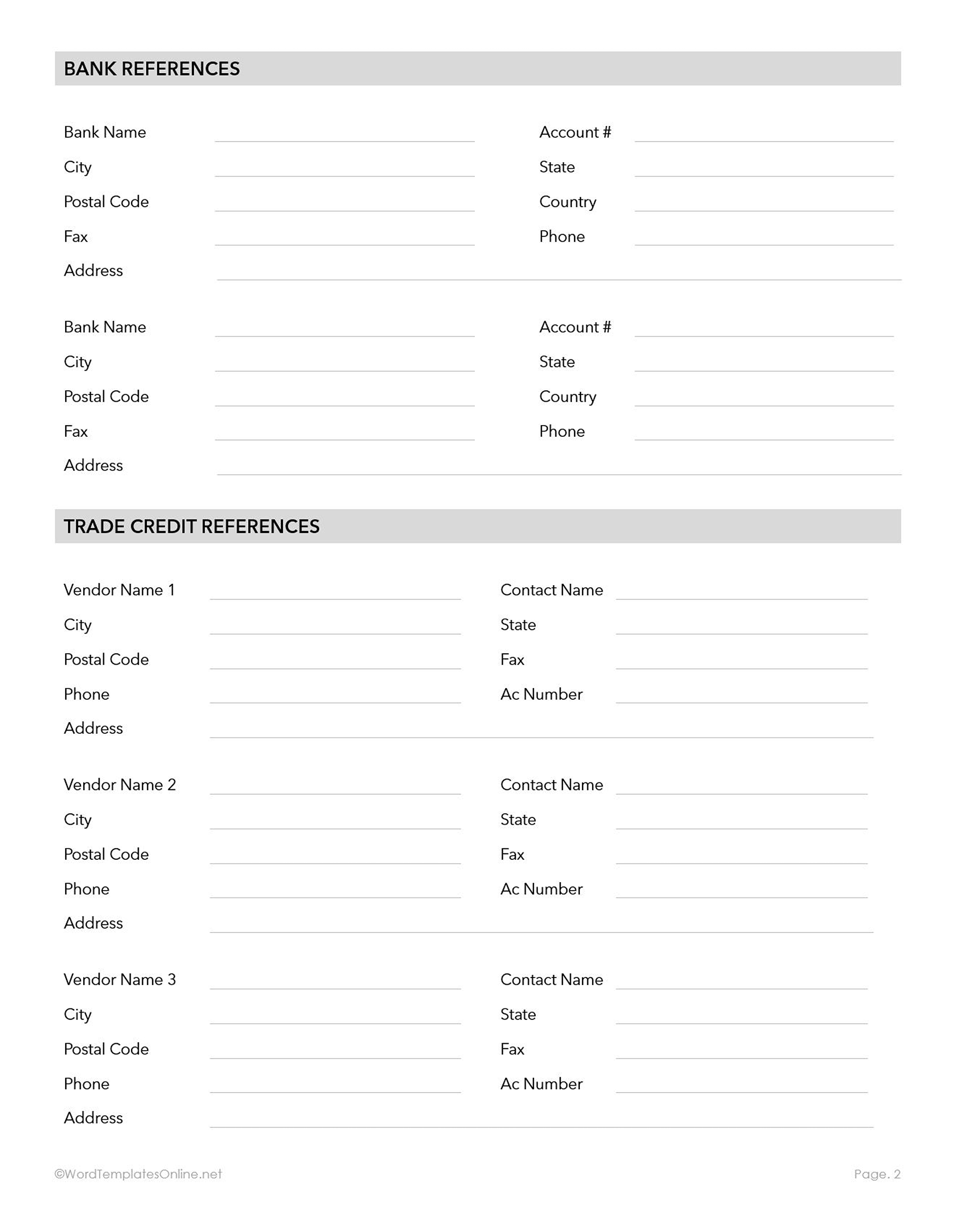
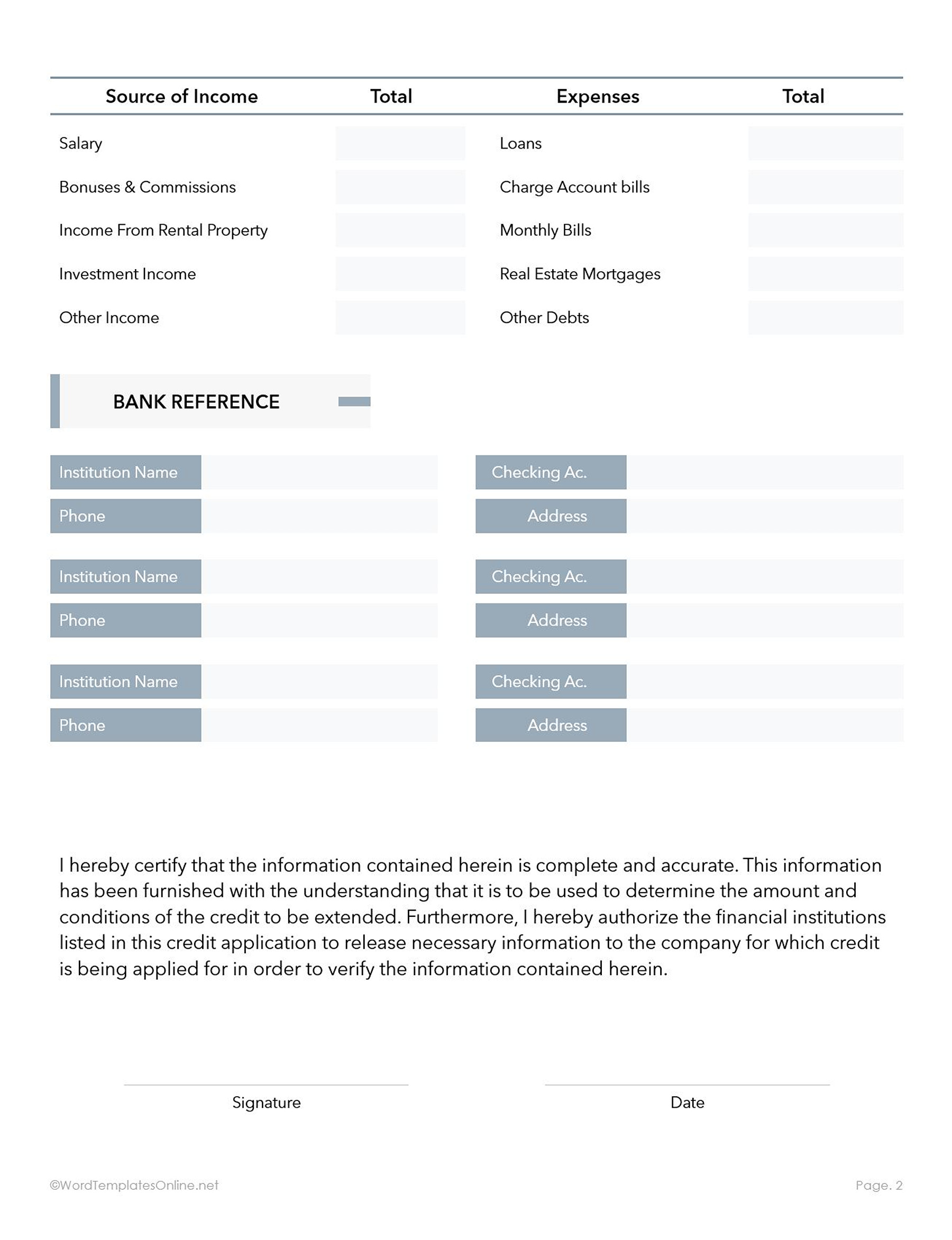
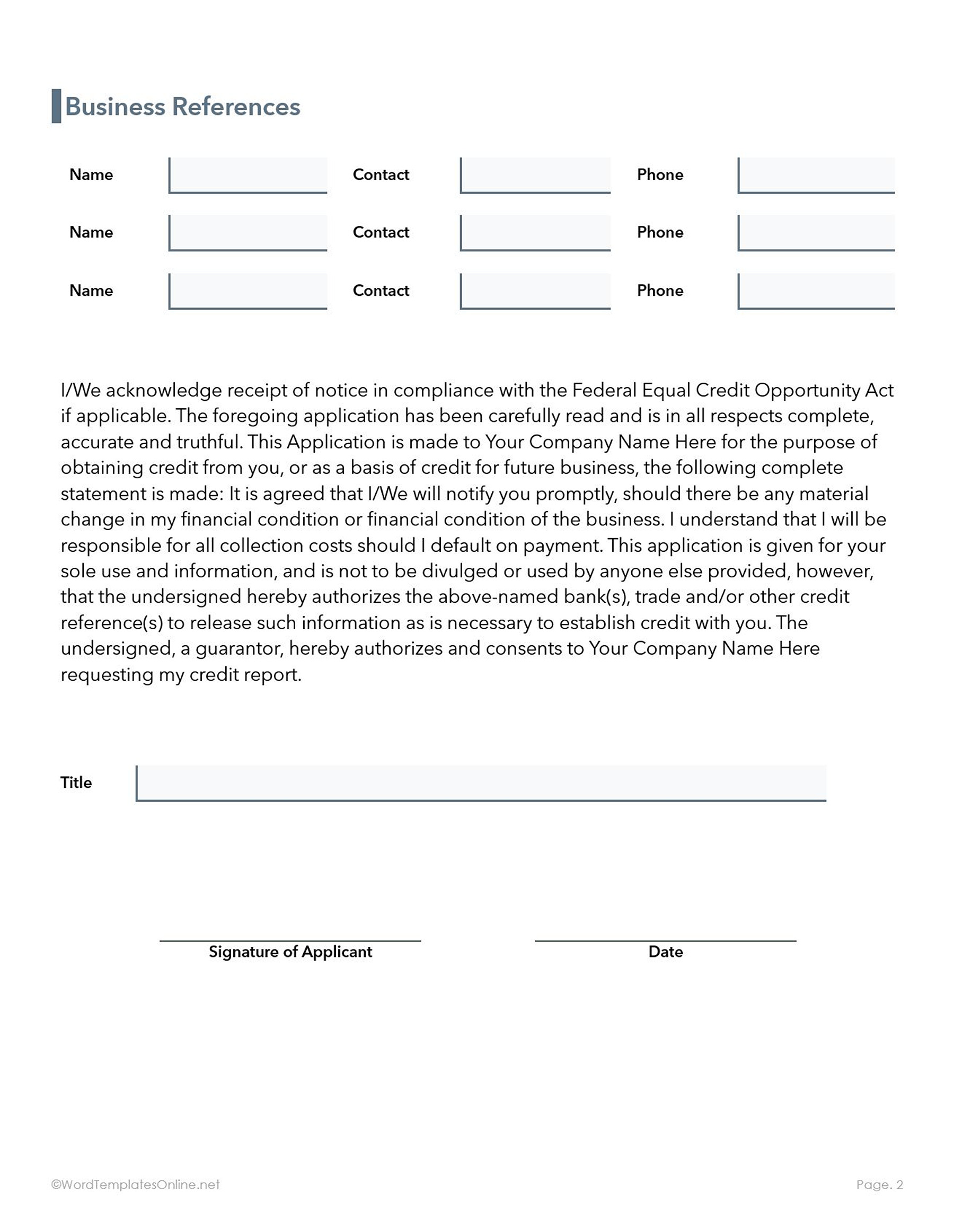
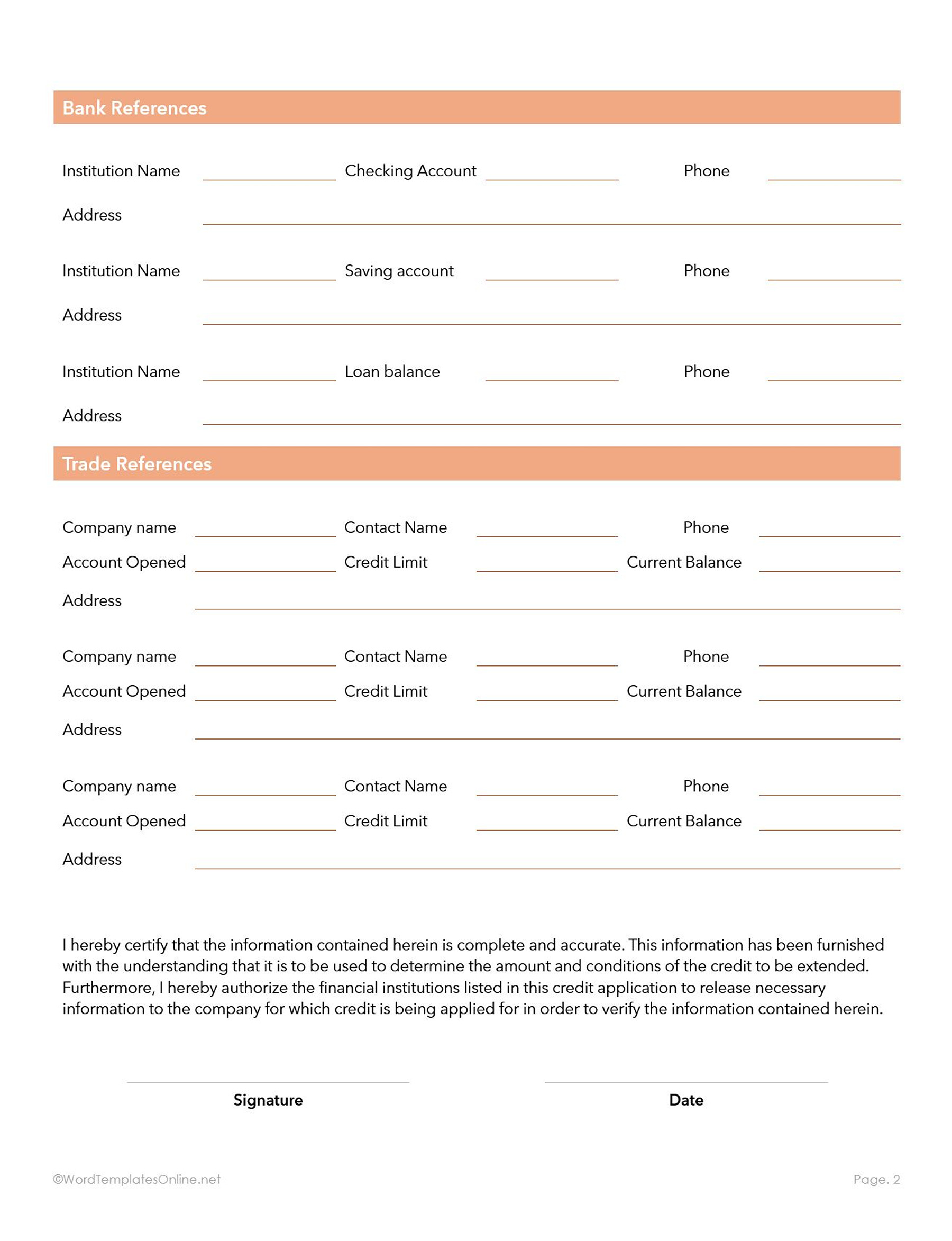
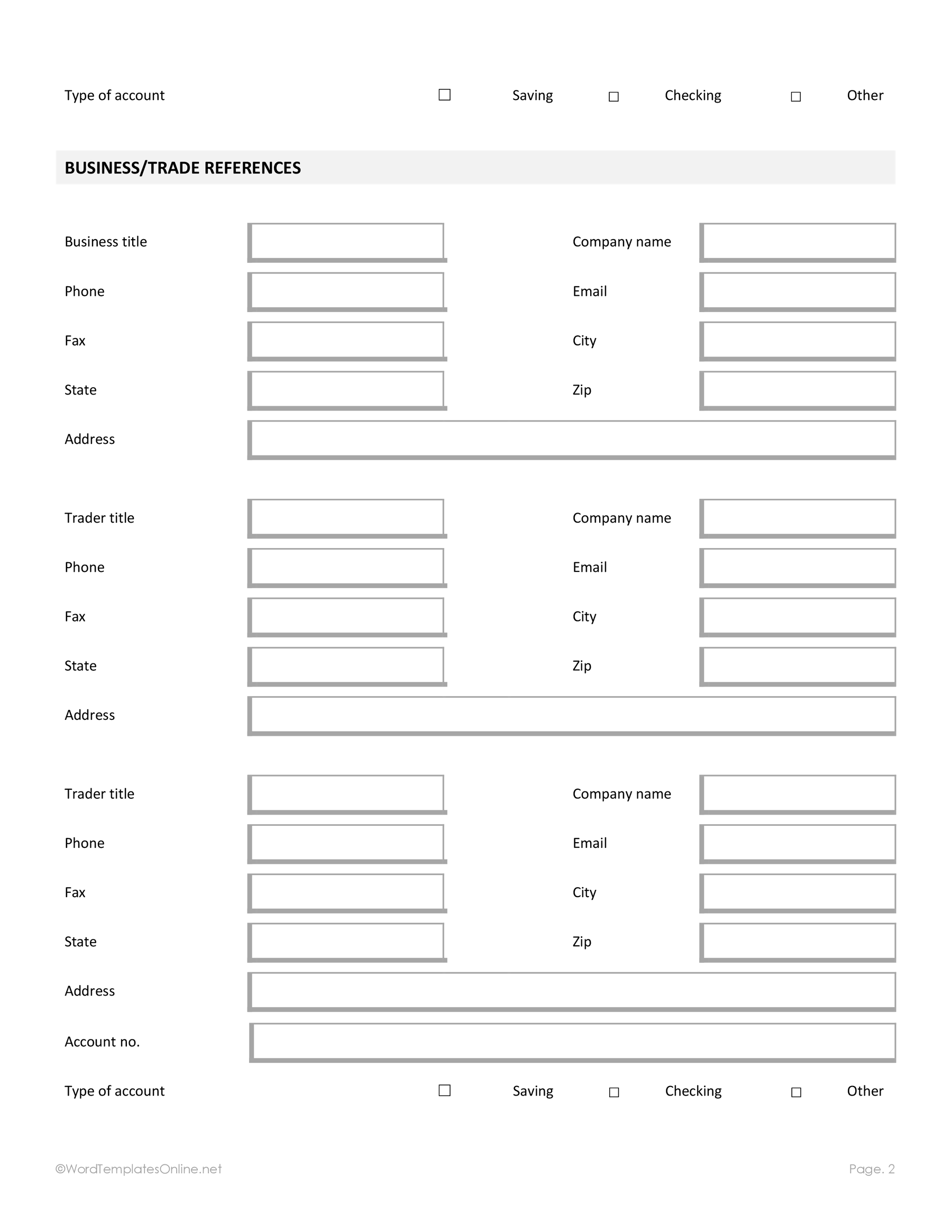
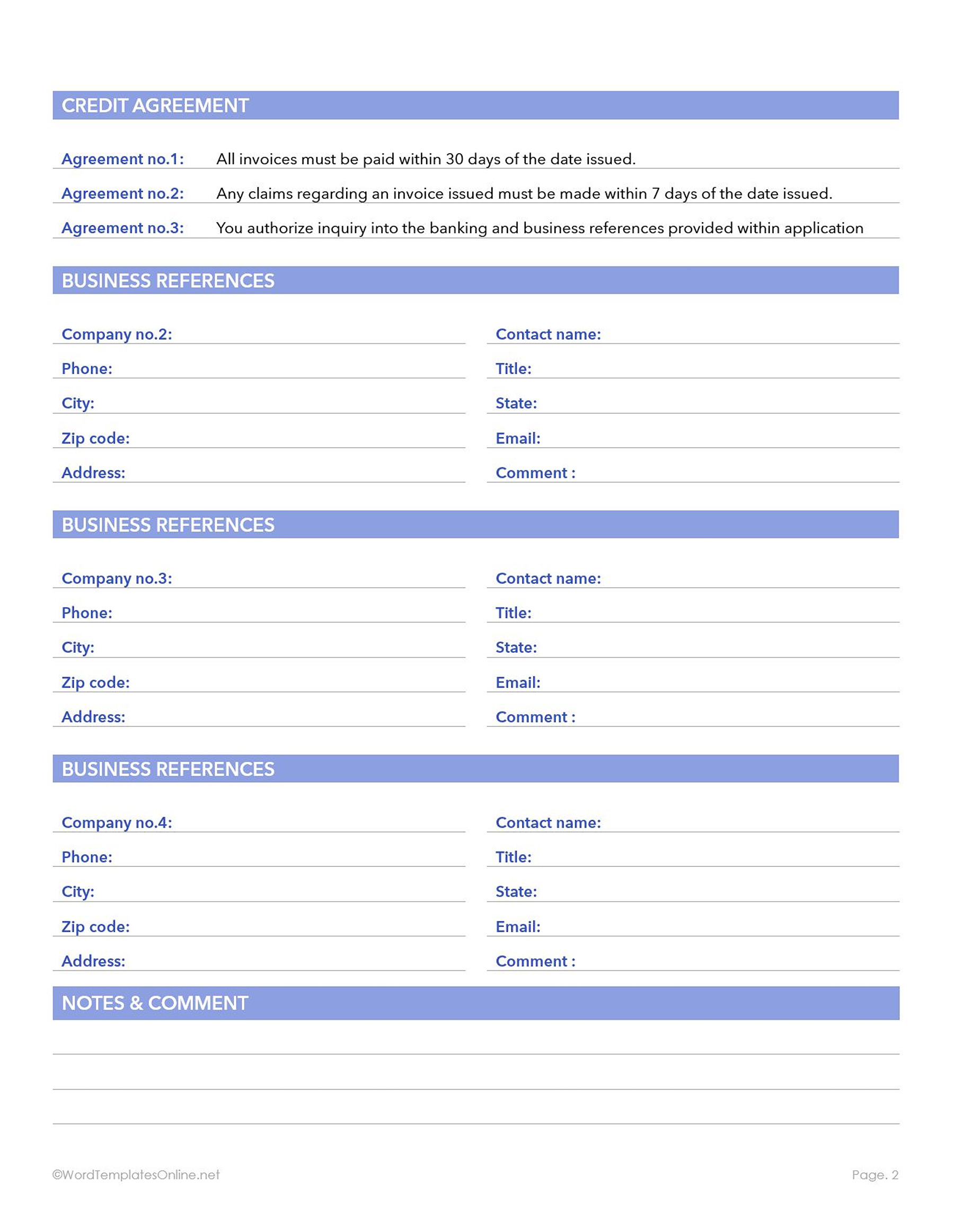
In this section, applicants are required to list the financial institutions, such as banks and trade contacts such as suppliers and creditors, to verify their payment behavior, credit history, reliability, etc. This helps creditors evaluate a customer’s financial standing and creditworthiness.
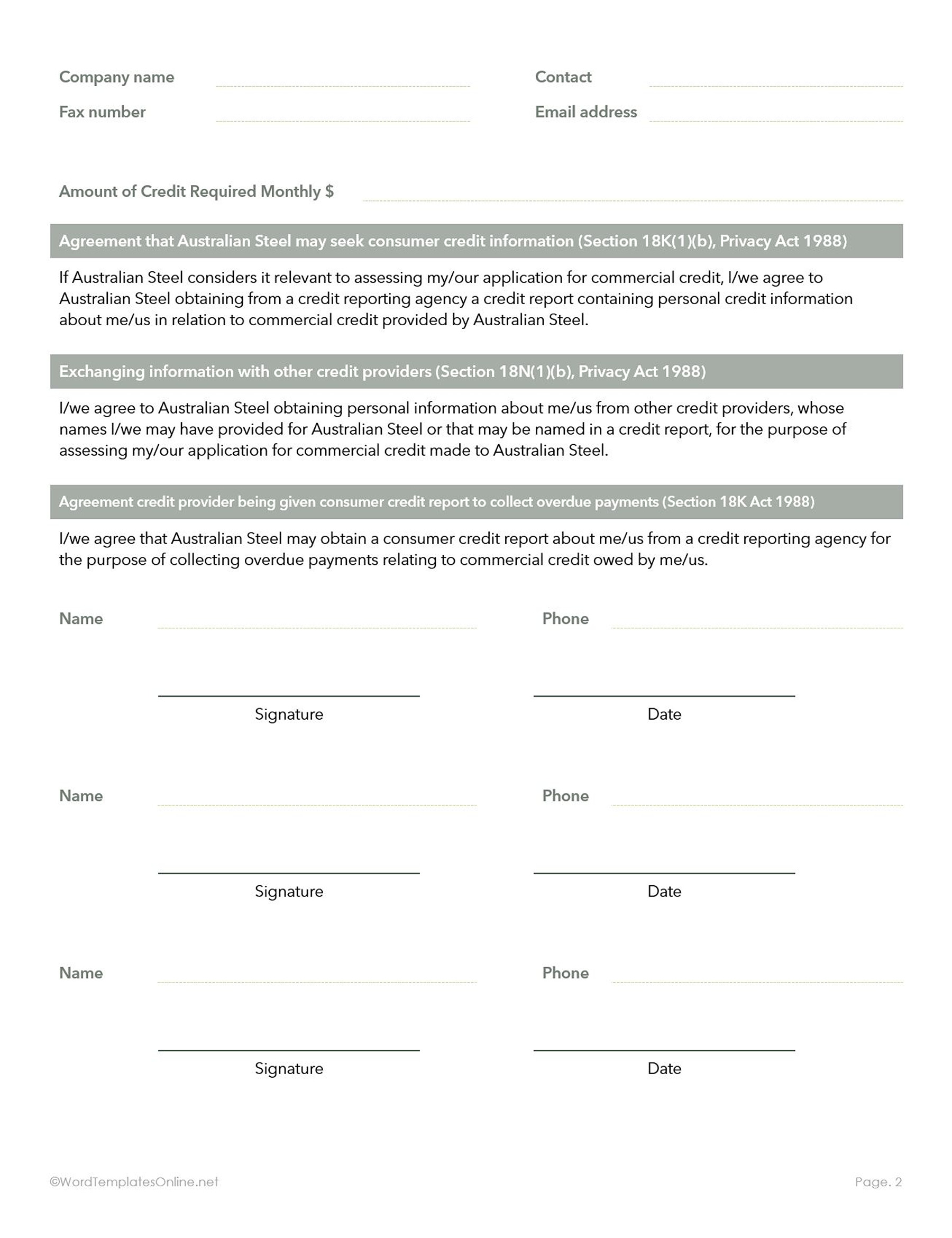
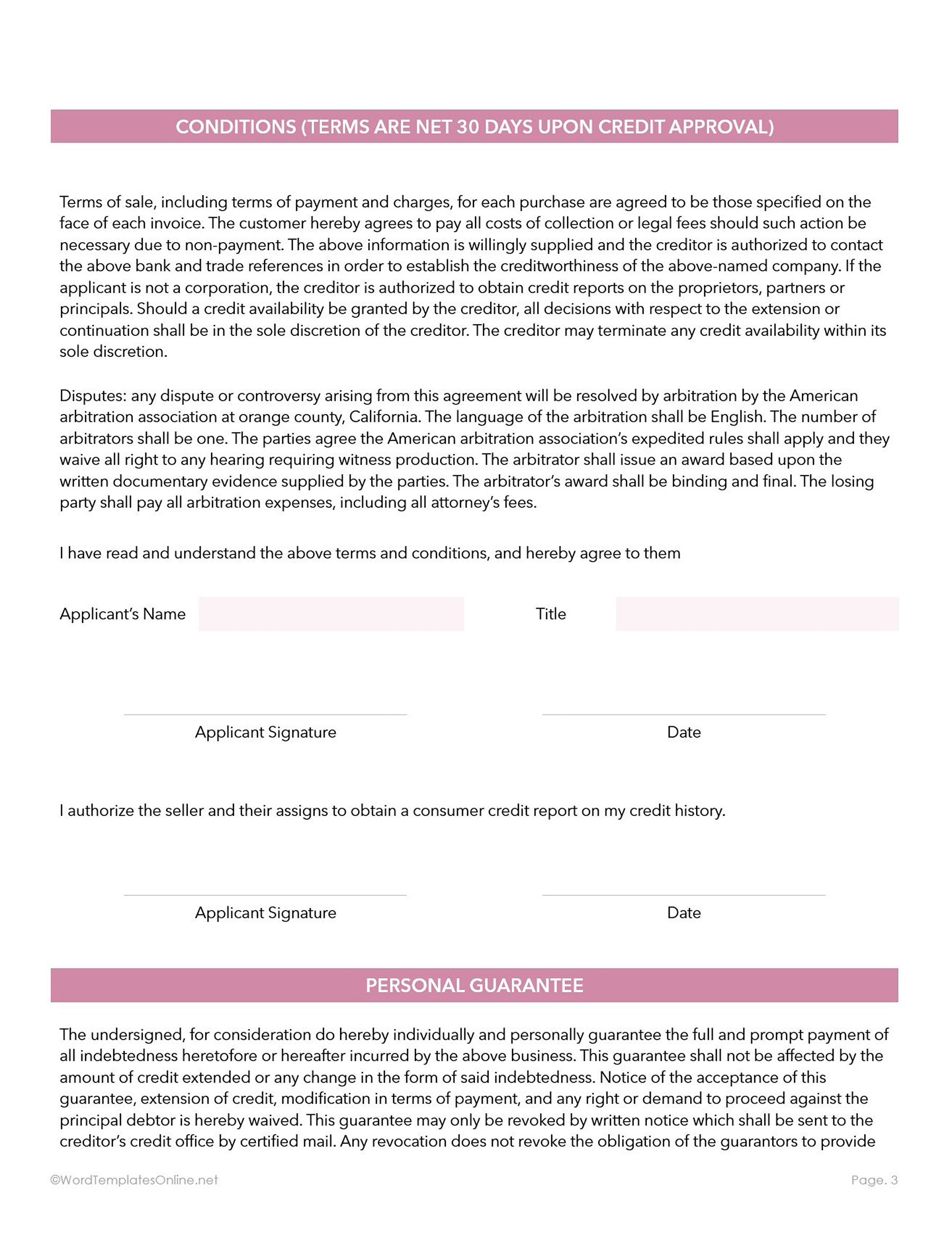
Terms and conditions acceptance
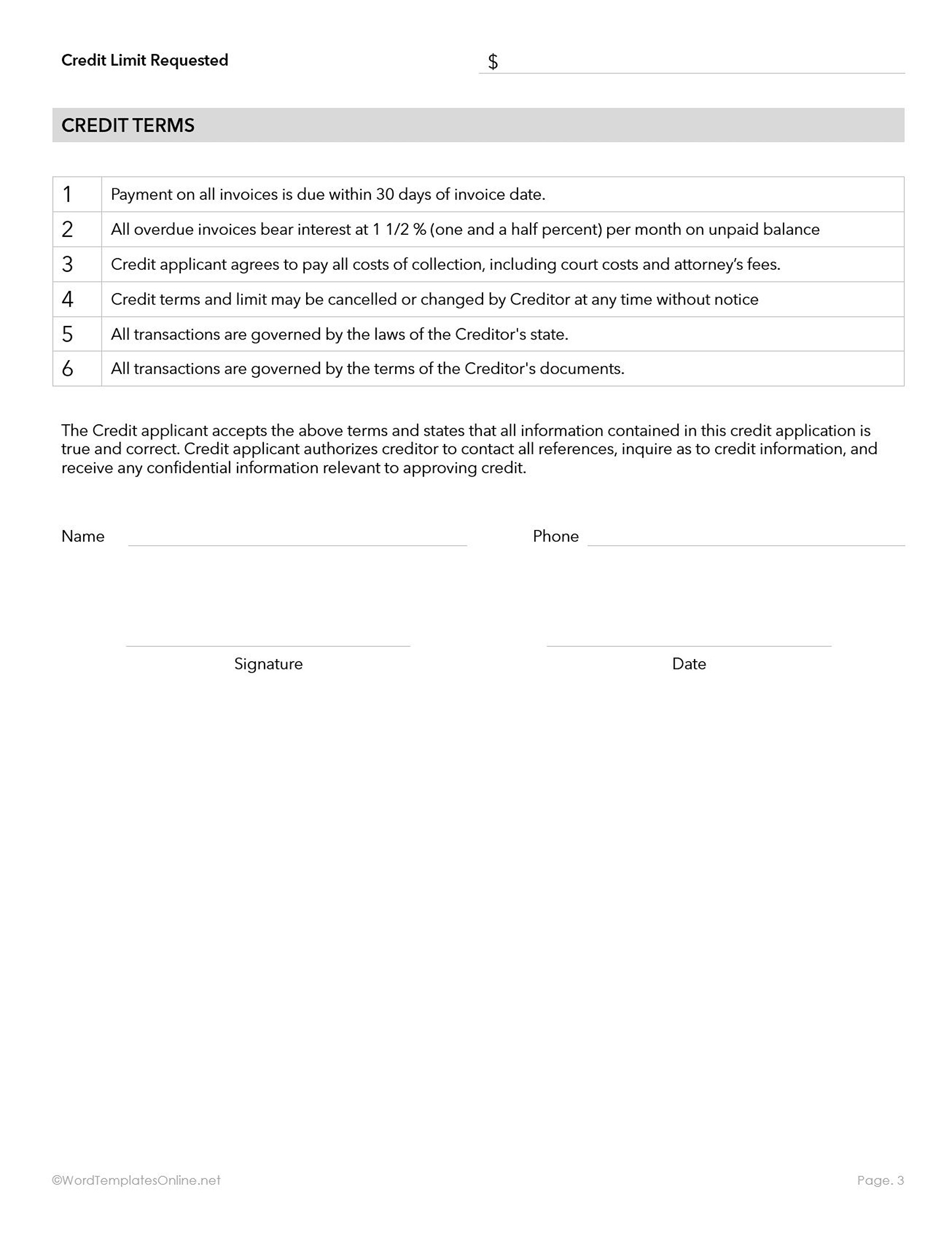
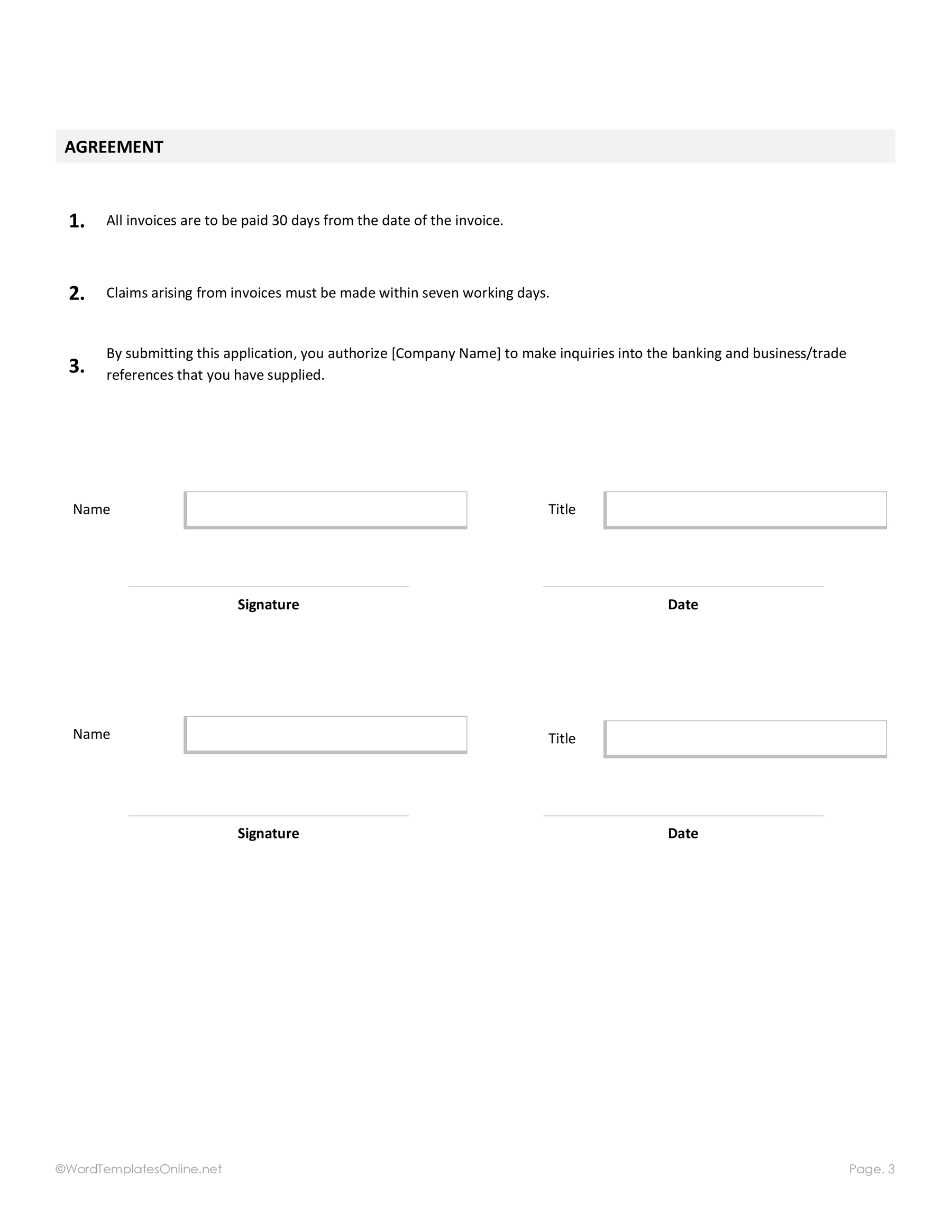
This section outlines the credit terms offered, such as interest rates, late payment penalties, payment due dates, return policies, credit limit, and conflict resolution. Applicants should go through and agree to the terms stipulated to prevent misunderstandings.
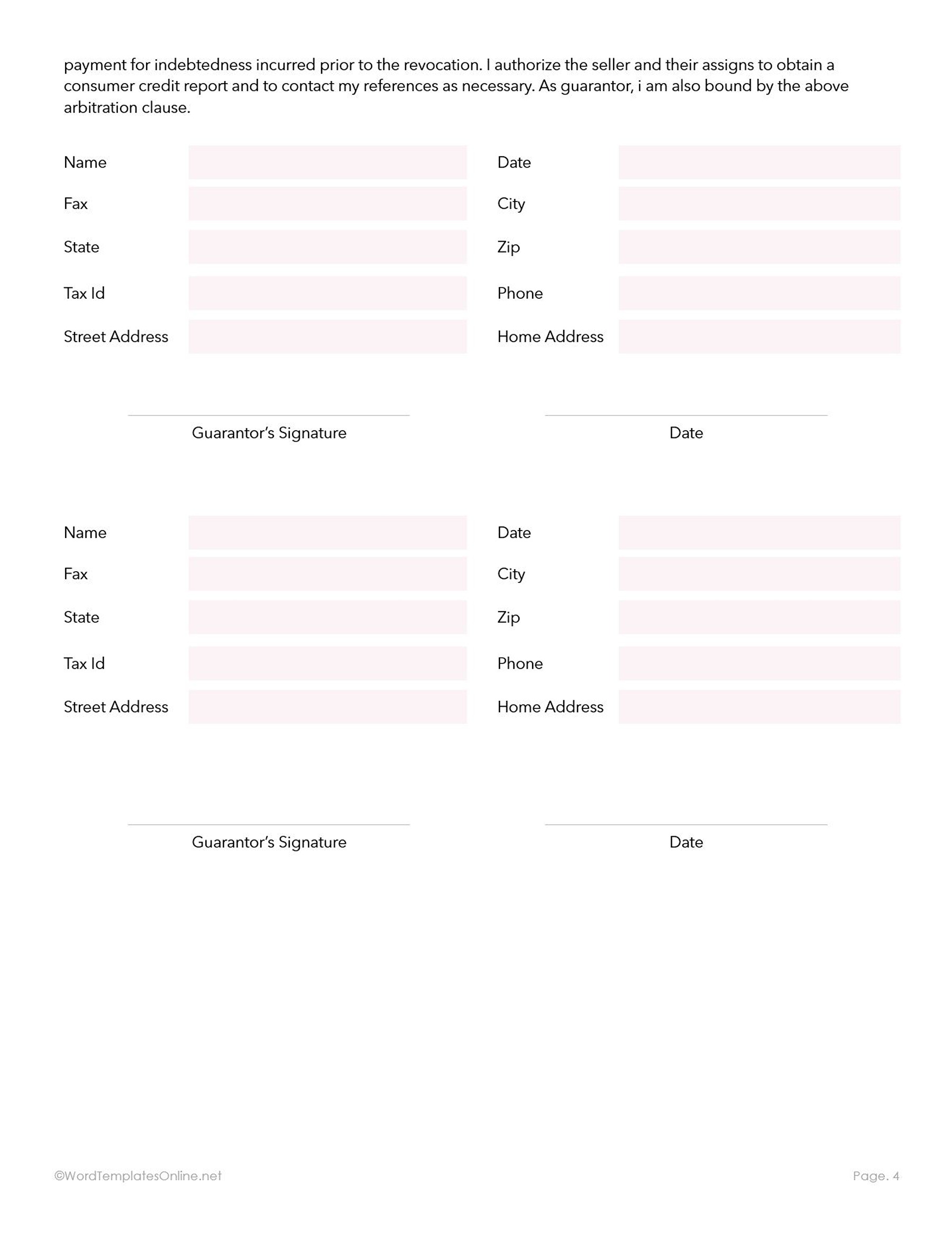
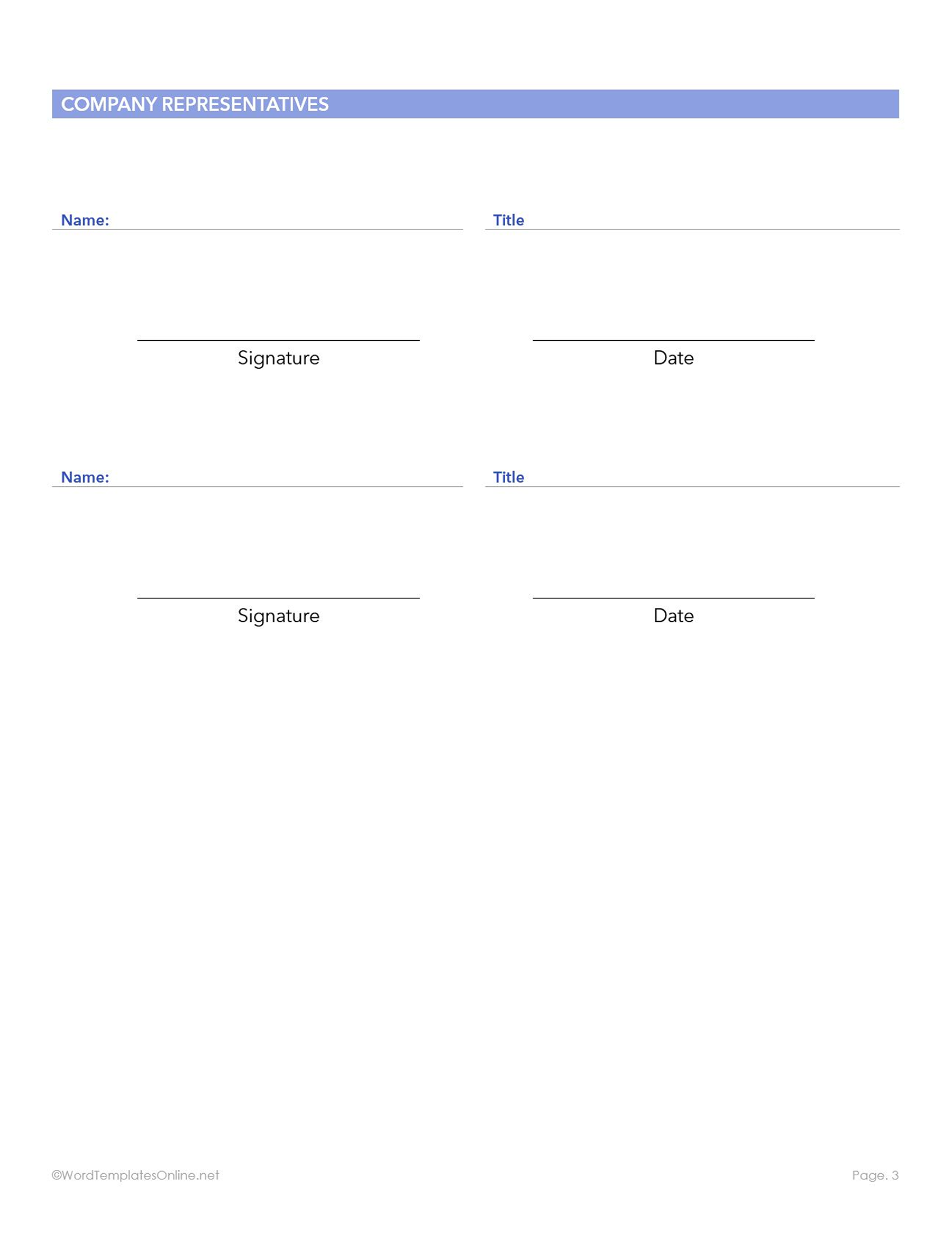
Authorization and signature fields
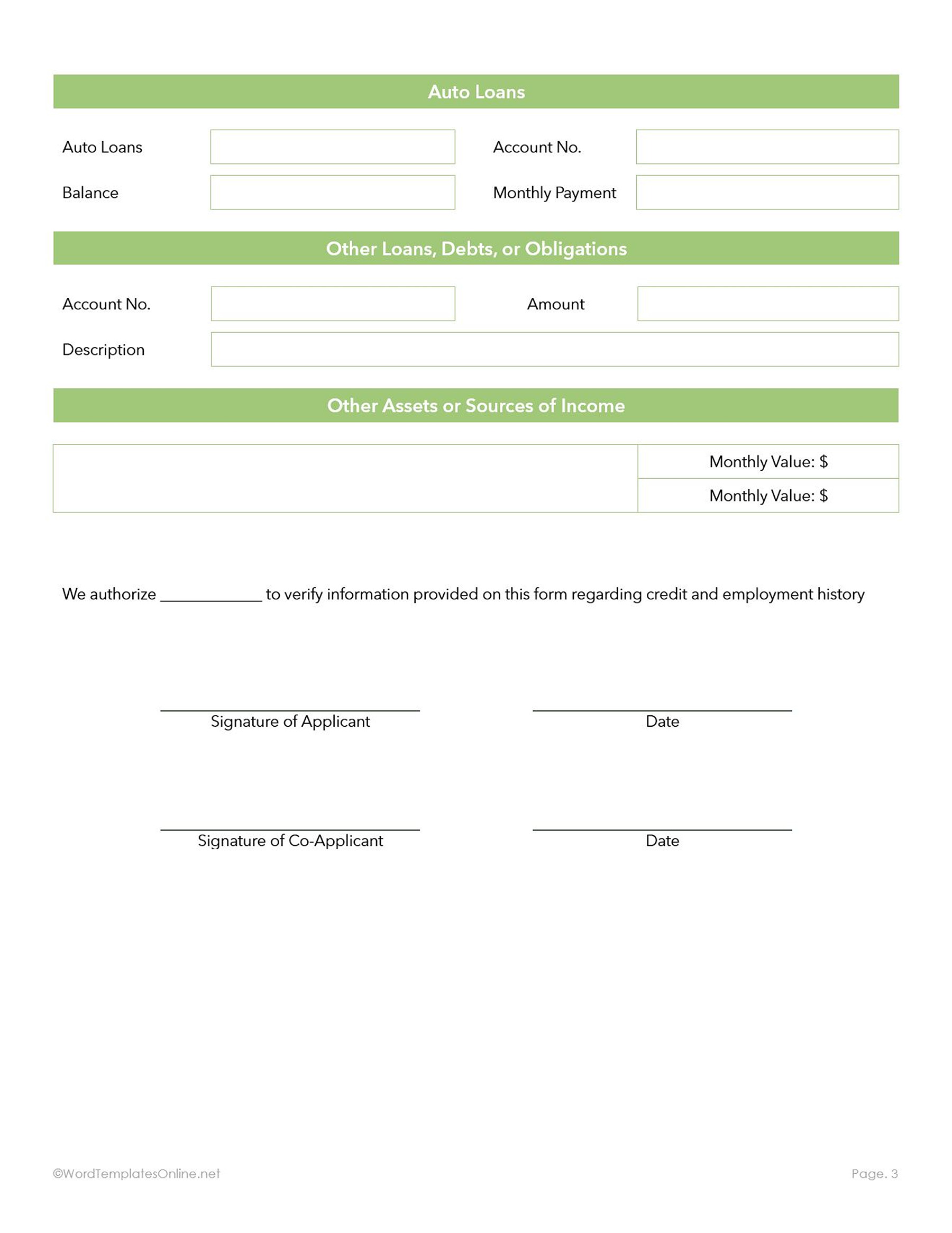
This is the last section. The applicant confirms that the information provided is accurate and agrees to the terms given for legal purposes. It also confirms that the creditor is authorized to conduct credit checks. It includes the following information:
- Permission to contact listed references
- Name, signature, and date
- Title (for business applicants)
- Agreement to stick to the given terms
How to Use These Templates Effectively
Customize the template to fit your business policies
Customize the template to align with your specific credit terms and policies. Some customization tips include:
- Putting your business name, logo, and contact information.
- Including industry-specific requirements such as tax details.
- Setting preferred credit terms.
- Clarifying dispute procedures, credit limits, and late payment policies.
Verifying references before approving credit
Follow up with the listed financial institutions and trade references, such as suppliers and creditors, to see the applicants’ credit history and payment behavior. You can ask targeted questions, for example: “Has the applicant ever made late payments?”
Store completed forms separately as part of credit records
When a credit is granted or denied, the form should be stored digitally in a secure database or physically in a locked drawer for easier payment history tracking and auditing.
Benefits of Using a Ready-Made Template
Saves time
Pre-designed templates save users’ time by eliminating the need to write from scratch. This means that you can focus on filling the form rather than worrying about structure.
Ensures compliance with essential credit data requirements
Templates are well structured to make sure that all components of a credit application form are covered to reduce the risk of missing important details that could affect decision-making on whether to grant or deny credit.
Adds professionalism to credit management processes
A well-structured template shows attention to detail and reflects a business’s credibility. It also sets the foundation for a financial relationship, builds trust, and supports consistent steps for managing credit accounts.
FAQs on Credit Application Forms
Do I need a lawyer to draft it?
Not really. Most pre-designed templates have all the standard fields and legal terms needed for credit assessment. However, when dealing with large transactions that operate across state lines, having a lawyer review the form is recommended.
Can I use the same template for different clients?
Yes. Templates are designed to be used for multiple clients. Fill in each applicant’s details, but make sure that the terms and conditions are tailored to align with current credit policies before sharing.
How often should I update my credit application form?
At least once a year, whenever your credit policy, business structure, or legal requirements change. Regular updates are important for compliance purposes.
Conclusion
A thoroughly prepared credit application form is an important tool to protect your business against financial risk brought about by non-payments from customers. The form will enable you to assess customer credibility, enforce credit terms, and keep accurate records for tracking and auditing, which makes the approval process easy. Protect your business finances by downloading and using these free editable templates today.
About This Article