
Habits don’t build overnight!
If you think changing a habit is as simple as saying “I’ve told you a hundred times!”, well, we both know it’s rarely that simple.
From getting kids to actually brush their teeth with a fight, helping students lock in during class, or nudging teens toward taking a bit more responsibility, nagging can get old, really fast. It’s draining for you and frustrating for them. Sometimes, the missing piece isn’t the reminder; it’s giving people a direct way to see their own progress.
That’s why we suggested that people use a behavior chart template. They are basically what keep everything simple, visual, and easy to follow, rather than doing a strict check on goals, routines, and expectations. Moreover, it works on the reward system, which means it doesn’t let you focus on mistakes, as it works on highlighting progress, celebrating small wins, and making positive habits feel more achievable
Cherry on top? You can use them easily for every situation. But the real question is what really comes in these templates? Do we need to build them? Are there different kinds of behavioral chart templates? This article will cover everything you need to know. So, just stick with us to the end.
Behavior Chart Templates: Why They Are More Than Just a Chart
Honestly, templates literally make the game really easy. They come as an already built layout that has all the bells and whistles you need to stay on top of your goals. Sure, sketching out a chart from the start sounds easy enough, but the real headache is figuring out exactly what to track, how to lay it out, and how to actually keep it going without burning out.
A template literally makes your life easy by giving you a pre-built structure, so you jump right in and have clear expectations from day one. Plus, everyone, from students to caregivers and teachers, can use them to build habits that don’t break easily and also give them a clear picture of what’s expected.
Getting a Look at the Building Blocks of a Behavior Chart
Almost every template consists of a few core elements that literally make tracking behavior easy and organized. Here are the must-haves (technically) of a template:
1. Name and participant information
If you talk about a daily chart or a home chart, you can usually find this section. But when you’re dealing with students and kids in the classroom, this part is a must-have. It usually defines which chart belongs to which student. Here, you just need to add some basic information, like the student’s name or class (if needed).
2. Goals and behaviors to focus on
This is where things get real. The part makes the expectations listed clearly on the board. For instance, whether it’s competing with household chores, following classroom rules, or going to work, this section lets everyone know exactly what behavior they are working on.
3. Daily or weekly progress tracker
A behavioral chart template is incomplete without a progress tracker. It might be a grid or table where you record the checkmarks, points, or rating for the day or the week. The visual records make it super easy to see progress and spot areas where you need quick attention.
4. Rewards and motivation section (optional)
Many behavior charts have a space for rewards or incentives. This doesn’t mean to have high prices; sometimes, a little screen time, a cheat day, or simple recognition is enough to reinforce behaviors.
Which Behavior Chart Template Fits Your Situation
If you think one template is enough for all kinds of situations, it’s really not. That’s why we have designed different formats that work best in specific situations. Let’s explore:
If you need to track progress one day at a time:
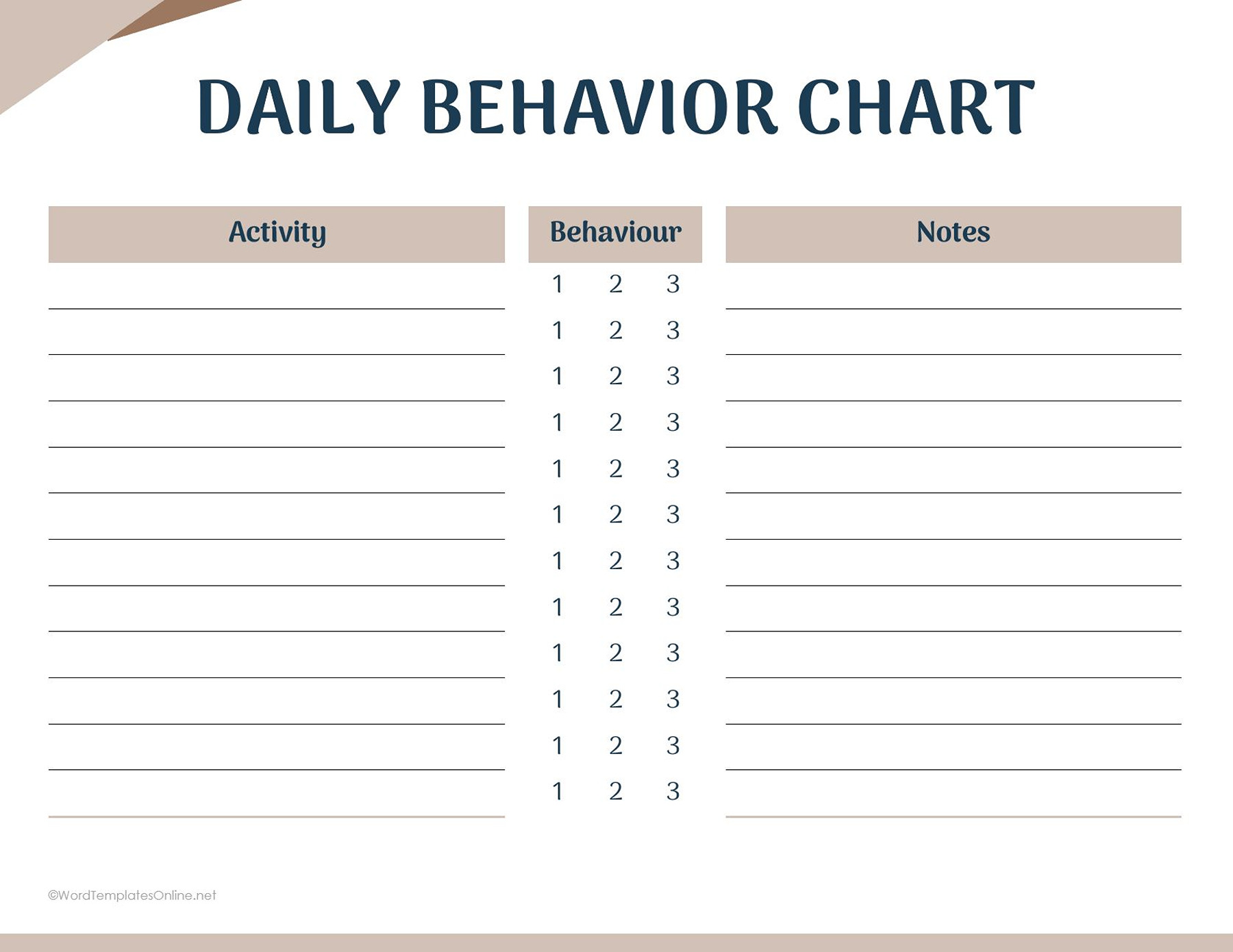
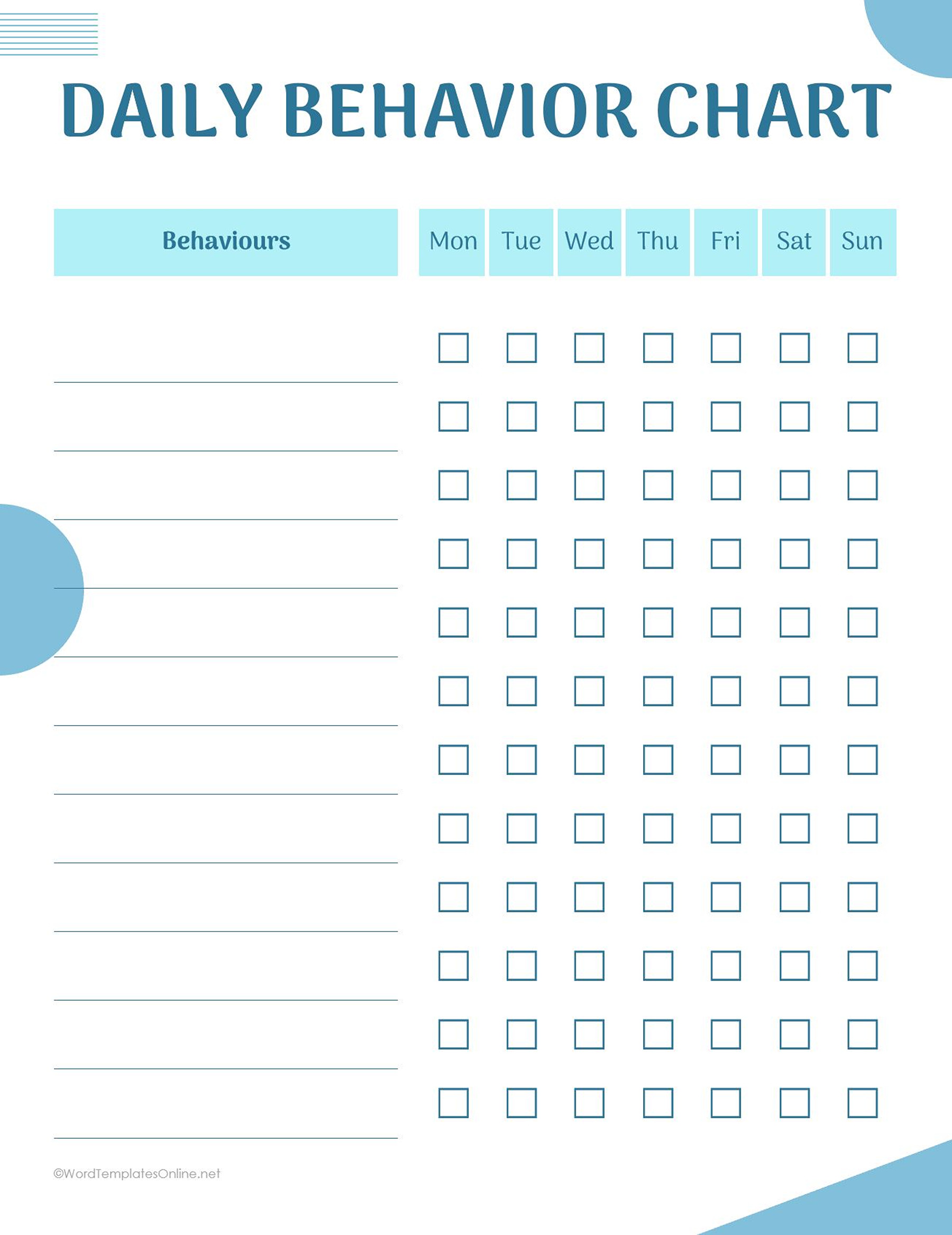
Sometimes, quick feedback helps a lot, and for this scenario, you need a daily behavior chart. Well, these come in a simple layout that lets you track actions and habits throughout the day, making it really easy for you to identify success, address challenges, and keep goals fresh in your mind.
Daily Behavior Chart Template 01
Daily Behavior Chart Template 02
If you want to see the bigger picture:
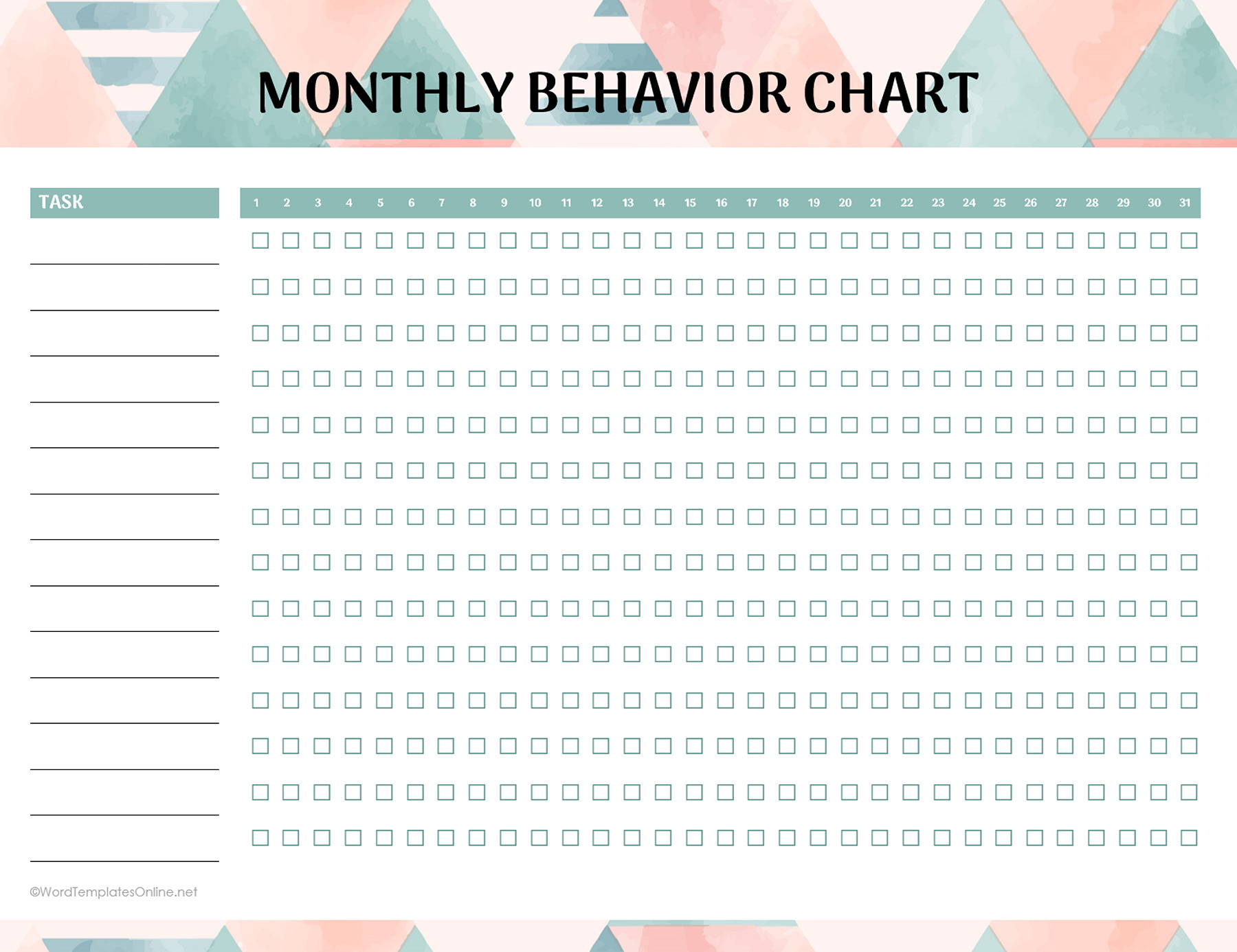
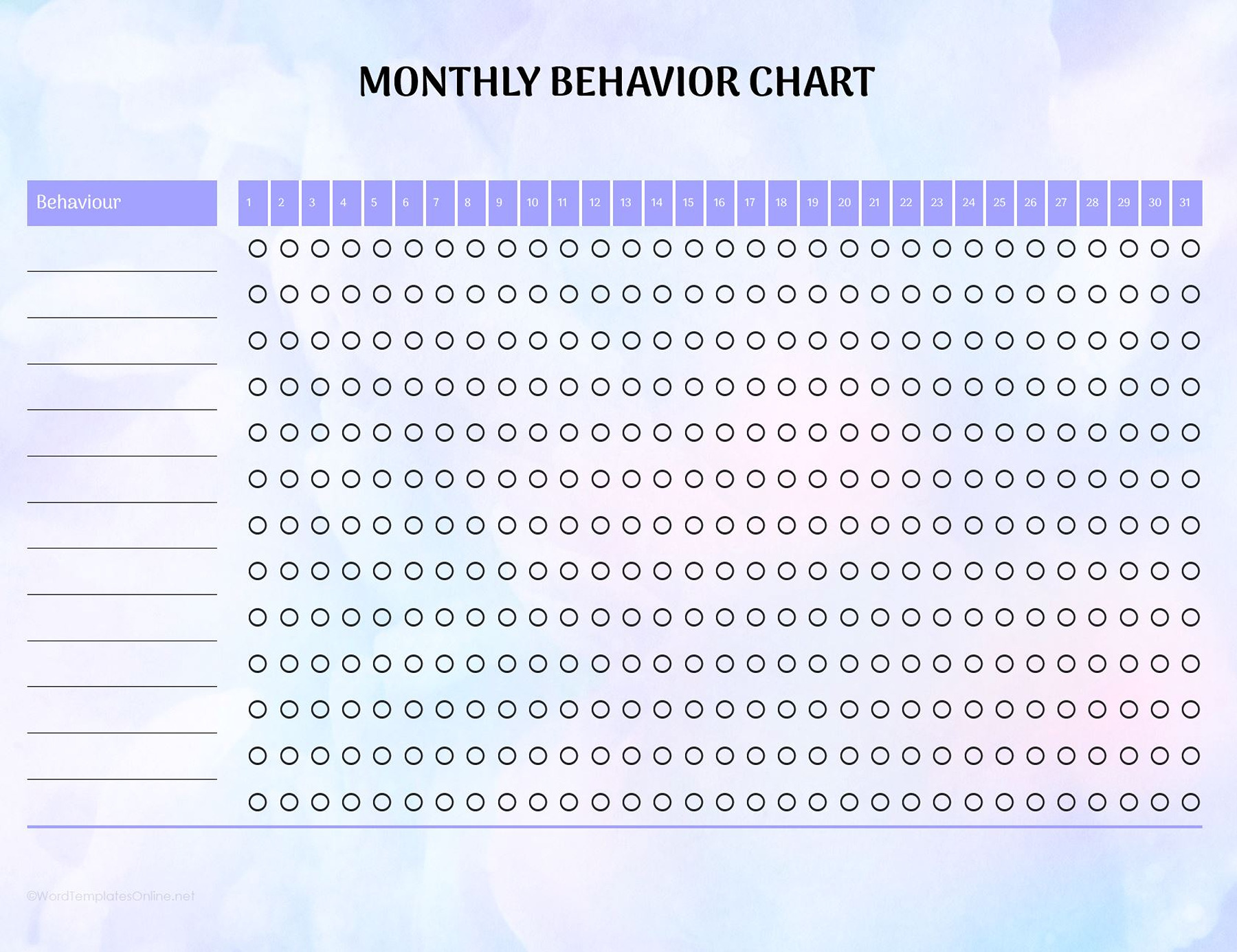
People who want to see long-term progress, instead of relying on individual days, these monthly charts are the best thing. They are great for identifying patterns, checking how consistent someone is, and seeing how small improvements can lead to big outcomes. This type is especially useful when you’re working towards long-term goals.
Monthly Behavior Chart Template 01
Monthly Behavior Chart Template 02
If you’re tired of repeating the same reminders at home:
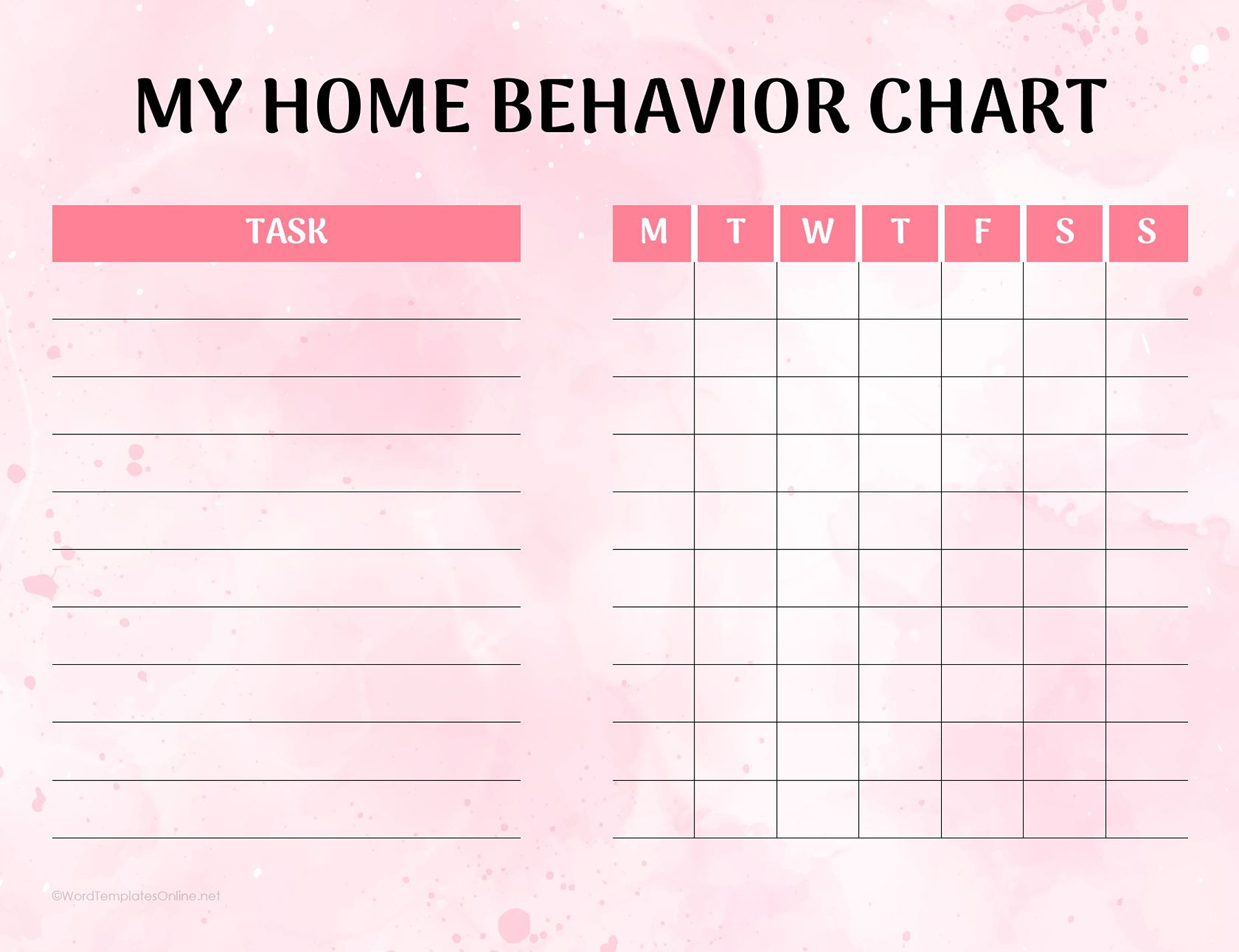
Calling out everyone after every 5 minutes to do chores, or homework, and remembering family responsibilities can be very intimidating. That’s why home behavior charts are used in the first place. They create structure without turning every task into a daily negotiation. Moreover, they offer a transparent reminder of expectations and motivate accountability in a positive way.
Home Behavior Chart Template 01
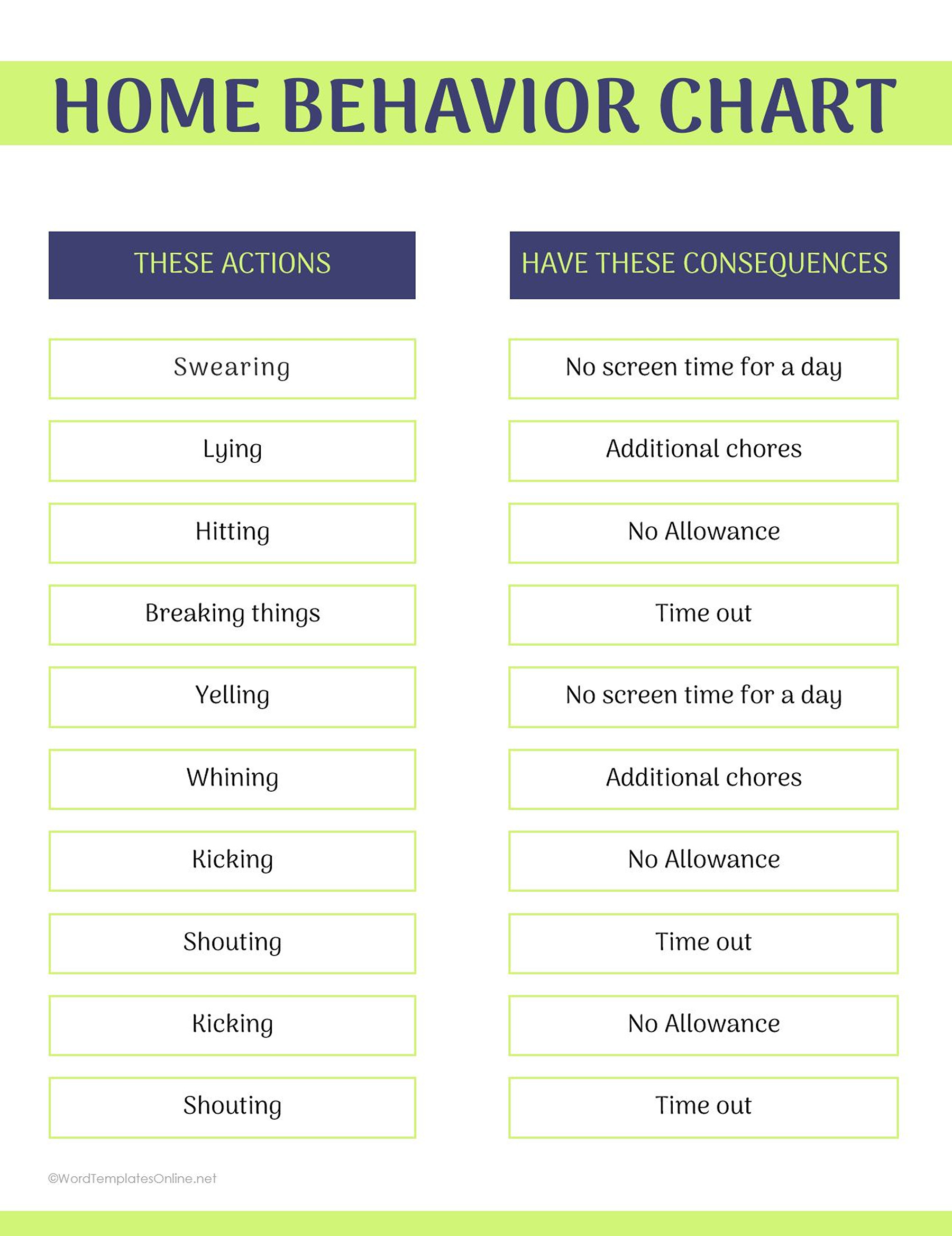
Home Behavior Chart Template 02
If you’re managing a busy classroom:
Teachers have a lot of things on their plates already, and in between all of this, it’s difficult to reinforce child behavior. That’s why the behavior chart of classroom templates comes to the rescue. The best part is scoring, which makes student practice positive behavior to come at the top at the end of the week.
Behavior Chart For Classroom Template 01
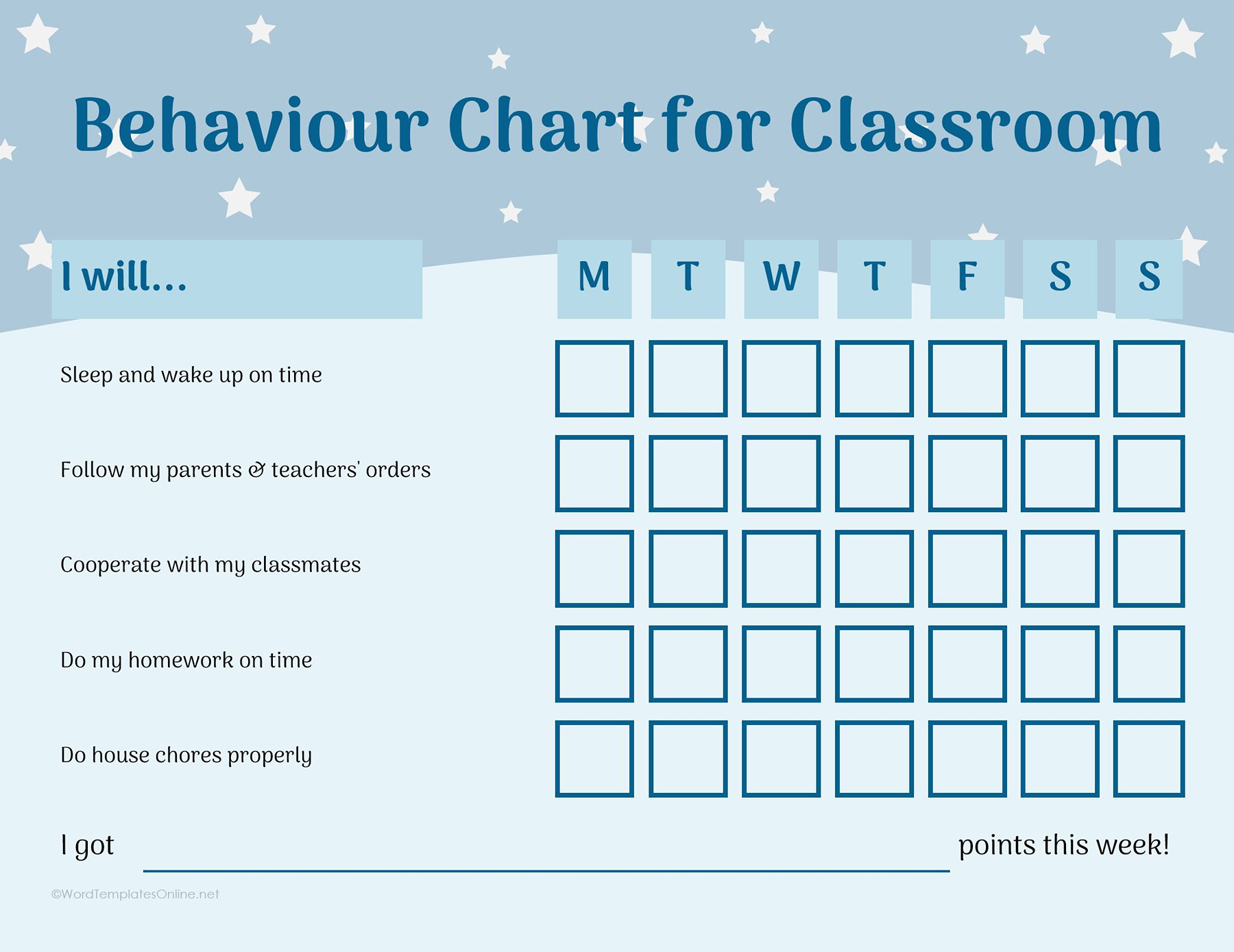
Behavior Chart For Classroom Template 02
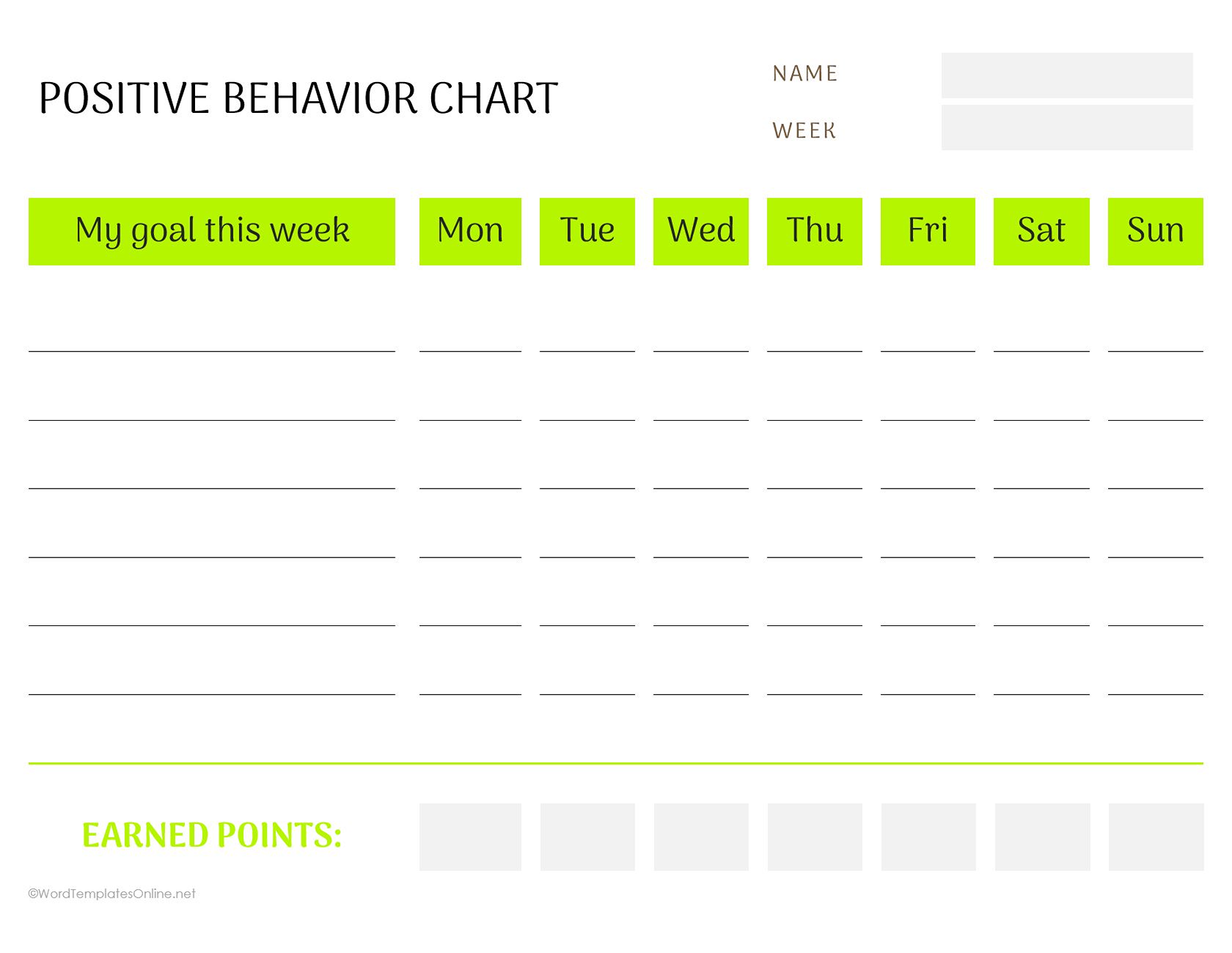
If you want to focus more on success than mistakes:
Positive reinforcement is where it’s at! The template is built on the idea of cheering for good stuff, focusing on what is absolutely crushing rather than dwelling on mistakes. By mentioning all the things and hard work behind it, this layout gives everyone the confidence to boost, which is a perfect way to keep those positive vibes and great habits going strong.
Positive Behavior Chart Template
If you’re working with preschoolers:
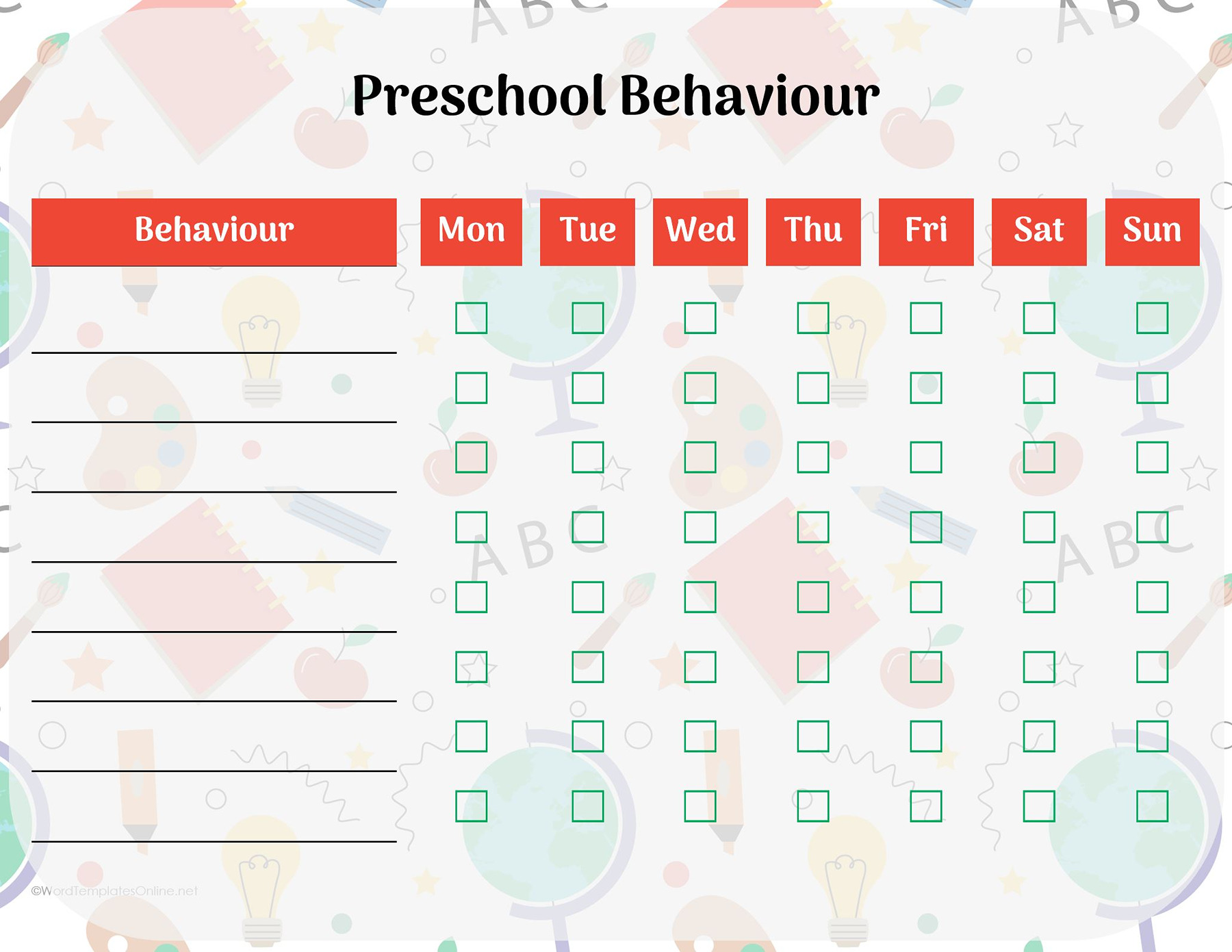
Well, working with preschool kids is one of the most difficult things, yet this is one of the ages
that often learn best through visual and simple routines. By giving them rewards and their choice of benefits, you can help little ones develop important habits, follow routines, and learn social skills. This template helps you do so with its easy-to-understand layout, symbols, and stickers.
Preschool Behavior Chart Template
If you’re helping children build good habits:
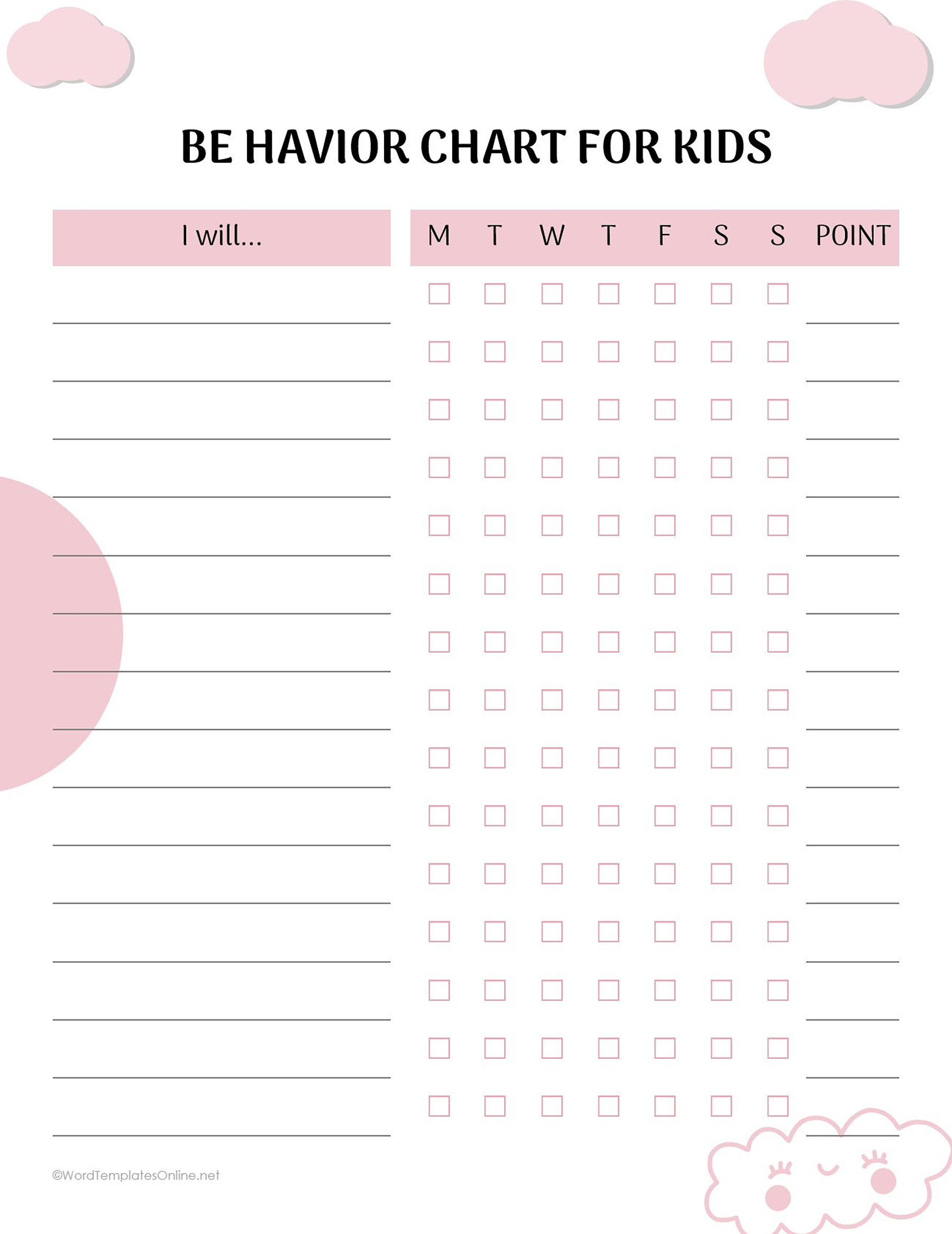
Then, you must go for behavior chart templates for children that are particularly designed for this scenario. These templates nail that sweet spot between staying organized and being super encouraging. They’re perfect for helping kids get a handle on their responsibilities and routines in the most positive way possible.
Behavior Chart For Kids Template 01
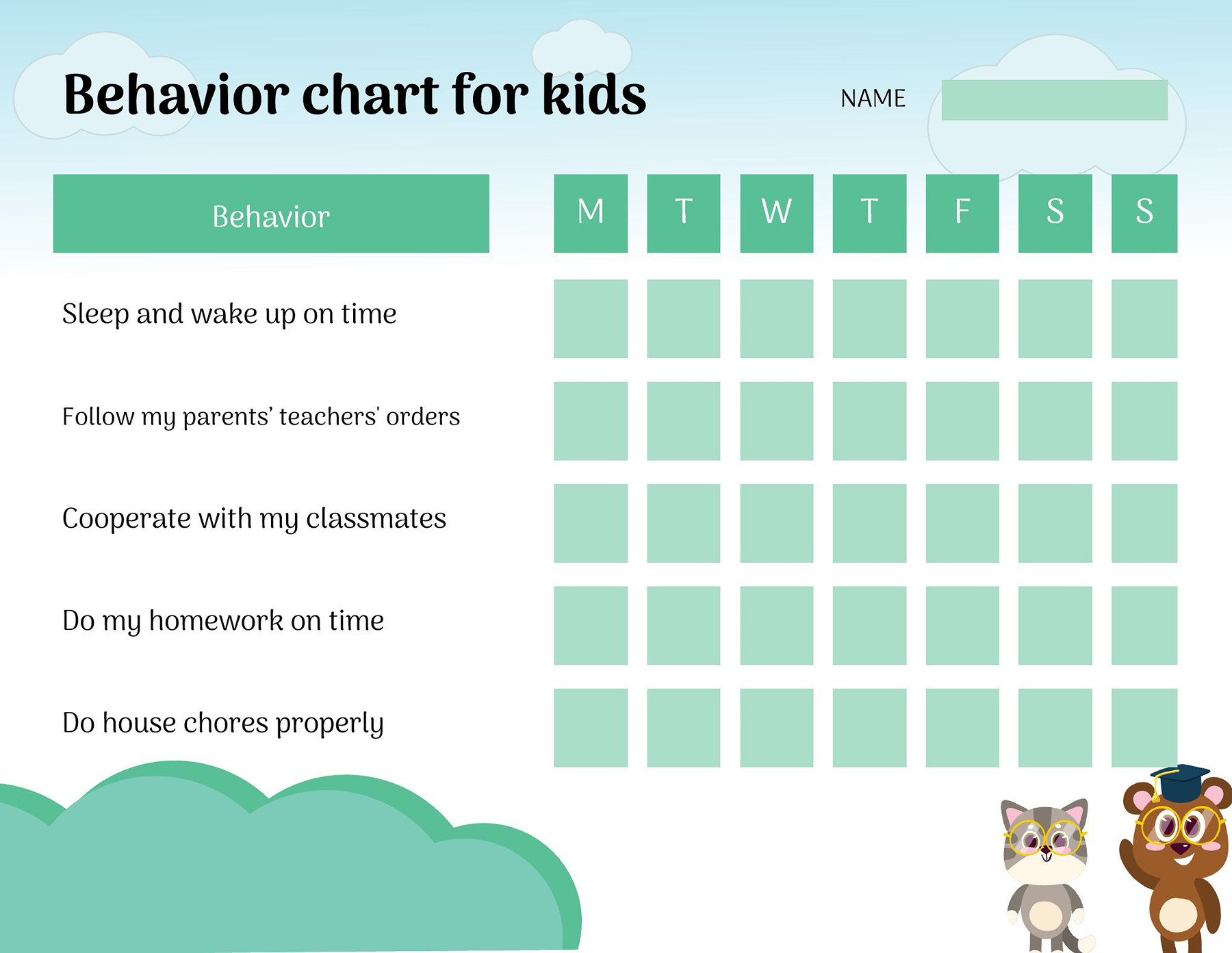
Behavior Chart For Kids Template 02
If you’re encouraging more independence:
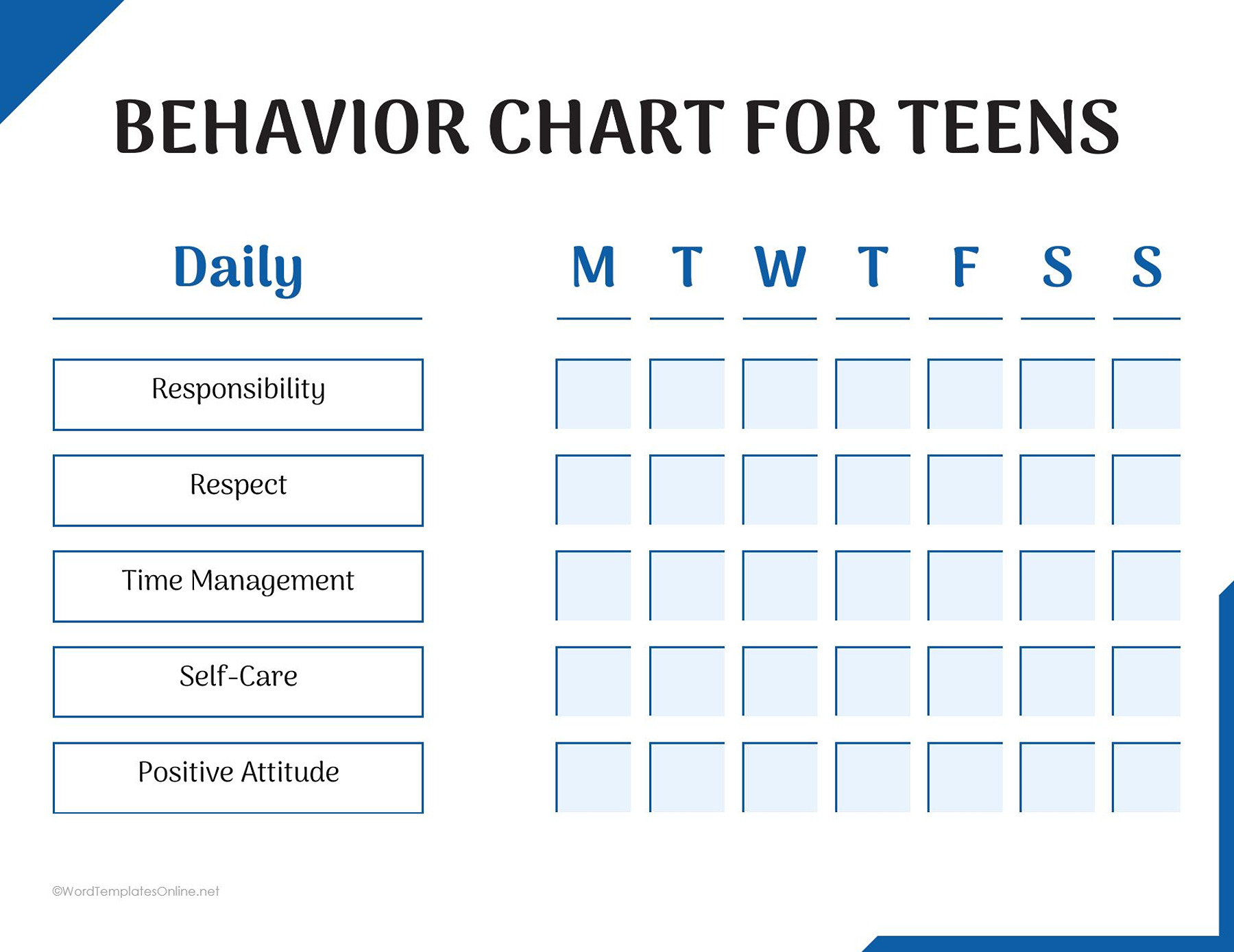
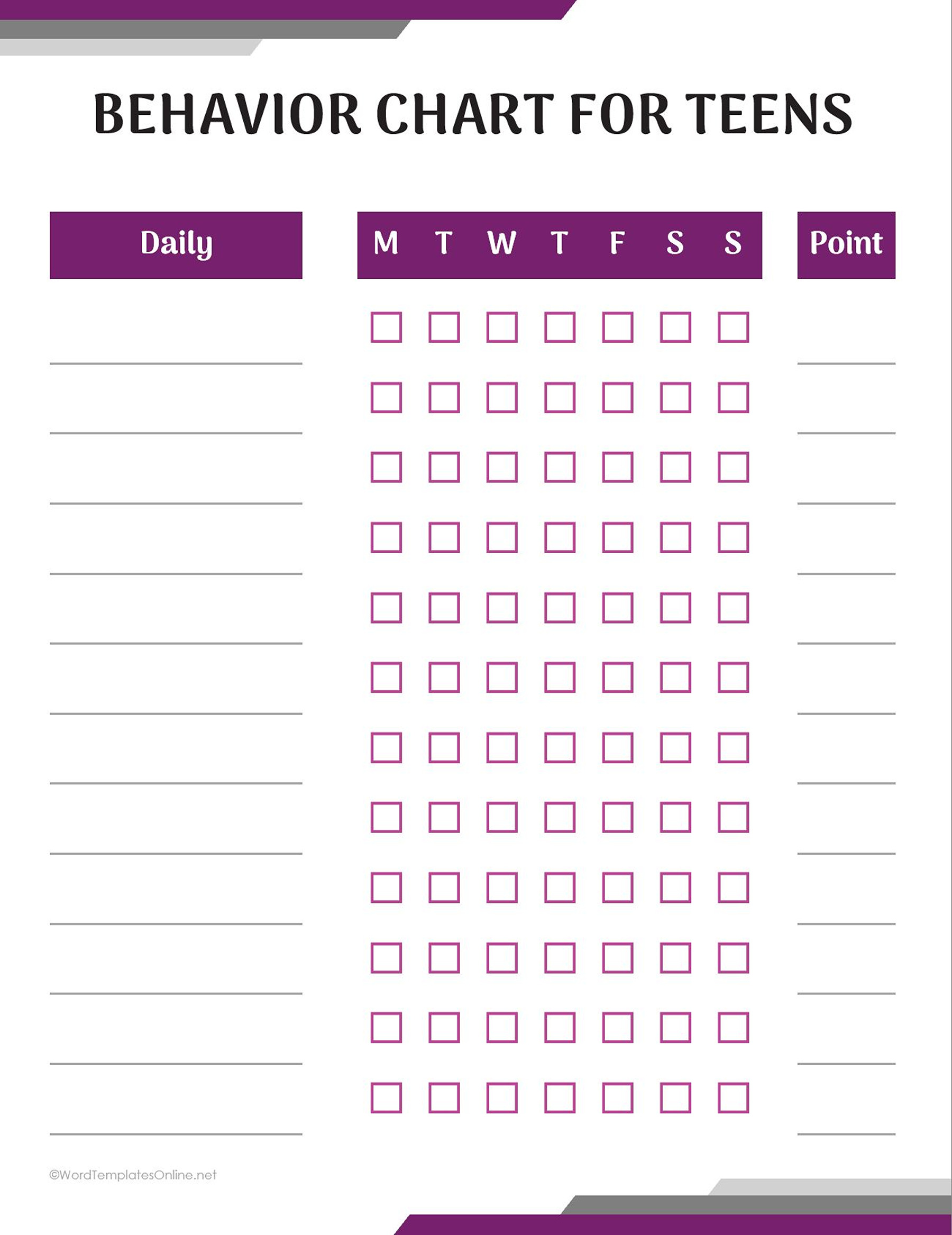
When it comes to teens, it’s not about stickers anymore, but something a bit more grown-up. These charts focus way less on “earning top scores” and way more on achieving personal goals and owning their own responsibilities. Overall, they are honestly a game-changer for keeping track of stuff like school deadlines, household chores, managing their own time, or other responsibilities that come with growing up.
Behavior Chart For Teens Template 01
Behavior Chart For Teens Template 02
Creating a Behavioral Chart That Actually Gets Used
Honestly speaking, the best charts are the ones that don’t end up gathering dust in a junk drawer. If you really want to stick with the chart, that’s how you can set it up so it actually works for everyone.
- Set Realistic Expectations From the Start: If you think you will achieve everything overnight, you’re wrong. Always take a small start by picking just two to four habits you really want to focus on. Perfection is good, but setting unrealistic expectations leads you nowhere.
- Explain the Purpose Clearly: If you just put the rules without explaining them, nobody is really going to follow them. Instead of just putting a “chore list”, frame it as a way to help everyone keep track of their habits.
- Check Progress, but Don’t Forget Token of Appreciation: Well, this is not about being a drill sergeant; it’s about cheering the wins. Even if you see little progress, make a big deal out of it. A sense of appreciation always goes a long way.
- Use Simple Tracking Methods: A system that’s actually fun to use and easily accessible goes a long way. You can use stickers, checkmarks, or even magnets on the fridge to make it easy to update. If it’s a hassle to track, it’ll be a hassle to keep up.
- Review results regularly: Take a few minutes once a week to look back at the chart together. Your aim is not only to focus on what’s missing; it’s also to talk about the cool stuff that they completed. Overall, it’s all about checking in, staying positive, and keeping the focus on how far they’ve come.
Wrapping Up
Behaviors don’t get shaped overnight; it takes time and, most importantly, a proper system to have a check on them. That’s why behavior chart templates come in to let you build habits through positive reinforcement. From evoking responsibilities in teens, forcing kids to learn social skills, or letting everyone remember what to do in a day, there are different templates to make everything work. JUST GRAB THE RIGHT ONE, and THAT’S IT.
About This Article