A policy and procedure template is a structured document used to write clear, consistent, and organized guidelines and policies that an organization will adhere to. It provides you with a standardized format for defining policies and the specific procedures/steps needed to follow them. This creates uniformity in processes which helps in maintaining regulatory compliance in an organization.
It also promotes team work and effective communication across departments. Using a template saves time, promotes consistency, and serves as a foundation for setting clear policies which bring about sustainability, especially when you are updating or managing multiple processes regularly.
Difference between Policies and Procedures
| Policies | Procedures |
|---|---|
| A set of rules or principles that are set by an organization to be followed by the internal individuals associated with an organization, for example, employees. | Step-by-step instructions on how to implement those policies or how they should be followed. |
Significance in terms of regulatory compliance and organizational structure
In terms of regulatory compliance, policies and procedures play an important role in ensuring that an organization complies with legal and industry regulations. They also ensure that there is compliance with the internal governance principles.
On the other hand, in terms of organizational structure, policies and procedures define roles and responsibilities of various staff which reduces confusion and also makes decision making easy.
The role of policies and procedures in ensuring consistency, compliance and efficiency
Consistency is brought about by standardized policies and procedures that are to be followed by individuals in an organization. This reduces the issue of varying business operations due to uniformity.
In the case of compliance, policies and procedures ensure that an organization follows industry-specific laws to avoid penalties, fines and legal disputes due to negligence.
Lastly, to ensure efficiency, clear procedures give guidelines on how operations are to be carried out. This brings about standardized processes which streamlines operations and reduces wastage bringing about operational efficiency.
Our Templates
Writing policies and procedures from scratch can be time consuming and require much effort. That is why we provide our readers with free, ready-to-use, and customizable policies and procedures templates that are easy to use. Templates ensure that you come up with policies and procedures that are effective, error free, and are compliant.
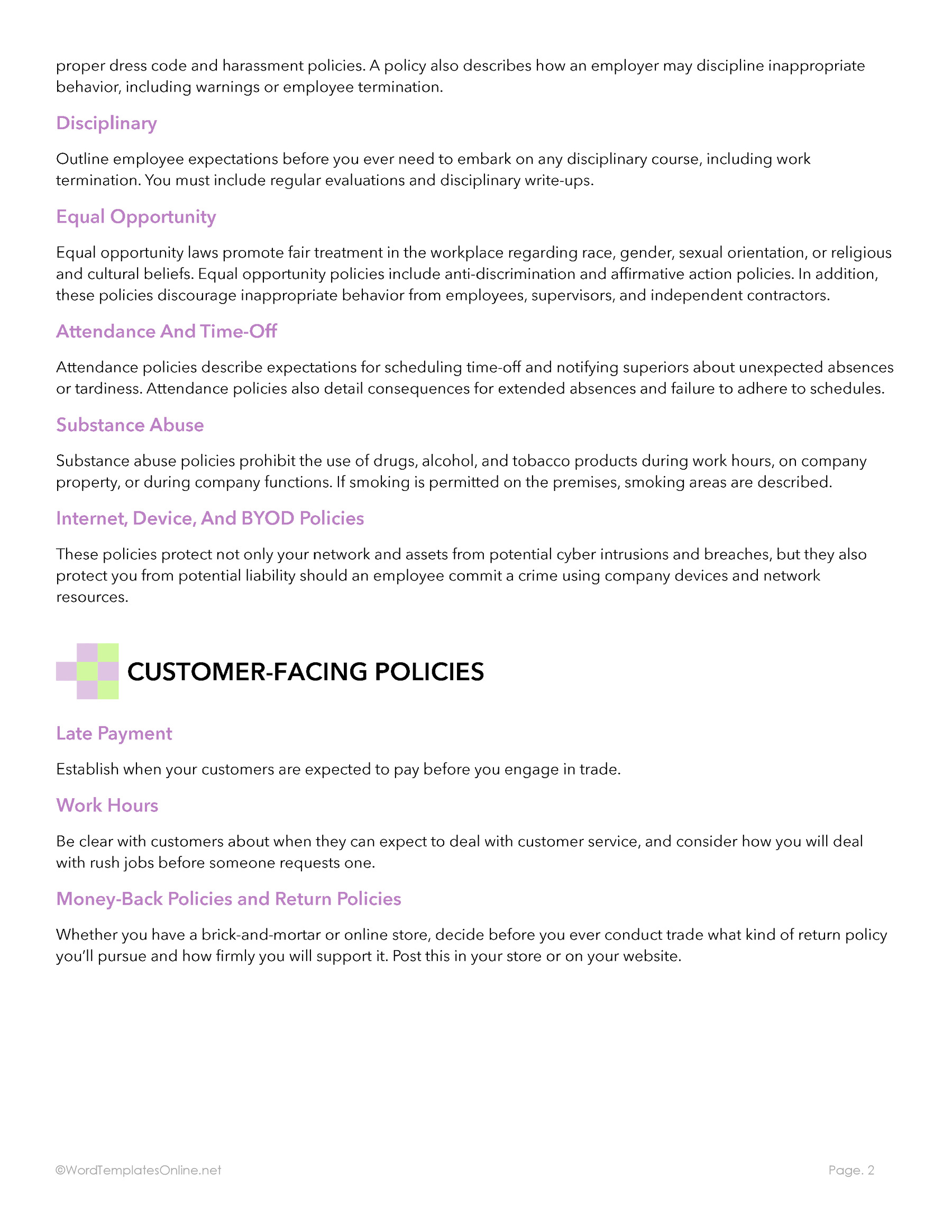
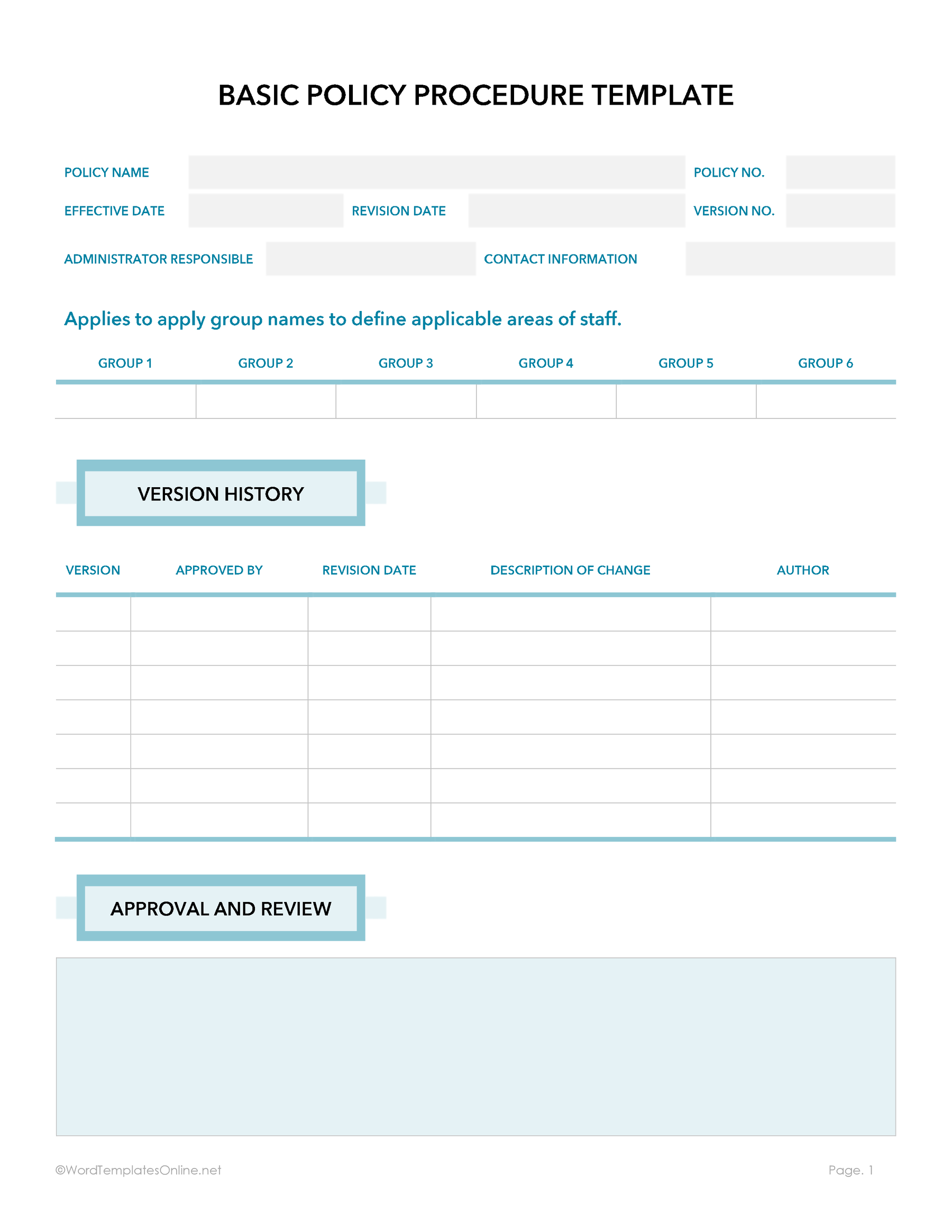
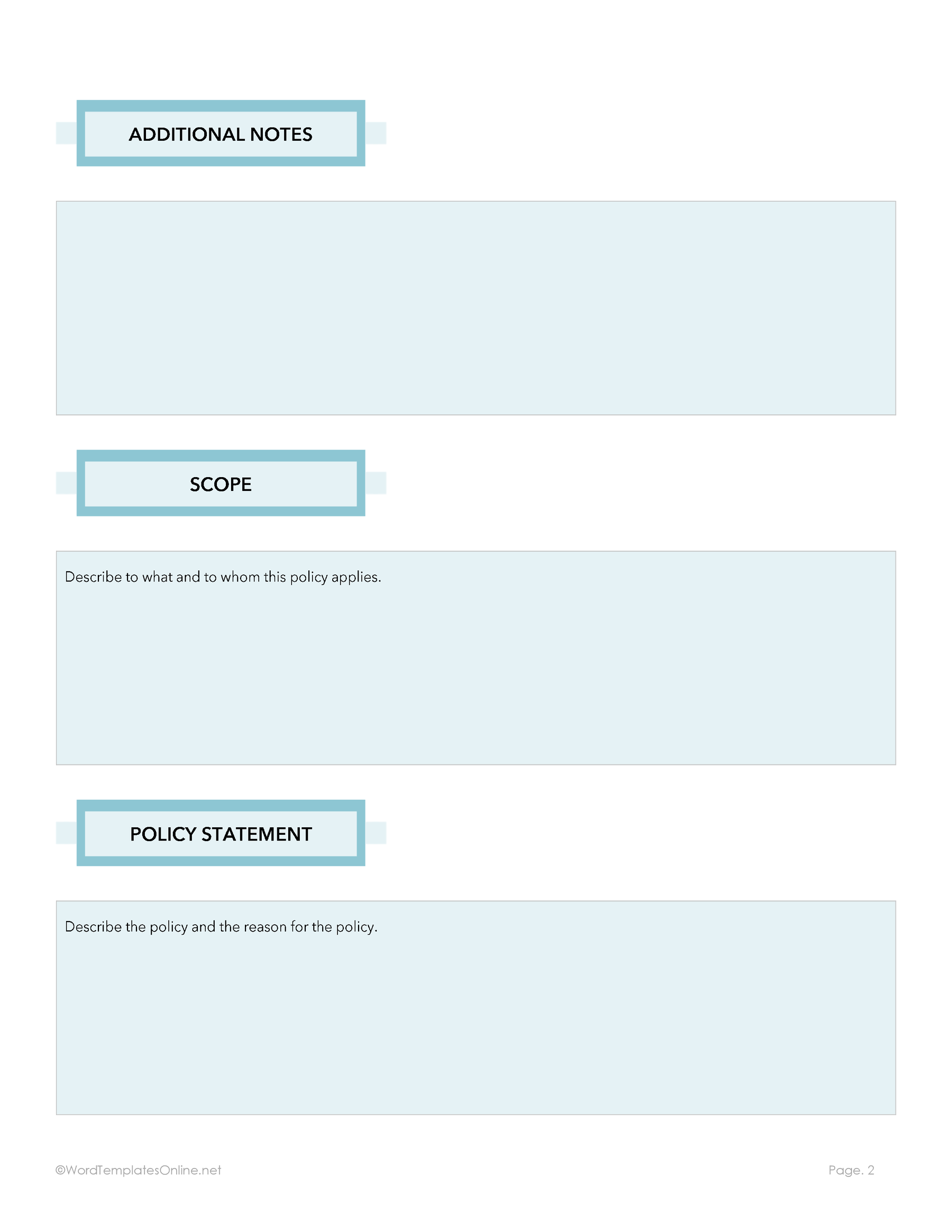
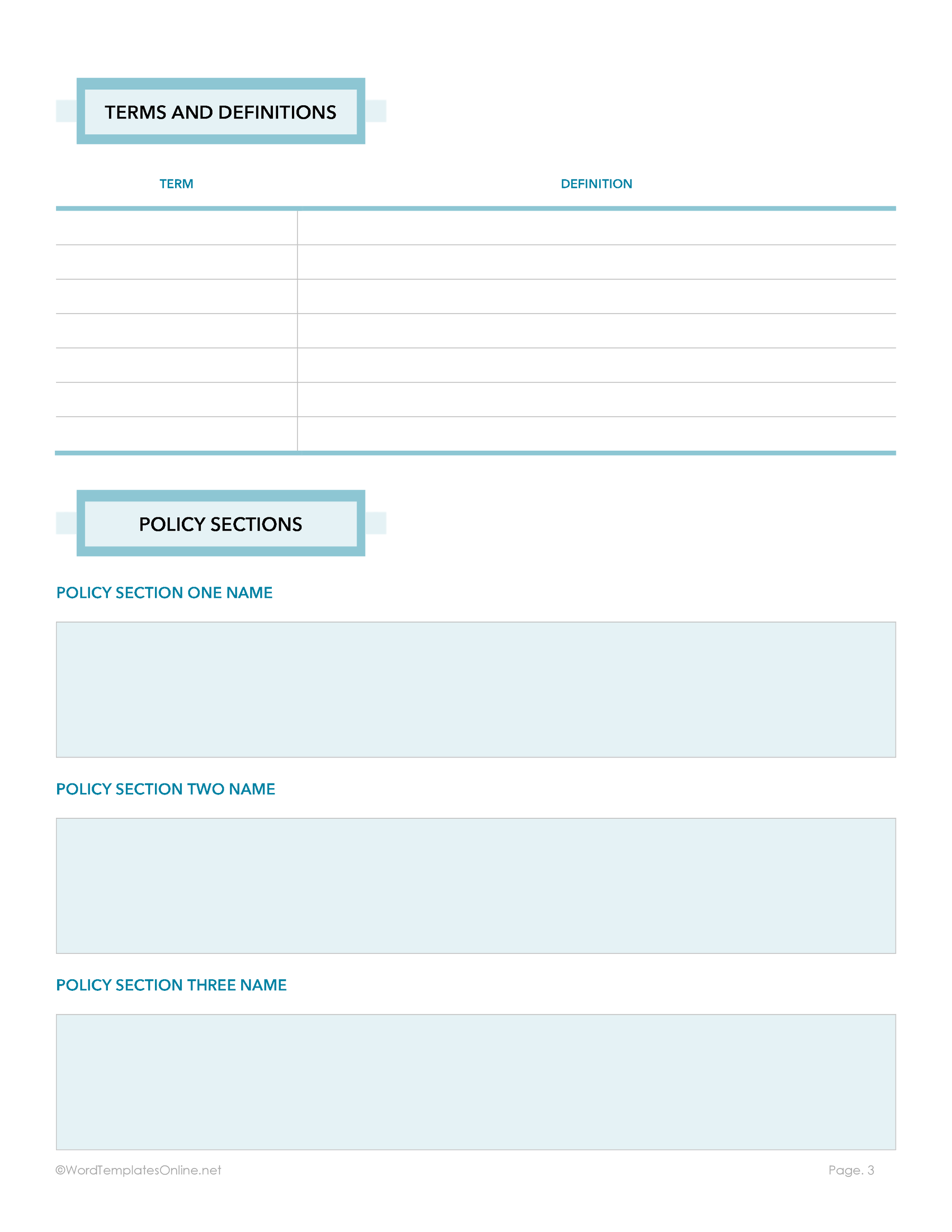
Basic policy and procedure templates
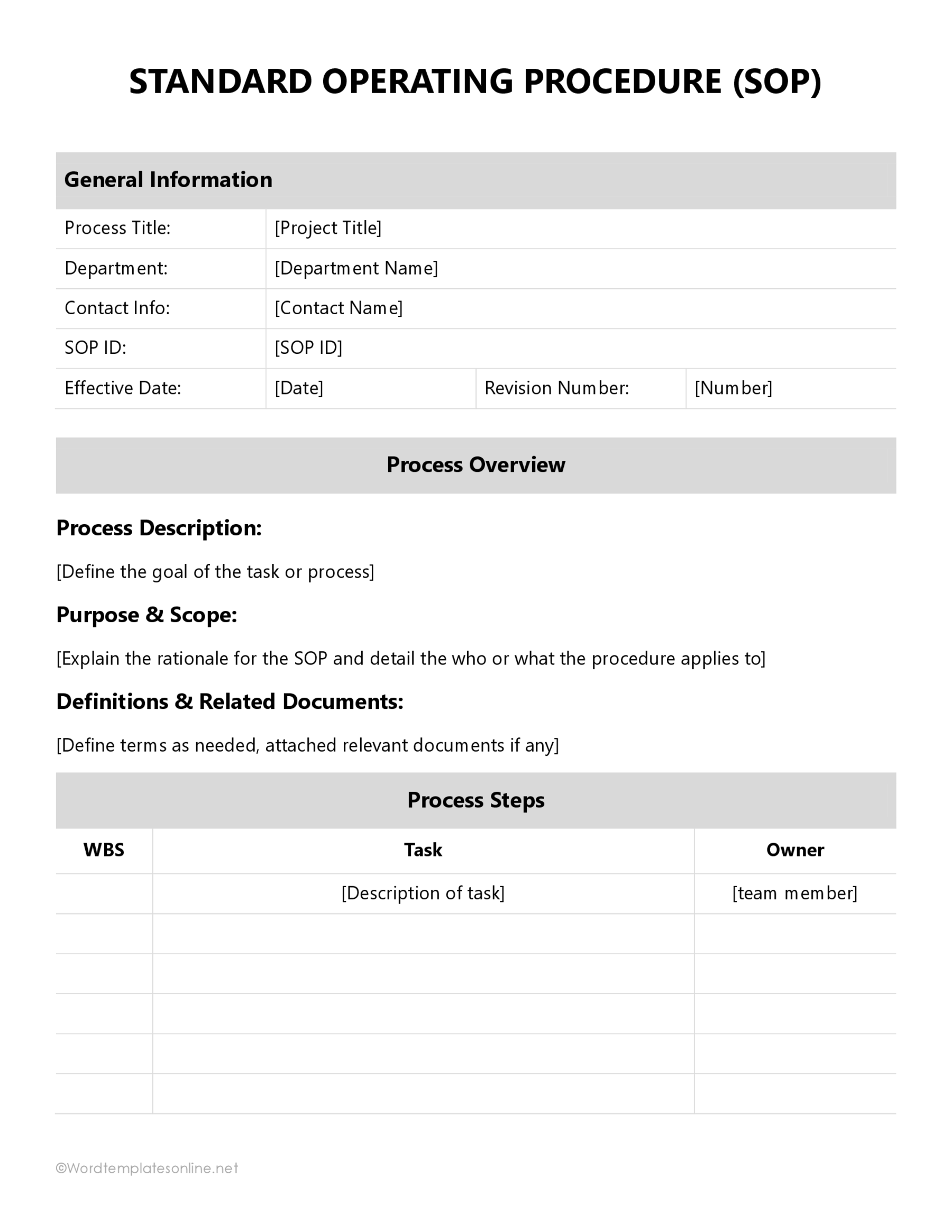
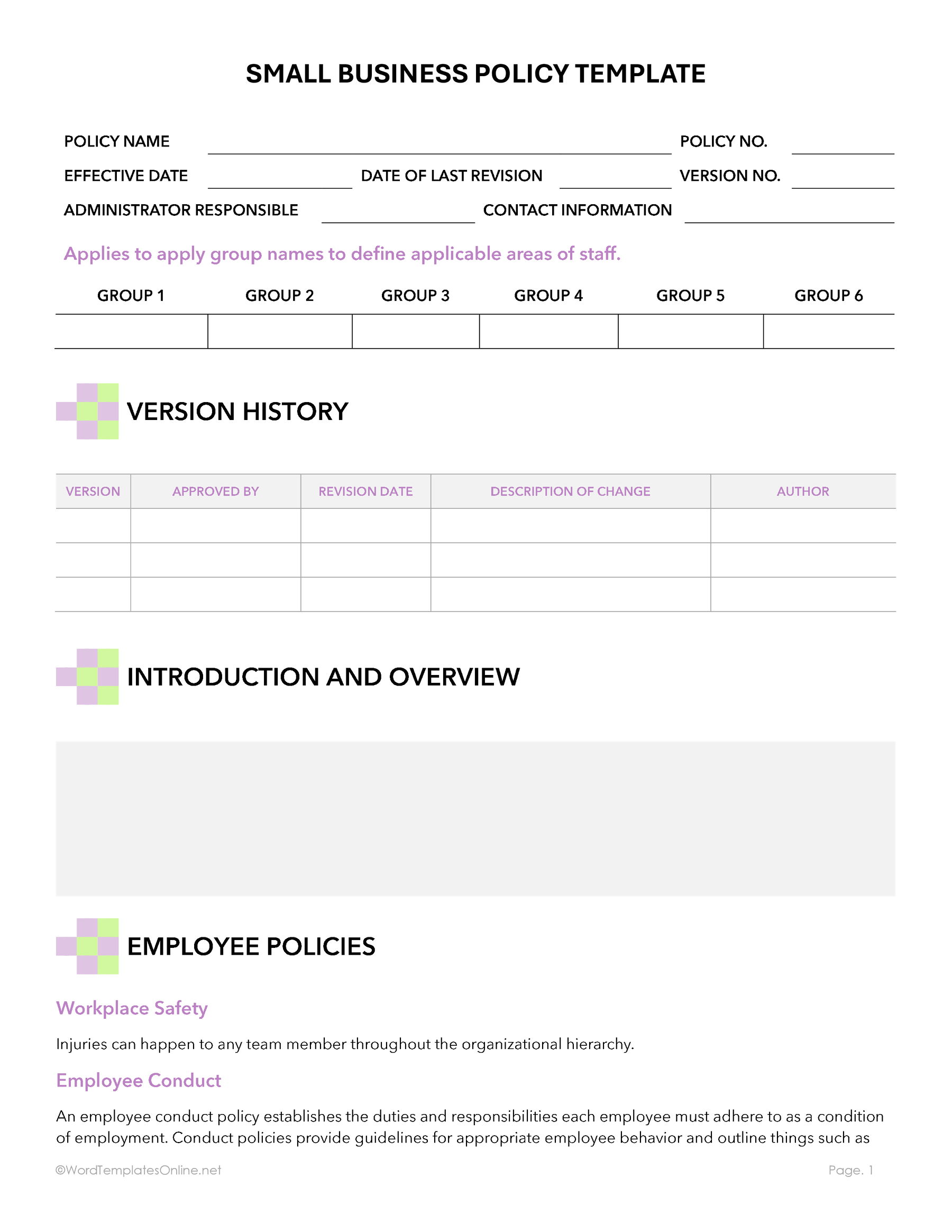
It is a structured tool used for writing and documenting company policies and operating procedures. This template ensures consistency and compliance across various industries.

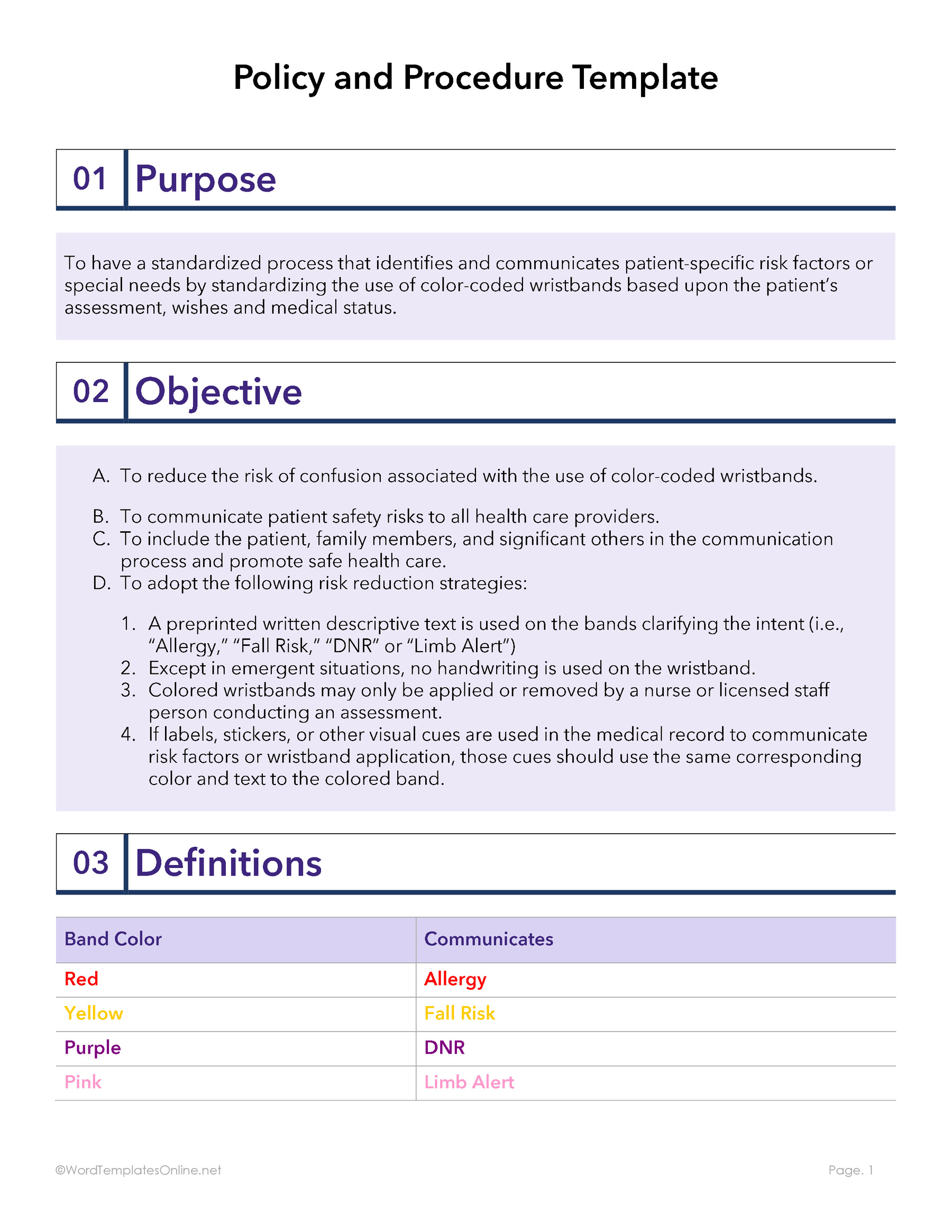

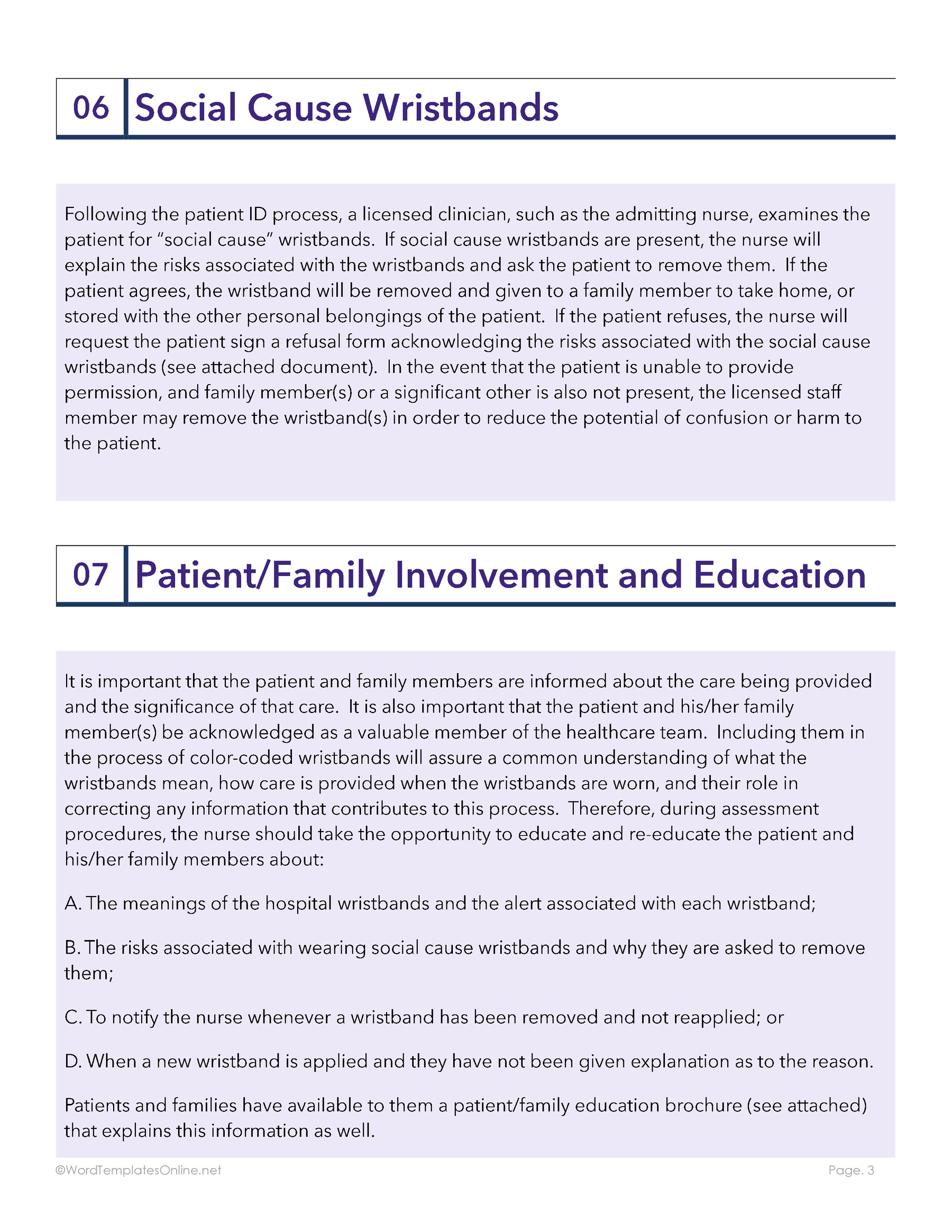
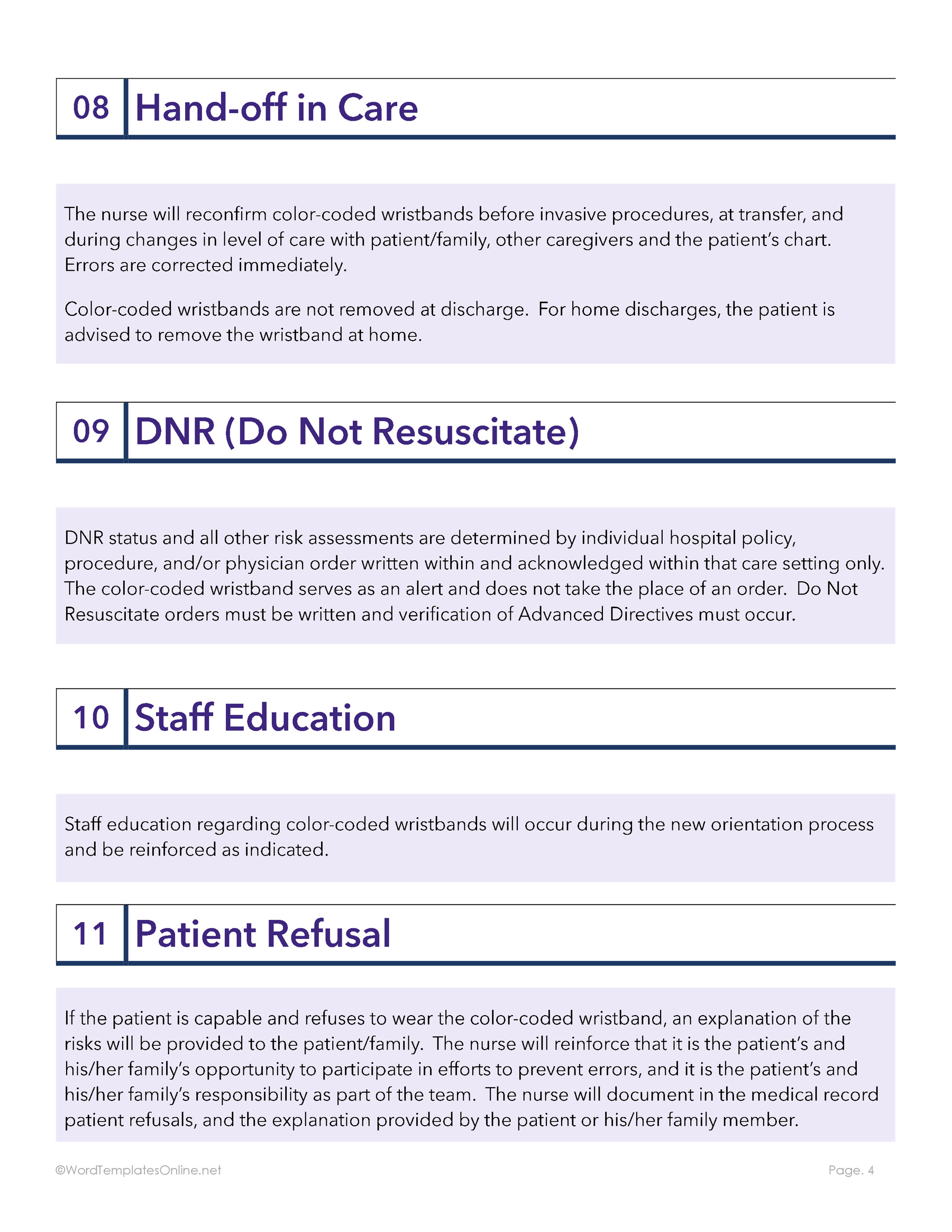
Construction policy and procedure template
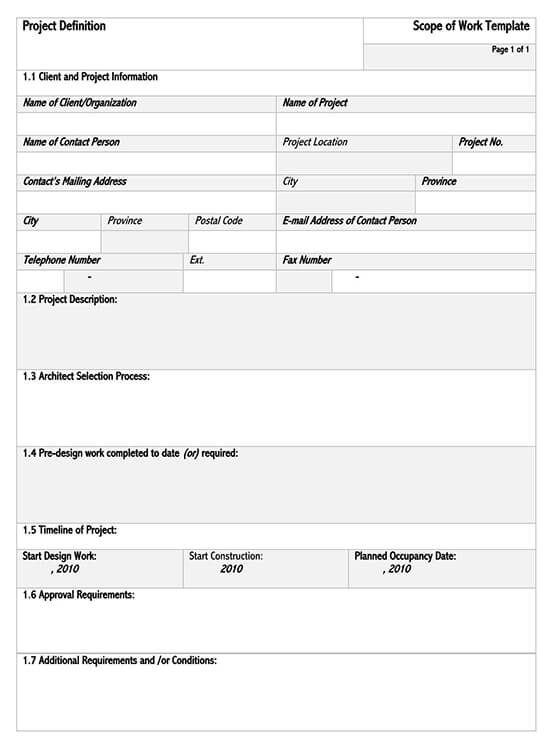
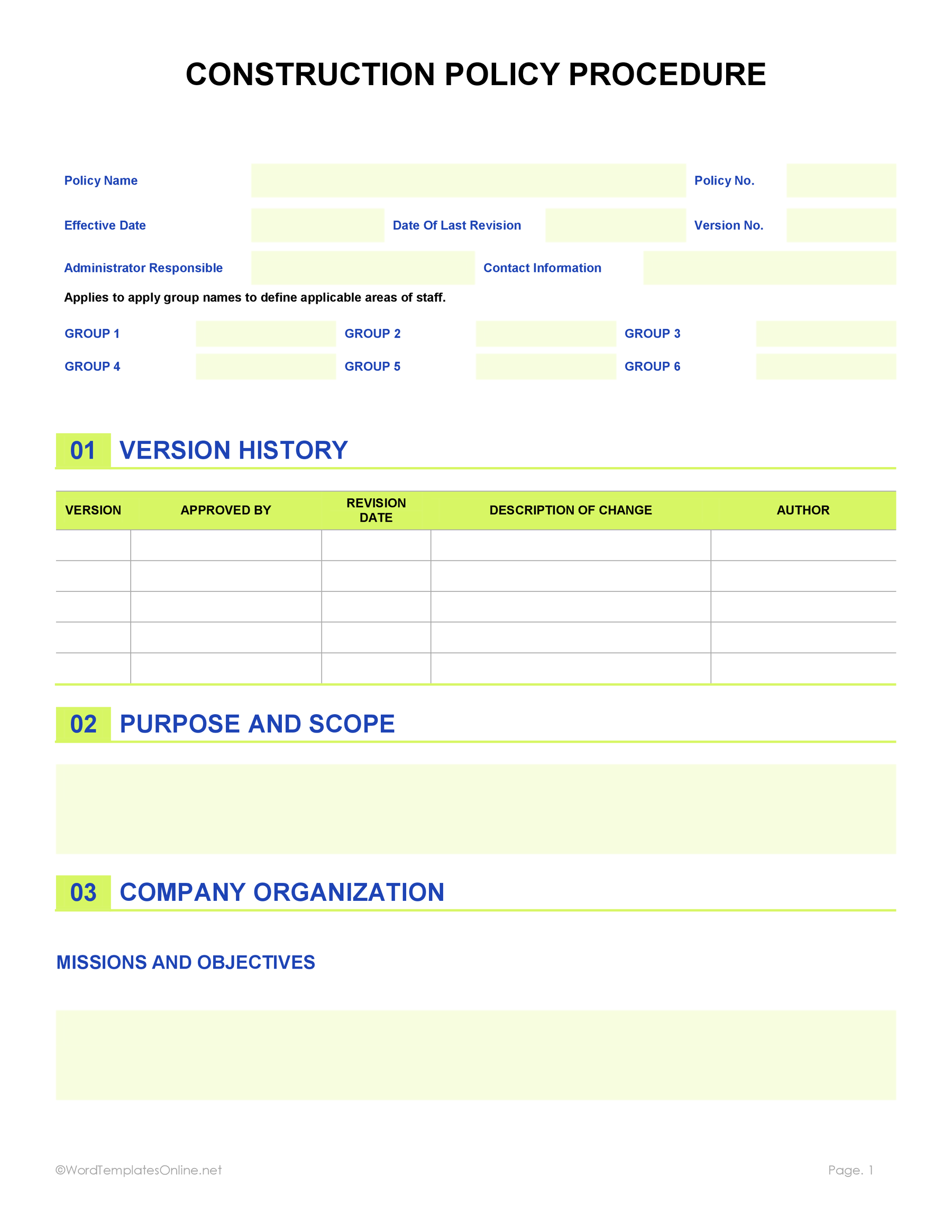
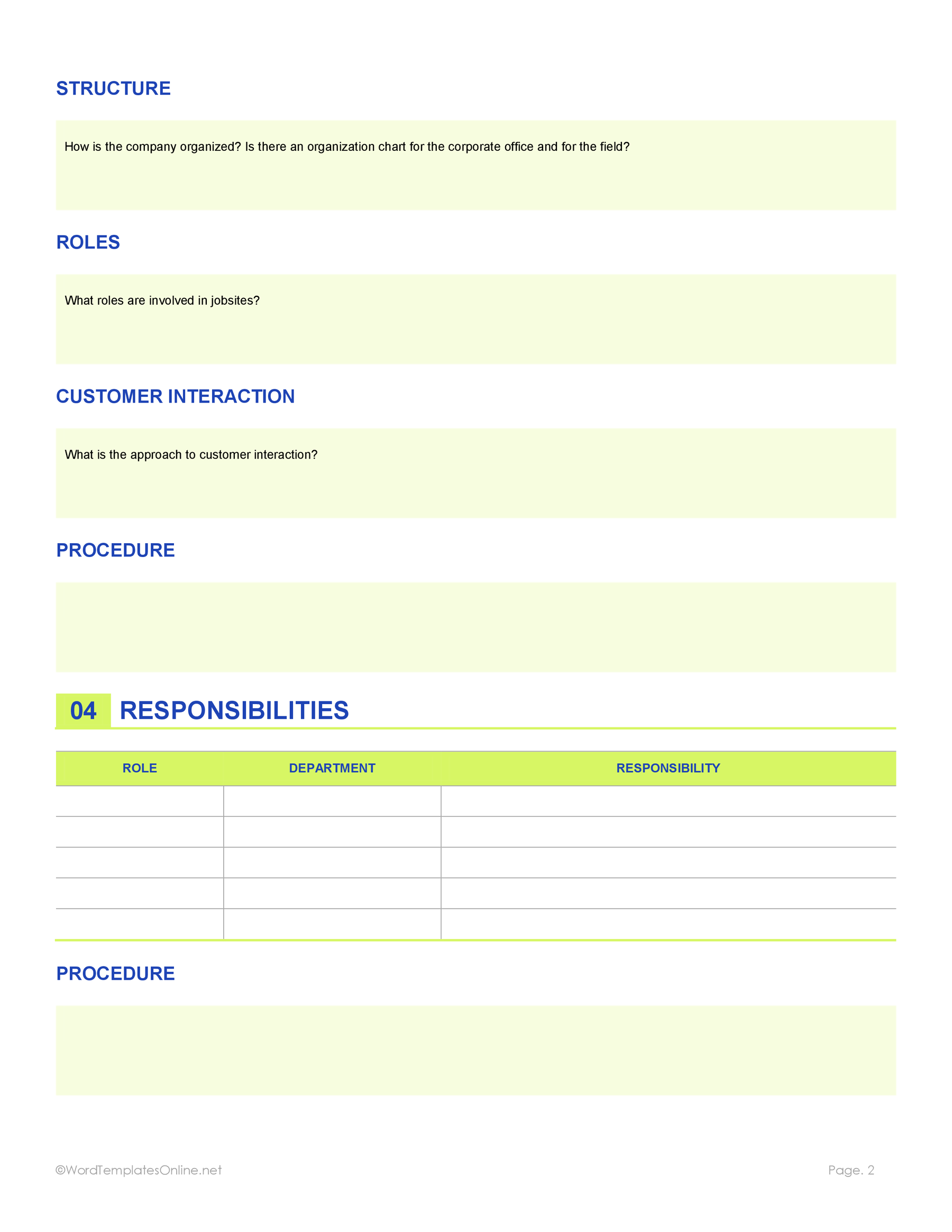
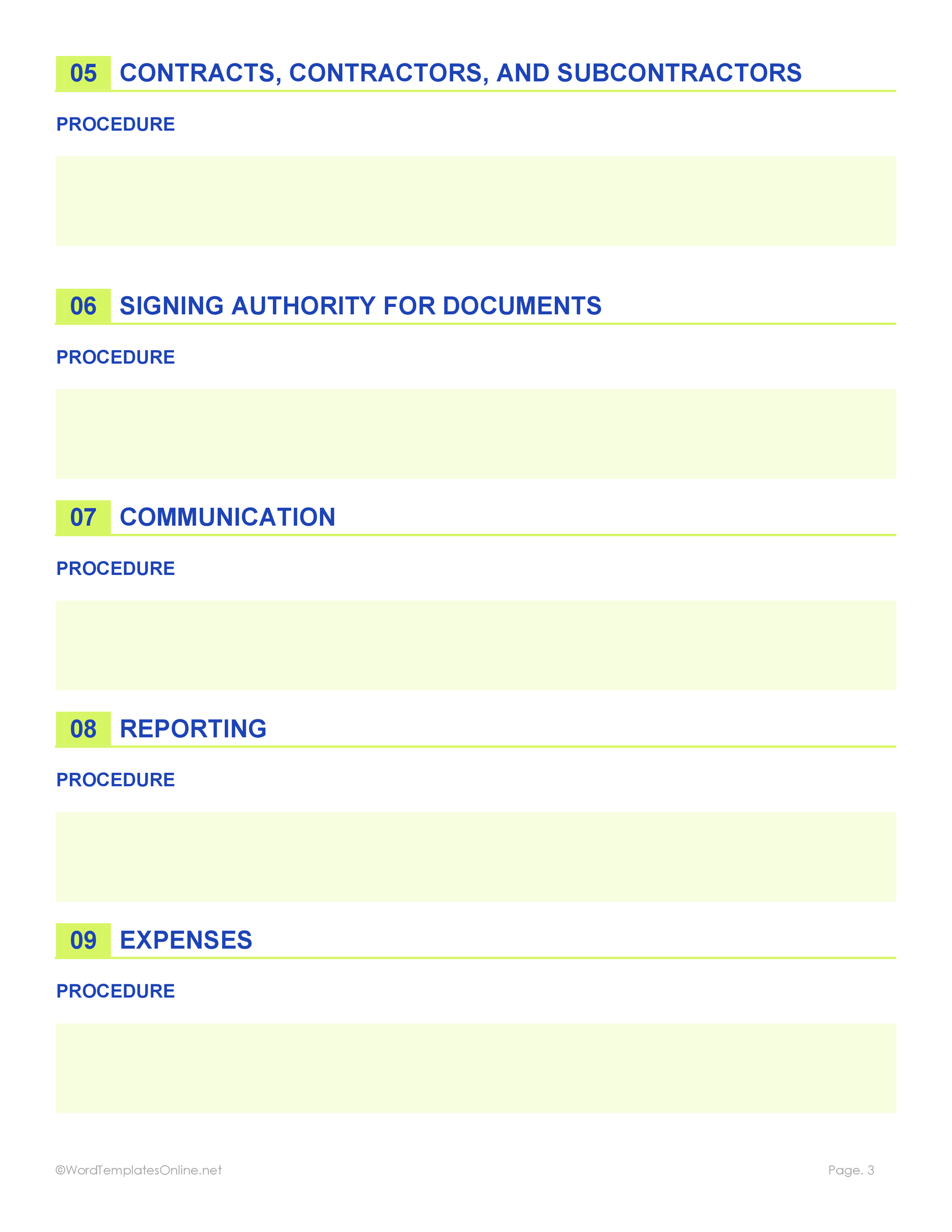
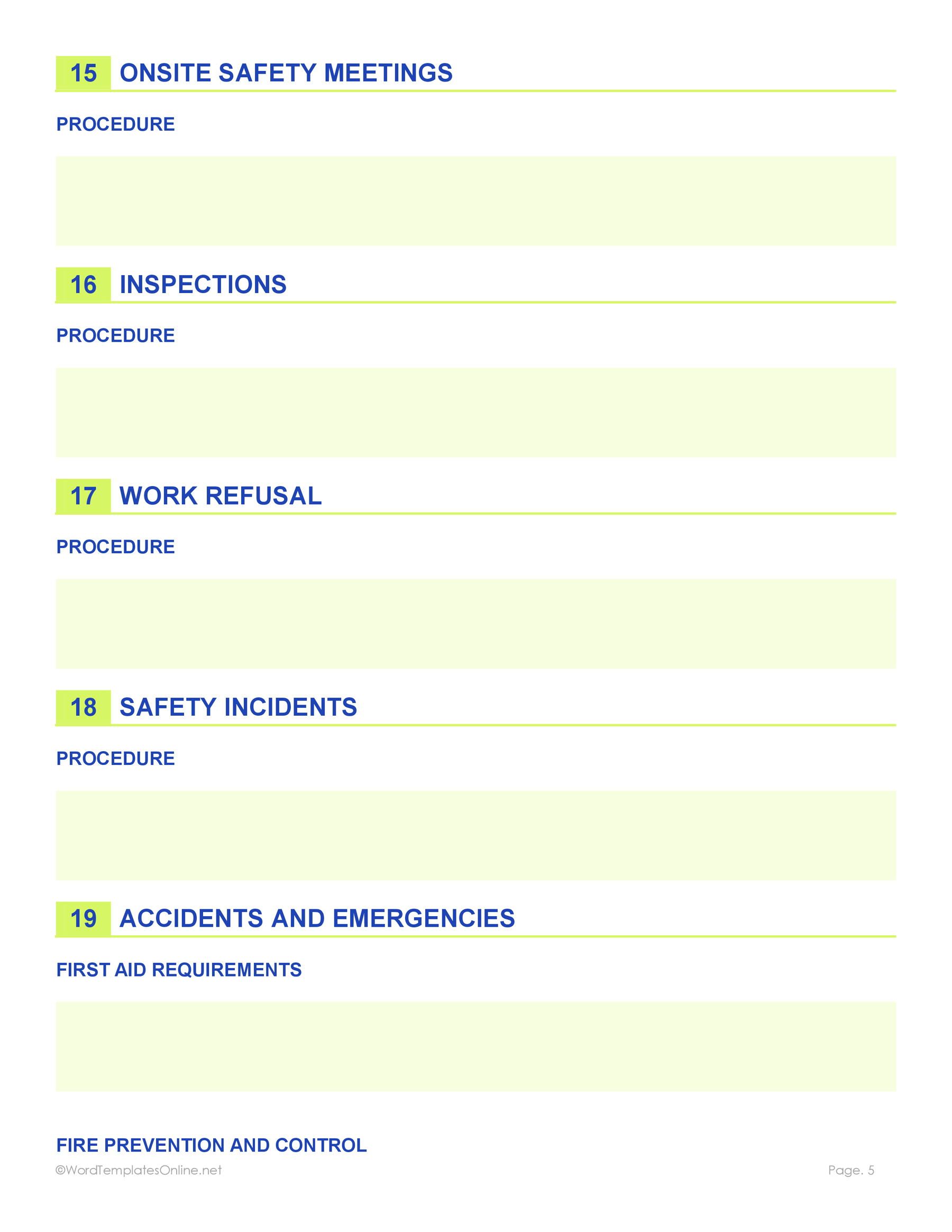
This template is specifically used by companies in the construction industry. It establishes safety protocols, risk management, and site guidelines. The template covers various policies such as equipment handling, site safety, etc.
Download


Download
Why This Template is Needed
A policy and procedure template is an important tool for organizations that are looking for consistency, efficiency and compliance. There are two main reasons why you need this template:
First, it saves time. By providing a structured format, it ensures that you capture all the elements, reduces the time and effort needed to write from scratch and allows you to focus on implementation rather than formatting.
Secondly, since an organization is required to follow regulatory requirements, a well-structured template will ensure that your policies and procedures align with industry standards and applicable laws. It also eliminates the risk of legal issues by ensuring that there is proper documentation especially during audits and inspections.
Content of the Template
For a policies and procedures template to be effective, it has to contain all the essential components that make up its structure. Below are the contents that you will include in the template:
Title and purpose
This is the section where you will write the policy name and objective. It explains why the policy is in place and what its objectives are or what it aims to achieve.
EXAMPLE
Title: Data Security Policy
Purpose: This policy establishes measures to protect customer and company data from unauthorized access.
Scope
In this section, you will define who the policy applies to, for example, specific departments, employees, etc. The scope clarifies whether the policy applies to specific teams or the whole company.
EXAMPLE
This policy applies to the IT and HR department.
Definitions
Here, you will give explanations to key terms used in the document for clarity purposes. This helps employees understand various concepts and prevents ambiguity.
EXAMPLE
Data breach: Unauthorized access or theft of information
Encryption: Transforming data in code form that only authorized personnel can understand.
Policy statement
It outlines the guidelines o, principles or rules governing the subject. Write clear guidelines on what you expect from employees such as using strong passwords, logging out after use of a computer, not sharing passwords, etc.
EXAMPLE
- Do not share your passwords with anyone
- Create strong passwords and change them after every 3 months
Procedure steps
This is where you give step-by-step instructions on how to implement the policy i.e. the execution process.
EXAMPLE
- Employees should request IT to get system access
- Employees should create strong passwords containing a mixture of letters and numbers.
- Employees must report to IT in case they suspect breach of data
Roles and responsibilities
In this section, state who is responsible for implementing and monitoring the policy. This is done to make sure that there is accountability in case of any questions or issues. For example, in a data security policy, the It department could be responsible for training employees on data security, overseeing system security, etc.
EXAMPLE
IT: Monitors security measures, i.e. encryption
Compliance: Conducting audits and ensuring adherence to regulations
Compliance and review
This is the last section of the document. It how compliance will be monitored and reviewed. Specify how often it will be reviewed which ensures alignment with industry standards.
EXAMPLE
The compliance team will be doing an annual review of the policy and make changes where necessary to adapt to security threats and align with industry regulations.
Who Uses this Template?
A policy and procedure template is an essential tool used by various industries and organizations. Below are some of the users:
- Businesses, HR teams and consultants use this template to establish operational guidelines and governance. It helps in standardizing processes define expectations, and ensure that employees are following best set practices.
- Regulated industries, for example, healthcare use templates to document policies to formulate policies to comply with labor laws, safety standards, etc.
- Educational and non-profit organizations use these templates for purposes of standardization/uniformity. For example, schools use the templates to form policies that help facilitate consistency in academic processes such as teaching. On the other hand, non-profit organizations use templates to establish procedures for fundraising.
Related: Free Employee Disciplinary Action Forms (Word | PDF)
Tips
- Keep it concise and clear. Avoid using complex terms i.e. use straightforward language
- Update the policies regularly to reflect industry changes. Laws continually evolve, therefore, it is important to review your policies on a regular basis.
- Make the policies easily accessible to stakeholders involved with the organization. It can be in terms of printing copies or sharing them online.
About This Article