Planning an Event? Don’t Rely on Your Brain Alone. If you’ve ever thrown a party or organized anything more complicated than a pizza night, you already know this: events come with too many moving parts. You start with a simple plan—“let’s do something nice”—and before you know it, you’re juggling venue bookings, vendor payments, RSVP lists, seating charts, catering disasters, and that one guest who still won’t confirm if they’re bringing a plus one.
This is exactly where a checklist saves your sanity.
Why a Checklist is Your New Best Friend
A checklist doesn’t just help you remember things. It gives your planning actual structure. It helps you zoom out and see the big picture—while still keeping an eye on the little things that can ruin that picture. Think of it as your personal assistant who never sleeps and doesn’t forget anything.
With a good checklist, you’re not just planning an event. You’re building it piece by piece—with less panic and more control.
What’s in a Good Event Checklist (That Doesn’t Feel Like Homework)
A proper checklist walks you through every stage: before the event, during it, and even after it’s over. Here’s how it works.
First, it starts with the basics. You note down what the event is about, where it’s happening, and when. This may sound obvious, but it’s not just for you—it helps every vendor, planner, and volunteer stay on the same page.
Next comes the budget. This isn’t just a big number at the top. A smart checklist helps you track vendor payments, emergency funds, and where every rupee or dollar is going. You want your event to look expensive—not actually be expensive.
Then there’s the guest list. It’s not just about who’s invited. You need to manage special dietary needs, seating preferences, and who gets to skip the line at the entrance. And if you’ve ever dealt with unexpected party crashers, you know how useful entry control can be.
Vendor management follows. The photographer, the caterer, the decorator—they all need timelines, payment details, and someone to call when the DJ is 45 minutes late. Keeping everything logged in one place beats chasing WhatsApp chats the night before the event.
The Timeline: Your Event’s GPS
One of the most powerful parts of a planning checklist is the timeline. It lets you break the event down into stages.
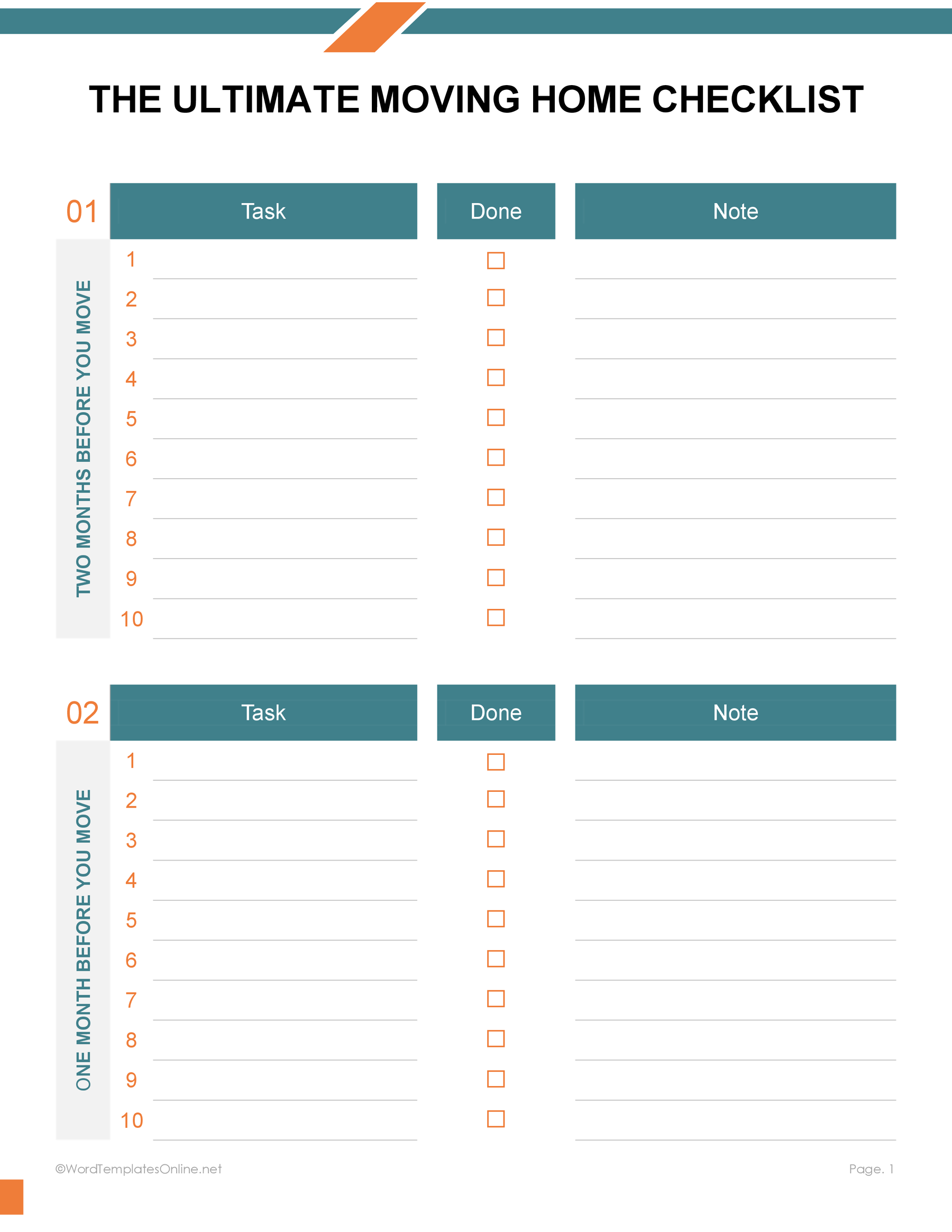
Two months out, you’re picking a venue and setting the theme. One month out, you’re confirming bookings and sending invites. One week before, it’s all about rehearsals and backup plans. On the day of the event, the checklist helps you run the show without losing your mind. And afterward, it helps you pack up, pay up, and follow up.
Risk Management: Because Something Will Go Wrong
Nobody likes to talk about this part, but something always slips. A vendor cancels. A speaker no-shows. It rains. The checklist includes backup plans—like a second venue option or emergency contacts—so you don’t freeze when things go sideways. It won’t stop the problems, but it makes you the person who already has a plan B.
Logistics: The Stuff That Keeps People Moving (and Calm)
Transportation, parking, security, equipment setup—it’s all part of the background work most guests don’t notice unless it goes horribly wrong. A checklist lets you map out who’s arriving when, who needs a mic, who gets VIP parking, and who’s in charge of keeping things on time.
Want to Make It Work? Follow These Simple Rules
Using a checklist isn’t just about ticking boxes. It’s about working smarter.
Share the checklist with your team. Break big tasks into smaller, clear actions. Set deadlines that leave room for things to go wrong. Don’t rely on your memory or your inbox. Print the thing. Keep it on hand. Update it regularly. And after the event, use what you learned to make the next one even smoother.
Not All Events Are the Same—Neither Are Checklists
A wedding has very different needs from a fundraising gala. A baby shower is nothing like a business summit. That’s why there are different templates for different events. Whether you’re hosting a corporate mixer, a small family party, or an all-out concert, a template built for that kind of event will save you hours.
Some examples:
- Wedding checklists cover everything from guest seating to DJ contracts.
- Party planners focus on fun—entertainment, games, cake, and vibe.
- Baby showers track gifts, themes, and awkward diaper-themed games.
- Large-scale event checklists go deep into logistics, permits, staffing, and media.
No Time to Build One? Use Ours.
Building your own checklist from scratch sounds noble, but why reinvent the wheel? We offer free, editable event and party planning checklist templates you can download and start using immediately. They’re simple, customizable, and designed to help you work through the chaos step by step.
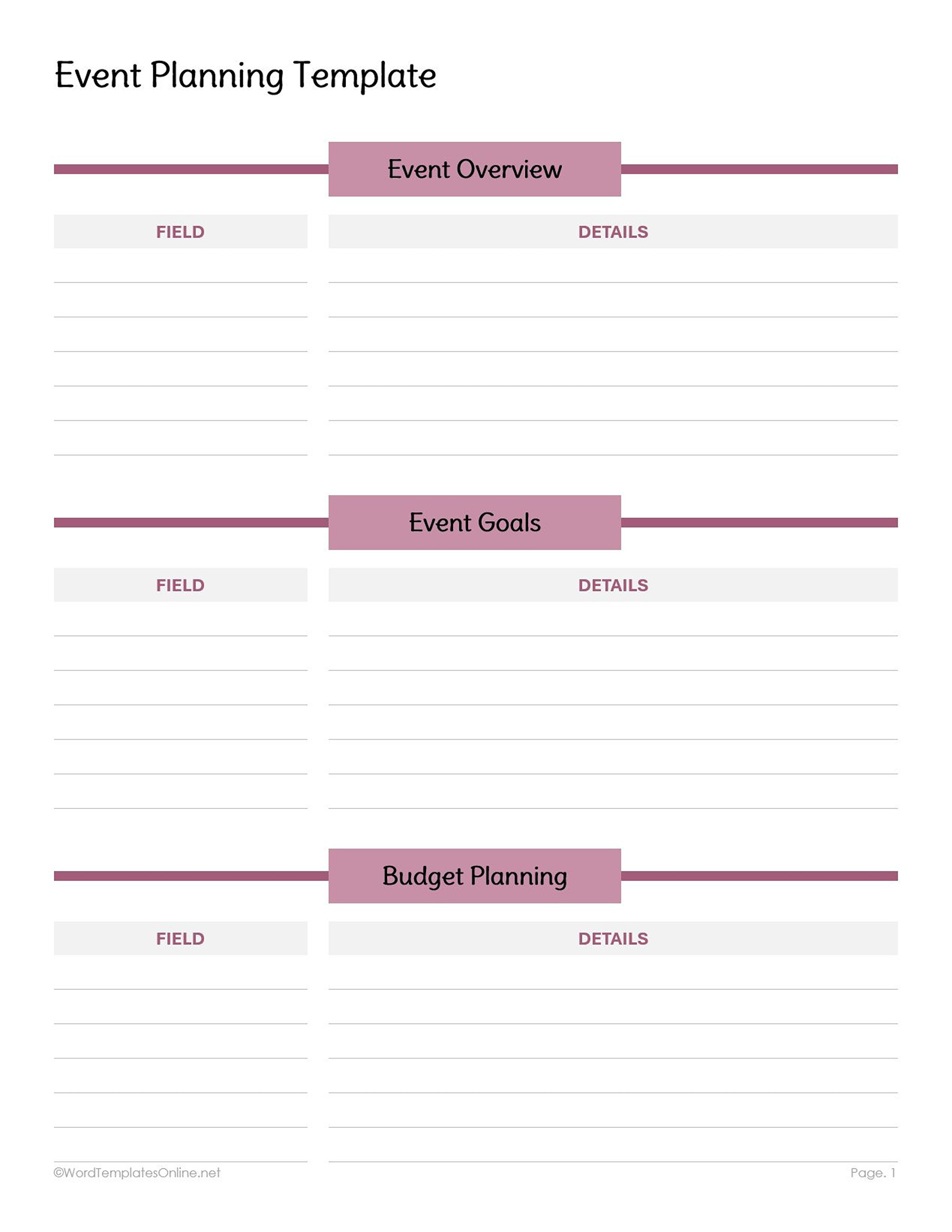
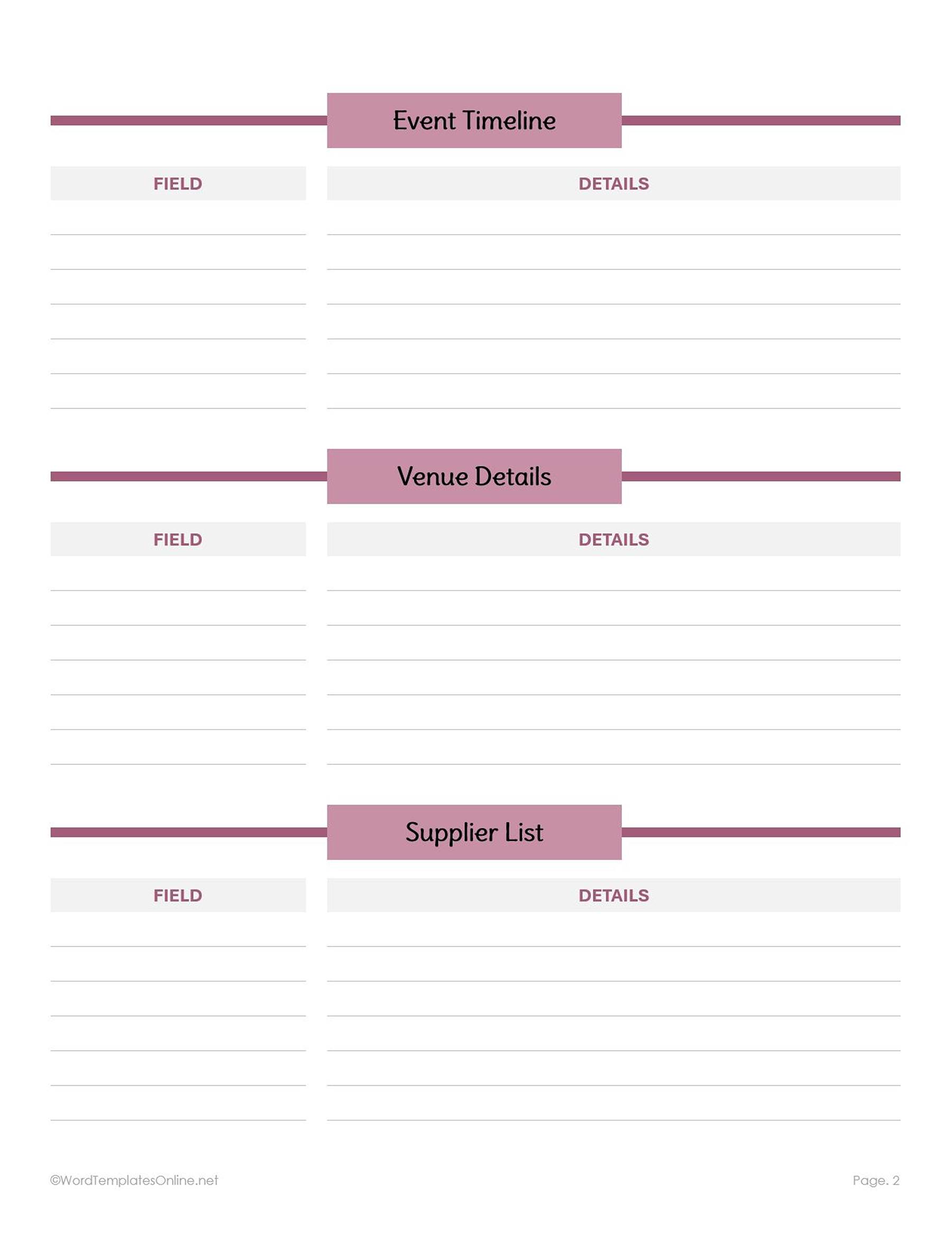

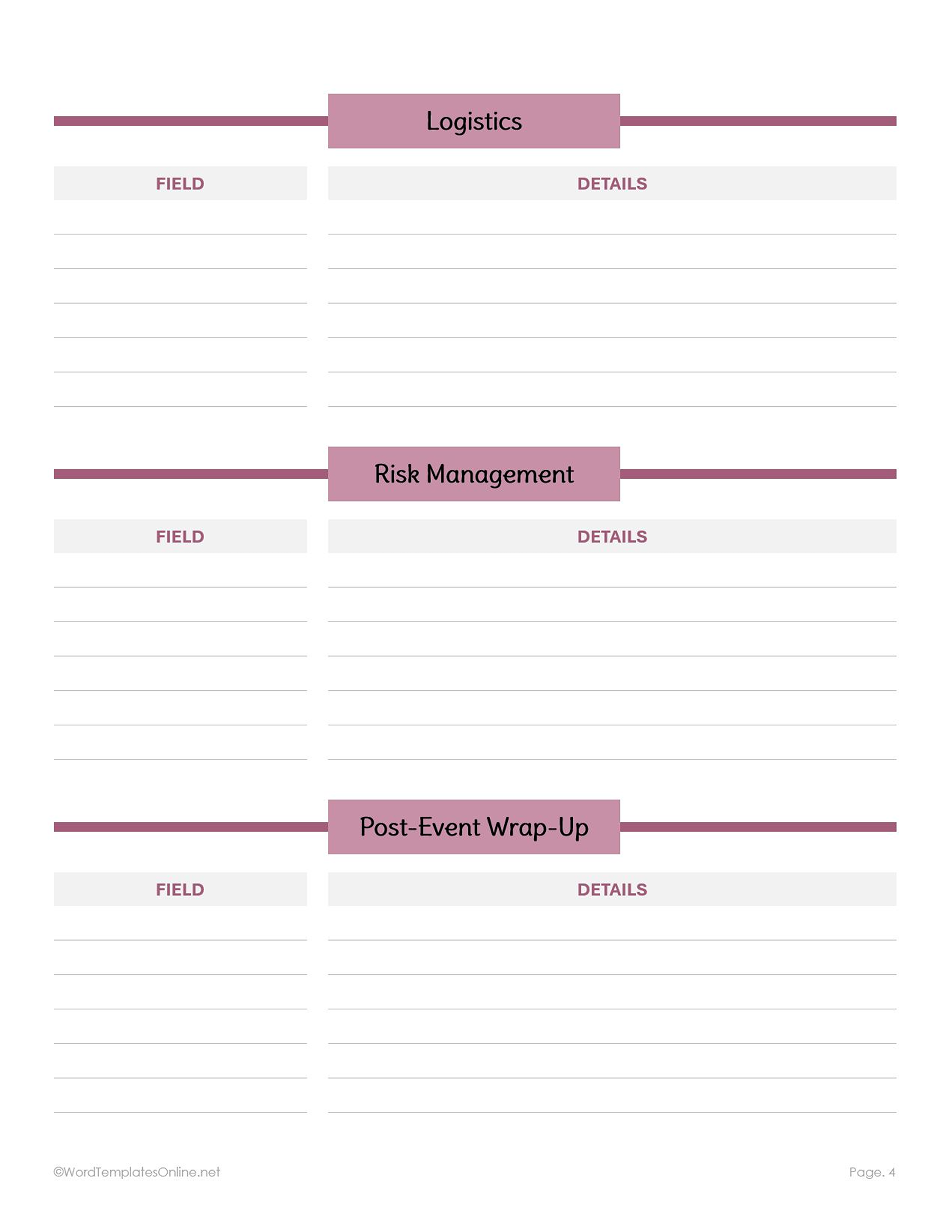
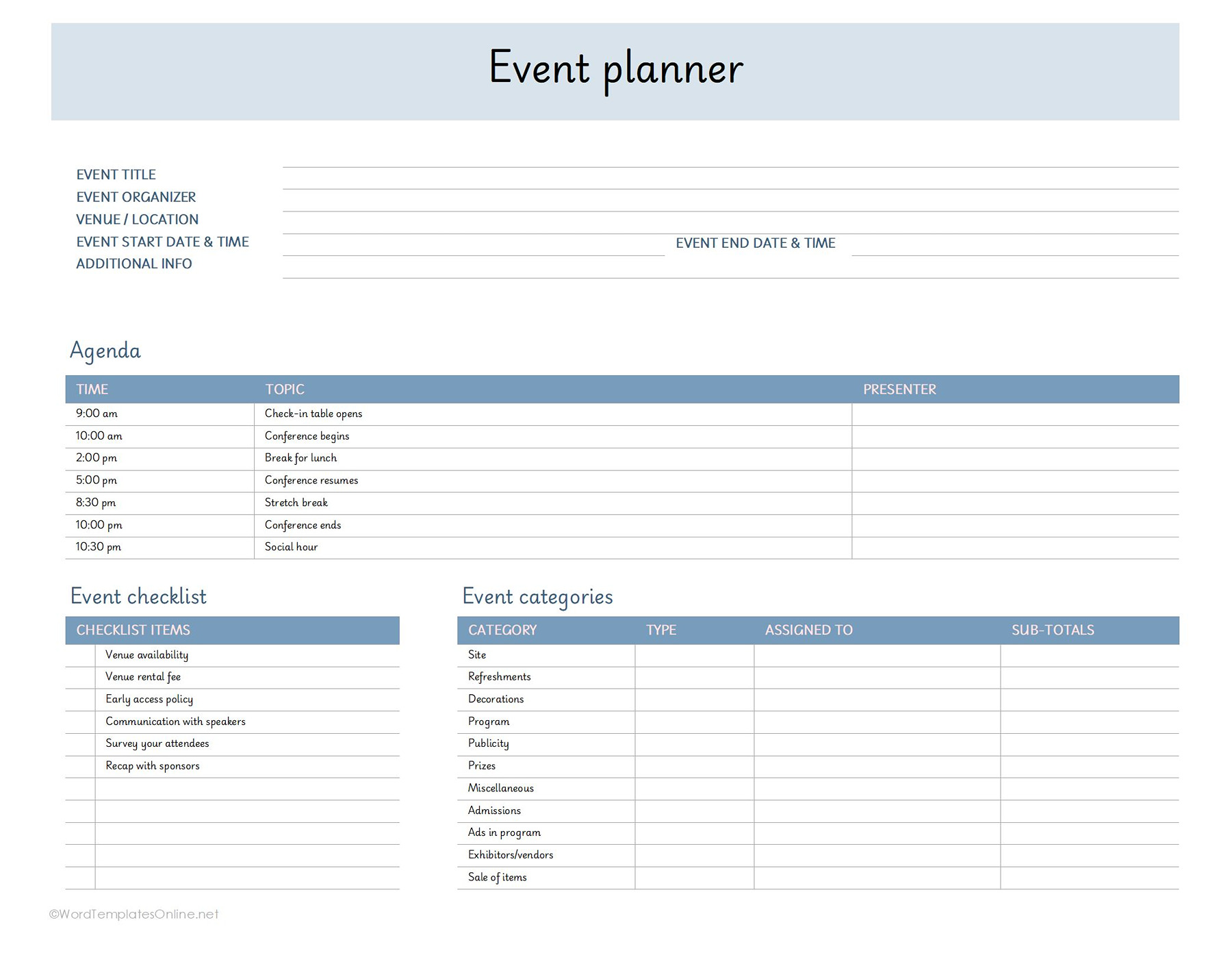
Let’s Break It Down by Types
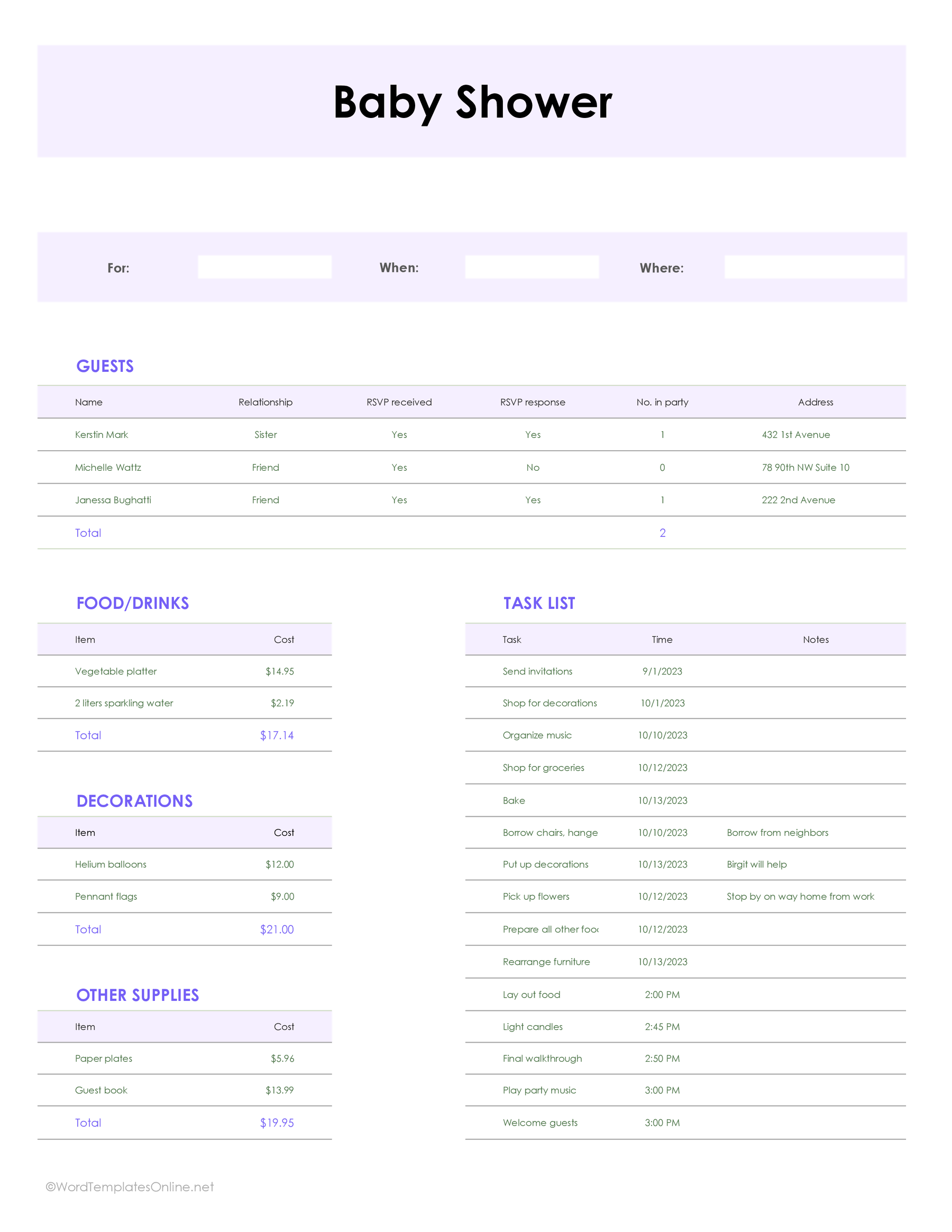
Baby shower template
This template is specifically designed for baby shower events. It covers sections such as event theme, invitations, decorations, food and beverages, gifting, etc.
Download
Download
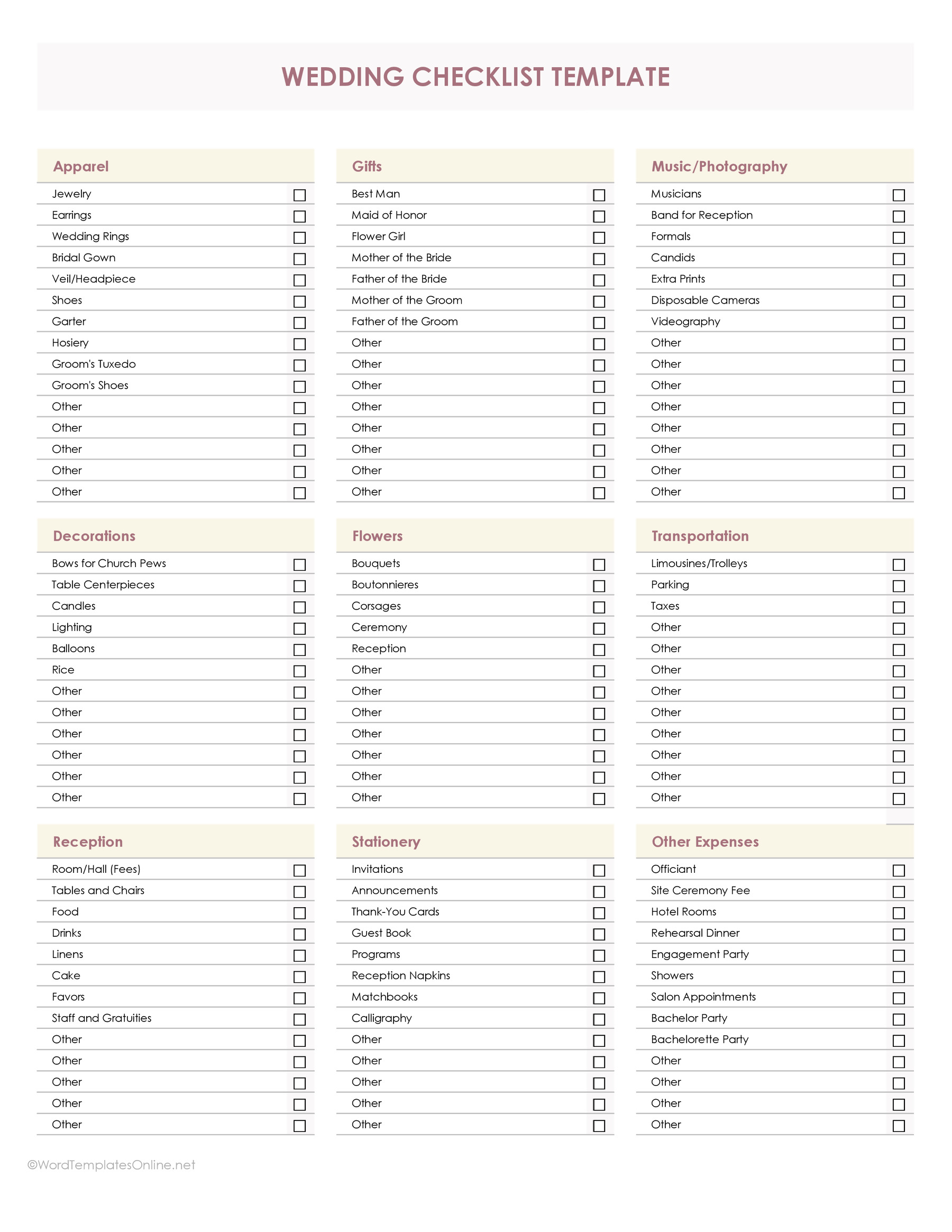
Wedding checklist template
It is a template designed for wedding planning. It has sections such as decorations, invites list, RSVPs, seating arrangements, vendors such as photographers, etc.
Download
Download
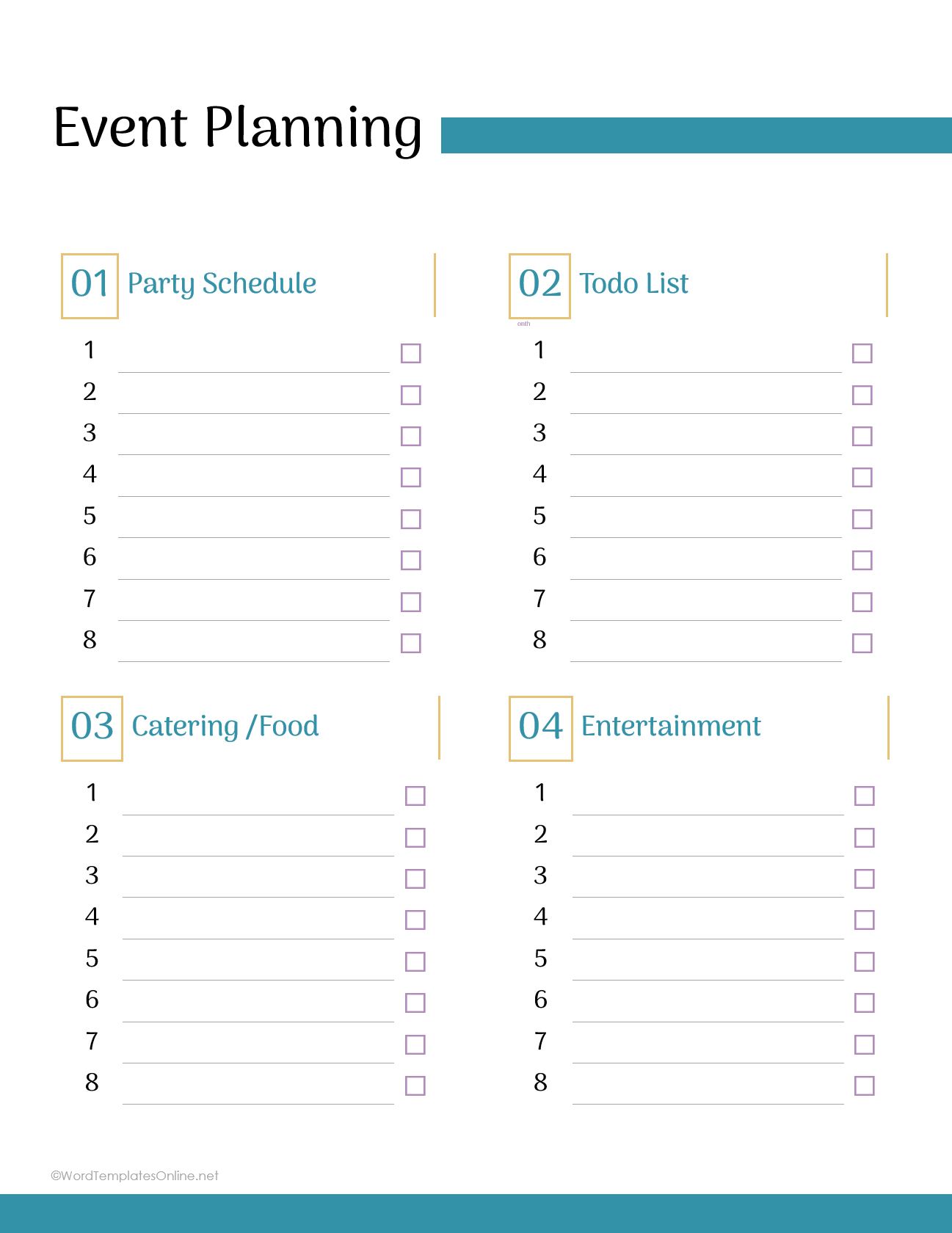
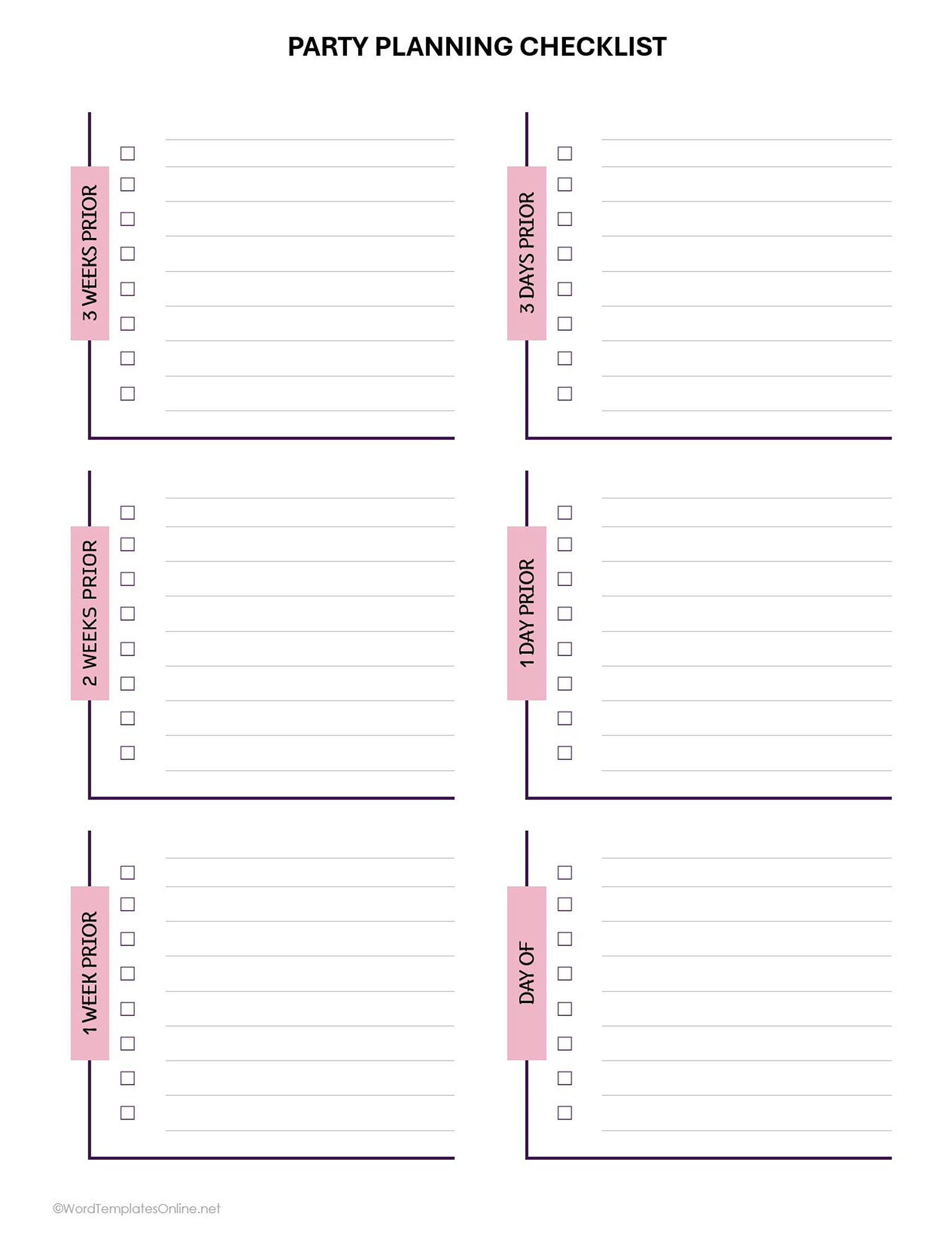
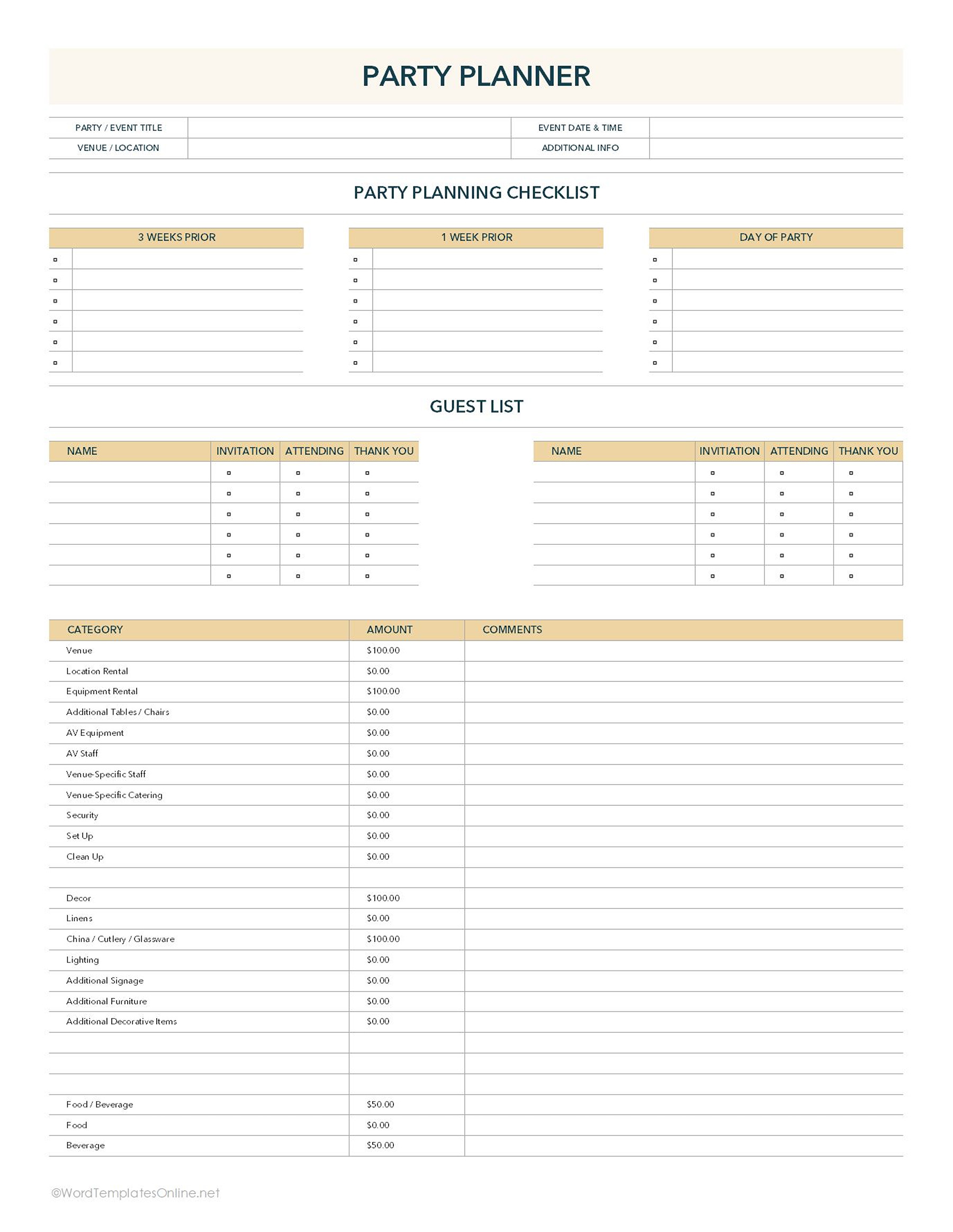
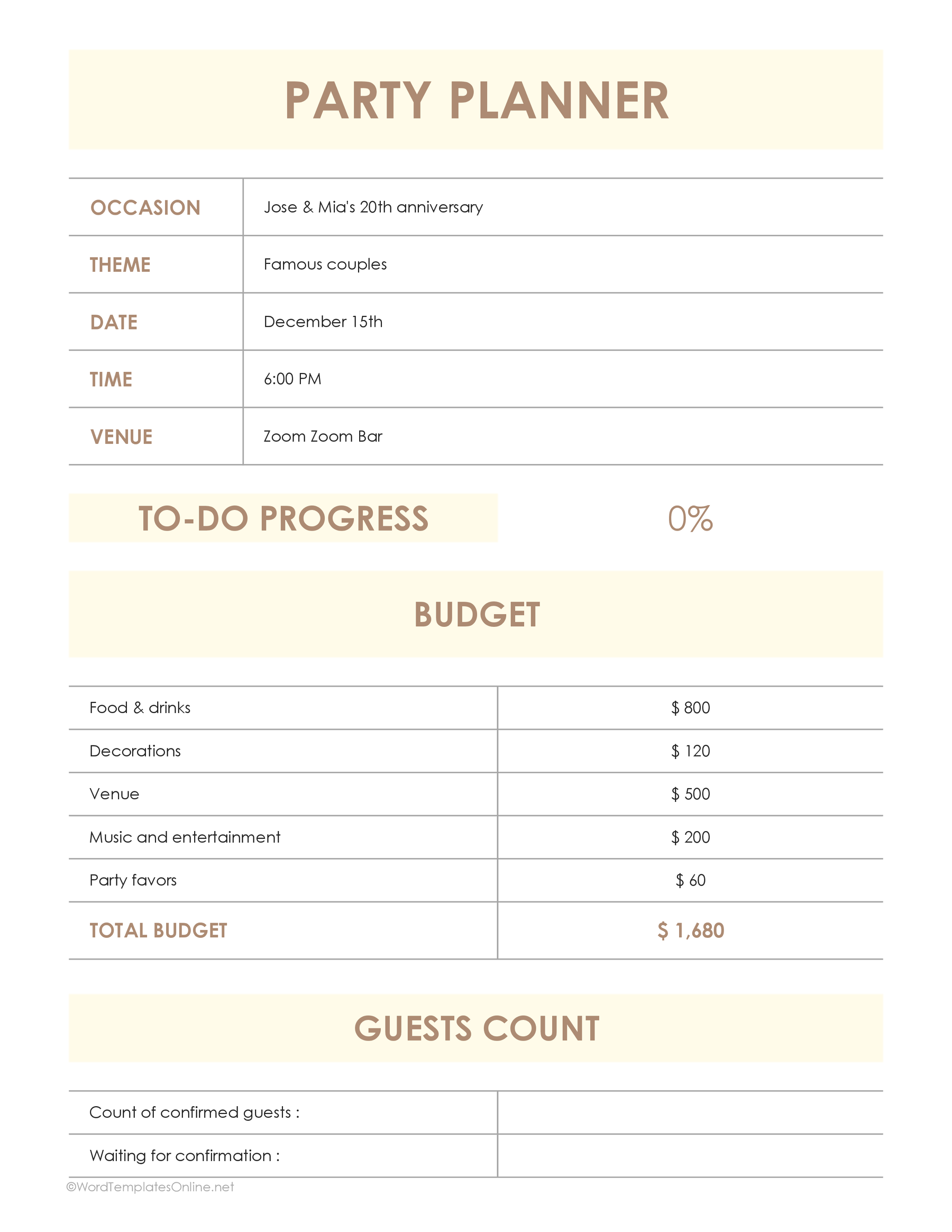
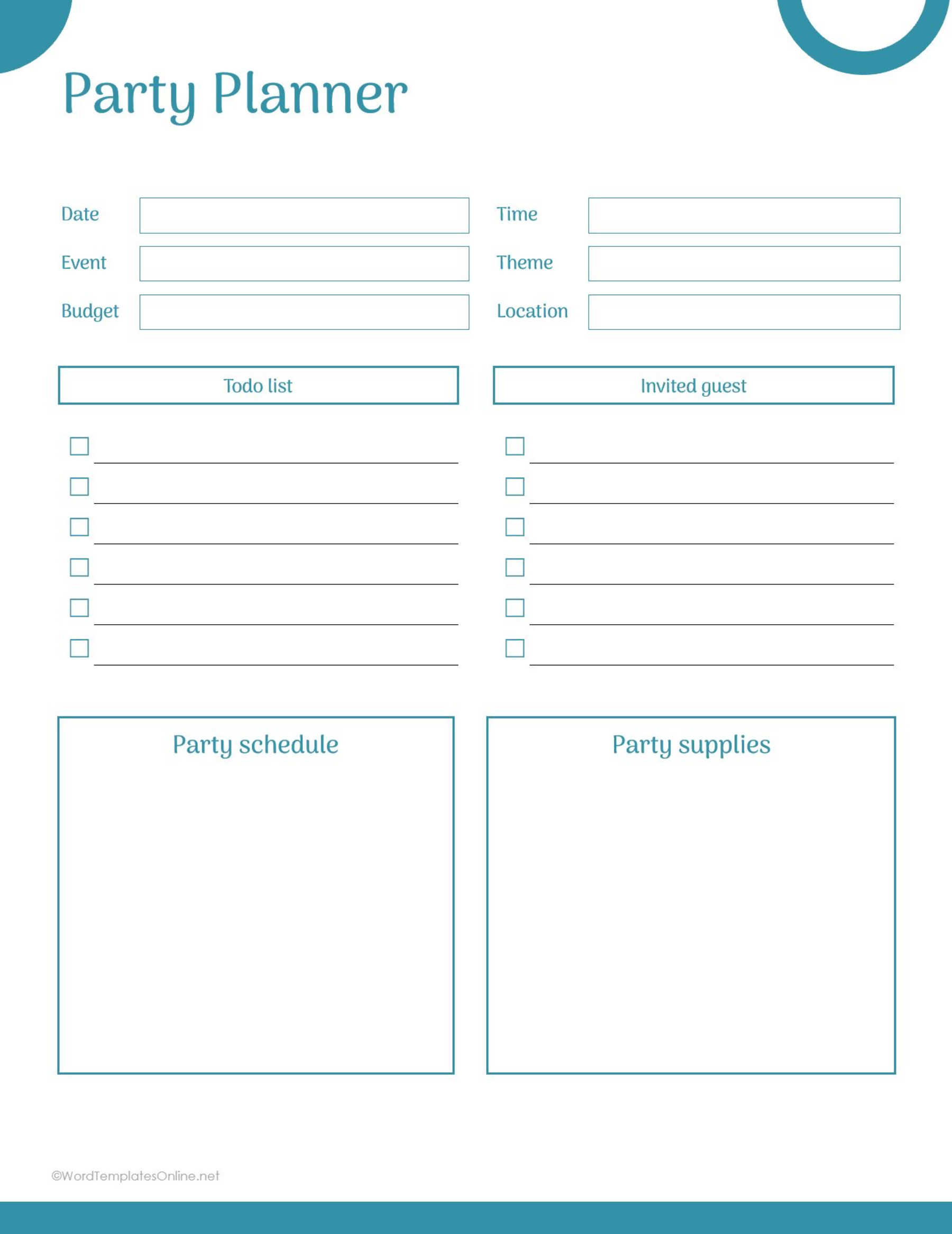
Party planner checklists
This template is most suitable for organizing birthday parties, anniversaries, etc. It covers sections such as entertainment, invitations, decorations, etc.

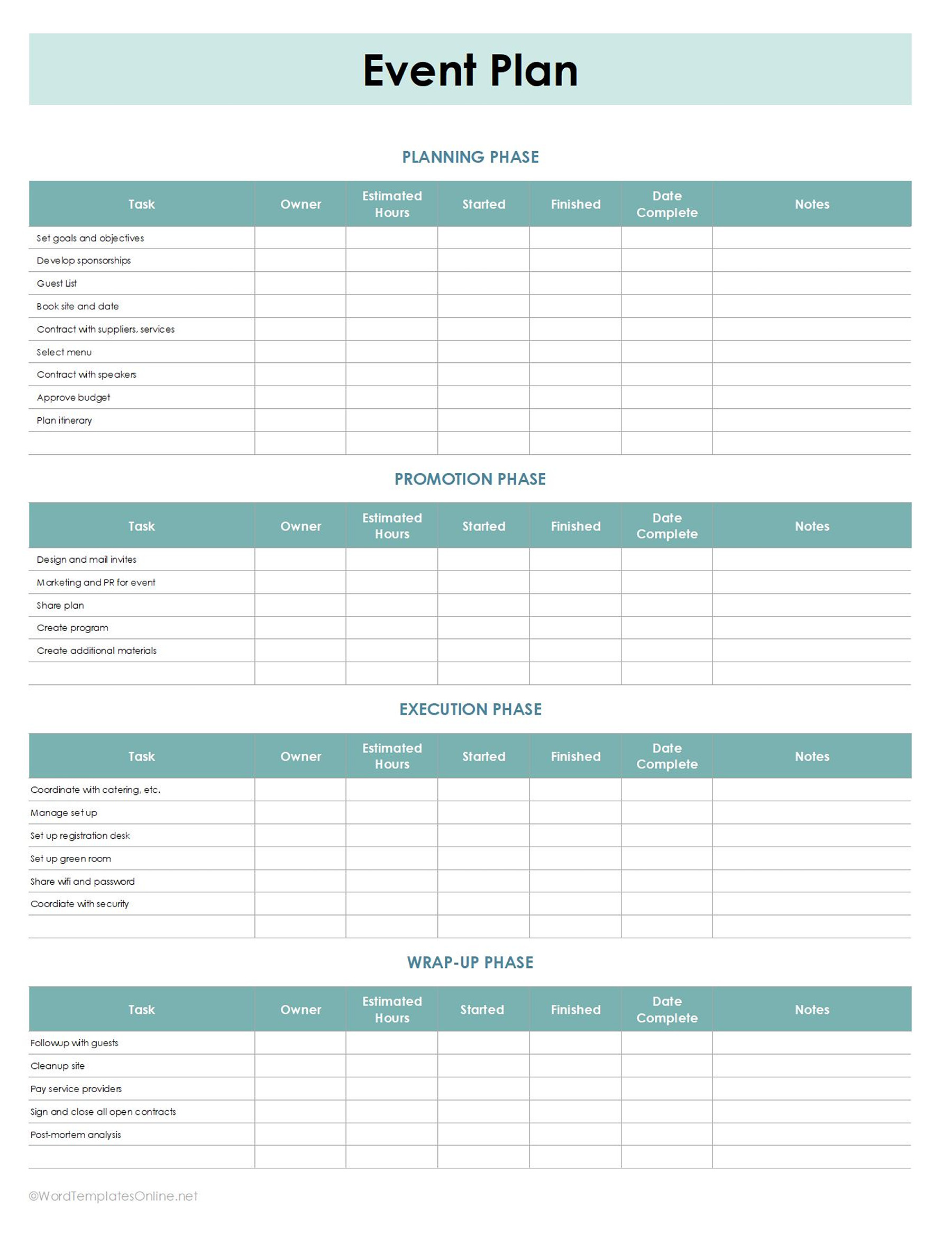
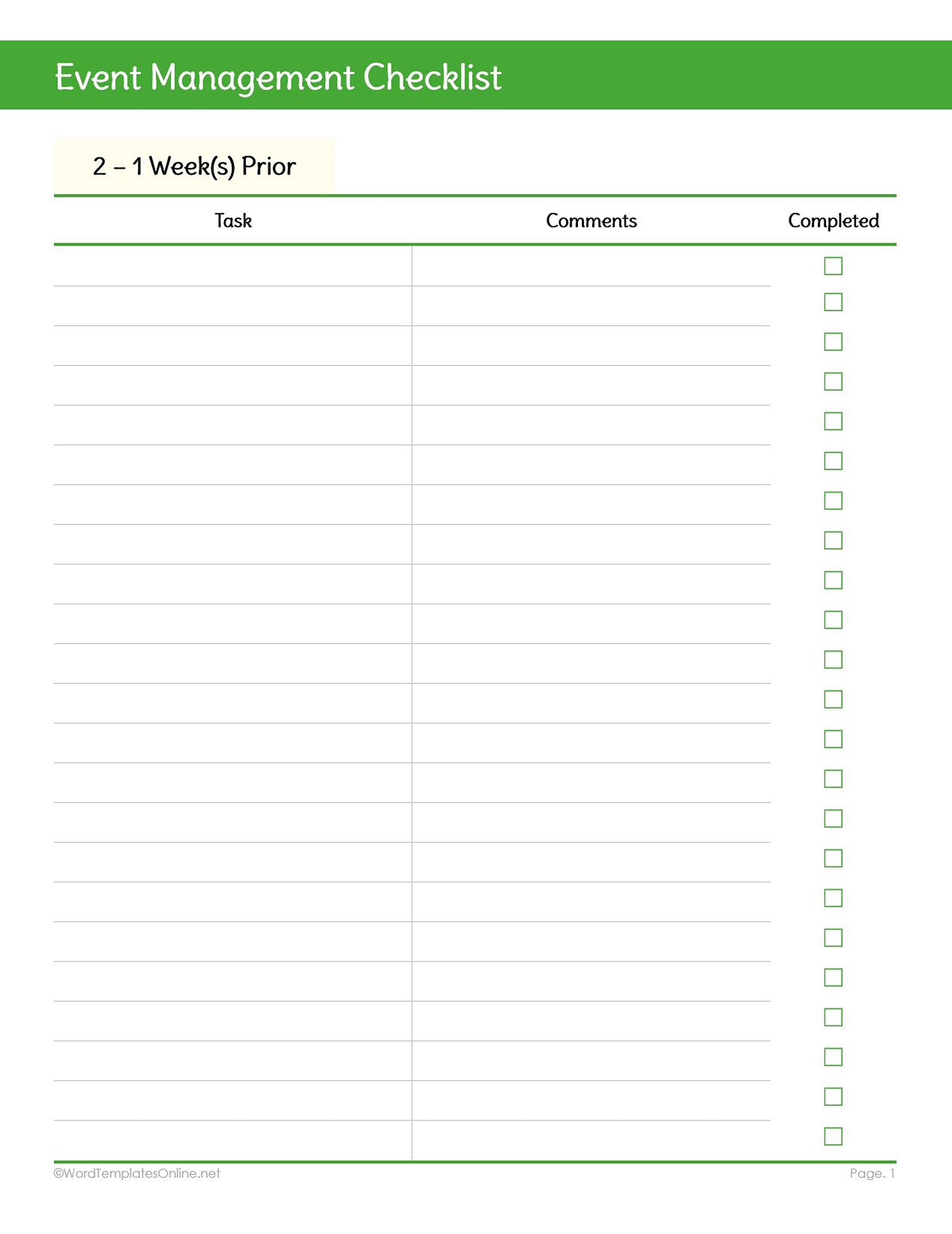
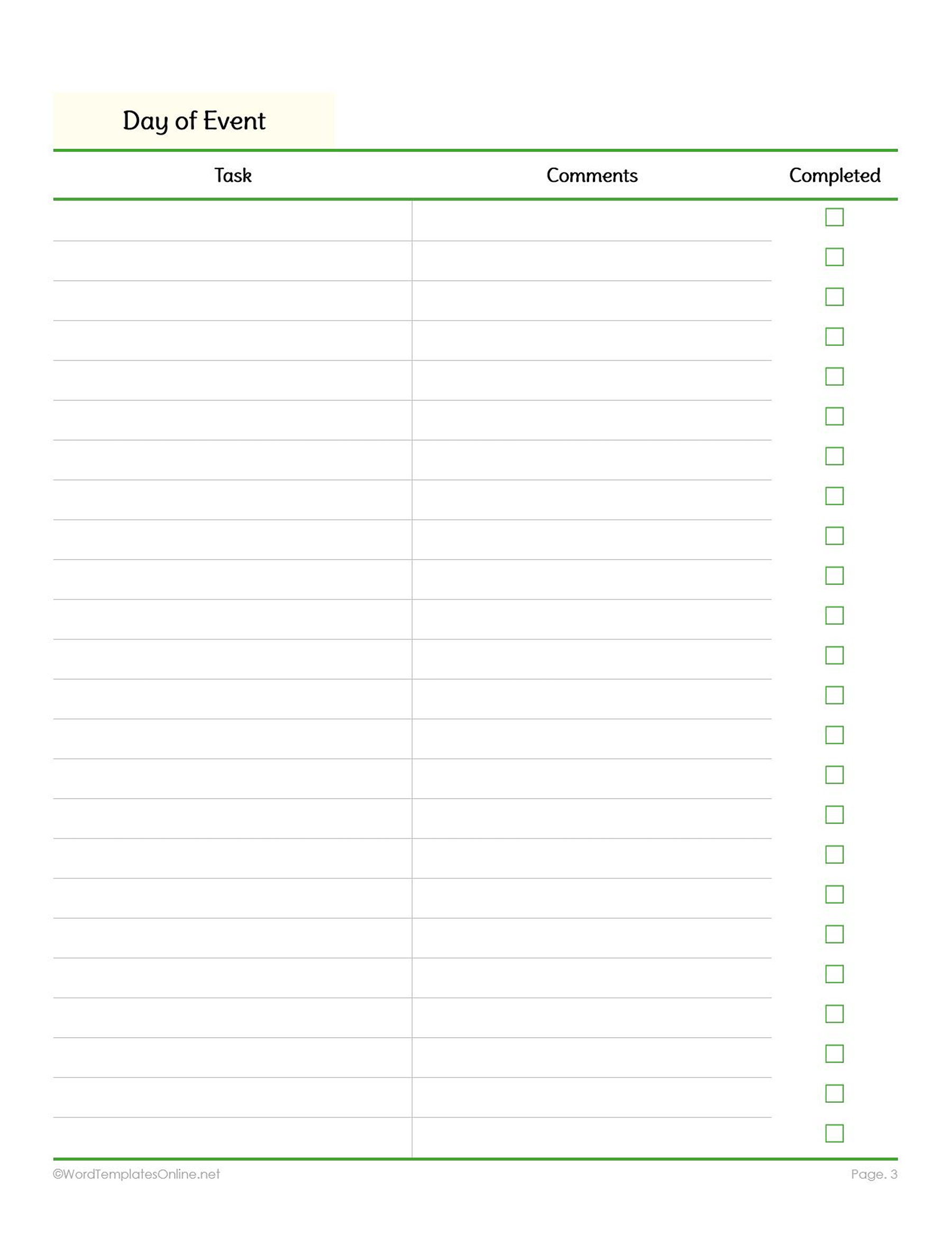
Event management checklist
This is a template for coordinating large-scale events. It includes details like logistics, contingency planning, security, etc.
Download

Download
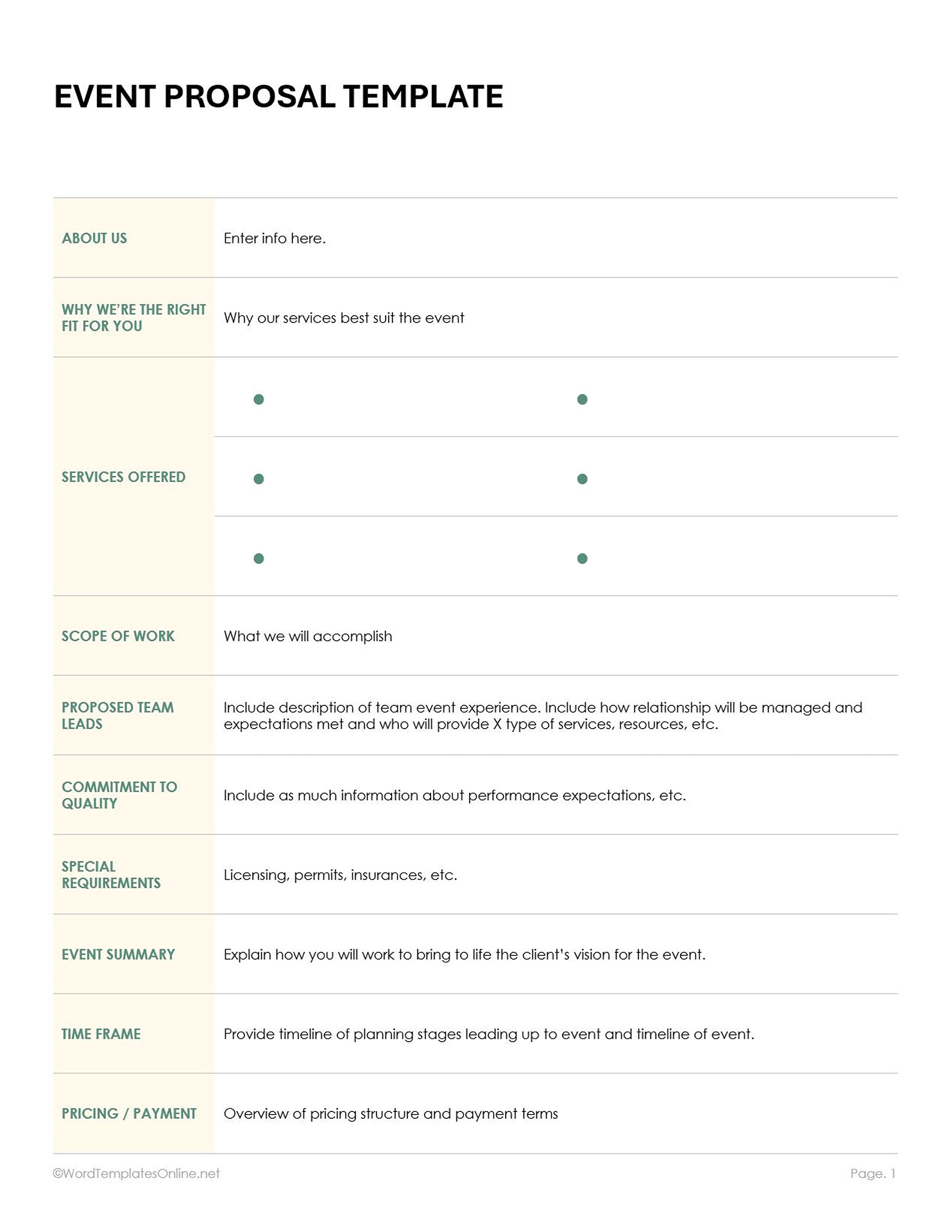
Event Proposal Template
This proposal outlines the concept, objectives, and execution plan for the upcoming event, ensuring alignment with your goals and audience. A detailed breakdown of projected costs is included to ensure transparency and effective resource allocation.
Download

Download
Tips to Actually Use Your Checklist (Not Just Make One)
A checklist isn’t magic. You still have to use it like a real tool, not a last-minute scribble. Start by going digital—tools like Google Sheets or Excel let you update things in real-time and share them with your team. That way, everyone stays in the loop, and you’re not guessing who forgot to order chairs.
Break your checklist into clear sections like budget, logistics, guest management, and vendor tasks. This keeps everything organized instead of dumping all your planning into one giant to-do list. Color-code tasks based on urgency if you’re a visual thinker. Assign responsibilities based on what people are actually good at—not just who’s available.
If you’re tracking money (and you should be), use basic Excel formulas to calculate totals and spot any budget issues early. And don’t let your checklist pile up with crossed-out tasks. Clear out completed items as you go. A cluttered list causes confusion. A clean list keeps you focused.
Keep It Updated—Things Change (They Always Do)
Even with the best plan, something always shifts. A vendor backs out. A speaker misses their flight. You find out the venue has no Wi-Fi. That’s why you have to update your checklist regularly. A static checklist is about as useful as a stale croissant.
Make a habit of checking in with your planning team. Review what’s done, what’s delayed, and what needs fixing. If a task’s timeline has changed or someone dropped the ball, adjust the plan. Set internal deadlines that are earlier than the real ones, so you have breathing room for hiccups.
After the event, don’t just toss the checklist in the bin. Look at what worked. Look at what nearly broke you. That reflection helps you create better plans for the next event—and makes you the kind of planner people actually trust.
About This Article